In this series

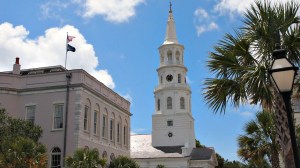
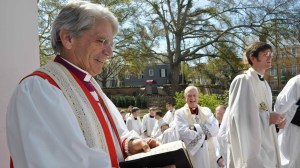

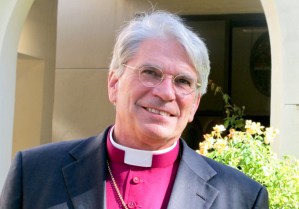
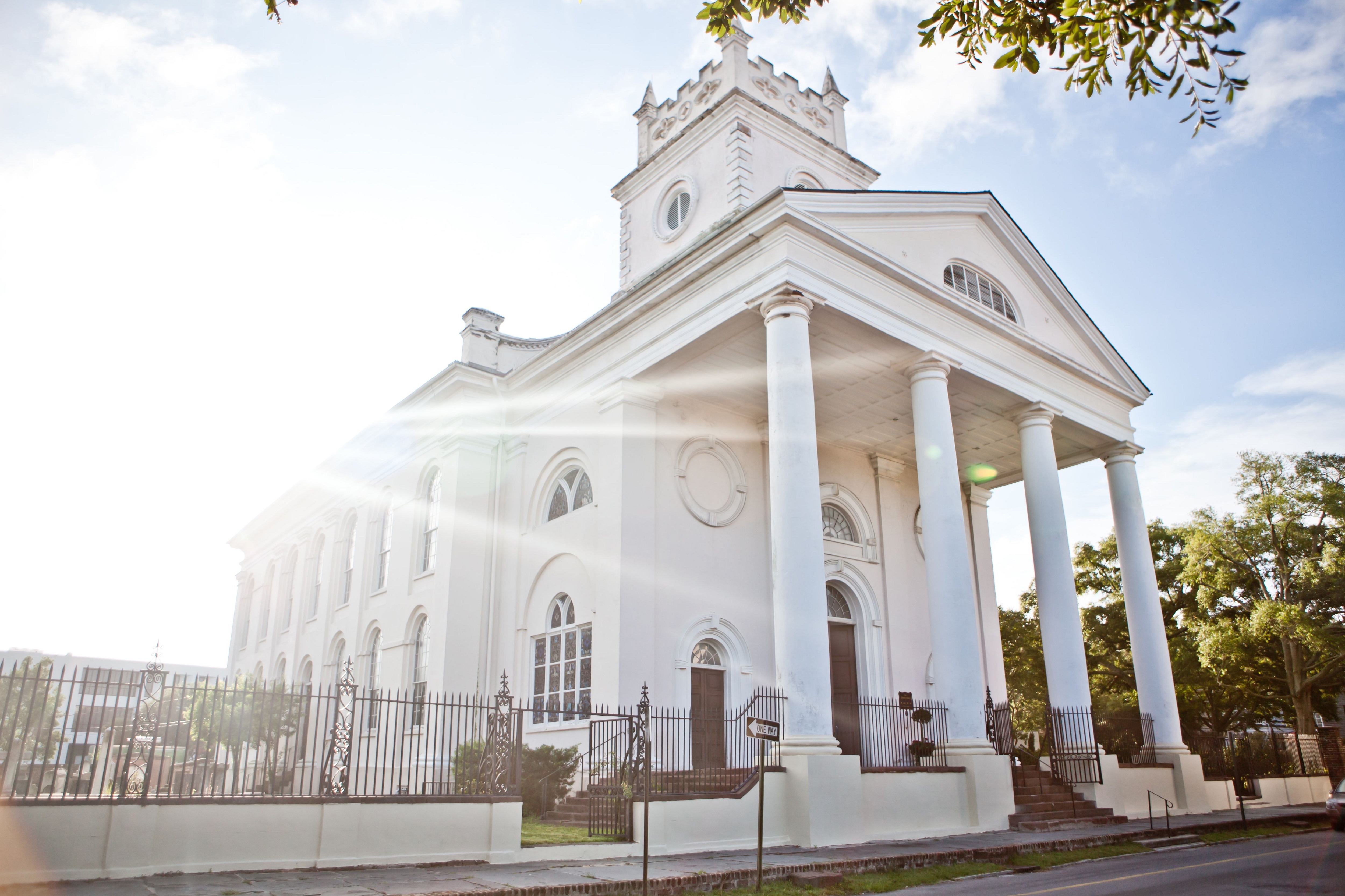
In the "land and building wars" long fought within mainline denominations, the denomination usually wins. But this week, a South Carolina judge ruled that bishop Mark Lawrence and 36 South Carolina parishes had the right to leave The Episcopal Church in 2012 and take with them $500 million in property.
“In all of TEC’s governing documents, no rule exists prohibiting the withdrawal of one of its member dioceses,” Circuit Court Judge Diane Goodstein wrote in her opinion. As such, she wrote, TEC defendants have no legal or other right to the plaintiffs’ “real, personal, and intellectual property.”
The ruling mirrored an Illinois decision, in which the Diocese of Quincy was allowed to keep its property and funds for the same reason: The national denomination didn’t have a policy that kept dioceses from withdrawing their membership. Last month, the Illinois Supreme Court refused to hear the denomination's appeal.
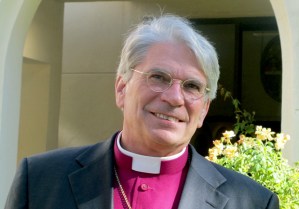
The Diocese of South Carolina (DSC) had long distanced itself from The Episcopal Church’s liberal stance on many theological issues, including same-sex relationships. After Mark Lawrence, the diocese’s bishop, vocally opposed the Episcopal Church’s 2009 resolution to allow gay ordination, two priests and 12 lay Episcopalians brought charges against him for “abandoning the Episcopal Church and renouncing its rules.” In 2012, the diocese broke away from the national church after it attempted to remove Lawrence.
 Heather Thompson
However, the ensuing legal fight was not over liberal or conservative theology, but over freedom, said Lawrence. “This has never been about exclusion,” he said. “Our churches, our diocese, are open to all. It’s about the freedom to practice and proclaim faith in Jesus Christ as it has been handed down to us.”
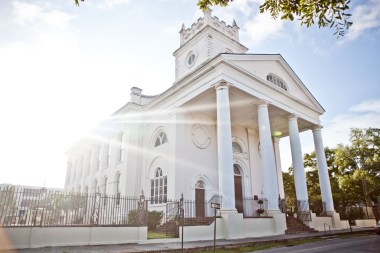
The lawsuit filed by the diocese requested that the court declare that TEC had no right to the diocese’s property or 36 parishes, many of which have been in the church tradition since the Revolutionary War era. In fact, the South Carolina diocese existed before the Episcopal Church and joined in its 1789 formation. The diocese left the national church briefly to affiliate with the Protestant Episcopal Church in the Confederate States of America during the Civil War, then rejoined in 1866.
“We are grateful that Judge Goodstein’s decision protects South Carolina churches from being added to the long list of properties that TEC seized then either abandoned or sold off,” said Jim Lewis, Canon to the Ordinary, in a DSC press release. “The decision protects our freedom to embrace the faith Anglicans have practiced for hundreds of years—and not the new theology being imposed on TEC’s dwindling membership.”
The Episcopal Church is expected to appeal the court decision, and the denomination’s South Carolina members are prepared for a “long legal process,” communications director Holly Behre told The State. The Wall Street Journal, Religion News Service, and The Post and Courier have also reported the ruling.
CT has examined whether legal victories by conservative breakaway churches are setting a precedent, and has noted the many hurdles facing the fractured Episcopal church.