The best Thanksgiving meal I ever ate was in February.
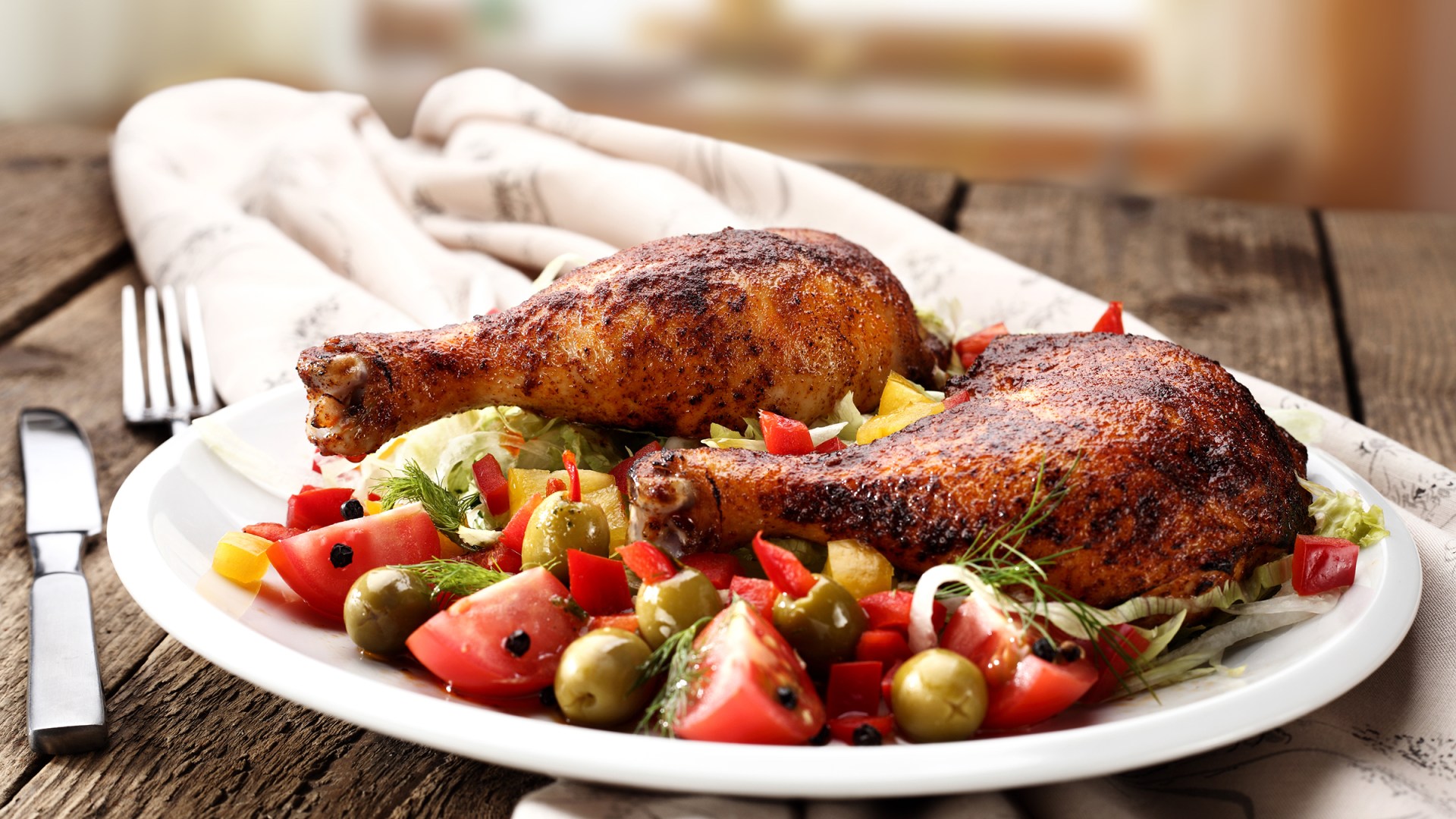
A neighbor of ours who lived just down the hall from us came by and knocked on our door. He had just gotten back from the food pantry. He held up a frozen turkey, explained that he only liked to eat the dark meat, and he wondered if we might like the other parts? Taken aback, I said we would, and he thrust the entire bird into my arms. “Great,” he said, “why don’t you cook it and just give me the legs and wings?” I agreed, and I invited him to eat dinner with us the next night. He took a few moments to think it over, said yes, and then returned to his apartment.
At the time, we were still having a hard time connecting with our neighbors, the majority of whom were folks battling generational poverty, addiction issues, and systemic injustices. This particular neighbor was friendly but removed. He liked to sip his black coffee on the stoop outside and keep an eye on all the comings and goings, and he also liked to remark on how out-of-place my husband, small daughter, and I were. We tried to be bright and friendly—inviting him over for Christmas, giving him plates of cookies—but the interactions were forced and our neighbor kept his distance. Until the morning he showed up with a turkey.
I knew I wanted to do it all up: mashed potatoes, green bean casserole, perhaps even pie. We were smack dab in the midst of a horribly cold, Midwestern winter, and we needed something to boost our spirits. On the day of our feast, the smell of a roasting turkey filled the air, and our neighbor showed up right at dinnertime. We ate and laughed and chatted about matters both small (teasing my daughter) and large (our respective religious beliefs). Our apartment was in its usual state of disrepair, there were no decorations, and there were only a few side dishes to go around. And yet the end result was perfect: good food, conversation, and a chance to extend our friendship, a chance to make room for more people at our table.
I was surprised by the interpersonal blessings of the meal, in part because of how I understood outreach to the poor—as a form of charity, not hospitality.
I grew up loving Thanksgiving because it was a chance to do some good in the world. I loved going to my church the second or third week in November and helping put together large cardboard boxes filled with Stove Top stuffing, carrots, onions, potatoes, cans of cranberry sauce, packets of gravy, store-bought pumpkin pie, and, yes, a frozen turkey. I loved delivering those food boxes all around the city, knocking on doors, carrying the boxes inside, craning for a glimpse of lives at the edges of my world—people who were in need. I would deliver the boxes and return home, glowing inwardly at a good deed done. But there remained in me a nagging sense that I wanted to do more, that a once-a-year peek into these different lives was simply not enough.
Each time I dropped off a Thanksgiving box, the interaction was awkward. The people were strangers to me, just names from a list at church. I expected them to be grateful, and I expected to receive some thanks for my role in helping. The exchange was impersonal, hierarchical, and infused with the traditional roles of charity—the poor receiver and the good giver. Although they seemed innocuous, these holiday interactions led to an unexamined expectation for how I interacted with others across class or ethnic lines. I would always be the helper, the gracious host, the one extending my table—and people who were different than me would always be the ones in need.
My neighbor and many more like him have changed me and my conception of generosity. He is the one who wheels his cart to the food bank each Tuesday, packs it up with food, and distributes it to others who may need it. Another neighbor, a Somali Bantu friend, used to take out any fresh produce she received in her own Thanksgiving food boxes and give me the rest. At my daughter’s school, a fellow parent makes photocopies of the location and time of a once-a-month food pantry and urges all of us to stock up on essentials in order to help with bills. The common thread in these interactions is twofold: One, people from lower-income communities are some of the most generous folks I have ever met, and two, it takes being in real relationship with people in order to both experience and practice hospitality.
When I look to Instagram, Pinterest, or the blog world for advice on hospitality, I often see a lust for perfection and a subtle class hierarchy hovering over every shot of an artfully arranged table. Some Christians, too, get trapped in this rut and focus on “extending our tables” simply by creating cozy gatherings, nothing more. Beauty and comfort are all well and good, but what we really need to work on is flipping the narrative: How can we find ourselves at the tables of people who are different from us? How can we be in real, long-term relationships with those we might only see once a year as we drop off a Thanksgiving food box? How can we eschew outreach programs—which sometimes create and highlight divides—for mutuality, and how can we trade charity for compassion (which literally means “suffering with”)?
The answers aren’t easy, and they don’t feel as good as dropping off a holiday food box. They require us to assess our lives and relationships. They require us to see the segregation of our personal spaces. And they require us to reallocate our time, resources, and care to the homes and neighborhoods and communities of those who are most marginalized in America. In a stratified, divided country like ours, it takes strategic, intentional work. It means hours and hours of relationship-building. It changes us in the process, letting those we came to serve instead be the ones who serve us.
The ministry of reconciliation that Paul writes about in 2 Corinthians 5 is now more vital than ever. And the Scriptures show us time and time again how feasting around the table brings people together. I think of Jesus and all the different types of people he ate with: tax collectors and Pharisees and fishermen. He had people from all walks of life whom he could eat and drink and celebrate with, and I wonder how many of us can say the same.
To this day, I still think about that Thanksgiving meal in February and smile. That particular neighbor ended up coming over for Christmas, too, and he became a great resource for my husband and I as we learned about the lives of our neighbors and how different they were from ours. He taught us that holidays are for everyone to contribute to, not just those of us who think we’re in a position to host or be of service. He taught me to expand my definition of celebrations and to be open to what my neighbors actually want and need. He taught me to celebrate Thanksgiving in February, and for that I will be forever grateful.
D. L. Mayfield lives and writes on the edges of Portland, Oregon with her husband and two small children. Mayfield writes about refugees, theology, and downward mobility. Her book of essays, Assimilate or Go Home: Notes from a Failed Missionary on Rediscovering Faith was recently released by HarperOne. She blogs at dlmayfield.com and is on Twitter at @d_l_mayfield.