News

Are the Precise Words of Baptism Important?

Pastors weigh in on the critical formulation of the sacrament.

Source Images: Getty / Halfpoint / amphotora | Unsplash / David Becker

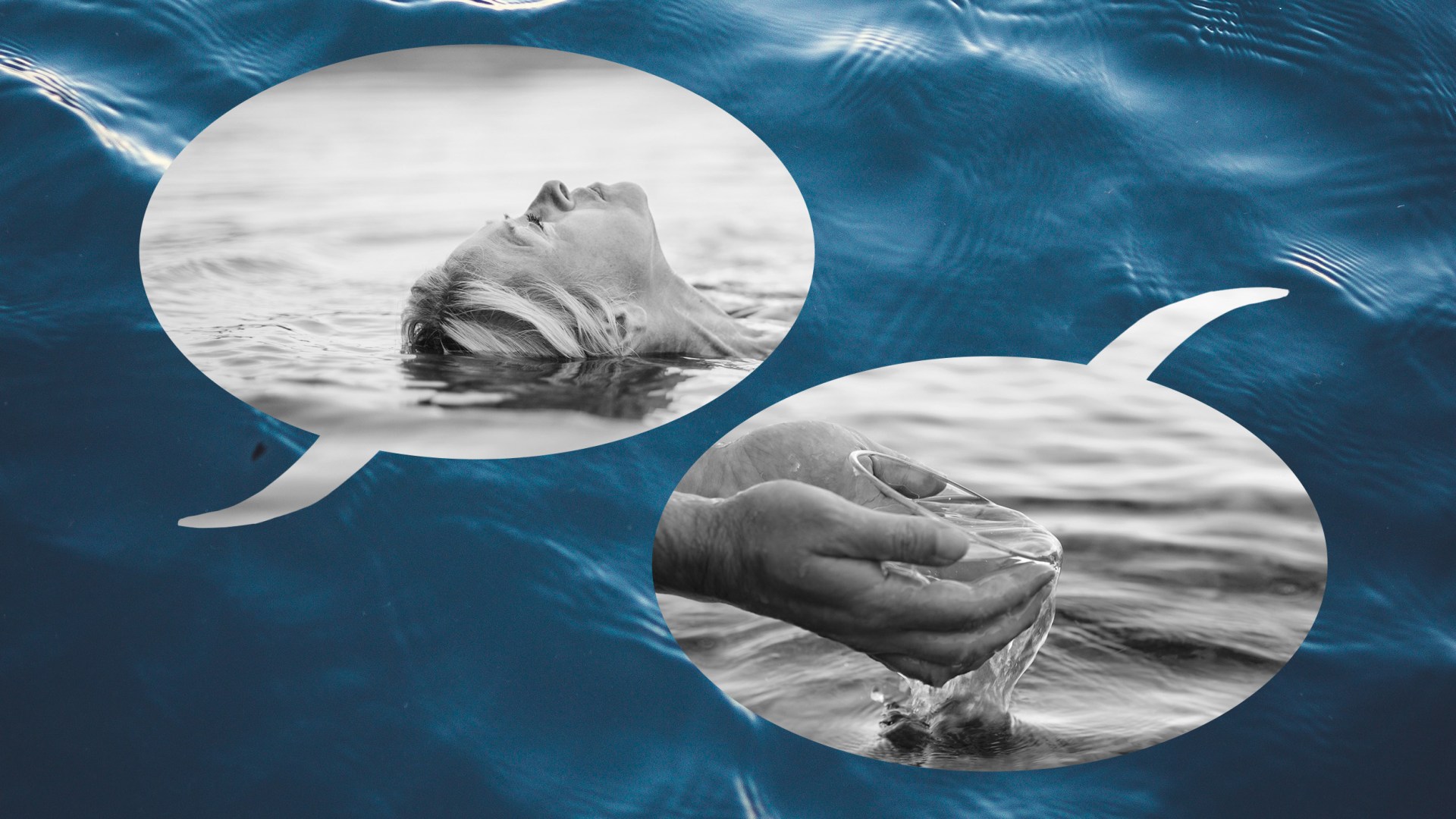
A Catholic priest resigned in February after learning that 20 years of baptisms were invalid because he said, “We baptize you” instead of “I baptize you.”

We asked a range of evangelical ministers about the importance of baptismal words.

Yes, but …

I believe the “formulation of the words” used during baptism is important. The words should not convey something false about God or teach something inaccurate regarding the meaning of baptism. However, I don’t believe saying, “We baptize you” rather than “I baptize you” invalidates 20 years of baptism. Of course, as a Baptist, I also don’t believe pedobaptism is the proper application of baptism. Even so, God judges our hearts.

— Jared Burt, Southern Baptist pastor, Texas

As a pastor, I affirm the significance of how clergy leads a sacrament. The words, the context, and even the posture of those who gather for the sacrament have significance. But we must never forget that the sacrament of baptism is the action of God.

—Tara Beth Leach, nondenominational pastor, Illinois

I do believe that for the sake of the unity of the church and the teaching of the flock, those administering sacrament should strive to be as faithful to the universal formularies as possible. When we depart, I am hopeful God’s grace covers our stutters and feeble understandings.

—Heather Ghormley, Anglican Church in North America rector, Indiana

Not exactly

The words definitely matter, but the precise formulation can’t be determinative, otherwise we would all need to use the Greek or Galilean dialect of Aramaic that Jesus spoke. Wonderfully, Pentecost sanctified the use of every language to speak words of grace! This doesn’t open the door to a sort of paraphrasing that obscures meaning, but it does open the door to a wideness of ways by which grace may be “exhibited and conferred.”

—Jeff Hutchinson, ECO Presbyterian church planter, Connecticut

Whenever humans are involved (and in the church, humans are always involved!), the best plans go awry. As an Orthodox friend once told me, “Some clergy are like clay pots, others are golden vessels; both pour water.” At its heart, baptism is receiving and living God’s grace.

—Kevin Adams, pastor and author of Living Under Water: Baptism as a Way of Life, California

No

The precise formulation of the words spoken by the officiant at a believer’s baptism is not what ultimately matters. What matters is the object of faith (e.g., Jesus Christ as Lord and Savior) of the one being baptized (Col. 2:12).

—Daniel Rodriguez, religion professor, Pepperdine University, California

As a minister, I am not performing an incantation, and if my words are misspoken or I jumble a formula, the heart of the baptized and their faith in the forgiving power of God through Jesus Christ are the important things.

—Joshua S. Lewis, Pentecostal pastor, Virginia

Also in this issue

A church is always more than the space in which it meets, but it is never less. Congregations cannot help being shaped by the places and neighborhoods they inhabit, as editor Kara Bettis explores this month in her reporting on the concept of “spiritual gentrification.” Churches are usually birthed around a shared vision for ministry. When the world around a church changes—gradually or suddenly—one of the most difficult challenges is discerning how, if at all, that shared vision should also change. PLUS: Rediscovering the Jewish roots of Easter.

China’s Public Schools Are Failing Christian Families

E. F. Gregory

Reply All

Faith Is More than a Feeling, but Not Less

Black Christian Homeschoolers Are Redefining the Movement

Liuan Huska

Don’t Expect Instant Gratification from Your ‘Quiet Time’

When the Congregation Leaves Town, Should the Building Follow?

Kara Bettis

Why We Need the Evangelical Jeremiad

Editorial

Don’t Make the Church Leadership Crisis Worse

Mike Cosper

Christ Conquered Death. He Didn’t Cancel It.

Jennifer M. Rosner

Our April Issue: How Place Shapes Church

Andy Olsen

What Atonement Theories Tell Us About Our Politics

Visiting Prisoners in Jesus’ Day

David L. Stubbs

New & Noteworthy Fiction

Roseanna M. White

Testimony

The Booze-Filled Business Trip That Made Me a Christian

Stu Fuhlendorf

News

More Ministries Seek Alternatives to Child Sponsorships

Rebecca Hopkins

News

Gleanings: April 2022

News

Embezzlement Bedevils Global Church Giving

News

Who Is My Neighbor? For Christians in the Balkans, the Answer Might be Troll Farms.

Jayson Casper

Help! I’ve Stopped Caring About God.

Interview by Matthew LaPine

Review

Jesus Is Risen! Now What?

Rhyne Putman

Review

Fearing God Means Living with the Grain of Reality

Anne Kennedy

5 Books on the Connection Between God and Animals

Caryn Rivadeneira

View issue

Our Latest

The Bulletin

Joe Kent Resigns, Iranian Threats, and a Victory for Parents’ Rights

Mike Cosper, Clarissa Moll, Russell Moore

Public opinions on the Iran war, homeland security risks, and disagreements about gender transition in the classroom.

Review

What Kids Think About God Matters

Three theology books to read this month.

Urgency Is Not Faithfulness

Thomas Anderson

A church that quickly reacts to every controversy is echoing the culture, not God’s word.

Analysis

Q&A: Why Pakistan and Afghanistan Are Fighting and How Christians There Survive

The Bulletin with Knox Thames

A conversation with human rights lawyer and former diplomat Knox Thames.

Turning ‘a Miracle’ into Long-Haul Help for the Homeless

Taylor Berglund

A North Carolina nonprofit is thinking in decades, not days, about sustainable, affordable housing.

What to Expect at This Year’s Church Conventions

SBC, LCMS, ACNA, CREC, and Global Methodist gatherings in 2026 will weigh issues including abuse investigations and sexual ethics.

Gospel Matriarch Lucie Campbell Looked To God

Daylan Woodall

Her songs spoke to life’s uncertainties and God’s presence—and taught me how to hope.

The Just Life with Benjamin Watson

Johnny Joey Jones: What Do We Owe the Men and Women We Send to War?

Trauma, Responsibility, and the Honor of Being Needed

Apple PodcastsDown ArrowDown ArrowDown Arrowarrow_left_altLeft ArrowLeft ArrowRight ArrowRight ArrowRight Arrowarrow_up_altUp ArrowUp ArrowAvailable at Amazoncaret-downCloseCloseEmailEmailExpandExpandExternalExternalFacebookfacebook-squareGiftGiftGooglegoogleGoogle KeephamburgerInstagraminstagram-squareLinkLinklinkedin-squareListenListenListenChristianity TodayCT Creative Studio Logologo_orgMegaphoneMenuMenupausePinterestPlayPlayPocketPodcastprintRSSRSSSaveSaveSaveSearchSearchsearchSpotifyStitcherTelegramTable of ContentsTable of Contentstwitter-squareWhatsAppXYouTubeYouTube