History

George Whitefield

An Anglican minister, George Whitefield (1714–1770) was converted through the friendship of the great hymn-writer Charles Wesley, and was also a life-long friend of Charles’s brother John Wesley, the famous evangelist. Whitefield was the first to be called a “Methodist” by students at Oxford I University, who wanted to make fun of the small group that met for prayer and Bible study, went to church, and helped the poor. Whitefield grew up in Gloucester, England, and worked as a boy in his parents’ inn and tavern. His extraordinary speaking ability was noticed at a young age; he would have liked to become an actor, but instead his voice would be used to call thousands to Christ in Britain and in colonial America. Whitefield played a major role, along with the Wesleys, in the awakening that swept across Britain in the first half of the 1700s. His powerful preaching caused a great stir wherever he went. He was the first modern evangelist to travel and preach to large crowds outdoors in fields and town squares. He is mostly remembered, however, for his part in the First Great Awakening in America, where his preaching had a tremendous impact. He often preached to thousands of people; and great crowds rode large distances on horseback to hear him. Benjamin Franklin, Whitefield’s friend, once calculated that (in a day before loudspeakers) Whitefield could make his voice heard to 30,000 people! The building Franklin built for Whitefield to preach in at Philadelphia later became the University of Pennsylvania. Before George Washington, George Whitefield was the most popular figure in America. He died in Newburyport, Massachusetts. in 1770, and was buried there.

Copyright © 1989 by the author or Christianity Today/Christian History magazine. Click here for reprint information on Christian History.

Our Latest

Excerpt

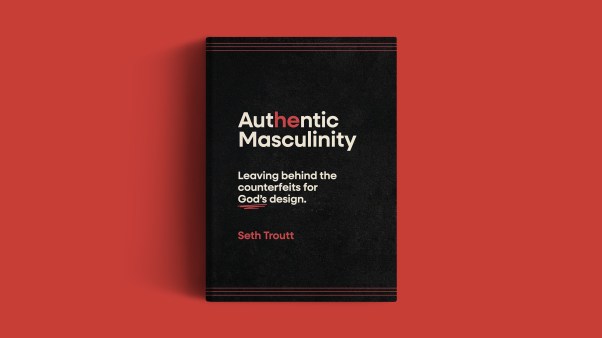
5 Ways to Forge Male Friendships That Last

Seth Troutt

An excerpt from Authentic Masculinity: Leaving Behind the Counterfeits for God’s Design.

Not Everything is Christian Nationalism

Automatically hurling this accusation at believers who raise questions about Islam or other issues is intellectually lazy.

Review

Gen Z Women Are Not Commodities

Elise Brandon

Freya India’s book Girls wants to fix young women’s consumption habits—and the way our culture consumes us.

Inside the Ministry

Discover a New Way to Read, Reflect, and Connect

The Christianity Today app is a curated, personalized, and mobile-friendly way to stay informed on faith, culture, and the world.

Review

Review: Angel Studios’ ‘Animal Farm’

Spinning a happy ending for George Orwell’s dire warning about communism, this film can’t decide if it’s a serious commentary or a collection of fart jokes.

News

Courts Briefly Pause Abortion by Mail, Then Allow It to Resume

After a lower court froze telehealth access to abortion drug mifepristone, the Supreme Court temporarily restored mail-order pills while it plans to consider the case.

Agentic AI Isn’t Laborsaving If You Don’t Know How to Sabbath

A. Trevor Sutton

New tech promises to do our work for us. But it can’t replace our need for rest in God.

addApple PodcastsDown ArrowDown ArrowDown Arrowarrow_left_altLeft ArrowLeft ArrowRight ArrowRight ArrowRight Arrowarrow_up_altUp ArrowUp ArrowAvailable at Amazoncaret-downCloseCloseellipseEmailEmailExpandExpandExternalExternalFacebookfacebook-squarefolderGiftGiftGooglegoogleGoogle KeephamburgerInstagraminstagram-squareLinkLinklinkedin-squareListenListenListenChristianity TodayCT Creative Studio Logologo_orgMegaphoneMenuMenupausePinterestPlayPlayPocketPodcastprintremoveRSSRSSSaveSavesaveSearchSearchsearchSpotifyStitcherTelegramTable of ContentsTable of Contentstwitter-squareWhatsAppXYouTubeYouTube