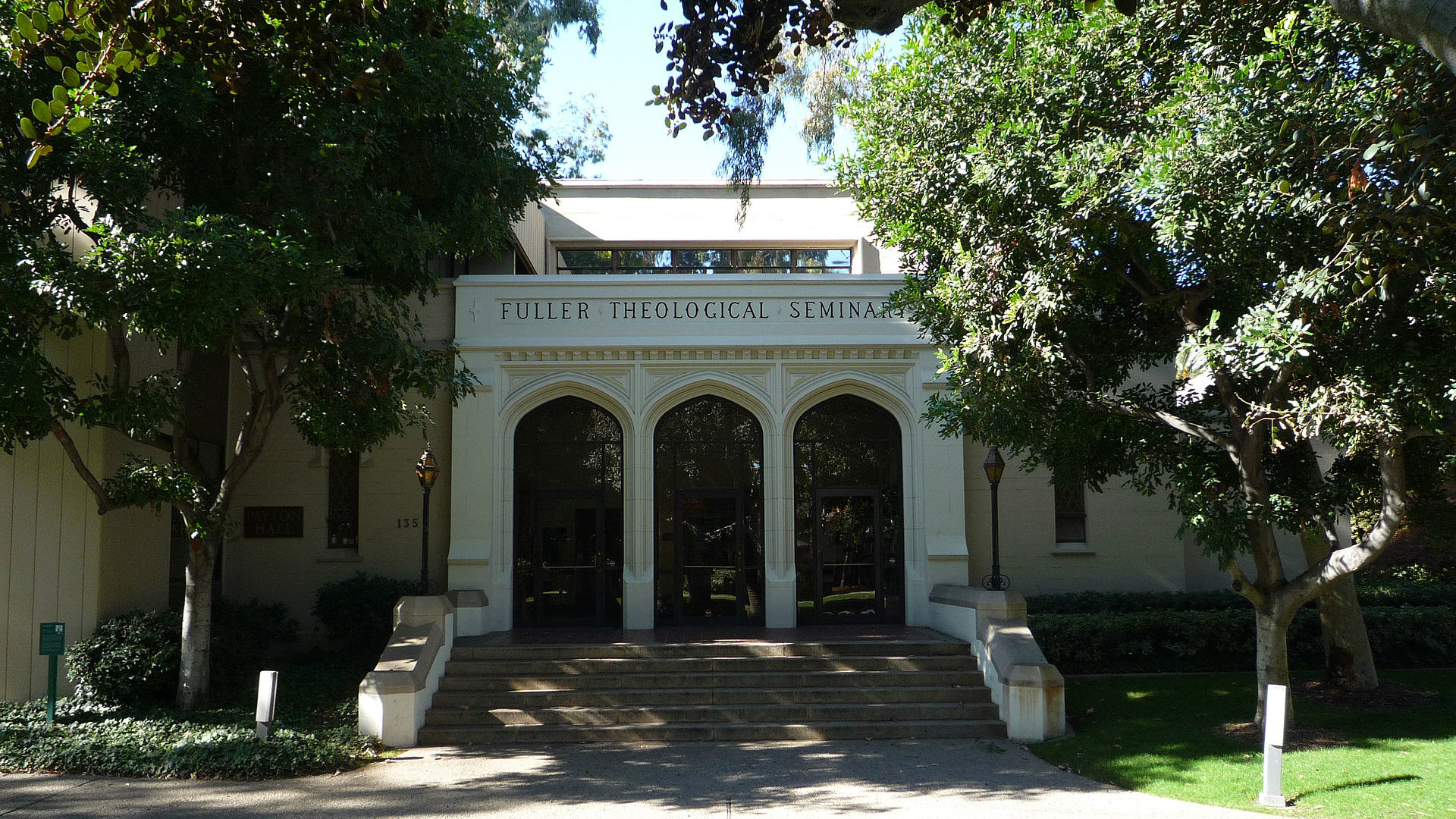
Citing restrictions on selling its current Pasadena property and unexpectedly high construction costs, Fuller Theological Seminary officials announced it won’t be moving to Pomona, California, in 2021 as planned.
Fuller president Mark Labberton said Southern California’s high construction costs—higher than the school’s conservative estimates—and “differences with the City of Pasadena” over the sale of the land led the board on October 24 to vote unanimously to stay at its 13-acre Pasadena location.
“Our board just decided … that though our plans were so full of promise and hope and our welcome in Pomona had been so great, that the better and wiser decision for the long-term wellbeing of Fuller is to stay here in Pasadena,” Labberton said in a statement posted last week on the Fuller website.
In May 2018, the Fuller board had unanimously voted to leave its main campus, which had been home since its founding more than 70 years ago, and move about 30 miles east to Pomona. The decision to leave Pasadena followed downsizing efforts the year before, when Fuller closed three of its eight satellite campuses and cut degree options at two more.
Leaders hoped a relocation to Pomona would alleviate financial pressures. The high cost of living in Pasadena had created hardships for many Fuller students and faculty and limited the school’s ability to reach potential students, according to its website.
But Pasadena Now reported that the plan was halted when Fuller could not sell some of its buildings for prices previously expected because of a development deal the school made with the City of Pasadena over 10 years ago.
“While the decision to remain in Pasadena is more complex than can be attributed to one factor, the different understandings about the commitments in property agreements between Fuller and the city will need ongoing consideration,” said Britt Vaughan, Fuller spokesman. “We will work with the city in hopes of finding agreement and a sustainable future for us in Pasadena.”
At the same time, the seminary is still reducing its footprint in the Los Angeles-area locale, where its oldest campus building dates back to 1953. It plans to consolidate by selling “non-core properties.”
“The proceeds from those eventual sales and the capital campaign we will mount starting in 2020 will enable us to reduce our debt, modernize our Pasadena campus, increase our student scholarships, and fund other enhancements to the quality of our education and community life,” said board chairman Dan Meyer in a statement.
The Pomona move was initially intended to allow Fuller to upgrade to “state-of-the-art facilities designed to serve both traditional and online learning along with smarter centralized administration.”
Now, some offices will move to “modern but underutilized” space in Houston, where the Fuller Texas program is located. The school will also continue to strengthen its marriage and family therapy program based in Arizona as well as its online degree offerings. According to its website, Fuller “serves nearly 4,000 students from 90 countries and 110 denominations” across its three sites and online.
Leaders of city of Pasadena were happy to keep Fuller around.
“Fuller has always been a valued member of the Pasadena community and they’ve made a lot of contributions,” Mayor Terry Tornek told Pasadena Now. “We like having them here. An institution like Fuller makes an important contribution to the fabric of the community. And so I’m actually pleased that they’ve decided to stay.”
Just five months ago, in June, the seminary announced that it had entered into an agreement with buyers and was working out the “complicated and fluid” specifics for the sale of the Pasadena buildings. Last year, the Pomona Daily Bulletin had reported Fuller had plans to buy a bank, arcade, and Bob’s Big Boy restaurant for its new location.