Theology

Christianity Today’s Most Popular Articles of the Decade

Whether Christians should vote for the lesser of two evils, inside the controversial Bethel Church, and understanding the transgender phenomenon.

Christianity Today December 31, 2019

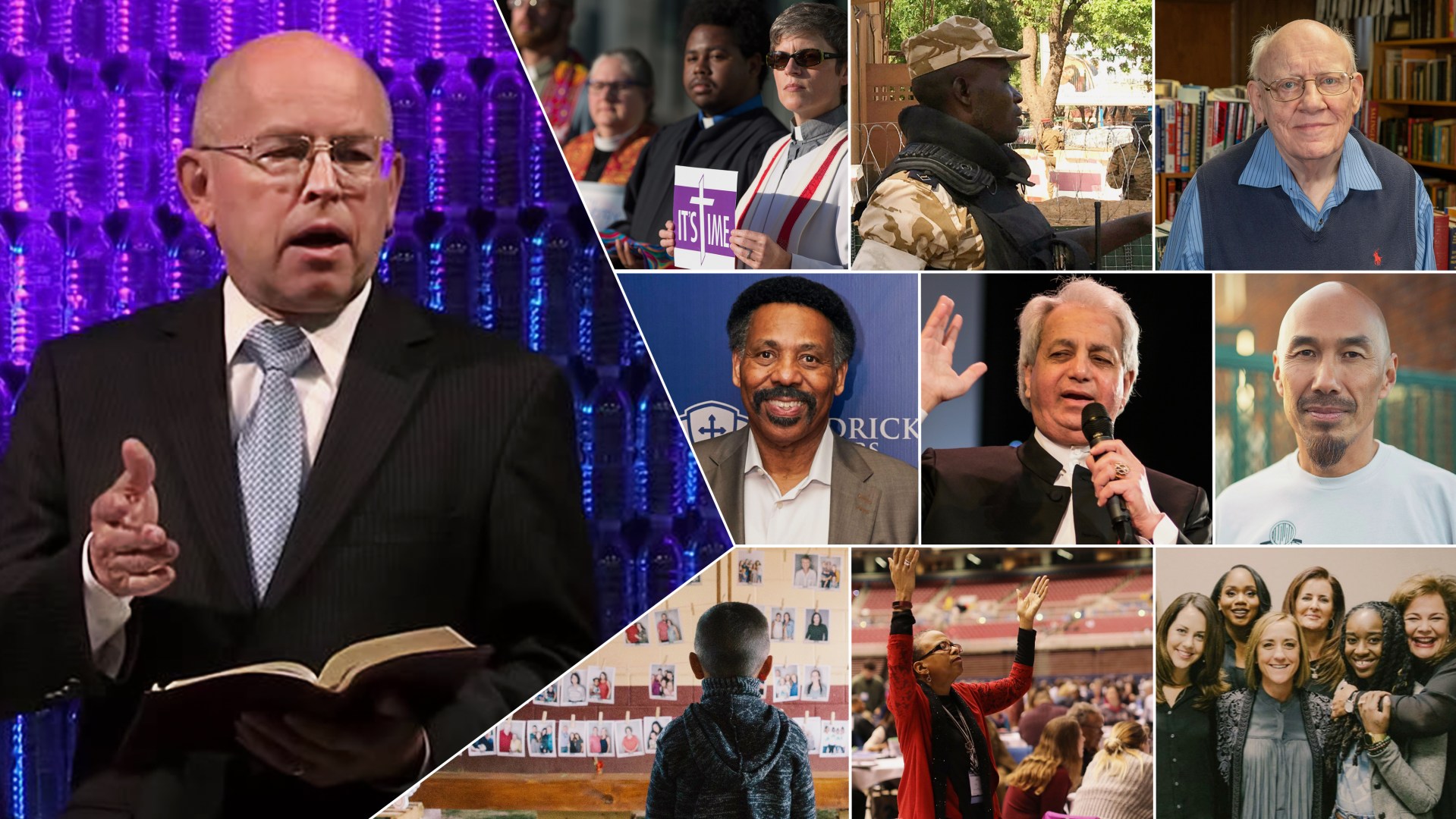
What were our readers fascinated with in the past decade? Readers clicked most on controversial and confusing topics like sex and sexuality—transgenderism and female masturbation—and politics—Donald Trump’s theology and whether Christians should make voting decisions based on a “lesser of two evils” philosophy. They also found pieces on theological controversies and stories of how people found Jesus compelling. Here are the 30 most-read pieces on CT’s website from the 2010s, ending with the most popular piece.


Note: All of our top-read stories spanned from 2014-2019. Readers wanting to know our top stories from before that time can see our lists from 2013 and 2012. We also ranked our top news stories from 2011 and 2010.
Theology

The Most Life-Changing New Year’s Resolution Won’t Come Easy

Jesus warned his disciples that following him would cost them.

Christianity Today December 31, 2019
Spotty James Kunkel / Lightstock

Every year at the end of December, people begin to consider the exciting possibilities for themselves in the new year ahead. Whether we’ve resolved to read more, run a marathon, eat healthier, keep a journal, or take up a new hobby, we’re surrounded by resources and tips that promise to make our goals easy and attainable.

Many Christians will set out to become more faithful followers of Jesus in 2020. It’s a worthy resolution. Jesus is Lord over everything in heaven and on earth, and he wants his followers to place everything under his lordship. He wants our gifts, talents, careers, money, time, health, thoughts, marriages, kids, singleness, aspirations, words, deeds, dreams, motives—everything.
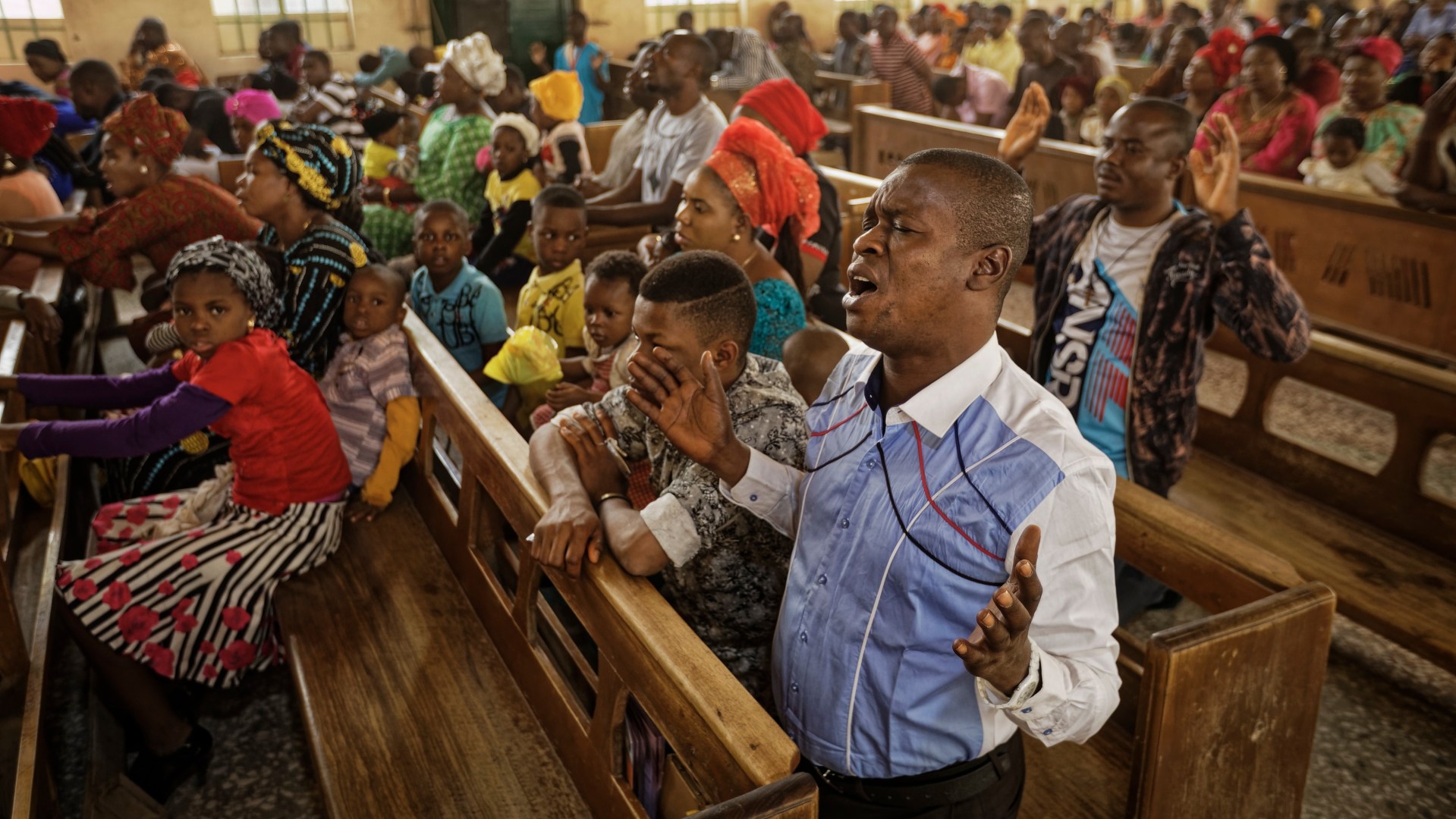
In 2020 and in all years to come, the resolve of every Christian should be to follow Jesus on the narrow and difficult path of discipleship. However, Jesus’ words in Scripture and church history tell us the price of discipleship in 2020 will be costly.

In Matthew 8:19, a scribe approaches Jesus to tell him he would follow wherever Jesus would go. In the next verse, Jesus responds, “Foxes have dens and birds have nests, but the Son of Man has no place to lay his head.” This was Jesus’ way of asking: Have you considered the cost of following me wherever I go?

Since the earliest days of Christianity, many Christians have lost material possessions, status, connections, jobs, family relationships, and even their lives because of their obedience to Jesus. Even now, brothers and sisters face the daily risk of losing everything, including their lives, because of their commitment to Jesus Christ above all. The demands and risks of faithful discipleship cause many to choose the wide and easy path of disobedience that leads to destruction over the difficult and narrow path of obedience that leads to life (Matt. 7:13–14).

As Jesus sends out his disciples on mission in Matthew 10, he commands them to preach the gospel in his name, heal the sick, raise the dead, cleanse the lepers, and cast out demons free of charge. Jesus says these acts would be signs that the kingdom of heaven has come through his mission. He informs his disciples of the imminent dangers they would experience as they preached the gospel of the kingdom to a hostile world (Matt. 10:16–17). Consequently, they must be as “wise as serpents and as harmless as doves” since they would suffer persecution and since many people would hate them on account of his name (Matt. 10:16–23).

Jesus states that when his disciples are persecuted in “this city,” they should flee to another (Matt. 10:23, KJV), for the cities must be evangelized before the Son of Man comes. Still, Jesus encourages his disciples to neither fear nor worry about what they will say when they stand trial before hostile leaders on account of his name, because the right words will be given to them to speak (Matt. 10:19; see also Acts 4). Jesus promises that his disciples “will be saved” if they faithfully persevere in their faith until the end of the age as they suffer on the narrow and difficult path of discipleship (Matt. 10:22).

In Matthew 10:24–42, Jesus continues to instruct his disciples about the high cost of discipleship. His disciples are not above him, their teacher and master. They won’t suffer exactly the same way as he, because he took upon himself the wrath of God for the sins of the world (John 1:29; Rom. 3:24–25; 5:6–10). But he says they too will suffer for the gospel of the kingdom (Matt. 10:25).

Jesus’ words are still applicable today. For those who follow Jesus on the narrow and difficult path of discipleship, the question isn’t, “Will we suffer for Christ?” Rather, the question is, “When will we suffer for Christ?” or, “How will we suffer for Christ?” Since he suffered for the sake of the gospel of the kingdom, his followers can be certain they will also suffer today as they preach, obey, and apply the whole gospel to all areas of their lives (10:34–39).

The cost of discipleship is not the same for everyone. The cost is greater and more intense in certain parts of the world than in others. Yet, following Jesus certainly comes with a cost for all who would dare to take up the cross on the narrow and difficult path. The apostle Paul makes it clear that “all who desire to live a godly life in Christ Jesus will be persecuted” (2 Tim. 3:12, ESV). Obedience to Jesus requires total allegiance to him and to him alone, which will cause a great divide between those who faithfully follow Jesus on this path and those who do not (Matt. 10:34–37).

When Christians suffer for their allegiance to Jesus Christ in the new year, they might be tempted to think their plight represents an anomaly. As a result, when the going gets tough, some will forfeit the narrow and difficult path of discipleship and instead commit to the lie of “cultural Christianity.” There are others who will believe the lie of a false gospel that teaches health, wealth, power, and material prosperity are benefits of following him.

Certainly, some of Jesus’ followers enjoy good health, power, wealth, and material prosperity, and others work very hard to attain these things. While God is the giver of all good and perfect gifts (James 1:17), Jesus never promises earthly rewards to those who follow him on the difficult and narrow path that leads to life. Instead, Jesus invites his disciples to deny themselves, to take up their crosses, and follow him (Matt. 16:24).

Jesus’ call to discipleship evokes the images of both self-denial and death. The one unwilling to take up a cross and follow him might gain everything this world has to offer, but this one is not worthy to be his disciple (Matt. 10:38). However, the one who is willing to give Jesus everything might lose everything this world has to offer, but this one will find eternal life (Matt. 10:39).

To clarify, Christians should be wise and avoid suffering when we can. We should use common grace and common sense to deliver God’s people inside the church and fellow image-bearers outside the church from suffering whenever possible. My point here is the New Testament clearly states suffering for Christ is a normal Christian experience in a spiritually dark world (10:34–39; 1 Pet. 4:12–19).

Nevertheless, this difficult path should not make Jesus’ disciples live in fear of what people could do to them because of their allegiance to Christ. To the contrary, followers of Christ must fear God and God alone (Matt. 10:26–31). While wicked people may distort the gospel for power, prestige, or money; while they may slander the people of God or seek to harm them mentally, spiritually, and physically; and while they may try to kill the bodies of the people of God, the people of God must fear God alone as they remember only God “can destroy both body and soul in hell” (Matt. 10:28)—including those who seek to harm Jesus’ followers who faithfully follow him on the difficult and narrow path of discipleship.

Those who follow Jesus in 2020 and beyond must not let fear of what any human can do to them determine the degree to which they are willing to obey Jesus as they live in faithful obedience to the whole gospel.

God is sovereign over all things in heaven and on earth, including over life and death (Matt. 10:26–31). With his help, with the help of the people of God, and with common grace resources—God’s favor to us—followers of Christ can stand toe to toe with the Devil and his agents in the power of the Spirit to work through their fear of man as they follow Jesus on the difficult path of discipleship that leads to life—a path that requires those who journey on it to yield complete allegiance to the Jewish Messiah, King Jesus.

Followers of Jesus on the difficult path of discipleship should be ashamed neither of Jesus nor of his mission to make disciples (Matt. 10:32–33, 40–42). While the path is difficult, Jesus’ yoke is easy and his burden is light (Matt. 11:28–30), because it’s the yoke and burden that lead to eternal life. If Jesus’ followers confess him in word and in deed before others in a hostile world, he promises to confess them as his disciples in the presence of his Father on the Day of Judgment (10:32). But he will deny all who deny him in word and in deed in the day of judgment (Matt. 10:33). Jesus’ disciples will never perfectly follow him, but they must faithfully follow him until the end on the difficult and narrow path of discipleship.

Those who have given their total allegiance to Jesus Christ above all are on a very difficult path that only a few will find. At times, this path may seem more difficult than on other occasions. Certain Christians will find the path more difficult than others depending on their context. However, all Christians should remember King Jesus promises he will be with all of his disciples from every tongue, tribe, people, and nation on the difficult path of discipleship until the end of the age, no matter what the cost (Matt. 28:20).

All of us should ask ourselves the following questions in this new year: Have we counted the cost of faithfulness to Jesus? If so, are we willing to pay it? Only time will tell in the new year and in the years to come whether our answer is yes.

Jarvis J. Williams is an associate professor of New Testament interpretation at the Southern Baptist Theological Seminary in Louisville, Kentucky. He is the author of numerous academic books, including Christ Redeemed ‘Us’ From the Curse of the Law: A Jewish Martyrological Reading of Galatians 3:13. This article is adapted from a sermon he preached at Sojourn Community Church (Midtown), where he serves as an elder.

Church Life

Christianity Today’s Top News Headlines of 2019

World Vision flips the script on child sponsorship, James MacDonald fired from Harvest Bible Chapel, and comedian John Crist cancels tour over sexual harassment allegations.

Christianity Today December 30, 2019

Grace glimmered through the darkness of 2019’s news headlines. Christianity Today’s most-read news pieces last year included high-profile tragedies and harrassment allegations, but also reporting on a theologian’s changed stance on divorce and a new model of child sponsorship. Here are CT’s top news headlines of 2019, listed from least to most popular.

– compiled by CT editors

News
Wire Story

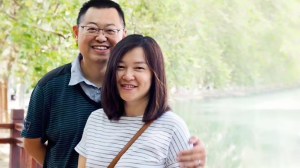
Outspoken Chinese Pastor Wang Yi Sentenced to 9 Years in Prison

The Early Rain leader decried the evil of the Communist regime and was arrested with dozens of fellow Christians last December.

Christianity Today December 30, 2019
Courtesy of ChinaAid

China on Monday sentenced a prominent pastor who operated outside the Communist Party–recognized Protestant organization to nine years in prison.

The People’s Intermediate Court in the southwestern city of Chengdu said pastor Wang Yi was also convicted of illegal business operations, was fined, and had his personal assets seized.

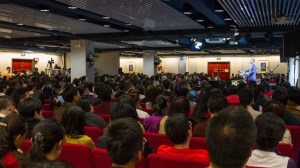
Wang had led the Early Rain Covenant Church and was arrested a year ago along with dozens of church leaders as part of an ongoing crackdown on all unauthorized religious groups in the country. The government requires that Protestants worship only in churches recognized and regulated by the party-led Three-Self Patriotic Movement.

Wang’s congregation, one of the most prominent unregistered churches in the country, was shut down during a series of government raids on church gatherings in December 2018. The church released a prepared statement from its pastor after his arrest.

“I firmly believe that Christ has called me to carry out this faithful disobedience through a life of service, under this regime that opposes the gospel and persecutes the church,” he wrote in a widely shared Declaration of Faithful Disobedience. “This is the means by which I preach the gospel, and it is the mystery of the gospel which I preach.”

Wang stated that he denies whatever charges the government has against him, but will serve his time. The 9-year sentence for “inciting to subvert state power” and “illegal business operations” is the longest prison term issued against a house a church pastor in a decade, according to World magazine’s China reporter, June Cheng.

Si Weijiang, a lawyer hired by Wang’s mother, said the charge of illegal business operations stemmed from the printing of books about Christian culture.

“It is actually about the freedom of publication and there has been no social harm," Si said in a phone interview. The charge of incitement “involves preaching and is an issue of speech, which has also inflicted no social harm,” he said.

Even within the narrow confines it has established, China’s officially atheist ruling party has been seeking to rein in religious expression, including removing crosses from official and unofficial churches.

More widely, the party has demolished places of worship, barred Tibetan children from Buddhist religious studies and incarcerated more than a million members of Islamic ethnic minorities in what are termed “re-education centers.”

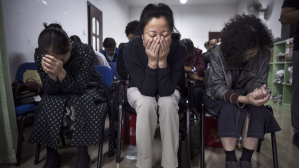
Early Rain is believed to have had several hundred members who met in different locations around Chengdu, the sprawling capital of Sichuan province. Many of those were taken from their homes overnight in lightning raids, including Wang’s wife, Jiang Rong, who was later released on bail.

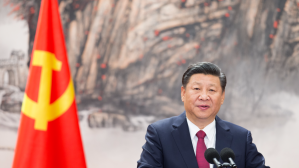
Wang had been critical of party head and state President Xi Jinping and made a point of holding a prayer service on June 4 each year to commemorate the 1989 bloody assault on pro-democracy protesters in Beijing’s Tiananmen Square.

“This is a pure case of unjust religious persecution against a peaceful preacher of a Chinese reformed church,” said Bob Fu, president of the ministry China Aid. “This grave sentence demonstrates Xi’s regime is determined to be the enemy of universal values and religious freedom. We call upon the international community to stand up to the Chinese Communist Party and hold this evil regime accountable.”

CT reported earlier this year that both US Secretary of State Mike Pompeo and Ambassador-at-Large for Religious Freedom Sam Brownback had rebuked China’s “war on faith,” while the United States Commission on International Religious Freedom (USCIRF) bashed the country’s growing religious freedom violations.

Beijing’s hard line on religion has underscored its contrast with other culturally Chinese societies, such as Hong Kong and Taiwan, where most follow Buddhism and traditional Chinese beliefs, but where Christianity and other religions also thrive.

At least two members of Early Rain fled to Taiwan, the self-governing island democracy that China claims as its own territory.

Wang’s sentencing was condemned by Amnesty International China researcher Patrick Poon as making a “mockery of China’s supposed religious freedoms."

“Wang Yi was merely practicing his religion and peacefully standing up for human rights in China," Poon said in an emailed statement. “Wang Yi is a prisoner of conscience and must be immediately and unconditionally released.”

Additional reporting by CT’s Kate Shellnutt.

News
Wire Story

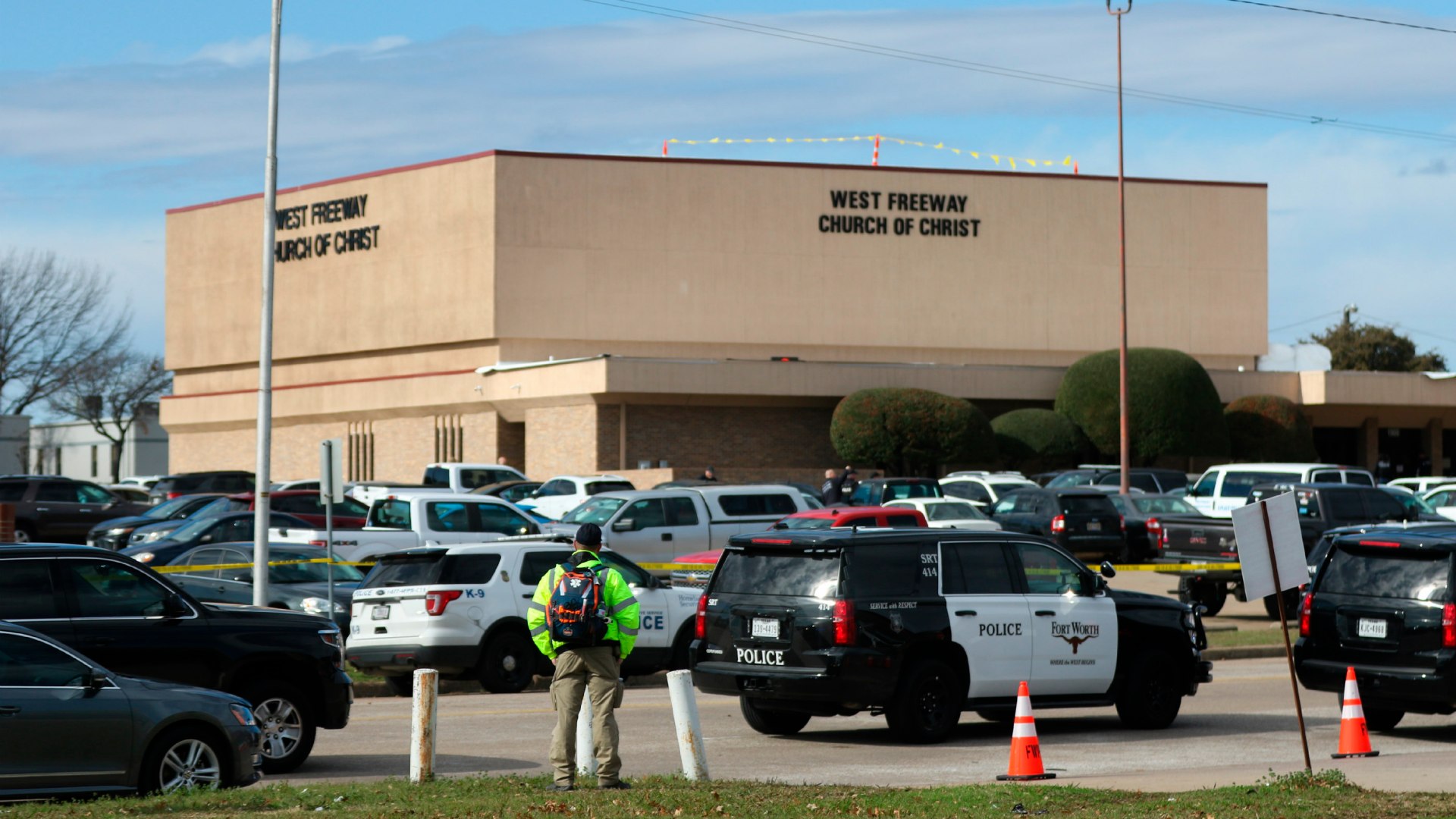
Texas Churchgoers Shot Down Gunman Who Opened Fire During Communion

Police commend “heroic parishioners” who halted an attack that left at least two dead at a Church of Christ congregation outside Fort Worth.

Christianity Today December 29, 2019
Associated Press

WHITE SETTLEMENT, Texas (AP) — Congregants shot and killed a man who opened fire in a church near Fort Worth, Texas, on Sunday, killing the attacker, police said.

A person shot by the suspect also died and a second parishioner has life-threatening injuries following the attack at the West Freeway Church of Christ, White Settlement Police Department Chief J. P. Bevering said during a news conference Sunday afternoon.

The assailant fired once before the “heroic actions” of the congregants cut his assault short, Bevering said.

“Unfortunately, this country has seen so many of these that we’ve actually gotten used to it at this point. And it’s tragic and it’s a terrible situation, especially during the holiday season,” Jeoff Williams, a regional director with the Texas Department of Public Safety, said at the news conference.

“I would like to point out that we have a couple of heroic parishioners who stopped short of just anything that you can even imagine, saved countless lives, and our hearts are going out to them and their families as well.”

Authorities have released scant details about the victims, the shooter, and what led to the attack.

An elder at the church told the New York Times that one of those killed was a security guard who responded to the shooter, calling him a dear friend.

“He was trying to do what he needed to do to protect the rest of us,” said the elder, Mike Tinius.

“It’s extremely upsetting to see anyone committing violence,” he said.

Tinius said he didn’t know the gunman and that the shooting appeared to be random.

A woman who answered the phone at the West Freeway Church of Christ told the AP she could not answer any questions and that she was told to direct inquiries to authorities.

WFAA, a Dallas-based TV station, reported that the church live-streamed the service on YouTube and that the video showed a man wearing a long coat produce a rifle or a shotgun which he fired twice before someone shot back. Some members of the congregation ducked behind pews while others with handguns rushed the gunman, WFAA said. It said church members can be heard screaming and crying.

Two people with minor injuries were treated at the scene, MedStar Mobile Healthcare spokeswoman Macara Trusty said.

Editor’s note: Bobby Ross Jr., editor in chief of the Christian Chronicle, reported that the live-stream showed the shooting taking place during communion. Ross said this incident is the third fatal Sunday morning shooting at a Church of Christ in the past two years.

Earlier this year, CT covered the role of armed security in churches in the wake of a previous Texas church shooting—the attack at First Baptist Church in Sutherland Springs that killed a record 26 people two years ago. In 2019, Texas enacted new gun legislation that explicitly allows licensed handgun owners to bring their weapons in places of worship.

Governor Greg Abbott asked the state to pray for the victims, their loved ones and the community of White Settlement, about 8 miles west of Fort Worth.

“Places of worship are meant to be sacred, and I am grateful for the church members who acted quickly to take down the shooter and help prevent further loss of life,” Abbott said in a tweeted statement.

News

Sudan Lets Christians March for Jesus Again

Resumption of Christmas tradition comes as US State Department downgrades African nation on religious freedom blacklist.

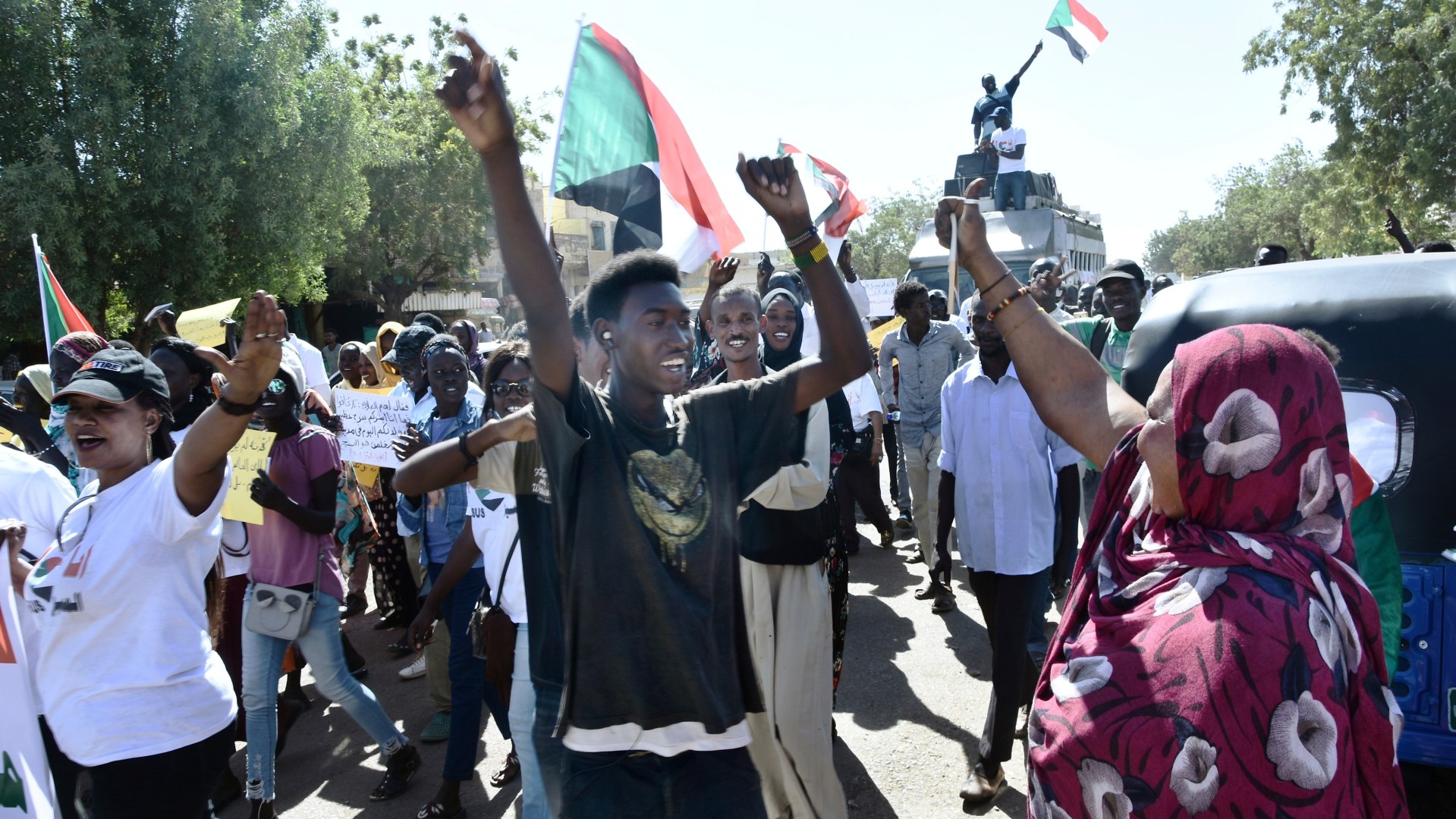
Sudanese Christians march through the streets to celebrate the birth of Jesus on Dec. 23, 2019, in Khartoum Bahri, Sudan.

Sudanese Christians march through the streets to celebrate the birth of Jesus on Dec. 23, 2019, in Khartoum Bahri, Sudan.

Christianity Today December 28, 2019
Mohamed Okasha / Associated Press

KHARTOUM, Sudan (AP) – The Sudanese Christian marchers weaved through bustling markets and traffic-clogged streets wearing “I Love Jesus” T-shirts or colorful traditional robes known as thobes.

“Glory to God in the highest. And on Earth, peace, goodwill toward men,” a speaker said. Hymns blared and chants of hallelujah intermingled with loud, emotion-filled cries of celebration. Passersby and merchants snapped photos or flashed victory signs.

The marching group from the Bahri Evangelical Church was small, but the symbolism of the moment loomed much larger. The March for Jesus holiday tradition had been suspended in recent years under authoritarian President Omar al-Bashir, whose government was accused of harassing and marginalizing Christians and other religious minorities.

This holiday season, a year after the eruption of the uprising against al-Bashir, Sudan is transitioning away from his three-decade repressive rule. The military overthrew him in April after months of pro-democracy protests. A transitional military-civilian administration now rules the country.

Though some caution against being overly optimistic about expanded religious freedom, Monday’s march was one small sign of new openings.

“Hallelujah! Today, we are happy that the Sudanese government has opened up the streets for us so we can express our faith,” said Izdhar Ibrahim, one of the marchers. Some Christians had been frightened before “because we used to encounter difficulties.”

The changes started in 2011, after South Sudan gained independence from Sudan following a long war and a referendum. South Sudan is mostly Christian and animist, a belief that all objects have a spirit. Al-Bashir’s government then escalated its pressure on the remaining Christians, human-rights campaigners and Christians say.

Al-Bashir, who came to power in an Islamist-backed military coup in 1989, failed to keep the peace in the religiously and ethnically diverse country.

Noah Manzul, one of the church elders, said the march was treated almost as if it were a “crime.”

Its return is “an expression of religious freedom,” Manzul said. “We can live our lives with ease.”

Manzul’s social work with homeless children and orphans got him into trouble under al-Bashir, when he was accused of trying to convert the children to Christianity, an allegation he denies. Activities like singing hymns in the teeming market outside the church were stopped, he said.

To be sure, some Christians said they were not impacted negatively by al-Bashir’s government, and officials at the time disputed that the government targeted Christians.

But Suliman Baldo, senior adviser at the Enough Project, which supports peace and an end to atrocities in Africa’s conflict zones, said the ultimate goal under al-Bashir was “to limit the influence of the church.” Under his rule, Christian church properties could be seized, Baldo said, adding some churches were demolished, and some preachers were arrested.

During past holiday seasons, many recalled, posters would appear on the streets warning against celebrating with the kofar, or infidels, a reference to Christians.

Now, the constitutional declaration that guides this transitional period no longer refers to Islam as the primary source of legislation in Sudan. A Christian woman was appointed to the nation’s interim ruling Sovereign Council.

And December 25 was declared a public holiday.

Pastor Hafiz Dasta, of the Bahri church, said a Muslim cousin can now ring in the season with him.

“I always celebrated with him at Eid al-Adha,” Dasta said, referring to the Islamic feast. “He couldn’t celebrate with me on Christmas because he would be working. This time around … we will celebrate together and eat together," he said before Christmas.

The church is still embroiled in legal cases stemming from land and other disputes, Dasta said. But at least on the day of the march, it was all about celebrating Jesus. “How great is freedom!” he exclaimed during the gathering.

Ezekiel Kondo, archbishop of the Episcopal Church of Sudan, said he was encouraged by government efforts but he wants to see more changes such as the legalization of some churches. Many Christians acknowledge that some churches were built without permits, but they say obtaining the required paperwork under al-Bashir’s government proved virtually impossible.

“They would say come back tomorrow, and tomorrow never comes,” Kondo said.

Kondo, like some, says it is too early to know if there’s “complete freedom, especially religious freedom.”

As recently as June, nearly two months after al-Bashir’s removal, a violent security crackdown left scores of pro-democracy protesters dead. As Sudan marked the first anniversary of the anti-al-Bashir protests, Amnesty International urged transitional authorities to protect rights and deliver on change demands, including accountability for the killings. Some pro-democracy activists also pointed to what they say are discriminatory laws that remain on the books even as they commend the repeal of a notorious moral policing law. Women had been subject to citation for “inappropriate dress.”

And while changes are underway to remove interference in church administration, the government will monitor instead religious ideas that try to reverse recent gains.

“The Sudanese Islamic Movement project has been defeated in political and community life thanks to the glorious revolution,” said Nasreddine Mufreh, the religious affairs minister, to Asharq Al-Awsat. But he acknowledged the effort of Islamists to regain a foothold through their sermons.

“We will besiege these mosques with a serious discourse calling for moderation and the fight against extremism.”

Mufreh also invited Sudanese Jews to return and participate in building a new society.

At least one influential group of outside observers says the changes are encouraging, despite the challenges.

Anurima Bhargava, a member of the United States Commission on International Religious Freedom (USCIRF), said in a phone interview that a commission meeting earlier in December with the Sudanese Prime Minister, Abdalla Hamdok, and other officials was “one of the most promising meetings that we’ve had.”

She said commissioners raised concerns that included the demolition of some churches and the damage to church properties under al-Bashir.

USCIRF commissioner Johnnie Moore, with Bhargava on the visit, called Hamdok a “transformative figure.”

Appointed in August, Hamdok and other Sudanese government officials outlined efforts to ensure protection of religious freedoms and human rights, including trying to make changes to apostasy and blasphemy laws, Bhargava said.

“They’re working on a bunch of different fronts. I think it’s going to take some time for all of that to be felt,” she said.

Moore noted the Sudanese government has convened several workshops on religious freedom. It has met specifically with evangelical leaders to solve church property disputes.

And it pledged to ensure accountability for victims of human rights abuses under the previous regime “to the utmost satisfaction of the victims,” while working toward overall reconciliation.

“If Sudan continues on the path they’ve started, they have the potential of becoming the nation most astonishingly transformed in the shortest period of time,” said Moore.

“Two years ago, no one could have imagined we would be having this discussion.”

The efforts have been noted. In a December 20 statement from US Secretary of State Mike Pompeo, the State Department announced that Sudan had been dropped from a list of countries that have engaged in or tolerated “systematic, ongoing and egregious violations of religious freedom” and upgraded to a special watch list. It attributed the change to “significant steps” taken by the transitional government.

Sudan hopes the United States will soon remove it from the list of state sponsors of terrorism, to which it was added in 1993. The move would unlock international aid and debt relief.

Tibor Nagy, US assistant secretary for African affairs, said there is no longer an “adversarial relationship,” but that there are conditions.

“It’s not an event, it’s not flipping a light switch,” he told Reuters. “Everybody is hoping that it happens as quickly as possible, [and] we all understand the hardships that it is causing.”

Back in Bahri, the marchers sang the Sudanese national anthem, waved Sudanese flags and swayed to hymns. One passerby rhythmically clapped to the blaring music. A driver honked his horn to the beat. Others pumped their fists in the air in support or gave the revelers thumbs-up.

Men and women pressed small books, like the Gospels of Luke and John, into the palms of onlookers. Some paged through them. Others tucked them in their pockets or turned them down.

Nahla Motassim, a Muslim, didn’t want a book but said she supports the march.

“The former regime restricted freedom of religions … when they themselves didn’t apply Islam. The regime was unjust,” she said. “I believe in something and someone else believes in another thing … That’s between him and God, but I live with him, eat with him, and drink with him.”

The march “symbolizes freedom of expression and of opinion in our diverse country after 30 years of oppression to all kinds of Sudanese,” marcher Finlay Philemon said. “I’m so happy.”

As he spoke, a woman peered from behind the door to her house. Later, she came out.

“Merry Christmas,” the woman, Magdolin Mohamed, told him. “May you always live in peace and safety.”

“Same to you,” he responded with a wide smile.

Mohamed, a Muslim, said she wanted to salute the celebrants “because we are all one people.”

Tears rolled down her face.

“Before, they didn’t give them the opportunity to go out and celebrate like that,” she said in between sobs. “I am so happy for them. I am happy that freedom is back, that life is back in Sudan.”

Additional reporting and aggregation by CT’s Jayson Casper.

News

11 Nigerian Christians Executed in ISIS Christmas Video

Martyrdoms by Boko Haram splinter group occur as US finally adds West African nation to religious freedom watch list.

Terrorist attacks have long beleaguered Christians in northern Nigeria, including this Catholic church in Kano (photographed in 2019) back in 2014.

Terrorist attacks have long beleaguered Christians in northern Nigeria, including this Catholic church in Kano (photographed in 2019) back in 2014.

Christianity Today December 28, 2019
Ben Curtis / Associated Press

In another filmed massacre, 11 Nigerian Christians were executed by the Islamic State West African Province (ISWAP) over the Christmas holiday.

Wearing the orange jumpsuits made familiar by similar executions of Egyptian and Ethiopian Christians in Libya, the first Nigerian victim was shot in the head by the black-clad terrorists who then slit the throats of the remaining ten. It is understood to be the largest group killed by ISWAP, a Boko Haram splinter group, so far.

“This message is to the Christians in the world,” stated the 56-second propaganda video, released December 26, in both Arabic and Hausa, according to The New York Times.

“Those who you see in front of us are Christians, and we will shed their blood as revenge for the two dignified sheikhs.”

The reference is to Abu Bakr al-Baghdadi, the former ISIS caliph killed by US troops in an October raid in Syria, and Abu al-Hassan al-Muhajir, his purported successor, who was killed the next day.

The video offered no information about the victims, other than that they were recently seized in Nigeria’s northwest Borno state. But an earlier video was released by ISWAP in which captured aid workers appealed to Nigerian President Muhammadu Buhari, as well as to the Christian Association of Nigeria (CAN).

Four aid workers were killed by ISWAP earlier this month. Dozens of others are believed to still be in captivity, including Leah Sharibu, a teenage girl kidnapped almost two years ago whose perseverance under pressure has inspired Nigerian Christians.

The International Crisis Group estimates the jihadist group consists of between 3,500 and 5,000 fighters.

“These agents of darkness are enemies of our common humanity, and they don’t spare any victim, whether they are Muslims or Christians,” stated Buhari, according to al-Jazeera.

Nigeria’s population of 200 million is evenly divided between Muslims and Christians.

Muslim victims have been many, agreed CAN in an earlier statement. But it stated the widespread killing in Nigeria’s north has predominately targeted Christians, who make up 95 percent of those currently detained by jihadists.

“The government has been paying lip service towards securing their freedom,” stated CAN, mentioning in particular the case of Sharibu.

American officials took notice.

“We are appalled by the vicious ISIS-West Africa attack targeting Christians in Nigeria,” tweeted Tibor Nagy, the US State Department’s top Africa policy official. “Nigeria’s history of peaceful coexistence between Christians and Muslims and constitutional protections for freedom of religion will not be defeated.”

Johnnie Moore, a commissioner with the US Commission on International Religious Freedom (USCIRF), highlighted an opposite feature.

“The ongoing execution of Christians by terrorists in Nigeria (a country where more Christians have been killed for their faith than any) is a shame to the entire world,” he tweeted. “No one, whatever faith, should fear for their lives. Nigeria must do more [to] stop this.”

Prior to the attack, the two federal entities had actually agreed on Nigeria for the first time. Following USCIRF recommendations since 2009, on December 18 the State Department included Nigeria on its Special Watch List for governments that have engaged in or tolerated severe violations of religious freedom.

Nigeria joined Cuba, Nicaragua, Comoros, Russia, Uzbekistan, and Sudan one level below the Tier One nations known as Countries of Particular Concern: Burma, China, Eritrea, Iran, North Korea, Pakistan, Saudi Arabia, Tajikistan, and Turkmenistan.

Boko Haram, the Nigerian terrorist group, has been listed as an “Entity of Particular Concern” since 2017.

Moore’s tweet referenced 2015 data from the Global Terrorism Index stating that Boko Haram’s 6,664 killings that year had exceeded those of ISIS by a few hundred victims.

And over the last 10 years, United Nations data cited by AsiaNews recorded 36,000 victims of Islamic terrorism across West Africa, with 2 million displaced individuals.

ISWAP broke away from Boko Haram in 2016, in part over offense at its brutal methods.

But USCIRF’s report noted religious freedom violations were “trending negatively” even so.

Open Doors, which ranks Nigeria No. 12 on it World Watch List (WWL) of the 50 countries where it’s hardest to be a Christian, provided sobering statistics.

Its 2019 report tallied 3,731 Nigerian Christians killed because of their faith, almost double the 2,000 deaths the year before—and comprising 9 in 10 of all the WWL’s reported martyrdoms worldwide.

Open Doors also cited 569 attacks on Nigerian churches and 29,444 attacks on homes and shops, compared to 22 and 5,120 the year before, respectively.

“Nigeria is the most dangerous place in the world to be a Christian,” stated Emmanuel Ogebe, an international human rights lawyer, according to Premium Times. “It is high time this is recognized.”

Both USCIRF and Open Doors attributed much of the violence to Muslim herders raiding “Middle Belt” Christian farming areas. US Representative Chris Smith, a Republican from New Jersey, called on Buhari to stop the “deteriorating” situation, and for the State Department to monitor further the Miyetti Allah group responsible.

But the Nigerian government called the State Department listing “false,” and blamed political opponents for misrepresenting the situation.

“The religious tag given to the clashes has no basis in fact,” it stated, according to Premium Times.

“But it is very convenient for those who will very easily give the dog a bad name, just to hang it.”

Buhari’s administration said it was making progress in curbing the environmental and socio-economic herder-farmer clashes, and had “largely defeated” the Boko Haram insurgency.

Its statement, released prior to the most recent killings, did not mention ISWAP.

The Christian Association of Nigeria disagreed with the Nigerian government’s position, and commended the US State Department for “standing with the oppressed and the truth.”

CAN stated that Buhari’s administration “turned a deaf ear” to its many suggestions for addressing issues of religious intolerance. And remarks by the Muslim chief justice to promote elements of sharia law in the national constitution were a “slap in the face.” Twelve Muslim-majority northern states have already included sharia in their regional legal code.

The association also criticized Buhari for creating an imbalance in the religious composition of the security council, through recent appointments. “The bitter truth,” CAN stated, “is that Christians are yet to be given any sense of belonging since this government came on board.”

CT went to Nigeria in 2018 to report a cover story on the double persecution of Africa’s largest church. CT also previously reported how the Bible Society of Egypt turned ISIS’s Libya propaganda video into its most successful Bible outreach ever.

Church Life

Christianity Today’s Top 20 Articles of 2019

How a gay atheist teenager found Jesus, how a Southern Baptist Bible teacher is shaking up her denomination, and why our editor in chief spoke out against Trump.

Christianity Today December 27, 2019

This year’s top articles reflected the biggest political stories in the US, the importance of forgiveness and justice, and why we need a better word than “sharing” the gospel. Readers were also interested in hearing more about Kanye’s conversion, Beth Moore and women’s role in the church, and what a current US senator thinks about an ancient heresy. In case you missed our most-read pieces of 2019, here they are, listed in reverse order with the most popular at the bottom.

News

Biblical Archaeology’s Top 10 Discoveries of 2019

A glimpse at the important excavation work revealed this year.

Workers of the Israel Antiquities Authority and the Nature and Parks Authority work at the ''stepped street'' in a underground tunnel, outside the southern part of Jerusalem's Old City, on May 25, 2017. This road is now partially opened for public visitation.

Workers of the Israel Antiquities Authority and the Nature and Parks Authority work at the ''stepped street'' in a underground tunnel, outside the southern part of Jerusalem's Old City, on May 25, 2017. This road is now partially opened for public visitation.

Christianity Today December 27, 2019
Menahem Kahana / Staff / Getty

From Goliath-size walls to clay seal impressions the size of a fingernail, archaeological discoveries announced in 2019 continued to add context to our understanding of the Bible.

Archaeologists and Bible scholars resist the idea that archaeology proves the Bible. But many of the mainstream media stories announcing these discoveries acknowledged that the Bible was right all along or right after all in these instances. Archaeologist Nelson Glueck’s declaration that “no archaeological discovery has ever controverted a Biblical reference” still stands.

Note: this list is subjective, and is based on news media reports. The most significant discoveries of biblical archaeology made in 2019 may not be known for a number of years, until the work of 2019 is published in peer-reviewed scientific publications.

10) Philistines had European ancestry

DNA extracted from skeletons excavated from burials at the Philistine city of Ashkelon in modern-day Israel showed European ancestry. This confirms what has long been believed and what the Bible says about the Philistines. Jeremiah 47:4 and Amos 9:7 connect the Philistines with Caphtor, which has been identified as Crete, the home of the Minoan civilization. The DNA record shows that the Philistines quickly intermarried with the local population, diluting the genetic signature.

9) Genesis was correct on Edomites

Archaeologists studying copper slag deposits from Timna in Israel and Faynan in Jordan (two sites south of the Dead Sea) found that Edomites used advanced, standardized techniques more than 3,000 years ago to mine copper. In light of this discovery, they concluded that the Edomite kingdom was formed by the middle of the 11th century BC, about 300 years earlier than previously thought. Genesis 36:31 says there were kings in Edom before there were any Israelite kings.

8) The horn of an altar

The 2019 excavation at Tel Shiloh, the site where the Israelite tabernacle stood for several centuries, turned up what appears to be the corner of an altar. The discovery illustrates 1 Kings 2:28: Joab “fled to the tent of the Lord and took hold of the horns of the altar.”

7) Goliath wall at Gath

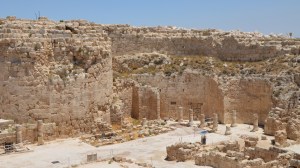
This year’s excavation at Tel es-Safi (the Philistine city of Gath) reached a layer that dates to the 11th century BC, the time of King David. The walls of this layer are 13 feet thick, twice as thick as previously excavated walls from the 10th and 9th centuries. Archaeologist Aren Maier called it the “Goliath layer,” after the city’s most famous resident of the time.

6) Loaves and fishes mosaic

Archeologists uncovered a mosaic in the ruins of a Byzantine church, built around AD 450 in the Decapolis city of Hippos Sussita. The church, overlooking the eastern shore of the Sea of Galilee, was destroyed by invaders in AD 614. This scene of Jesus feeding the 5,000, found in an unexpected location, may have something to say about where that miracle took place. The traditional site of the feeding of the 5,000 is further north.

5) A seal “Belonging to Ga'alyahu son of Immer”

As the Temple Mount Sifting Project reopened in a new Jerusalem location, researchers announced the discovery of a clay seal impression (bulla), identifying it as “the first readable ancient Hebrew inscription found on the Temple Mount.” The priestly family of Immer served in the temple (1 Chron. 24:14). Pashur, son of Immer, is called the chief official in the temple of Yahweh, when he had Jeremiah beaten and put in the stocks (Jer. 20:1–2).

4) A seal “Belonging to Adonijah, Royal Steward”

Another bulla, announced this year, was found in sifted material taken from under Robinson’s Arch at the southwest corner of the Temple Mount in 2013. It has been dated to the 7th century BC. Three men in the Old Testament are named Adonijah, including a son of King David. But none of them lived in the 7th century, so this is a fourth Adonijah. The position of royal steward is known from several biblical texts.

3) A seal of “Natan-Melech, the king's servant”

This bulla was found in the Givati parking lot excavation, the largest ongoing excavation in Jerusalem (since 2007). Archaeologists recovered it from the ruins of a building that was probably destroyed during the Babylonian destruction of Jerusalem in 586 BC. In 2 Kings 23:11, Nathan-Melech is described as an official in the court of King Josiah. The phrase “Servant of the King” appears often in the Bible and on bullae.

2) Kiriath Yearim identified as Emmaus

In the story of Jesus and the two disciples on the road to Emmaus in Luke 24:13–34, the location of Emmaus is described as 60 Roman stadia from Jerusalem, which translates to 7 miles. For centuries, scholars have tried to pin down the location of Emmaus. Sites at various distances west of Jerusalem have been proposed, but without archaeological evidence.

Israeli archaeologist Israel Finkelstein, known as a biblical minimalist and Bible critic, offered this new identification based on the Hellenistic-era fortifications his excavation uncovered at Kiriath Yearim. He notes there are two lists of Hellenistic fortified towns around Jerusalem (from the ancient historian Josephus and in 1 Maccabees 9:50). Both of them include Emmaus. Kiriath Yearim is seven miles from Jerusalem.

Kiriath Yearim is mentioned numerous times in the Old Testament, most famously as the place where the Ark of the Covenant was held (1 Sam. 7:1–2) before King David moved it to Jerusalem (1 Chron. 13:5–6; 2 Chron. 1:4).

1) Pilgrimage road opens in Jerusalem

When archaeologists discovered the New Testament-era Pool of Siloam (John 9:7) in 2004 during a sewer repair project, they also discovered the lower end of the first-century street that led up to the Temple Mount. Since then, work has been underway to excavate the street so that Jewish and Christian pilgrims today can walk on the same road that Jewish and Christian pilgrims walked in the first century.

This underground street is not entirely accessible yet, but a ceremony opening part of the street last summer drew the US ambassador, among other dignitaries.

Archaeological work in the city of David area, the oldest part of Jerusalem, is of great interest to both Christians and Jews, but it is also controversial. Many of the residents are Palestinian Arabs, and, despite the efforts of archaeological engineers, some have complained that their homes are being ruined because of the excavations underneath.

Gordon Govier is editor of

ARTIFAX Magazine

and executive producer of The Book & The Spade radio program and podcast.

Church Life

There’s No Shame When a Miracle Doesn’t Come

God didn’t #WakeUpOlive, but the gospel teaches Christ’s solidarity with suffering.

Christianity Today December 27, 2019
RawPixel / Envato

Two-year-old Olive Heiligenthal wasn’t raised from the dead. She fell asleep in her bed two weeks ago, and never woke up.

For six days, Bethel Church in Redding, California, and its followers prayed for Olive to be raised from the dead—singing, dancing, and declaring what they believed was God’s will, following the lead of Olive’s mother Kalley Heiligenthal, who wrote to her more than 250,000 Instagram followers, “Her time here is not done.” In an official statement, Bethel Church’s pastor, Bill Johnson, agreed. The popular but controversial church invited the world to ask God to #WakeUpOlive. But Olive didn’t wake up. Late on Friday, Dec. 20, Bethel Church announced that the family would begin planning a memorial service.

The events raise an important question: How do those suffering understand their pain when no miracles come? When sickness isn’t cured and children aren’t raised from the dead? What happens when our churches, songs, and social media posts place such a strong emphasis on declaring the removal of suffering rather than God’s willing solidarity with it? Shame.

I heard the news of Olive Heiligenthal’s death on the morning of Dec. 16, while I sat letting a Zofran pill dissolve on my tongue to quell the nausea swirling in my body. I had just taken my weekly injection of chemotherapy for what my doctors describe as an incurable disease, one I’ve had for 11 years despite ardent prayer for healing. Bethel’s pastor, Bill Johnson, believes it is always God’s will to heal. So where does my life fit within God’s will?

On his website, Johnson states, “How can God choose not to heal someone when He already purchased their healing?” Johnson continues, “He already decided to heal … There are no deficiencies on His end … All lack is on our end of the equation.”

I live in the tension of a body that, to many who follow this thinking, appears to contradict God’s plan, chained to lifelong chemotherapy and immunotherapy perhaps because I have not accessed enough of the Spirit’s power.

I dwell in the mystery that here—in this broken body, in the center of my deficiency—I’ve most come to know the presence of Christ (Rom. 8:17). My body hasn’t been a barrier to knowing the miracle of God’s love; it’s been the brutal, beautiful place where I’ve found I’m already united to the God who came and is coming again.

As a therapist, I’ve counseled many clients whose diseases and disorders have not been healed—people who live with lifelong depression, pernicious anxiety, far-reaching effects from trauma and abuse, and autoimmune diseases that fill each day with pain. Despite all the determination and devotion in the world, they cannot eliminate their fragility with faith.

As I mourn for the Heiligenthal family, I also grieve for Christians who feel shackled by the shame of not receiving a miracle, who remain confused rather than comforted. We live in the tension of believing miracles happen while understanding that they’re not guaranteed.

But the seedbed of our renewed hope is not simply declaring victory over death; it is finding God weeps with us in sorrow. Shame happens when we largely treat suffering like a problem to fix rather than a story to tell.

Hearing the story of Olive, author Shannan Martin reflected on the shame of realizing as a kid that her faith wasn’t effectual to resurrect a friend’s body, “When I was young another child close to me died and there was a lot of energy around praying for his resurrection. When it didn’t happen, it was because ‘someone’s faith was not strong enough.’ I knew I was the one. I was 8 years old.”

Psychiatrist and trauma expert Judith Lewis Herman has written that “Shame is always implicitly a relational experience.” As researcher Brené Brown has described, shame is the felt sense that we are bad, that there really is something wrong with us.

According to psychiatrist Curt Thompson, shame hijacks our bodies, disintegrating the lower and upper regions of our brains, disconnecting us from the parts of ourselves God made to help us access hope, meaning, and trust.

As Thompson has elucidated in The Soul of Shame, shame is the primary biological force that evil uses to disrupt and disconnect us from one another and the reality of God’s love. When our faith isn’t strong enough to remove suffering or conquer death, we often feel deep shame over our insufficiency, an experience that gets reinforced by Christian culture’s over-emphasis on the power of faith to produce healing. Suffering is often treated like something worth praying away rather than a meaningful experience through which we might all better know the God who chose to suffer. When suffering lingers, we often become isolated in shame, suffering silently and privately instead of being pitied or further shamed by endless prayers for healing.

As I’ve previously explored for CT, God wired our brains to need one another. Faith is an embodied experience shaped by the worshiping, lamenting, imperfect bodies around us. Through what psychologists have described as social cognitive extension, our faith is enhanced and formed—or perhaps, malformed—by the mental network existing in the physical presence of other believers, the practices and liturgies by which we worship God, and even the messages we encounter and share across social media.

When Christians predominantly focus our faith on signs and wonders, we are discipled to view our physicality and places of pain, including disease and death, as problems God can fix rather than places he is already present. Perhaps our faith shackles rather than shelters, without our awareness, when we resist being held in the tension between the cross and resurrection, preferring rescue to resilience and miracles to the mundane. A faith that declares and demands immediate relief and resurrection when God has already promised the redemption of our bodies when Jesus returns (1 Cor. 15:20-28).

Shame rises and takes shape in the spaces between us—whether in church, private conversations, or on social media—whispering that stories where God sustains us in sorrow aren’t as worth telling or living as the stories shining with wonders. The good news is grace rises in the space between us too.

The space we hold to bear witness to weakness and death rather than simply declaring their removal directly shapes every saint’s maturity to behold our Living Hope (1 Peter 1:3-9). Brown’s shame resilience theory, which is based on extensive interviews with 215 women, has profound implications for the church. We become resilient not by denying the reality of brokenness or our feelings of vulnerability and shame but by naming them within relationships of safety and empathy. When we create space to lament and to tell our stories in the context of empathy and safety, our brains are rewired toward health.

A theology like that of Bethel Church seeks and declares power and authority in Christ in order to bring the kingdom of God. Declaring power over death is alluring—suffering and death do sting. But the demonstration of God’s love wasn’t a seizure of power by proclamation but a surrender of status. God became human, with eyes that would cry, blood that would spill, and a heart that would stop beating, to show us love that will last (John 1:14). Faith is not bypassing our broken bodies by exerting the majority of our emotional energy powerfully pleading for healing or resurrection or dutifully analyzing what sin caused our suffering or purpose God has in our pain.

Christ’s descent is the real pattern Scripture gives us for living in the middle of a story where victory is certain but unfolding. Christ comes right in the midst of our pain and powerlessness so we can know his presence. When we belong to Jesus, the paradoxical path to flourishing is finding our weakness where God’s power is perfected (2 Cor. 12:9).

The gospel offers a better story than power, read not simply in black letters on white pages, but in the bodies of believers, words made flesh in the places of our powerlessness. The seeds of Christ’s life and resurrection are planted in the sowing of shared tears and the resonance that happens when one right brain communicates empathy to another. Grace rises and reaches toward us, not only in power but in the space of grief between us.

Ours is a God of the miraculous and the mundane. I pray that as we share in the grief of the Heiligenthal family and their community, we will be strengthened with clarity and conviction that God doesn’t only save—he sustains.

K.J. Ramsey is a therapist, writer, and recovering idealist who believes sorrow and joy coexist. Her first book, This Too Shall Last: Finding Grace When Suffering Lingers, releases with Zondervan in May 2020 and is available for preorder now.

Apple PodcastsDown ArrowDown ArrowDown Arrowarrow_left_altLeft ArrowLeft ArrowRight ArrowRight ArrowRight Arrowarrow_up_altUp ArrowUp ArrowAvailable at Amazoncaret-downCloseCloseEmailEmailExpandExpandExternalExternalFacebookfacebook-squareGiftGiftGooglegoogleGoogle KeephamburgerInstagraminstagram-squareLinkLinklinkedin-squareListenListenListenChristianity TodayCT Creative Studio Logologo_orgMegaphoneMenuMenupausePinterestPlayPlayPocketPodcastRSSRSSSaveSaveSaveSearchSearchsearchSpotifyStitcherTelegramTable of ContentsTable of Contentstwitter-squareWhatsAppXYouTubeYouTube