Just days after the death of a loved one last year, I had to travel halfway across the country for a conference. Because I carry grief in my stomach, I couldn’t eat. Weakness from not eating combined with the usual exhaustion from travel had me feeling sick. At a lunch meeting, couldn’t bring myself to explain why I wasn’t eating; the grief I bore was the kind that dare not speak its name.
The beloved who had died was my dog.
If I had been mourning the death of a person, my life would have been understandably put on hold. I wouldn’t have been expected to go to work the day following her death. I could have cancelled my trip. I wouldn’t have found myself sitting at lunch with two editors, trying to force down a bit of soup and a couple forkfuls of salad while staidly trying to keep my game face on.
When a family member dies, the bereft are offered sympathy, support, and condolences, from meals and visits, to cards and flowers, to the funeral service, burial, and beyond. Not so when the family member that dies is a pet.
When we mourn the loss of a pet, we mourn alone. We go to work, we have our lunch meetings, and we come home. Perhaps we share our grief privately with other members of the household, but not, generally, with the world. No cards in the mailbox. No meals dropped off. No obituary in the newspaper.
I’m not going to argue that it should be otherwise. Nor will I argue that the death of a pet should be treated with the same moral, emotional, or social weight as the death of a person. It should not. But this kind of grief—the inconsolable grief that comes from losing a much-loved non-human companion—does have much to teach us about our humanity, our Creator, our relationship with both him and his creation, and his love for us.
The love for our pets is strong and real. In fact, research has shown that for many people, the experience of losing a pet to death can be “far more intense” than the death of a relative. This shouldn’t be surprising, considering how much more our pets can be part of our daily rhythms and routines than family members who don’t live with us—often more than some of the people who do live with us.
By every indication, pets play a central part in most American homes today. Americans spend $52 billion annually on pets. According to the United States Department of Labor, in 2011, households spent more on their pets annually than on alcohol ($456), residential landline phone bills ($381), or men and boys clothing ($404). The average household spending on pet food alone was $183, more than the amount spent on candy ($87), bread ($107), cereal ($175), or reading materials ($115). Even the pet bereavement aspect of pet ownership has become an industry unto itself and includes pet cremation services, pet cemeteries, memorials, and, alas, after-the-rapture pet care.
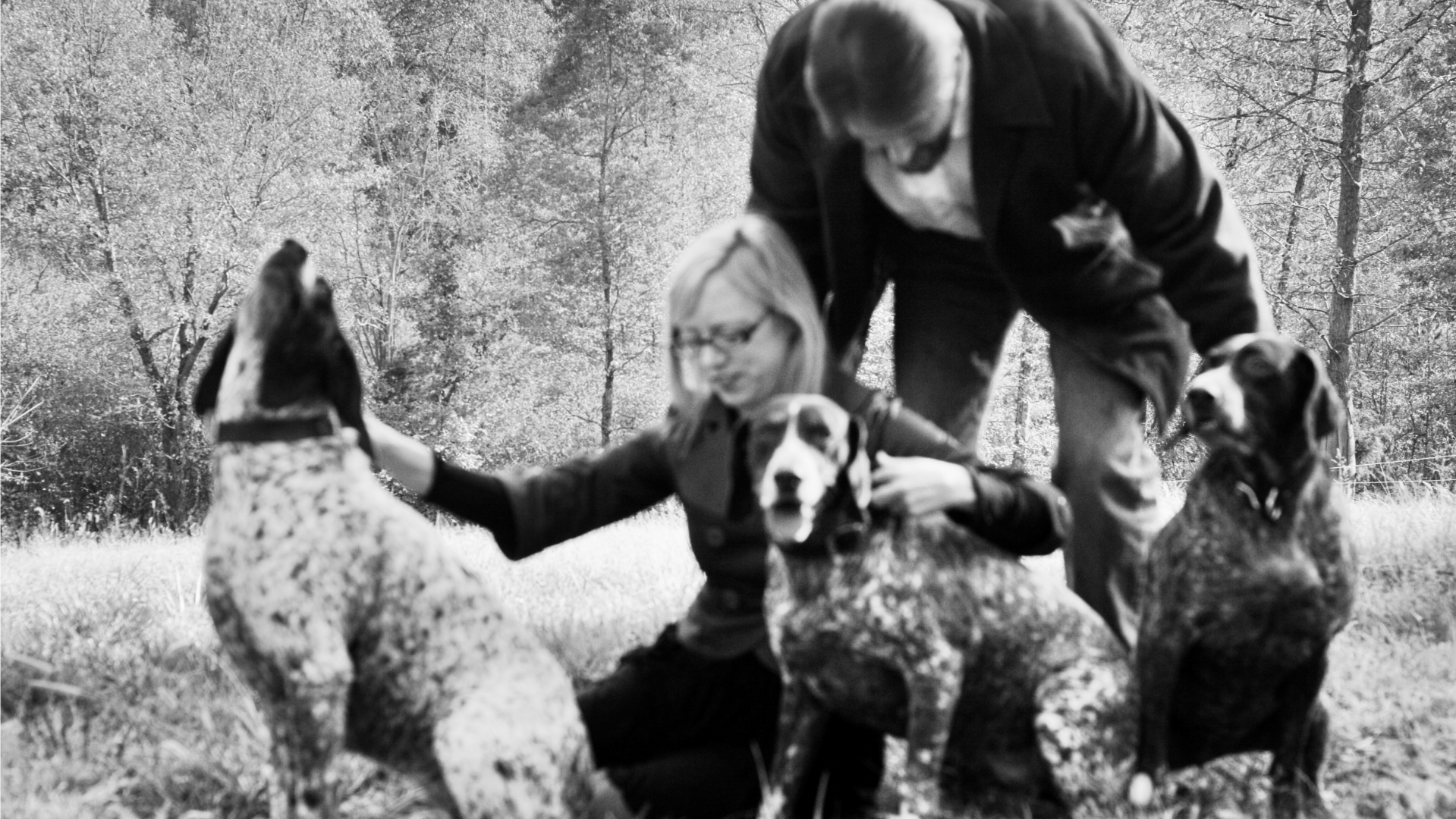
But the grief I felt over losing my beloved Belle was not to be assuaged by rites or shrines. We merely left her remains at the veterinarian’s office when the lethal act of kindness had been done. And now, yet again, we have done likewise, days ago, with the passing of yet another old friend. We are not sentimental people, my husband and I. But we are grieving.
In an essay for The Other Journal a few years ago, theologian Stephen Webb wrote movingly about his love for his little dog, Marie, and the pain of her death. Webb captures, I think, some of the mystery of this love we have for animals:
She was pure, unbounded love, and gave me permission to give the same. All of this seemed to suggest something of the category of grace to me, yet our relationship, under the skeptical eyes of my friends, also struck me as terribly transgressive.
In Marie’s eyes I saw the glimmer of freedom, the first movements of spirit emerging from matter, wounded by what we humans had demanded of her species. Her eyes demanded responsibility, and even more, mutuality.
Some, as Webb notes, would take such extravagant puppy love to task. Several years ago, here at Her.meneutics, Kay Warren reminded us that “Puppies Aren’t People” and urged readers to choose child sponsorship with their donation dollars rather than animal welfare causes. But God’s is not an either/or economy, but a both/and. After all, the same God who sent his only son to die for humankind does not let one sparrow fall to the ground outside his care.
For some of us, the love we have for our pets, and the necessary grief that comes with their short lives increases the love we have to offer the world. “The misery of keeping a dog is his dying so soon,” Sir Walter Scott observed. “But, to be sure, if he lived for fifty years and then died, what would become of me?” The sheer gratuitousness of the love we give and receive from animals offers both a picture of and portal into the infinite, gratuitous love of God.
Animals show us what our own fragility looks like before God. When we mourn these lesser creatures, we taste, I think, a bit of God’s sorrow over us in our human frailty. When we love fellow humans, we love as equals. When we love an animal, we bring with that love all the might and grace of one both in and above the world of that creature. It is like the love God has for us, with all the joy and grief we bring him. As human is to divine, so animal is to human. I think perhaps we are no more like God than when we love an animal.