Read Jeremiah 31:31–34
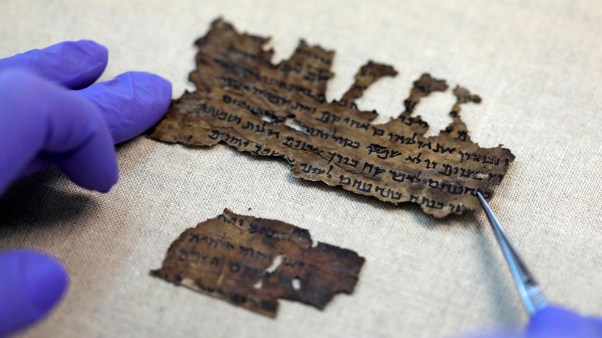
THE PROPHET JEREMIAH writes from a social, political, and spiritual landscape cramped and dark, like falling into a pit, humid and heavy with the weight of regret. His words, the message from God, match the tone. Read any part of Jeremiah’s prophecy and you’ll see the theme: the failure of God’s people. They couldn’t keep their part of the covenant God made with them, and the young prophet delivers God’s response with unflinching force. Right in the beginning, Jeremiah’s earliest vision establishes what will follow: “From the north disaster will be poured out on all who live in the land” (Jer. 1:14).
Like Moses before him, Jeremiah initially protests the work God has called him to do, proposing his age as a disqualifier (Jer. 1:6). By traditional accounts, Jeremiah heard the call from God around 627 BC, which makes him something like 20 years old when the book opens. For 40 years, he continues warning of a disaster from the north.
Not unlike the time of the judges, God’s people are once again caught in a vicious, self-induced spiral of breaking their commitments to God and seeking vindication and consolation anywhere and everywhere else. Jeremiah delivers news of God’s wrath, and he prophesies about the ways God will respond to the people’s unfaithfulness.
The disaster arrives in 587 BC as Babylon destroys Jerusalem, bringing swift destruction to what had been eroding for centuries. Like a flood, the prophesied pouring-out wipes out God’s dwelling place in the land of Israel—an undoing of creation.
You could fairly assume that for a person like Jeremiah—an Israelite from Benjamin’s tribe—these were times more dire than what we see in Judges. That was before David, before the temple. With the breaking of Jerusalem, David’s kingdom washed away in a flood of Babylonian destruction. Jeremiah occupies this undone space.
Jeremiah hears from God not to take a wife or have children. At this point in history and within this Israelite culture, you’ll find no category for a single, childless man. One Old Testament scholar, Joel R. Soza, even suggests that the concept of a bachelor is so incomprehensible that there exists no word in the Hebrew language to describe it. The idea is that Jeremiah doesn’t just carry news of Israel’s tragedy, he not only occupies that place, but he actually embodies the undoneness of it all. Something laden with potential, now barren.
Jeremiah 31 is a common reading in the Christmas season. The familiarity of the passage might mean we miss the force of its words, and that this message of a new hope passed through chapped lips. Sometimes, those of us on this side of history merely nod at parts of the old stories with which we’d do better to sit. That’s part of the waiting period, of Advent.
This is the prophet who inhabits an unfaithful land, who delivers God’s harshest judgments, who feels them, and who endures long enough to say these words:
“The days are coming,’ declares the Lord, ‘when I will make a new covenant with the people of Israel.’” (Jer. 31:31)
Jeremiah tells a shattered people that, one day, God will again draw near. And this time, his ways will be written on hearts and he will be known beyond instruction. He will forgive and will establish a new covenant, one freed from the actions and inactions of men, one that begins a return to peace and fruitfulness, to Eden. Though dim still, it brightens.
Aaron Cline Hanbury is a writer and editor.
This article is part of A Time for Wonder, a 4-week devotional to help individuals, small groups, and families journey through the 2024 Advent season. Learn more about this special issue that can be used Advent, or any time of year at http://orderct.com/advent.