
Books
Review

Has Faith Gone Out of Fashion?

A symposium on Christian Smith’s book Why Religion Went Obsolete.

Rocks and buildings crumbling
Illustration by Micha Huigen

In this series

On its face, the term obsolete can sound like an insult. We apply it to technologies, ideas, and institutions that fall out of fashion, often with a mocking air (“Okay, boomer”) or a snarl of disgust (“Good riddance”).

Why Religion Went Obsolete: The Demise of Traditional Faith in America

Why Religion Went Obsolete: The Demise of Traditional Faith in America

Oxford University Press, USA

440 pages

Christian Smith means nothing pejorative with the title of his latest book, Why Religion Went Obsolete: The Demise of Traditional Faith in America. Popular ridicule of religious belief (and believers) certainly factors into the story he tells. But Smith, a distinguished sociologist best known for studying spirituality among teenagers and young adults, has more in mind than atheist attacks and secular sneers.

Why Religion Went Obsolete looks for explanations beneath recent portraits of religious decline. Why have rates of belief and affiliation plummeted among younger Americans? Smith’s answer lies in the development, over decades, of a “Millennial zeitgeist,” his term for the fierce cultural winds whipped up by a perfect storm of social, technological, economic, and political disruptions, all compounded by the failures and misdeeds of religious leaders and organizations. Even if those winds are weakening, Smith suggests, they’ve succeeded in conditioning younger generations to view religion the way digital natives might view a landline phone.

As Smith stresses, obsolete isn’t a synonym for theologically untrue or morally harmful. “Something becomes obsolete,” he observes more prosaically, “when most people feel it is no longer useful or needed because something else has superseded it in function, efficiency, value, or interest.” People don’t relinquish older phones in a rush of hatred or condemnation. They do so because peer groups, product lines, and communications networks nudge them toward the newer model. They flow with the cultural tide.

Smith sees similar patterns playing out among millennials and Gen Zers who reject religion. Yes, some leave in anger. Plenty can cite intellectual and moral objections. But most, perhaps, simply gravitate toward worldviews, lifestyles, and communities that better align with their cultural assumptions.

Because the book reaches into so many subjects and scholarly fields, CT invited three reviewers to assess it from different angles: a political scientist (to weigh its social science claims), a theologian (to reflect on the underlying cultural currents), and a youth ministry expert (to consider the church’s next moves). This symposium, as we’re calling it, closes with Smith’s own response to the reviews. We hope the entire package inspires fresh thoughts, fruitful debates, and fervent prayers for all who brave cultural headwinds to make disciples.

Matt Reynolds, CT senior books editor

Also in this series

Also in this issue

It's easy to live in a state of panic, anxiety, and fear, from the pinging of our phones to politics and the state of the church. In this issue, we acknowledge panic and point to Christian ways through it. Russell Moore brings us to the place of panic in Caesarea Philippi with Jesus and Peter. Laura M. Fabrycky writes about American inclinations toward hero-making. Mindy Belz reports on the restorative work of Dr. Denis Mukwege for rape victims in Congo. We’re also thrilled to give you a first look at the Global Flourishing Study, a multiyear research project about what makes a flourishing life across the globe. While panic may be profitable or natural, we have a sure and steady anchor for our souls in Jesus.

News

Inside the Crowded Hospital Full of Congo’s Rape Victims

Mindy Belz

Right-Size Your Fear

News

Pentecostal Woman Presides at The Hague

Hear Our Prayer Amid Violence

Kimberly Deckel

What Do We Want from Dietrich Bonhoeffer?

Laura M. Fabrycky

Stories from the ‘Sandwich Generation’

Former VP Mike Pence’s Conversation with Russell Moore

The Christian Schools That Cried Wolf

Plein Air Prayer

Jocelyn O’Leary

Setting Our Scopes on Things Above

S. Joshua Swamidass

How the Nicene Creed Became Cool Again

A Splintered Generation

Skyler R. Flowers and Michael Graham

Qualms & Proverbs

Should I Talk to My Kids’ School About the Pledge of Allegiance?

Beth Moore, Kevin Antlitz, and Kiara John-Charles

Love Bids Our Anxious Fears Subside

Public Theology Project

The Problem of Panic

Testimony

The Gospel Comes for a Neo-Nazi

Caleb Campbell

Review

The What and the Why of Religious Decline

Ryan P. Burge

Review

Young Nones Might Not Hate Religion. But They Don’t Like the Vibes.

Michael Horton

Review

The Upside to Religious Obsolescence

Kara Powell

The Key Lesson of My Book: Don’t Underestimate ‘Deep Culture’

Christian Smith

News

Measuring the Good Life

Brendan Case, Katelyn N. G. Long, Tyler J. VanderWeele, and Byron R. Johnson

View issue

Our Latest

Review

Gen Z Women Are Not Commodities

Elise Brandon

Freya India’s book Girls wants to fix young women’s consumption habits—and the way our culture consumes us.

Excerpt

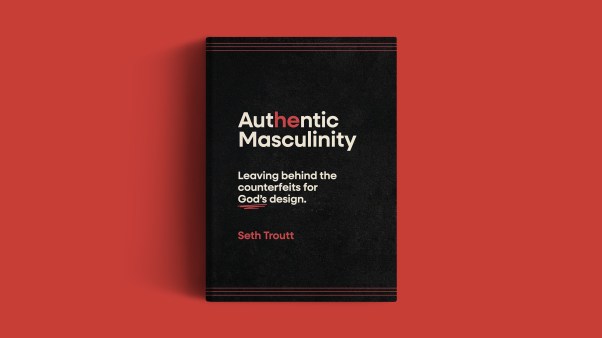
5 Ways to Forge Male Friendships That Last

Seth Troutt

An excerpt from Authentic Masculinity: Leaving Behind the Counterfeits for God’s Design.

Not Everything Is Christian Nationalism

Automatically hurling this accusation at believers who raise questions about Islam or other issues is intellectually lazy.

The Bulletin

Voting Maps, DHS Funding, Troops in Europe, and Reclaiming ‘Evangelical’

Supreme Court rules on voting maps, DHS shutdown ends, Trump reevaluates troops in Europe, and the controversy over ‘evangelical.’

Inside the Ministry

Discover a New Way to Read, Reflect, and Connect

The Christianity Today app is a curated, personalized, and mobile-friendly way to stay informed on faith, culture, and the world.

Review

Review: Angel Studios’ ‘Animal Farm’

Spinning a happy ending for George Orwell’s dire warning about communism, this film can’t decide if it’s a serious commentary or a collection of fart jokes.

News

Courts Briefly Pause Abortion by Mail, Then Allow It to Resume

After a lower court froze telehealth access to abortion drug mifepristone, the Supreme Court temporarily restored mail-order pills while it plans to consider the case.

Agentic AI Isn’t Laborsaving If You Don’t Know How to Sabbath

A. Trevor Sutton

New tech promises to do our work for us. But it can’t replace our need for rest in God.

addApple PodcastsDown ArrowDown ArrowDown Arrowarrow_left_altLeft ArrowLeft ArrowRight ArrowRight ArrowRight Arrowarrow_up_altUp ArrowUp ArrowAvailable at Amazoncaret-downCloseCloseellipseEmailEmailExpandExpandExternalExternalFacebookfacebook-squarefolderGiftGiftGooglegoogleGoogle KeephamburgerInstagraminstagram-squareLinkLinklinkedin-squareListenListenListenChristianity TodayCT Creative Studio Logologo_orgMegaphoneMenuMenupausePinterestPlayPlayPocketPodcastprintremoveRSSRSSSaveSavesaveSearchSearchsearchSpotifyStitcherTelegramTable of ContentsTable of Contentstwitter-squareWhatsAppXYouTubeYouTube