Church Life

Not as Those Who Have No Hope

End-of-life decisions are wrenching and ever more medically complex, but we can honor both God and our loved ones as death nears.

Christianity Today January 17, 2024
Illustration by Mallory Rentsch Tlapek / Source Images: Unsplash / Getty

When Roger, a gentleman in his late 80s, arrived in the ICU, he was already suffering from the end-stage effects of multiple diseases. His health had so declined that even reading the Bible proved difficult. Already worn from illness, he agreed to an attempted resection of his cancer only to please his family, and he urged his wife not to allow CPR or a ventilator if he worsened after the operation. “I want you to let me be with God when he calls me,” he told her.

Tragically, after the surgery his lungs failed. In accordance with his wishes, rather than proceed with a ventilator, his care shifted to a focus on comfort. His wife spent that evening by his side, caressing his hand, praying over him, and singing to him softly.

But later that night, the couple’s estranged son stormed into the ICU. “You’re not going to kill my father!” he shouted at the staff. “I know my dad. He was a God-fearing man who until six months ago went to church every Sunday. He would not be okay with this!”

The heart-wrenching situation of Roger’s family is frightfully common. The shroud of medical technology that surrounds death increasingly confronts families with baffling dilemmas about end-of-life care. Up to 70 percent of people cannot vouch for themselves at the end of life, and in such cases the burden of decision-making falls to loved ones, many already reeling with fear and grief. The toll on families is heavy; loved ones often suffer from depression, anxiety, and even PTSD for up to a year after making end-of-life decisions.

As only one-third of Americans have an advance directive, most families navigate these conflicts rudderless. Those of us who follow Christ instinctively lean into our faith to guide us through such tempests, but the landscape of dying in the hospital is so foreign that, as with Roger’s family, we may struggle to apply the truths we proclaim every Sunday to the harsh realities at the bedside.

How do we honor both God and our loved ones in end-of-life decisions, when every path seems fraught with heartache?

Although the Bible doesn’t mention ventilators or CPR, it remains a lamp to our feet and a light to our path (Ps. 119:105). An approach to end-of-life care through a Christian lens mandates reflection on the following key principles:

1. Sanctity of Mortal Life

As beings created in God’s image, we each possess irrevocable value, and the Lord entrusts us with life and commands us to cherish it (Gen. 1:26–28; Ex. 20:13; 1 Cor. 6:19–20). The sanctity of mortal life mandates that we advocate for the unborn and safeguard against physician-assisted suicide. When struggling with an array of decisions about life-supporting measures, out of concern for life we should consider treatments with the potential to cure.

2. God’s Authority over Life and Death

Death persists in this earthly kingdom as the wages of our sin (Rom. 6:23), and until Christ returns, it will overtake us all (Isa. 40:6–8; Rom. 5:12). When we blind ourselves to our own mortality, we risk dismissing the power of his grace in our lives through Christ’s resurrection. Sanctity of mortal life does not refute the inevitability of death or God’s work through and authority over it.

3. Mercy and Compassion

As Christians reflecting on God’s grace toward us in Christ, we’re to extend mercy toward the downtrodden and afflicted (John 13:34; 1 John 3:16–17; Luke 6:36). While ventilators and CPR can rescue people with reversible illness, at the end of life such measures risk suffering without life-saving benefit. Mercy does not justify active euthanasia or physician-assisted suicide, but it does guide us away from aggressive, painful interventions if such measures are futile.

4. Hope in Christ

So vast is God’s love for us that in Christ nothing—not even death!—can pry us from him. Even as we suffer, we savor the promise of the resurrection of the body and the hope of eternal union with God (John 11:25–26; 1 Thess. 4:14). Rather than the last enemy to be feared at all costs, through Christ death is an end to our sins and an entrance to eternal life. Although we die, we are alive in Christ.

To summarize, in end-of-life dilemmas, the Bible guides us to

  1. seek cure when recovery is possible but also
  2. accept death when it arrives,
  3. have concern for suffering, and
  4. all the while cleave to our hope in Christ, who transforms death.

These principles appear stark on paper but tangled and messy at the bedside. A key question can help decipher them: Is the process threatening my loved one’s life reversible? Phrased another way, does treatment promise preservation of life or prolongation of death and suffering?

It’s crucial to clarify that life-sustaining measures are supportive, not curative. Ventilators, CPR, and similar interventions don’t cure disease but rather buy time, supporting organ function while doctors work to treat the underlying illness. To achieve discernment about whether such measures promise to be life-saving or death-prolonging, ask the medical team the following questions:

  • What is the condition that threatens my loved one’s life?
  • Why is it life-threatening?
  • What is the likelihood for recovery?
  • What about my loved one’s previous medical conditions influences the likelihood for recovery?
  • Can the available treatments bring about cure?
  • Will the available treatments worsen suffering with little chance of benefit?

When recovery is possible, pursuing treatment is appropriate. In contrast, when a disease cannot be cured or even improved, aggressive measures can prolong dying and inflict suffering needlessly.

When the efficacy of treatment is ambiguous, the task is even more difficult. The key question to ask is What would my loved one say about the options? Such an approach requires that we view our loved one as God sees him or her: cherished, forgiven, wonderfully made, and unique, with no precise equal on earth (Ps. 139:13–14; Eph. 1:7) As the responsibility staggers our minds, another series of questions can guide us:

  • What matters most to my loved one? What drives him in life?
  • What comments has she made in the past regarding end-of-life care, if any?
  • What are his goals in the short term? For his life in general?
  • What is she willing to endure to achieve those goals? What would she be unwilling to face?
  • How well in the past has my loved one tolerated pain? Dependence? Disability? Fear?
  • If he could speak for himself, what would he say about the current situation?

Such questions aim to bring a loved one’s personality, experiences, and values to light so that, as you make these shattering decisions, you speak for him or her, not for yourself.

Even as you wrestle with grief and uncertainty, when you give your dying loved one a voice, you offer a parting gift. You honor him or her as worthy of love, and in so doing, you serve as Christ’s instrument (John 13:34–35). Remember you serve the One who has already swallowed up death in victory (1 Cor. 15:54). And although for now we groan (Rom. 8:22), he is making all things new (Rev. 21:4–5).

Kathryn Butler, MD (Columbia University) retired from practice as a trauma surgeon to homeschool her children, and is the author of multiple books, including Between Life and Death: A Gospel-Centered Guide to End-of-Life Medical Care and Glimmers of Grace: A Doctor’s Reflections on Faith, Suffering, and the Goodness of God.

Xi Jinping Is Not Trying to Make Christianity More Chinese

The primary goal of Zhongguo hua is not cultural assimilation but political domestication. Yet I’m more confident than ever that house churches will survive.

Christianity Today January 16, 2024
Illustration by Christianity Today / Source Images: WikiMedia Commons

December was the most challenging yet most hopeful month for Christians in China.

Before Christmas, the 11th National Chinese Christian Congress (NCCC) was held in Beijing. The quinquennial congress elected new leaders of the officially sanctioned National Committee of the Three-Self Patriotic Movement and the nominal China Christian Council. Top political advisor and politburo member Wang Huning charged these groups with strict oversight of churches and with maintaining an unwavering allegiance to the Chinese Communist Party (CCP).

Under the party’s instruction, the NCCC passed a new five-year plan to “continue to promote the Chinanization of Christianity and run Chinese churches well in accordance with the socialist society.” Meanwhile, the new and sweeping Patriotic Education Law, which took effect on January 1, requires religious leaders to conduct patriotic education and guide their religion by the socialist principles of the CCP.

Persecution continues to be real

Throughout December, the authorities once again tried hard to contain and curb Christmas celebrations inside and outside churches, prohibited students and others from participating in Christmas activities, and detained some house church leaders to prevent them from organizing congregational gatherings.

Yet most churches, both the officially sanctioned churches and unregistered house churches, held Christmas Eve and Christmas Day worship services. The online evangelistic galas by Beijing Zion Church and other house churches on Zoom and other platforms are of high artistic quality. Christians shared discreetly on social media that church leaders baptized a number of new believers despite the current “bitter winter” for churches in China.

This “winter” started just over five years ago. In December 2018, party-state officials and police shut down Early Rain Covenant Church in Chengdu, detained several church leaders, and, a year later, sentenced its pastor, Wang Yi , to nine years in prison for the crimes of “inciting subversion of state power” and “illegal business activity.” This crackdown was part of the campaign to eradicate jiating (家庭, “house”) church congregations under a new policy on religion.

This policy, launched in 2017 and officially named Zhongguo hua (中国化), is characteristic of Xi Jinping’s reign and is distinct from his predecessors’ “mutual adaptation” and “harmonious society” philosophies. Western media and academia commonly translate this term as “Sinicization,” but this is interpretive, inaccurate, and misleading. Sinicization means assimilation into Chinese culture, especially the language, customs, norms, and national identity of the Han majority in China proper. However, the primary goal of Zhongguo hua is not cultural assimilation but political domestication—to ensure submission to the Chinese Communist party-state.

“When the terminology is incorrect,” as Confucius says, “communication will be hindered.” For this reason, I suggest a more literal translation—Chinafication—for the current Zhongguo hua policy of religion. Some writers have used Chinafication to describe China’s influence in finance and markets or as a development mindset that entails heavy governmental intervention. In short, Chinafication is the religious policy under Xi Jinping that ensures the submission of religions to the party-state.

Church and state in today’s China

Many people in the West may not know that in the Chinese Communist political system, the party’s policy is superior to state laws and trumps the constitution. The Chinafication policy has led to the promulgation of a series of administrative regulations and measures, including the vastly expanded Regulations of Religious Affairs that took effect in 2018.

These regulations require all churches to dissolve unless they register with the religious affairs bureau and submit to the supervision of the Christian Three-Self Patriotic Movement Committee, the extended arm of the party-state control over Protestant Christianity.

Since 2018, Chinese authorities have shut down large congregations of jiating churches that refused to submit, including the well-known Early Rain Covenant Church in Chengdu, Zion Church in Beijing, Rongguili Church in Guangzhou, and Xunsiding Church in Xiamen. The leaders of openly defiant jiating churches have been punished with physical harassment, travel restrictions, heavy fines, eviction of their residences, criminal detentions, and prison terms. Some other jiating church pastors have received prison terms of up to fourteen years.

Instead of either submission or confrontation, most of the jiating churches have resorted to breaking into smaller groups for gathering discreetly. Since the 2000s, some jiating churches have attempted to go public by registering with the government without joining the Three-Self Patriotic Movement Committee so that they can have an open religious life. Now, they have no choice but to return to the underground again.

The Chinafication policy applies to all five major religions that the party-state has allowed to operate legally in the reform era since 1979, including Buddhism, Daoism, Islam, Catholicism, and Protestant Christianity. When Daoism, the only religion that originated in China and remains very much Chinese, must go through Zhongguo hua as well, it becomes even more evident that the policy is not so much about Sinicization but primarily about making the religious organizations submissive to the party-state.

Religious venues are required to raise the national flag and display “patriotic” posters such as “Love the party, love the state, and love the religion.” The Chinafication measures for Christianity and Islam are more extreme, demolishing many churches and mosques and converting some to traditional Chinese architectural styles.

Besides eradicating jiating churches, the Chinafication policy is mainly carried out through religious associations that are under the direct control of the CCP’s United Front Work Department and the State Administration for Religious Affairs (the latter has been folded into the former since 2018). In 2018, each of the five religious associations (Buddhist, Daoist, Islam, Catholic, and Protestant) made a five-year plan to implement the Chinafication policy.

The Protestant committee’s five-year plan includes educating Christian leaders and seminary students about the so-called core socialist values, reinterpreting the Bible in Chinese cultural terms, and preparing to retranslate the Bible. The committee has organized a series of symposiums, preaching contests, and article awards to promote the Chinafication of Christianity.

The word Zhongguo hua has been in the Chinese lexicon since the 1980s, but its meaning has evolved. It was first applied to justify the departure of Chinese Marxism (i.e., Maoism) from the original formulation by Marx, Engels, Lenin, and Stalin, and for Deng Xiaoping’s turning to capitalism under the name of “a socialist market economy with Chinese characteristics.”

However, the only characteristic that has persisted in the reform era is the undisputable position of the CCP as the ruling party. During the thought liberation period in the 1980s and 1990s, some scholars of religion also applied this word to describe the long process of Buddhism becoming absorbed into Chinese culture. Those scholars debated whether Buddhism lost its religious mandate when it became entirely submissive to the imperial authorities in the Song Dynasty (A.D. 960–1279) and after.

However, the rapid rise of Christianity in China alarmed some Communist officials and Marxist theoreticians. They feared that Christianity was becoming the single dominant religion and that it could be the biggest threat to Communist rule, just like the Taiping Rebellion to the imperial rule of the 1850s and 1860s. Militant atheists made fierce attacks on the religious affairs governance department for its lapse of control. Academic research on Christianity in China, which is also under the leadership of CCP, seemingly offered a tacit endorsement of tighter government control.

Around the time when Xi Jinping ascended to the top position of the party as general secretary in 2012, some Chinese scholars of religion, such as Zhang Zhigang, a professor of religious studies at Beijing University, and Zhuo Xinping, the director of the Institute of World Religions at the Chinese Academy of Social Sciences, made public calls for Christianity to change toward Zhongguo hua.

They argued that indigenization, localization, or contextualization of Christianity was inadequate and misguided in addressing the severe challenges in China. Instead, they said Christianity must Zhongguo hua—that is, must be domesticated—just like Buddhism in the past. They suggested sending Buddhist scholars and monks to Christian churches to teach about their successful history of Chinafication.

The religious affairs officials responded to their calls enthusiastically, and the Christian Three-Self Patriotic Movement Committee leaders consented. After a few years of experiments and concerted efforts by Marxist theoreticians, religious affairs officials, and Three-Self church leaders, Xi Jinping adopted this slogan for the first time in 2015. At the National Conference on Religious Work in 2016, Xi asserted that all religions must move toward Zhongguo hua. Ultimately, Xi sealed it as the characteristic of his religious policy at the 19th Congress of the Chinese Communist Party in 2017.

After that, all factions of the party-state and academics, including militant atheists, fell in line. However, their interpretations of Zhongguo hua vary widely. While the interpretation of hardliners for domestication has prevailed in policy implementation in the last five years, others have been emphasizing cultural understanding. Some scholars have even turned the crisis into opportunities, such as expanding classical studies or comparative research on the holy scriptures of multiple religions.

Richard Madsen, a sociologist of religion at the University of California San Diego, distinguishes two kinds of Sinicization, arguing that the Sinicization from below, as initiated by believers, has been happening all along. In contrast, the Sinicization from above, as campaigned by the state, has always had the particular political agenda of the ruling party. I believe it will reduce confusion if the latter kind is translated as Chinafication.

Chinese Christians, either in the officially approved Three-Self churches or underground jiating churches, do not oppose the real Sinicization of Christianity, including the cultural assimilation, social indigenization, and theological contextualization of Christianity in contemporary China.

They have made substantial achievements, including the effective use of the modern-day Chinese language, the selective adoption and transformation of traditional customs, and the reinterpretation of Chinese traditional spiritual terms and notions in light of Christianity.

My recent CT piece recommending five books on the Sinicization of Christianity in China are only a tiny sample of writings documenting the development. As a matter of fact, Christianity has been so well Sinicized that it has become appealing to ever more Chinese people. Within decades, China will likely have more Christians than any other country.

The future of Chinese house churches

More than a year has passed since Xi started his third term in October 2022. The initial five-year plans of the national religious associations expired. Not until mid- or late December 2023 did the religious associations release the second set of five-year Chinafication plans. The new Christian plan begins with a preamble about limited progress in implementing the previous five-year plan, including insufficient attention, superficial responses, and a lack of capable people equipped with enough knowledge of Chinese traditional culture to do scriptural expositions. The new plan includes a long list of measures for implementing Chinafication. What measures will be enforced in the coming years remains to be seen.

Five years ago, I asked this question in Christianity Today: “Will Chinese house churches survive the latest government crackdown?” My answer now, based on my observations, is a resounding yes.

Indeed, it has become extremely difficult for jiating churches to hold in-person congregational worship services with attendance in the hundreds, but not impossible for attendance in the dozens. The desire to congregate is so strong that some jiating churches have resorted to a guerrilla strategy of changing the worship venue frequently. Their gatherings, if found out by the police and religious affairs officials, may be disrupted and dismissed. Their leaders may be detained or fined. However, they have held on to the teaching of “not giving up meeting together” (Heb. 10:25).

Meanwhile, many jiating churches have maintained and expanded online worship services and prayer meetings before, during, and after the COVID-19 lockdowns. I have seen many Christian meetings on Zoom with hundreds of participants, sometimes in the thousands. More importantly, they have continued to baptize new believers and plant new churches.

In the 1980s and 1990s, Chinese Christians in rural areas held daily prayer meetings at 5 a.m. Those prayer meetings are believed to have fueled the revivals that swept the vast land. Now, Early Rain Covenant Church in Chengdu, in addition to its Sunday worship services and evangelistic meetings, has organized an online daily prayer meeting at 5 p.m. Pastor Wang Yi and other prisoners usually get their yard time then, and are thus able to pray simultaneously with those outside the prisons.

More and more people in other parts of China and beyond have joined the 5 p.m. prayer meeting. They believe the concerted fervent prayers will change hearts, minds, churches, communities, nations, and the world.

Fenggang Yang is a professor of sociology and the founding director of the Center on Religion and the Global East at Purdue University. He is the author of Religion in China: Survival and Revival under Communist Rule.

News

Haley and DeSantis Set Their Sights on Surviving

On the heels of a disappointing showing in Iowa, Trump’s rivals are in the make-or-break weeks of their campaigns.

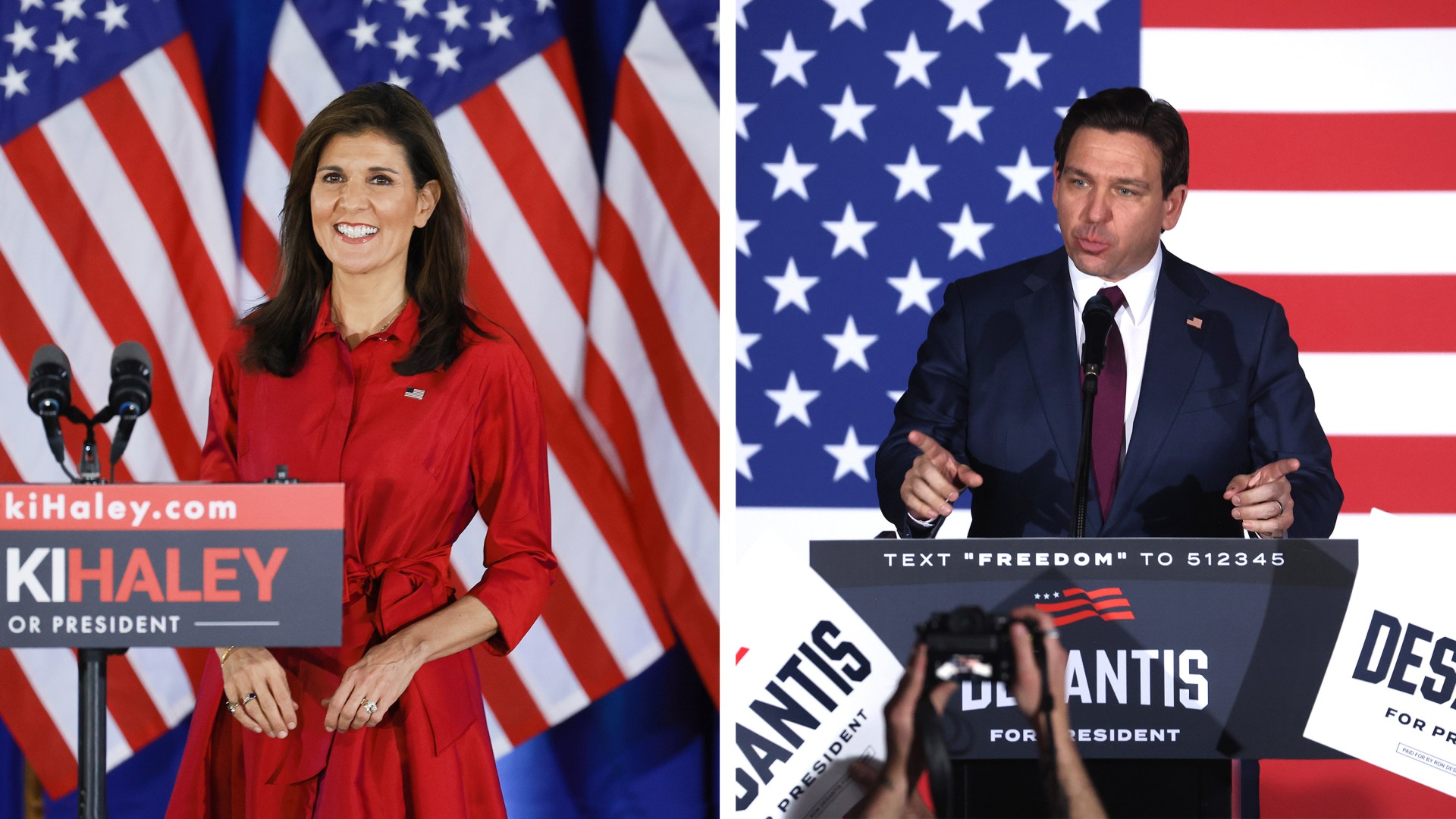
Nikki Haley and Ron DeSantis

Nikki Haley and Ron DeSantis

Christianity Today January 16, 2024
Edits by Christianity Today / Source Images: Getty

Donald Trump’s blowout win in Iowa left both Nikki Haley and Ron DeSantis, who declared they’d continue their race for the 2024 GOP presidential nomination, to do their best to spin the outcomes in a positive direction.

“We got our ticket punched out of Iowa,” DeSantis told supporters. “I am not going to make any excuses and I guarantee you this: I will not let you down!”

DeSantis, who spent big in the state and traveled to all 99 counties, outperformed his polls, but the Florida governor only bested Haley by a middling two points and fell far shy of Trump at 21 percent of the votes.

“Given where DeSantis started the campaign last spring, and the time and money he spent in Iowa, his performance was devastating,” said Mark Caleb Smith, a Cedarville University political science professor.

DeSantis didn’t perform as well with white evangelicals as he had hoped, with Trump holding on to half of all votes and taking a majority of the evangelical Christian bloc.

“It is fascinating how they’ve come to put such trust and hope into Trump,” said Smith. “They’ve rationalized—justified—that Trump is the one that is kind of this instrument of God. He’s the King Cyrus, right, that’s going to ‘look out for us, even though we don’t necessarily embrace his own personal piety or lack thereof.’”
Trump’s 30-point margin was enough for two candidates to drop out. Entrepreneur Vivek Ramaswamy, who garnered 7.7 percent of the vote, read the political winds and, just a few hours into the night, suspended his campaign and endorsed Trump instead. Former Arkansas Gov. Asa Hutchinson also rolled up his campaign after winning 0.2 percent of the vote.

Haley, the former South Carolina governor and Trump-era United Nations ambassador, prevented the former president from capturing every single county by a sole vote, but she finished third overall.

In her speech after the caucuses, Haley declared the primary a “two-person race,” leaving some to wonder if her staff failed to rewrite a draft from an expected second-place win. But strange as it seems for someone who finishes third, political watchers said she may have a point.

With DeSantis’s second-place finish, “three tickets were punched out of Iowa,” Jeff VanDerWerff, a political science professor at Northwestern College, a Christian school in Orange City, Iowa, told Christianity Today. “But with DeSantis already planning to skip New Hampshire, I suspect that it’s already down to a two-person race.”

While the race for second has often been cursory, there are unique dynamics this time around—namely the indictments hanging over Trump’s head—that could give it outsized importance.

“If Trump could not proceed for any reason, the party will need an alternative,” said Wheaton College political science professor Amy Black. “DeSantis and Haley are fighting to be that alternative.”

Entrance polls found that 31 percent of caucus goers would not consider Trump fit to be president if he is convicted, something that could present a problem down the road. But that may not surface for a while.

“They may not play much of a role in the nomination process. I think the general election is where we see a dropoff for Trump if convicted,” said Smith.

A lot will hinge on Haley’s performance in New Hampshire a week from today.

“For her to succeed in defeating Trump, nearly everything has to go right,” Smith said. “She now has very little margin for error.”

One of the things that needs to go right for the former South Carolina governor is a win in the Granite State, where Trump currently has a lead over Haley of around 13 percent, according to FiveThirtyEight’s polling average.

DeSantis is polling at 5.4 percent. Perhaps those numbers informed where each candidate went post-Iowa: DeSantis headed to South Carolina for a campaign stop, while Haley flew straight to New Hampshire.

Haley’s campaign argued in a press release that the rest of the race “now moves to less Trump-friendly territory,” and that for a former president, Trump’s numbers in New Hampshire being only 43 percent are “historically bad.”

Haley’s allies have also pointed to national polling finding that Haley has the biggest edge compared with Trump or DeSantis in a potential face-off with Joe Biden.

Tyler Raygor, senior advisor with Americans for Prosperity Action, a group that endorsed Haley, said that while door-knocking in Iowa, Haley supporters told him that “they know that she can actually win the nomination … everyone has seen the polls with her going head-to-head against Joe Biden. And you're talking about kind of a landslide. A lot of people don't want to take the risk of a close election.”

It seems clear that going forward, Haley doesn’t plan on focusing her fire on anyone else but Trump. She announced Tuesday that she will not skip any more debates that don’t also feature the former president. The debate scheduled Thursday in Manchester, New Hampshire, seems scuttled in light of that change unless Trump has a change of heart.

But Trump has little incentive to reverse course, with his strong showing giving the race a feeling “more like an incumbent presidential campaign than a true primary,” Smith observed. “Trump has universal name recognition and the support of a strong plurality of Republicans. Unless something shifts, this looks like it could be over sooner rather than later.”

Others agreed. “If Trump wins next week,” VanDerWerff predicted, “The Republican nomination will be over.”

Books
Excerpt

Spiritual Formation Is Becoming Like Jesus

Our new year’s resolutions won’t get very far if we neglect the object of our transfiguration.

Christianity Today January 16, 2024
Illustration by Elizabeth Kaye / Source Images: Wikimedia Commons / Unsplash

Spiritual formation is simply the way the human spirit, or self, is formed into a definitive shape—and ultimately how each of us is formed to be like Jesus. In doing so, we become our deepest, truest self—the self that God had in mind when he willed us into existence be­fore time began.

Put another way, spiritual formation is the process of being formed into people of love in Christ. Let’s parse this out—starting by defining what this process entails.

Formation into the image of Jesus is a long, slow process, not a one-time event. There’s no lightning bolt from heaven. Spiritual growth is much like bodily growth—very gradual. It takes place over a lifetime at an incremental, at times imperceptible rate. Yes, we experience periods of dramatic change like birth or a teenage growth spurt, but those key inflection points are the ex­ceptions, not the rule.

As the Regent College professor James Houston often said, “Spiritual formation is the slowest of all human movements.” This is a provocative challenge to our instant-gratification cul­ture; we’re used to fast and faster—the entire world just a swipe of our thumb away. Click the button and get it delivered within hours. But the formation of the human soul doesn’t work at digi­tal speed.

If we lose sight of this, we will either grow discouraged and give up, or settle for mediocre: “Christians aren’t perfect, just forgiven.” (As if the best we can hope for is a little tune-up on the way to the afterlife.) But we cannot lower the horizon of possibility that was set by the extraordinary life of Jesus and the gift of his Spirit. Instead, we must stay with the process for as long as it takes to actualize our destinies.

And this may take a very long time.

Don’t get me wrong; there’s joy to be had all along the way. You could argue that joy is the defining feature of a life organized around God. But it’s rarely the explosive happiness of an emo­tional high, dramatic yet fickle and fleeting. It’s more like a quiet undercurrent that slowly accumulates at the base of your soul, increasingly welling up like a soft melody that, over the years, be­comes the soundtrack of your life.

Being formed

At the same time, formation into the image of Jesus isn’t something we do as much as it’s something that is done to us, by God himself, as we yield to his work of transforming grace. Our job is mostly to make our­selves available. Pick your analogy from Scripture: We’re the sheep, he’s the shep­herd; we’re the clay, he’s the potter; we’re the child in utero, he’s the mother, laboring in the pains of childbirth.

This doesn’t mean we’re off the hook—“Let go and let God.” No, we have a responsibility to cooperate with God’s transform­ing grace. He won’t force it on us. As Saint Augustine said in the fourth century, “Without God, we cannot. Without us, God will not.”

The reason many Christians get disillusioned over their lack of transformation is because they never learned their part in spiritual formation. Many of us make our new year’s resolutions based on our estimate of what we can achieve by our own effort and strength.

But our job isn’t to self-save; it’s to surrender.

When we unmask the human facade of self-delusion, we realize just how utterly unlike Christ we are in the deepest recesses of our hearts. We are forced to confront our true natures—how warped and wounded we really are. “Physician, heal thyself” is a strategy doomed to fail. In that tender place, we all realize, we need help, power, from beyond us. We need grace.

Formation isn’t a Christianized version of “project self.” It’s a pro­cess of sanctification—of being saved by Jesus. An apprentice of Jesus is one who has arranged their life around becoming like Jesus, as expressed through their personality, gender, life stage, culture, ethnicity, and so on.

People of love

But if you had to summarize Christlike character in one word, there would be no competition: love. Love is the acid test of spiritual formation . The single most important question is, Are we becoming more loving? Not, Are we becoming more biblically educated, or practicing more spiritual disciplines, or more involved in church? Those are all good things, but not the most important thing (Matt. 22:37–40).

If you want to chart your progress on the spirituality journey, test the quality of your closest relationships—namely, by love and the fruit of the Spirit. Would the people who know you best say you are becoming more loving, joyful, and at peace? More patient and less frustrated? Kinder, gentler, softening with time, and pervaded by goodness? Faithful, especially in hard times, and self-controlled?

Are you growing in love—not just for your friends and family but for your enemies? When you are hurt, wounded, and treated unjustly (as we all are at times), are you finding yourself increasingly able to emotionally release the bitterness, to absorb the pain and not give it back in kind? To pray for and even “bless those who curse you” (Luke 6:28)? And is all this feeling more and more natural and less forced? More and more like this is just who you are?

If not, then no matter how well you know the Bible, how many books you read, how many resolutions you make, or how many practices you build into your “rule of life,” you’re not on track. Because the telos of the spiritual journey is to become like God, and “God is love” (1 John 4:8). This is why God is Trinity: because God is love and love cannot exist outside relationship. To quote Saint Augustine yet again, “God is (at once) Lover, Beloved, and Love itself.” He is the one who loves, the one who is loved, and the ultimate source of all love.

Love as defined by Jesus is not just an attitude of compassion, warmth, and delight, it’s also an action. It’s agape—to will the good of another ahead of your own, no matter the cost or sacrifice that may require. As Jesus said, “Greater love has no one than this: to lay down one’s life for one’s friends” (John 15:13). This is the cross. And it isn’t just something Jesus did for us; it’s also something we do with him: “This is how we know what love is: Jesus Christ laid down his life for us. And we ought to lay down our lives for our brothers and sisters” (1 John 3:16).

This is where spiritual formation veers in a wildly different di­rection from the self-actualization movement or the Western ob­session with project self: It has an end goal, a telos—it’s designed to form you into a person of agape.

The late Bible professor Robert Mulholland defines spiritual formation as “a process of being formed into the image of Christ for the sake of others,” and he harps on the “for the sake of others” piece. With­out this crucial element, our spiritual formation inevitably devolves into a private, therapeutic self-help spirituality—which is just a Christianized version of radical individualism, not a crucible to burn our souls clean and forge us into people of love like Jesus.

Yes, there is a journey inward and even a self-discovery that are key to Christian spirituality, but it’s followed by a journey outward into love—into action in the world. Our goal is to be formed by Jesus at every level of our beings. But again, we cannot do this alone. There is only one way.

Christlikeness is the result of Christ in us. It’s all grace; it’s always been grace. “Christ in you, the hope of glory” (Col. 1:27). And us in Christ. In fact, “in Christ” is a phrase used all through the New Testament, more than 80 times in Paul’s letters alone.

Theologians call this doctrine “incorporation”—being incorpo­rated, integrated into the inner life of God himself through Christ. Jesus has come to draw us into God’s inner life of Love loving. As the pastor Darrell Johnson put it in his book on the Trinity, to experience this is “to be alive in the intimacy at the center of the universe.”

As Jesus said in John 17, right before his death,

I pray also for those who will believe in me . . . that all of them may be one, Father, just as you are in me and I am in you. May they also be in us . . . I in them and you in me—so that they may be brought to complete unity. Then the world will know that you sent me and have loved them even as you have loved me. (vv. 20–23)

This is the gospel: In Jesus, God has drawn near to us—we who are sinful, broken, wounded, mortal, dying, and incapable of self-saving, with many of us completely uninterested in God or even his enemies—to draw us into his inner life, to heal us by immersing us within the fold of his Trinitarian love, and then to send us out into the world as agents of his love.

Jesus’ invitation to apprentice under him isn’t just a chance to become people of love who are like God; it’s a chance to enter the inner life of God himself. The ancients called this union with God, and it is the very meaning of your human existence for me and for every human on the planet, whether they realize and receive it or not.

This, then, is spiritual formation: the process of being formed into a person of self-giving love through deepening surrender to and union with the Trinity. You’re becoming a person; that much is unavoidable. And you’re going to end up somewhere in life. Why not become a person who is pervaded by the love of Jesus? Why not end up in union with God?

John Mark Comer is the founding pastor of Bridgetown Church in Portland, a teacher and writer with Practicing the Way, and the bestselling author of multiple books, including The Ruthless Elimination of Hurry and Live No Lies.

Excerpted from Practicing the Way: Be with Jesus. Become like him. Do as he did. Copyright © 2024 by John Mark Comer. Published by WaterBrook, an imprint of Penguin Random House LLC, on January 17, 2024.

Theology

The Philippines’ Top 10 Bible Verses

Leaders reflect on what YouVersion’s list of the most-shared Scriptures in their nation includes—and misses.

Christianity Today January 16, 2024
Illustration by Christianity Today / Source Images: Unsplash

Below are the Philippines’ top verses of 2023 as determined by YouVersion. With the help of Langham Partnership, Christianity Today asked three local Bible scholars for their analysis of what the list conveys about the state of Christianity in the Southeast Asian archipelago.

Federico Villanueva, regional commissioning editor, Langham Partnership

What is your overall reaction to this list?

I wasn’t surprised. First, these verses reflect the situation of many Filipinos. In the midst of uncertainties, poverty, and political instability, it is understandable that many FIlipinos are drawn to Bible passages which remind them that God is in control.

He has been there from the very beginning (John 1:1). All things work together for good (Rom. 8:28). And he has a good plan for us (Jer. 29:11). So they do not need to worry (Matt. 6:33) but come to him (Matt. 11:28) and cast their cares on the Lord (1 Pet. 5:7).

Second, these verses reflect the influence of Protestant (particularly American) Christianity with its emphasis on personal spirituality and the concern for holiness in an evil and wicked world (Rom. 12:2).

Given the events of this past year, is there a verse you wish were on this list instead?

I wish Psalm 10:15 was included among the top 10 list of verses in my country, given the presence of wicked men in our country and in the world. But Christians tend not to involve themselves in politics and are more focused on the spiritual and inner needs. One of the reasons why our country is like this is there is a huge gap between what we do inside the church and what is happening in the society and the world.

Psalm 10 is part of a lament. The psalmist is complaining against God for his inaction while the wicked are annihilating the innocent poor. In the midst of the so-called War on Drugs by former president Rodrigo Duterte, the majority of the Christian population, according to a survey, was/is supportive of the deadly war. Most of the thousands of those killed are the poor, who do not have the power or resources to defend themselves. And so the situation is similar to that in Psalm 10. But why are we not lamenting? Why are we not praying that God “break the arm of the wicked” (Ps. 10:15)?

Edgar Ebojo, global translation adviser, United Bible Societies

What is your overall reaction to this list?

Admittedly, the list is something predictable and to be expected given the known contexts Filipinos are in. Whilst at first glance there are some passages that may seem more theologically desirable to have been included, the present passages are in fact very encouragingly realistic, and their relevance is on the spot.

The list says a lot about how reassuring the Word of God is in the daily life journey of any Filipino Bible user … even during the most trying and difficult times. This message is to be expected from a book we call God's Word. These passages simply show how relevant the Scripture is in the lives and contexts of the Filipino Bible users! They show that his Word is powerful, relevant, and true!

What might the verses more unique to the list convey about the Philippines spiritual needs?

These passages are very familiar ones not just because they are more widely used in the Philippine church context than others but because of the extremely intimate message they clearly convey, which does not necessarily immediately require technical expertise to decipher its meaning and its significance to the Filipino Christian faith. They simply are very straightforwardly pointing to Christ—the primary (John 1:1) and central focus of all these passages!

Given our local socioeconomic contexts where there is dire poverty, painful difficulties, and discouraging prospects, these top 10 verses certainly highlight the importance of being assured of the “with-us-ness” of God emanating from Jesus Christ (the living Word) as promised in Holy Scriptures (the written Word). [They offer] assurance that even in a very difficult and challenging journey, God is with us!

In our pains and weariness (Matt. 11:28; 1 Pet. 5:7), in our lack and the apparent absence of provisions on our tables (Matt. 6:33; Phil. 4:6), and in the midst of seeming direction-lessness of life (Isa. 41:10; Jer. 29:11; Rom. 8:28), the call to trust God faithfully and committedly for everything remain a strong conviction in the Filipinos’ worship and service of God (Rom. 12:2; John 3:16).

This assurance [not only] encompasses individual and ecclesiastical concerns but also includes national ones. Simply put, these passages are ultimate Scripture engagement materials!

Given the events of this past year, is there a verse you wish were on this list instead?

Considering our present local socioeconomic and cultural contexts, I do not see any other verses more appropriate than what are already in the list. These are on-the-ground information about how the Word of God is perceived and how it underscores the important role the Bible and its plain teachings play in the individual and corporate lives of Filipino Bible users. These chosen passages, derived from different parts of the Philippines and from Filipinos of all walks of life, are nothing but a direct proof of the place of Jesus and the Bible in the psyche of the Filipino.

Athena Gorospe, chair of biblical studies and theology programs, Asian Theological Seminary

What is your overall reaction to this list?

I was not surprised by the verses listed, except for John 1:1. Most of the verses have to do with personal encouragement in times of anxiety and distress, but John 1:1 is more theological and has to do with the nature of Christ. This is an encouragement to me because it shows that Filipino Christians are not just concerned with their own personal existential needs but are thinking about who Jesus is, in a way that connects with the Old Testament and God as creator. Romans 12:2 is another surprise because it shows a desire among Filipinos to be countercultural, to understand the will of God, and to be transformed.

What might the verses more unique to the list convey about the Philippines' spiritual needs?

As I said [above], the top choice of John 1:1 indicates that Christology—the nature of who Jesus is—is an important concern in my context. Philippians 4:6 is not surprising because of what it says about worry and anxiety, but it is just an alternative verse to 1 Peter 5:7, which is among the top verses worldwide. Romans 12:2 has the phrase “be transformed,” which is interesting because transformation and not just salvation has been much emphasized here in the Philippines. The only problem is that Christians have different understandings of what transformation means, even though they all agree on the need for transformation.

Given the events of this past year, is there a verse you wish were on this list instead?

I would like to see a verse that shows a lament, such as Psalm 13:1 [or] Psalm 22:1. With the events of the past months, as Christians around the world go through so much suffering and conflict, they should be able to use Scripture to express their bewilderment and the feeling of being abandoned by God but then find comfort in the fact that God understands their questioning.

Editor’s note: CT’s regional analyses of the YouVersion top Bible verses of 2023 include Africa, Brazil, the Philippines, Singapore, and Ukraine.

Founded by John Stott, Langham Partnership trains, equips, and publishes pastors and leaders in growing Christian communities in the Majority World.

Church Life

Soong Mei-Ling: A Christian First Lady

Throughout political turmoil, Soong Mei-ling remained steadfast in her Christian nationalist beliefs and supported spreading the gospel in China and Taiwan.

Christianity Today January 16, 2024
Illustration by Elizabeth Kaye / Source Images: Wikimedia Commons

The Chinese version of this article is part of a series on "12 Influential Christian Women in Modern Chinese History".

Soong Mei-ling (1898–2003), a pivotal figure in 20th-century Chinese history, holds a distinct place as the First Lady of the Republic of China. Known by various names such as Soong Mei-ling in mainland China, Chiang Soong Mei-ling in Taiwan, and Madame Chiang in the English-speaking world, she played a critical role as the wife of Chiang Kai-shek, the leader of the Republic of China through its fifth presidency, and as the stepmother to the sixth and seventh presidents. While her political role is well recognized, her Christian faith is a lesser known yet equally vital aspect of her life.

Early life

Soong was born in 1898 to a deeply Christian family in Shanghai. Her father, Charlie Soong, studied theology at Vanderbilt University in the United States and became a Methodist pastor. He was also an influential publisher and a key leader of the Young Men’s Christian Association (YMCA) in China. Soong’s mother, Ni Guizhen, a pastor’s daughter, further instilled Christian values in their home.

Soong was the youngest of three influential sisters, each marrying prominent figures in China’s political history. Her eldest sister married H. H. Kung, a leader in the Republic of China’s government, and her second sister married Sun Yat-sen, a pivotal figure in modern China’s formation.

Educated in the United States, where she attended Piedmont College, Wesleyan College, and Wellesley College, Soong embraced Western culture alongside her Chinese heritage. She returned to China in 1917, dedicating herself to social work and education, often in collaboration with Western missionaries.

First Lady of the Republic

On December 1, 1927, Soong married Chiang, then commander in chief of the National Revolutionary Army, in a Christian ceremony. Although many viewed their marriage as politically motivated, with Chiang seeking to strengthen ties with the United States through the Soong family and Soong seeking political influence through Chiang, it was also acknowledged that there was genuine affection between them.

Chiang converted to Christianity at Soong’s mother’s request, getting baptized in 1930 amid political opposition from his own party. Battling deep depression, Soong experienced a profound spiritual awakening in 1931, during a period marked by internal and external challenges for China, including the threat of Japanese aggression. Her depression was further intensified by the loss of her mother, whose daily prayers had been a source of strength and comfort. This period marked a pivotal change in her spiritual life, driving her to more earnestly embrace her faith. Soong and Chiang maintained a daily routine of Bible reading and prayer, reflecting their shared, deep faith.

In the 1930s, Chiang launched the “New Life Movement,” a campaign aimed at reforming society through traditional values and discipline. Soong was at the forefront of the campaign, leveraging the church’s influence and advocating for Christian family values, particularly emphasizing women’s roles in societal change. Despite the movement’s focus on Christian ethics, some Chinese Christians were skeptical about the sincerity of Chiang’s Christian faith and its impact on his leadership, with critics suggesting his governance was more influenced by traditional Confucianism and possibly even ideologies of underground criminal factions.

During the 1936 Xi’an Incident, a major political crisis involving Chiang’s abduction by members of his own party, Soong aided Chiang’s peaceful rescue through her composure and strategic approach. After his release, Chiang credited his resilience during the ordeal to daily Bible reading and prayer, sharing with Soong a meaningful scripture verse: “I have created something new and different, as different as a woman protecting a man” (Jer. 31:22, GNT).

Soong’s influence as First Lady reached its peak during the Sino-Japanese War. Domestically, she organized women’s contributions to the war effort. Internationally, she sought American support for China’s resistance against Japan, leveraging her eloquence, charm, and English-language fluency to win over American politicians and the public. (Chiang couldn’t speak English, so Mei-ling served as his translator.) She earned worldwide recognition and appeared three times on the cover of Time magazine. In 1943, the Foundry Methodist Church in Washington, DC, included an image of her in a stained-glass window alongside representations of President Franklin D. Roosevelt’s “Four Freedoms,” symbolizing Asia and women’s empowerment.

Despite the Nationalist government’s victory against Japan, internal corruption, particularly embezzlement within the Soong and Kung families, fueled public discontent. The Nationalist Party’s defeat in the subsequent civil war against the Communist Party led to Mao Zedong’s takeover of mainland China in 1949, forcing Chiang’s government to retreat to Taiwan, where it continued to resist communism.

Years in Taiwan

In Taiwan, Soong continued her influential role, supporting Chiang’s governance and emphasizing Christian values as the cornerstone of anticommunist nationalism. From 1950 onward, she led the Chinese Women’s Anti-Communist and Anti-Russian Federation and the Chinese Christian Women’s Prayer Meetings, focusing on providing pastoral care within military hospitals and among the armed forces, caring for the sick, advocating for women’s rights, and fostering campus ministries. These initiatives reflected Soong’s commitment to connecting her faith with social action.

In 1953, many anticommunist refugees from mainland China arrived in Taiwan and, under the influence of Soong’s efforts, embraced Christianity. In 1950, Chiang and Soong established the Victory Chapel at their official residence and attended weekly services thereafter.

In 1961, during an Easter service, Soong gave a speech that reflected her belief in the “social gospel,” emphasizing the transformative influence of Jesus Christ and concluding that “his character ignited humanity’s imagination, and his actions became a beacon of wisdom, morality, kindness, and humanity. His pure spirit and proactive life have made him an eternal example for Christians worldwide.”

In 1967, Soong received the title of honorary chairperson by Fu Jen Catholic University and actively supported the establishment and growth of several Taiwanese educational institutions, including Soochow University, Wesley Girls High School, and the Gengxin Cultural and Educational Institute.

Legacy and controversy

Soong moved to New York following Chiang’s sudden death from a heart attack in April 1975, citing health reasons exacerbated by prolonged stress and grief. However, she remained active in Taiwanese politics through written addresses and public letters. From 1986 to 1991, she returned to Taiwan, actively participating in politics and governance while exerting significant influence over then president Lee Teng-hui.

In 1992, a Taiwanese government report on the impeachment case of “Soong Mei-ling’s improper use of her passport and the prolonged occupation of public land for her residence in Shilin” led to her withdrawal from politics, and she subsequently lived a secluded life in New York. Soong passed away at her Manhattan residence on October 24, 2003, at the age of 105. Her death was mourned across Taiwan, overseas, and even in mainland China.

While many Chinese Christians view Soong’s legacy positively, others have been critical of her influence. Some of her Western critics include former US president Harry Truman, who labeled the Chiang-Soong-Kung families as “thieves” for embezzling American aid, and Eleanor Roosevelt, who critiqued Soong’s superficial understanding of democracy and her hypocrisy. Soong also faced criticism for vanity, arrogance, a temperamental nature, and a lack of compassion in her personal life. Some viewed her marriage to Chiang as superficially harmonious but internally conflicted, often marred by disputes and not exemplifying a Christian marriage.

Additionally, many Taiwanese Christians believed that under Chiang’s rule, only government-aligned churches received support while churches with different political leanings, such as the Presbyterian Church in Taiwan (PCT), faced oppression and surveillance.

Soong’s unique blend of Christianity and nationalism also invites reflection, especially considering the prevalent notion among Chinese Christians of using Christianity to “save China.” “Religion to me is a simple matter. It means doing God’s will with all my heart, strength, and mind,” Soong once stated. However, integrating this belief into political and family life proved complex, as reflected in her own experiences.

In her 1934 article, “My Religious Views,” Soong narrated the evolution of her faith across three stages: post-study-abroad patriotic fervor, a period of depression after her mother’s death leading to a closer relationship with God, and eventually a desire to align with God’s will. However, Madame Chiang is well known for her “dream” and strong desire to “rule the world.” Her actions led by her political ambition often seemed to contradict her self-claimed desire to humbly follow God’s will. Whether she revisited her views on Christian nationalism later in life is unclear. One can only hope that she found deeper closeness and obedience to Christ in her final years.

English translation by Ariel Bi

News
Wire Story

T. D. Jakes Keeps Preaching Revival After Shooting Down Rumors

Followers continue to flock to the prosperity gospel minister even after his A-list connections spawned recent scrutiny.

T. D. Jakes

T. D. Jakes

Christianity Today January 16, 2024
Nay Mills, courtesy First Baptist Church of Glenarden / RNS

On the stage of First Baptist Church of Glenarden International, Bishop T. D. Jakes didn’t spend much time preaching from the lectern at center stage of the megachurch.

Instead, the televangelist walked back and forth in his dark suit and striped tie, switching a handheld microphone from his left to his right hand, sometimes facing the predominantly Black congregation of thousands gathered for an annual revival at the start of the year, other times turned toward the clergy and the choir members sitting on the large stage.

“The Holy Spirit sent me all the way to the DMV to tell you this is your year to pivot,” the Dallas-based Pentecostal minister said to cheers and applause from the Washington, DC-area crowd, many on their feet on January 5. “You have to surround yourself with people who can pivot because they’re following who you used to be. Now they’ve got to follow who you have become.”

As he expounded on the biblical story of Joshua succeeding Moses, it was not readily apparent that two weeks before, rumors of the kind that might have led to his own succession had gone viral on social media. While some of his many ministries and businesses issued statements in response, Jakes appeared to be treating the rumors as a bit of turbulence rather than lasting turmoil.

The prosperity gospel preacher, entertainment executive, and ministry entrepreneur has grown exponentially since his early days as a storefront pastor in West Virginia. Jakes moved to the Dallas area in 1996 and founded The Potter’s House, now a nondenominational megachurch with multiple locations and more than 30,000 members, according to the Dallas Morning News.

In 2001, Time magazine featured the traveling evangelist on its cover, asking, “Is This Man The Next Billy Graham?” He now sits at the helm of numerous ministries and businesses and keeps the company of high-powered executives and A-list celebrities.

But those connections have spawned criticism and prompted salacious rumors.

In May, University of Pennsylvania religious studies chair Anthea Butler used her MSNBC column to question Jakes’s new 10-year partnership with Wells Fargo & Company that he has said aims to reduce food deserts and increase affordable housing in Atlanta and other cities.

“(I)n working with a financial institution that’s been repeatedly accused of racist lending practices, Jakes will likely be hurting a Black community he says he wants to help,” Butler wrote shortly after the partnership was announced. “Indeed, his partnership with Wells Fargo is tantamount to his working with the fox to raid the henhouse.”

Kelley Cornish, who became the CEO of the T. D. Jakes Foundation in April after serving as an executive overseeing DEI at Wells Fargo, said the foundation, a 501(c)(3) organization separate from Jakes’s church, is hoping to build 300 affordable homes as part of a new development with retail stores and schools at the former site of Fort McPherson in Atlanta in addition to helping bring a grocery store to an area outside the city that has none.

“I would say organizations that want to come together for good, let it happen,” she said in a Thursday interview with Religion News Service in response to Butler’s assessment. “The past is the past, but at some point, you have to figure out how do you course correct, and so our partnerships, a lot, are about course correction. And we’re excited about that. We have access to the community that they want to serve or serve better.”

More recently, unverified allegations of sexual misconduct at parties hosted by hip-hop mogul Sean “Diddy” Combs have put Jakes in headlines. In December, a TikTok and YouTube video alleged that Jakes engaged in gay sex at Combs’s parties. Separately, a talk-show host accused Jakes of improper behavior with a young male.

Jakes, 66, was not available for an interview at the time of the early January revival but appeared to deny the claims during his Christmas Eve sermon.

“I will not use his sacred day and this sacred pulpit to address a lie when I have a chance to preach a truth,” he said. “I will stand straight up, head up, back straight, and preach the unadulterated, infallible word of God because that is what the pulpit is for. But there will be a time.”

His ministry responded more directly when asked for a statement.

“Recent claims circulating on pockets of social media about Bishop T. D. Jakes are unequivocally false and baseless, said Jordan A. Hora, executive director of PR & communications for T. D. Jakes Group, T. D. Jakes Ministries, and The Potter’s House in a statement.

“It’s disheartening to witness the proliferation of numerous deepfake photos and the distortion of words through false, sensationalized misrepresentations, encapsulating purported statements to falsely speculate and attack others, including Bishop Jakes. … Chairman Jakes, undeterred by false, perverse, ignorant, and conspiratorial speculations, will persevere in his continued dedication to create meaningful change for millions around the globe guided by the timeless principles of compassion, service, and ministry.”

Derrick Williams, executive vice president of T. D. Jakes Entertainment, added a statement related specifically to Jakes’s connections to Combs, who chaired REVOLT Media & TV, a Black-owned media company that announced in 2021 it would feature a sermon series hosted by Jakes.

“As a filmmaker, executive producer and one of the pioneers of value-based movies, Bishop Jakes, in his role as CEO of T. D. Jakes Entertainment, paid respect to the former Chairman of Revolt during the celebration of his birthday,” Williams stated. “We both greeted the family, Bishop Jakes recorded a brief celebratory birthday video and left immediately to take our other scheduled meetings. Any accusation to the contrary is wholly unsubstantiated, unverified and false.”

While some of the companies Jakes leads or works with, including his foundation, did not respond to requests for comment about the rumors, a number of his collaborators were quick to express their support for him.

“Bishop Jakes is too smart to do something that these people are accusing him of,” said Pastor John K. Jenkins Sr. of First Baptist Glenarden and board chair of the National Association of Evangelicals, who cohosted the January revival with leaders of D.C.’s Greater Mount Calvary Holy Church. “I don’t subscribe to just embracing accusations like that.”

Values Partnerships CEO Joshua DuBois, who most recently worked with Jakes on mental health campaigns for Black men, Hispanic men, and faith leaders, described Jakes as a leader focused on eternal truths, “not sort of short-term, cultural conversations and innuendo,” in a January interview with RNS.

Pray.com CEO Steve Gatena, who in November launched a “Sleep Psalms” prayer and meditation podcast featuring Jakes’s deep voice at the beginning of episodes, told RNS that working with Jakes has been an “incredible experience” and that the two hope to continue the partnership. “We love making a difference in the lives of millions of people together,” Gatena said in a statement.

Just as with the Christmas Eve congregation, Jakes told the revival audience early in his time on stage that he could sense their care for him.

“I love you back,” he said, as people filling the 4,000-seat suburban Maryland sanctuary welcomed him back to the revival where he had been a guest speaker for more than 30 years. “I feel your love. I feel your prayers. I’m thankful to God for them.”

The Rev. Cheryl Townsend Gilkes, professor emerita of African American studies and sociology at Colby College, said she was “not surprised at all” to hear how the revival’s congregation welcomed and responded to Jakes so soon after the rumors appeared. She describes Jakes as a Black leader who has long represented “the unusual combination of giftedness in preaching and giftedness in administration.”

She expects his preaching—which has occurred at national gatherings, including the annual conference of Black ministers at Hampton University, and occasions of national crisis, such as his Washington National Cathedral sermon after Hurricane Katrina—will continue “as long as the Lord keeps him healthy.”

Jakes in 2017 told RNS just before his 60th birthday: “I doubt seriously that retirement any time soon is in my purview.”

He casually mentioned his plans to keep on preaching as he ended his more than 100 minutes on the revival’s stage and urged his congregation for the evening to reject naysayers and focus on what they believe God has envisioned for them.

“If you would do this for the next 365 days,” he predicted, “when I come back next year you will be a completely different person.”

Yolanda Thomas, who has attended the revival for several years, said she had no hesitation about attending this year after allegations surfaced about Jakes.

“To me the work that he’s done, along with his character, has superseded the allegations,” said Thomas, 49, of Bethesda, Maryland.

“I recognize he’s a messenger,” she added. “He’s not God himself.”

News

Iowa Voters Never Lost Faith in Trump

In the GOP’s first primary race, evangelicals didn’t take much convincing to stay in his fold.

Supporters of former President Donald Trump celebrate at his caucus night event at the Iowa Events Center in Des Moines.

Supporters of former President Donald Trump celebrate at his caucus night event at the Iowa Events Center in Des Moines.

Christianity Today January 15, 2024
Chip Somodevilla / Getty Images

Donald Trump—the far and away GOP frontrunner—has secured a quick win in Iowa, where his campaign’s Christian rhetoric stoked his fan base but disturbed some evangelical leaders.

National outlets barely waited for the ink on the ballots to dry before calling the race for Trump only 30 minutes after caucus sites closed. Some sites were still voting.

Trump won with 51 percent of the vote, more than the other candidates combined, sweeping all but one county in the state. The former president consistently led in the polls by around 30 points, thanks largely to support from evangelical Christians. Around half told pollsters he was their first choice.

That’s a shift from the last time Trump ran in Iowa. The state’s evangelicals weren’t excited about the foul-mouthed real estate mogul in 2016 and favored Ted Cruz, viewing Trump as “the lesser of two evils” when paired against Hillary Clinton in the election, said Jeff VanDerWerff, a political science professor at Northwestern College, a Christian college in Orange City, Iowa.

“The thing that’s just been really fascinating to me over the last eight years,” VanDerWerff told Christianity Today, “has been this slow migration and now this real embrace, it seems, of Trump. That he’s become or is seen as this instrument of God.”

https://twitter.com/TrevinWax/status/1747065695714607385

Early entrance polls from CNN found that 55 percent of white evangelical Christians said they were supporting Trump.

Despite subzero temperatures, supporters heeded Trump’s call to turn out: “You can’t sit home. If you’re sick as a dog, you say, ‘Darling, I gotta make it,’” Trump told a crowd at an Indianola rally Sunday. “Even if you vote and then pass away, it’s worth it, remember.”

This loyalty comes despite Trump spending less time in Iowa than his competition. His ground campaign was complicated by the former president’s legal troubles pulling him elsewhere. A week before the caucuses, he had an appearance in Washington, DC, for an appeals court hearing Tuesday and another court appearance in New York Thursday.

Two-thirds of white evangelicals voting in Iowa believe Trump would remain fit for the presidency even if convicted, according to entrance polls by CNN.

Monday’s results in Iowa give Trump a chance to say, “I’ve got all the support and momentum. The future primaries are kind of pointless at this point,” Daniel Bennett, department chair of political science at John Brown University, told CT. “He can say that, you know, this is what we thought it would be and other folks should rally behind him to beat [President] Joe Biden.”

Florida Gov. Ron DeSantis and former United Nations ambassador Nikki Haley were competing for a second-place finish that would allow them to emerge as a clear Trump alternative, something neither landed. With 94 percent of the vote tallied, DeSantis led with over 21 percent, while Haley tailed him at 19 percent.

DeSantis’s narrow capture of second comes after he hit all 99 counties in Iowa. He also earned top endorsements from Iowa Gov. Kim Reynolds, as well as pastors and faith leaders, and on Monday, the campaign held a prayer call with one of those leaders, Bob Vander Plaats.

As the front-runner, Trump’s attitude toward the primary has been one of annoyance that it’s happening at all. He skipped out on the candidate debates, opting to hold rallies or town halls as counterprogramming. His camp believes that the former president’s base of support is too strong for any other candidate to overcome, that those challenging him for the nomination are disloyal, and that they may as well skip to the general election.

And unlike the sparse organization he had in 2016, his ground campaign deployed surrogates to make Trump’s case for him: South Dakota Gov. Kristi Noem; firebrand GOP Rep. Marjorie Taylor Greene of Georgia; and Arkansas Gov. Sarah Huckabee Sanders, Trump’s former press secretary, all made stops in Iowa.

At Trump’s rallies, speakers, from pastors to local politicians, cast the 2024 election in spiritual terms: calling Trump’s legal troubles as persecution, his foes—from the media, Democrats, or Republicans who have endorsed his opponents—as evil forces, and his supporters as true believers.

The other GOP candidates “should have all thrown their support behind [Trump],” Iowa voter Craig Fleakei told CT. “And if they didn’t, then they agree with the results of 2020 and they don’t have a backbone,” he added.

Trump has made inroads with a different kind of evangelical voter. Over his presidency, supporters began to identify as evangelical whether they were consistent churchgoers or not.

Ryan Burge, a political scientist with Eastern Illinois University who specializes in religion and politics, noted in his Substack newsletter that only a quarter of Iowans identified as born-again/evangelical Christians. Over half of Iowans attend religious services less than once a year, and only a quarter of Iowans report attending church weekly. Some of the steepest declines in religious attendance occurred among rural areas of the state, he noted.

“There’s just no way to look at this and argue that Iowa is a bastion of Christian values,” Burge wrote. “It’s just not.”

Still, Christian imagery and language was all over Trump campaign events across the state. At a rally last month in Coralville, Iowa, one woman wearing an oversized cross necklace toted a Trump sign. Another wore a T-shirt that read, “Jesus Is My Savior, Trump Is My President.”

“Whether it’s [pro-life], whether it’s Israel, whether it’s religious freedom, the litany of good things that are important to Christians … President Trump promised and then delivered,” Rep. Bobby Kaufmann, the Trump campaign’s senior Iowa advisor, told CT.

But their use of Christianity has led into some shaky theological territory.

Perhaps inspired by one of DeSantis’s Florida gubernatorial campaign ads, one video that Trump shared on his Truth Social account—and played at campaign rallies—is a prime example. Made by a group that calls itself Trump’s Online War Machine, the video adapted the late broadcaster Paul Harvey’s “So God Made a Farmer” monologue with artificial intelligence to weave in mentions of Trump.

“God looked down on his planned Paradise and said, ‘I need a caretaker.’ So God gave us Trump,” the narrator said. The video paints Trump in hagiographic terms: as someone who goes into a “den of vipers” and deals with the “fake news, for their tongues as sharp as serpents” (a reference to Psalm 140), and wraps up “a hard week’s work by attending church on Sunday.”

“God said, ‘I need somebody who will be strong and courageous, who will not be afraid or terrified of the wolves when they attack a man who cares for the flock,’” the narration continues, “‘a shepherd to mankind who will never leave nor forsake them.’ … So God made Trump.”

The rhetoric has troubled some faith leaders in the state.

“I find it absolutely sickening,” Michael Demastus, pastor of Fort Des Moines Church of Christ, told Deseret News. “Trump is not the Messiah.”

Steve Deace, a conservative Christian Iowa-based talk show host who supported DeSantis, said on social media, “We already have a Messiah to place our hope and faith in. What we need is a president who can manage this place somewhat competently until He returns.”

Monday’s results show that, at least in Iowa, the average white evangelical voter was not troubled by Trump’s approach.

“Sure, certain pastors … might look at that language and kind of roll their eyes or even be really troubled by it,” said Bennett at John Brown. “But if you consider yourself maybe culturally Christian or have this relationship with Jesus that’s not being discipled outside of political echo chambers or something, I think you’re going to be more predisposed to that and not be bothered by it at all.”

At the Coralville rally, Joel Tenney, a 27-year-old evangelist, told the crowd that the election was “part of a spiritual battle” that included “demonic forces.” Tenney predicted that Trump would win the White House and that when he did, “there will be a retribution against all those who have promoted evil in this country.”

Trump allies say that evangelical voters’ loyalty to Trump stems from the track record of his presidential administration.

In September, at a summit hosted by the conservative Family Research Council, Trump made the pitch that “no president has ever fought for Christians as hard as I have. And I will keep on fighting for Christians as hard as I can for four more years in the White House.”

He said his administration did more for religious liberty “than any administration in history, according to everybody.” He’s pledged to establish a task force to address “anti-Christian” bias if reelected.

“I think the biggest thing I've heard from Christian voters is ‘Let's make sure that everything that the president did for us is maintained,’” Kaufmann, Trump’s advisor in Iowa, said. “But also, ‘let's make sure that we can continue to go on offense to fight for Christianity,’ which the president has done and will continue to do.”

Next up in the primary comes New Hampshire, where Haley’s poll numbers have been on the rise with the state’s more moderate electorate. But there as well, Trump holds the lead.

Haley spent less time in Iowa than the others. Her campaign was boosted by a November endorsement from the conservative group Americans for Prosperity Action, which reached out to voters in every county.

Meanwhile, the crowd of presidential hopefuls has started to thin: Former New Jersey Gov. Chris Christie, the GOP candidate most willing to criticize Trump, dropped out Wednesday. Political newcomer and entrepreneur Vivek Ramaswamy took his fourth place finish in Iowa as a sign to bow out of the race. After garnering around 7 percent Monday night, he suspended his campaign and encouraged his supporters to back Trump instead.

तिल के दानों को आग में फेंकना और पापों को जलाना

क्या मसीही ईश-विज्ञान सर्दियों में आने वाले सिक्ख त्यौहार लोहड़ी में की जाने वाली प्रार्थना द्वारा सुझाई गई मान्यताओं के साथ पूर्ण सहमति में है?

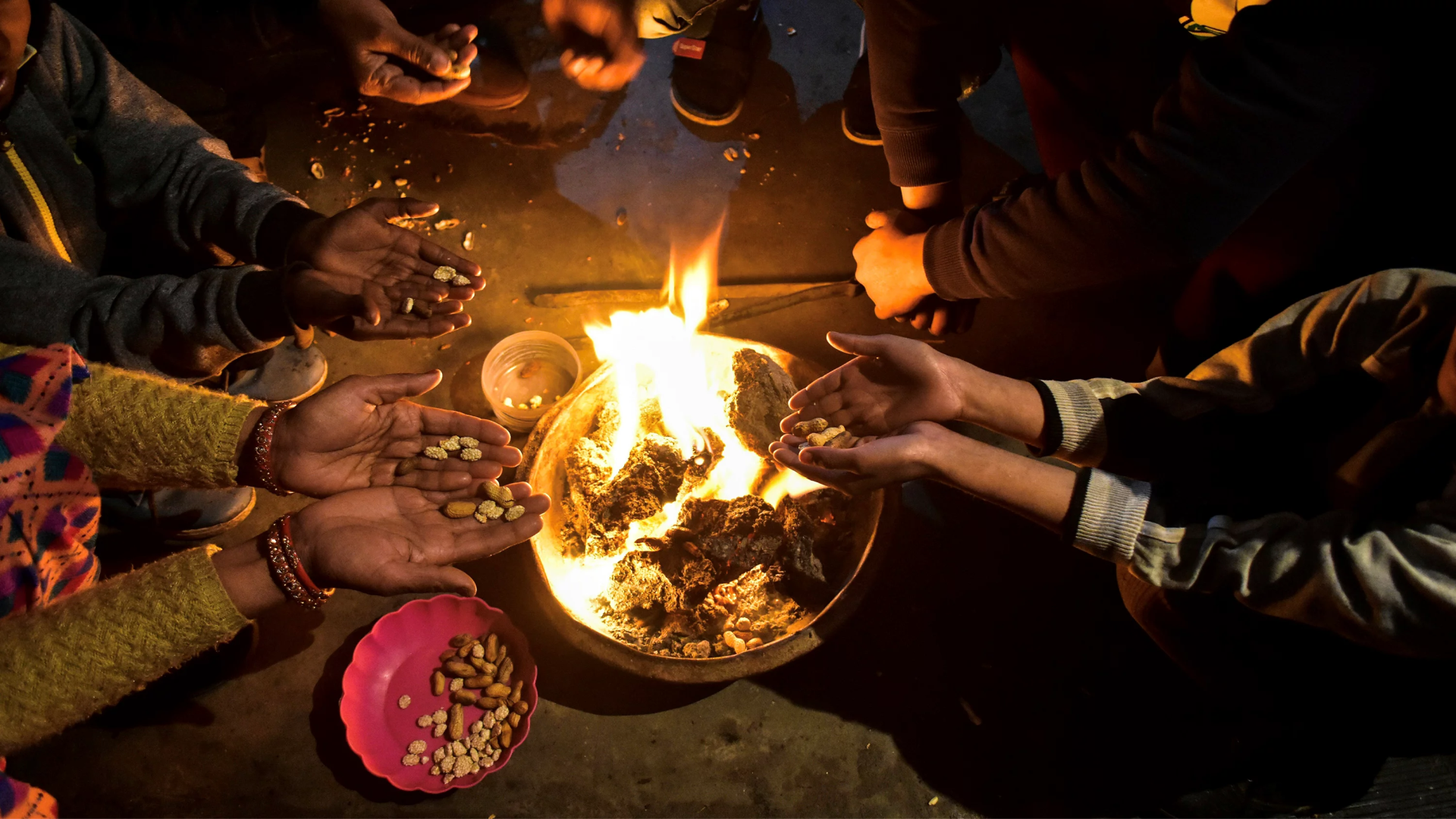
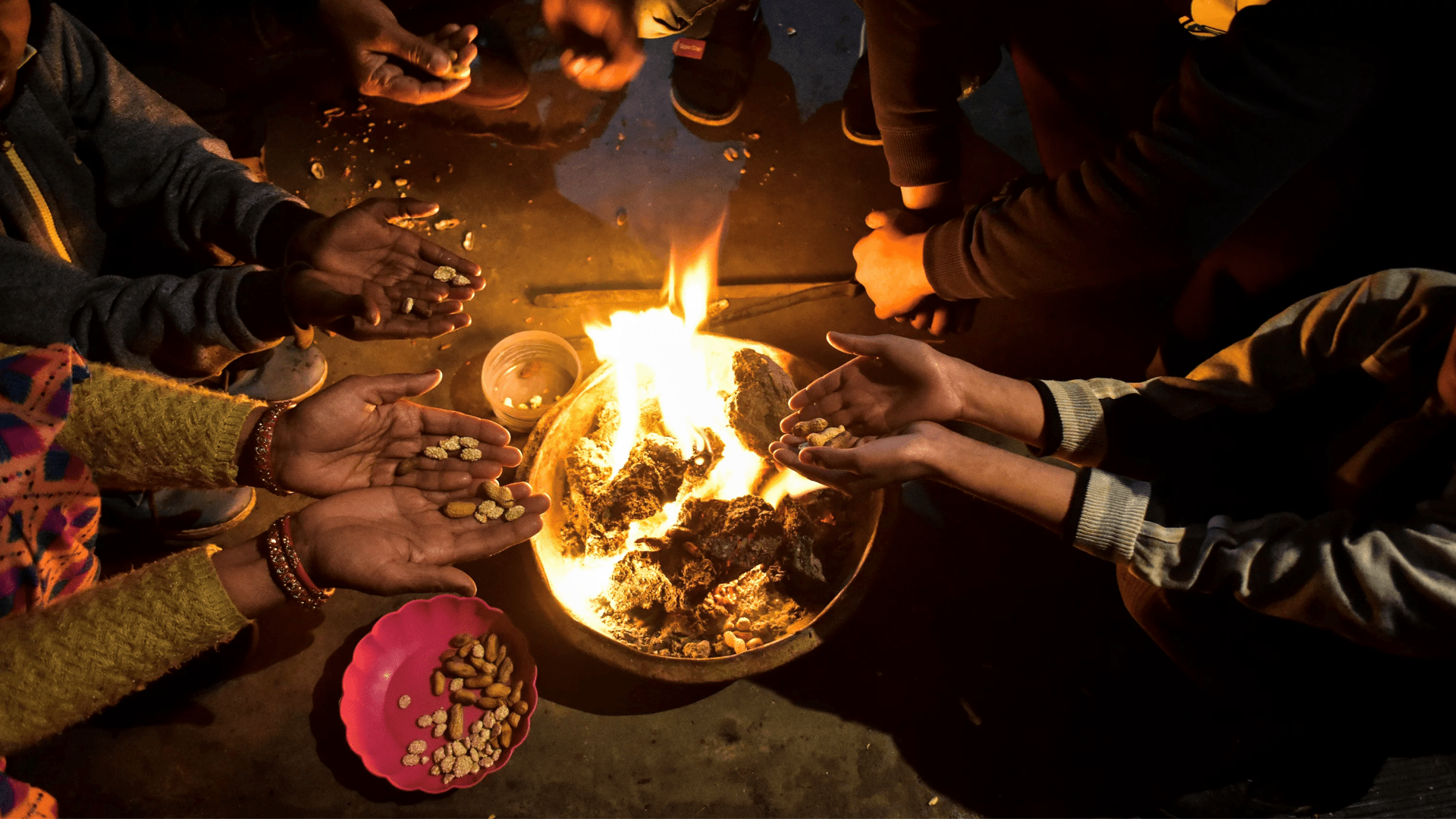
Residents throw sweets, peanuts, puffed rice, and popcorn into a bonfire during the Lohri celebrations in Rajpura.

Residents throw sweets, peanuts, puffed rice, and popcorn into a bonfire during the Lohri celebrations in Rajpura.

Christianity Today January 13, 2024
Saqib Majeed / SOPA Images / AP Images

[Read this article in English]

भारत और पूरे संसार में, सर्दी के ऋतु में, सिक्ख और हिंदू लोहड़ी के पंजाबी त्यौहार के दौरान सर्दियों की फसल के लिए अपने देवताओं का धन्यवाद करते हैं। पश्चिमी देशों के त्यौहार हैलोवीन की तरह, बच्चे घर-घर जाकर लोक गीत गाते हैं और लोहड़ी या “लूट” की मांग करते हैं। इसके बदले में, पड़ोसी उन्हें पैसे या खान-पान की चीजें जैसे तिल की मिठाई यानी तिलकुट, गुड़, पॉपकॉर्न, मुरमुरे और मूंगफली इत्यादि देते हैं। क्योंकि लोहड़ी की छुट्टी की तिथि विक्रमी (एक प्राचीन हिंदू) पंचांग के अनुसार आती है, इसलिए लोहड़ी 13 या 14 जनवरी के दिन आती है।

लोहड़ी की रात, परिवार के सदस्य, मित्रगण और रिश्तेदार पारंपरिक पंजाबी पोशाक में अलाव के चारों ओर इकट्ठा होते हैं और बच्चों की लूट में से एक छोटे हिस्से को अग्नि देवता के लिए भेंट में चढ़ाते हैं। सभी लोग एक साथ आग के चारों ओर नाचते हुए चलते, तिल के दानों को आग में फेंकते है और पंजाबी में जोर से प्रार्थना करते हैं, “आदर आए दिलाथेर जाए (सम्मान आए और गरीबी चली जाए)” और “तिल सड़े, पाप सड़े/झड़े” (जैसे तिल जलता है, इस प्रकार हमारे पाप जल जाएँ/खत्म हो जाएँ)। उत्सव छुट्टी सम्बन्धी पारंपरिक भोजन खाने, लोक नृत्य करने और लोक गीत गाकर समाप्त होता है।

सिक्ख धर्म की स्थापना 1500 के आसपास गुरु नानक (1469-1539) द्वारा की गई थी और इसके बाद के नौ गुरुओं ने सिक्ख समाज और सिक्ख धर्म को विकसित किया। गुरु-गद्दी में पाँचवें स्थान पर आने वाले गुरु अर्जन ने आदि ग्रंथ का संकलन किया, जो सिक्ख धर्म ग्रंथ की पहली अधिकृत पुस्तक है। सिक्ख मानते हैं कि केवल एक ही ईश्वर है, जो कि लिंग रहित और शाश्वतकालीन है, और वे इस ईश्वर को वाहेगुरु (अद्भुत शिक्षक) के रूप में संदर्भित करते हैं। सिक्ख पुनर्जन्म और कर्म सिद्धान्त में भी विश्वास रखते हैं।

जो सच्चे गुरु [ईश्वर] की सेवा नहीं करते हैं और जो शबद [सिक्ख शास्त्र] के वचन पर विचार नहीं करते हैं – आत्मिक ज्ञान उनके मनों में प्रवेश नहीं करता है; वे संसार में मृत शरीरों के समान हैं। वे 84 लाख योनियों के चक्र से गुजरते हैं, और वे मृत्यु और पुनर्जन्म के द्वारा नष्ट हो जाते हैं। – गुरु ग्रंथ साहिब पृष्ठ 88

सिक्ख भारत की 1.4 अरब आबादी का 1.7 प्रतिशत हैं, और वे पूरे भारत में फैले हुए हैं, जबकि पंजाब, चंडीगढ़, हरियाणा और अन्य आस-पास के क्षेत्रों में ये अपने उच्चतम प्रतिशत में पाए जाते हैं। भारत के बाहर, संयुक्त राज्य अमेरिका, कनाडा, यूनाइटेड किंगडम, ऑस्ट्रेलिया और मलेशिया में सिक्ख समुदाय की महत्वपूर्ण मौजूदगी है।

क्या सिक्खों और मसीही विश्वासियों में पाप और क्षमा के बारे में मान्यताएँ परस्पर रूप से सहमति में हैं? क्रिश्चियेनीटी टुडे के दक्षिण एशियाई संवाददाता ने एक सिक्ख अगुवे के साथ उनके धर्मग्रंथों के अनुसार पाप के प्रति उनकी समझ के बारे में बातचीत की और समझने की कोशिश की कि “हमारे पाप जले/खत्म हुए” की प्रार्थना को कैसे समझा जाए।

क्रिश्चियेनीटी टुडे ने पंजाबी-पृष्ठभूमि से आने वाले तीन पास्टरों से भी बात की, जिनमें से दो मसीह विश्वास में मन-परिवर्तित होने से पहले सिक्ख पैदा हुए थे। तीनों ने अपने जीवन में किसी समय लोहड़ी के त्यौहार को मनाया है, और उन्होंने समझाया कि कैसे सिक्ख समाज में पाप की धारणा के प्रति उनका अनुभव मसीह विश्वास में पाप की धारणा से भिन्न है।

देविंदर पाल सिंह, निदेशक, सेंटर फॉर अंडरस्टैंडिंग सिखिज्म, मिसिसॉगा, ओंटारियो, कनाडा।

मेरी राय में, पंजाबी अभिव्यक्ति तिल सड़े, पाप सड़े/झड़े (“जैसे तिल जलता है, इस प्रकार हमारे पाप जल सकते हैं/खत्म हो सकते हैं”) सांस्कृतिक भावनाओं में निहित केवल स्वयं की इच्छा वाली सोच है। इसका सिक्ख धर्म की शास्त्रीय समझ से कोई लेनदेन नहीं है। इसलिए, यहाँ तक कि लोहड़ी का भी सिक्ख धर्म में कोई लेना देना नहीं है क्योंकि सिक्ख सूर्य या अग्नि की पूजा नहीं करते हैं। इसके बजाय, लोहड़ी आमतौर पर सिखों द्वारा मनाई जाती है क्योंकि इसका पंजाबी संस्कृति से गहरा सम्बन्ध है।

सिक्ख धर्म में, सभी पापों को एक व्यक्ति के अहंकार और बुरे आवेगों और इच्छाओं में निहित माना जाता है। सिक्ख धर्म जानबूझकर “हुकम” (“ईश्वरीय विधान” के लिए पंजाबी शब्द) का पालन न करना, या नैतिक कानून नैतिक कानून की अवहेलना करने को पाप मानता है।

पापों का प्रायश्चित केवल परमेश्वर पर ध्यान लगाने से और उसके साथ एक हो जाने की कोशिश से ही प्राप्त किया जा सकता है। सिक्ख धर्म के संस्थापक, गुरु नानक देव के अनुसार, “जब किसी की बुद्धि पाप से दूषित या मैली हो जाती है, तो इसे केवल ईश्वर के प्रेम से ही शुद्ध किया जा सकता है।”

आरम्भिक सिक्ख स्रोत प्रायश्चित (कफ़्फारा) के अन्य रूपों के बारे में कुछ नहीं कहते हैं कि, पापी या अपराधी को उस समाज में बने रहने के लिए करने पड़ते हैं, जिससे वह संबंधित था। प्रायश्चित की अवधारणा पूरे सिक्ख इतिहास में विकसित होती रही और इसे [सबसे पहले] गुरु गोबिंद सिंह जी, दसवें सिक्ख गुरु द्वारा उसकी खालसा (उनके द्वारा शुरू किए गए योद्धाओं के धार्मिक सम्प्रदाय) के लिए आदेशों के रूप में कलमबद्ध किया गया था।

इन आदेशों को 18वीं और 20वीं शताब्दी में संशोधित किया गया था और आज यह मुख्य रूप से व्यक्ति और उन विभिन्न तरीकों पर केंद्रित है, जिसमें एक सिक्ख को एक अच्छे, पाप न करने वाला सिक्ख के रूप में व्यवहार करना चाहिए।

सिक्ख धर्म में, प्रायश्चित को संक्षेप में समुदाय में दिखाया गया है और इसमें सेवा शामिल होनी चाहिए।

इसके अपवाद चार प्रमुख पाप हैं: हुक्का (धूम्रपान तम्बाकू और अन्य सभी नशीले पदार्थों का उपयोग करना), हजामत (बालों को कटाना), हलालो (मांस खाना), और हराम (शादी के बाहर व्यभिचार और यौन संबंध)। इनका उल्लंघन करने पर अपराधी को समुदाय में आने के लिए पुन: दीक्षा की आवश्यकता हो सकती है।

रिचर्ड हॉवेल, पीएचडी (मसीही ईश-विज्ञान) और कालेब संस्थान, दिल्ली के प्रिंसिपल। इनका जन्म और पालन-पोषण पंजाब में हुआ और इन्होंने अपने जीवन का एक महत्वपूर्ण हिस्सा वहाँ सुसमाचार का प्रचार करने में बिताया है।

सिक्ख धर्म कर्म को एक व्यक्ति के अस्तित्व के अच्छे और बुरे कार्यों के योग के रूप में परिभाषित करता है जो कि एक व्यक्ति के भविष्य को प्रभावित करता है। यह एक “ऊर्ध्वाधर” संबंध नहीं है, इसलिए एक व्यक्ति का पाप एक पवित्र परमेश्वर के विरुद्ध नहीं है, परन्तु यह “क्षैतिज” है, जिसमें यह अन्य लोगों और स्वयं से संबंधित है। अत: इसके कैसे परिणाम निकलते हैं। कर्म यह निर्धारित करता है कि अगले जन्म में उस व्यक्ति की आत्मा के साथ क्या होता है, चाहे वह सीढ़ी से ऊपर जाए या नीचे। पुर्नजन्म (मृत्यु के बाद एक व्यक्ति की आत्मा का एक शरीर से दूसरे शरीर में जाना) में आगे बढ़ने के लिए, एक व्यक्ति के अच्छे कर्मों को बुरे कर्मों से अधिक होना चाहिए।

लोहड़ी की परम्परा में आग के चारों ओर घूमने और “तिल सड़े, पाप सड़े/झड़े” शब्द बोलना परम्परा अपराधबोध की मौजूदगी के प्रमाण की ओर इशारा कर सकती है। आग में तिल के दानों को जलाना, एक ओर, अगींकार और अहसास की एक प्रतीकात्मक अभिव्यक्ति हो सकती है कि आपने कुछ गलत किया है, लेकिन दूसरी ओर, यह केवल अच्छे कर्मों को बढ़ाने का कार्य हो सकता है।

मसीही विश्वास में, पाप को न केवल अज्ञानता के रूप में समझा जाता है बल्कि यह भी समझा जाता है कि लोग एक पवित्र ईश्वर के सामने दोषी हैं। लोगों ने उसकी आज्ञा की अवहेलना की और उससे अपनी स्वतंत्रता की घोषणा की। वह पाप है, और यह अनाज्ञाकारिता के कारण परमेश्वर के जीवन से अलग होने का परिणाम है।

यीशु हमें परमेश्वर के साथ एक मेल में वापस लाता है, और यह उसके देहधारण के साथ शुरू होता है जब ईश्वरत्व ने मनुष्यत्व के साथ कर एकआत्मक्ता लिया था। यीशु मसीह के बलिदान के कारण हमारा अंगीकार हमें परमेश्वर के साथ फिर से जोड़ देता है। हम परमेश्वर के अनुग्रह के कारण क्षमा का अनुभव करते हैं।

जितेन्द्र जीत सिंह, भूतपूर्व सिक्ख ग्रंथी और एंबेसडर फॉर क्राइस्ट के भूतपूर्व राष्ट्रीय प्रचारक, हरियाणा।

तिल की मिठाई को आग में फेंकने से एक व्यक्ति द्वारा पूरे वर्ष में किए गए पापों की प्रस्तुति होती है, और वे उनसे छुटकारा पा लेते हैं। यह कार्य साल दर साल किया जाता है और जीवन भर चलता रहता है।

परन्तु ऐसा उनके साथ नहीं है जो मसीह यीशु में अपना विश्वास रखते हैं। मसीह ने हमारे पापों को अपने ऊपर ले लिया है और हमें “हमेशा और सदैव के लिए एक ही बार में” स्वतंत्र कर दिया है। इसे हर साल, बार-बार नहीं दोहराया जाता है। मसीह प्रत्येक व्यक्ति को एक स्वैच्छिक अधिकार देता है। यदि हम अपने पापों से छुटकारा पाना चाहते हैं, तो हमें मसीह के पास जाने के लिए चुनाव करना होगा। और यह सिर्फ एक बार का काम है। इसे दोहराने की जरूरत नहीं है। इसके लिए कोई शर्त नहीं है, और अगर हम अन्यथा चुनते हैं, तो हम अपने पापों का बोझ अनंत काल तक ढोते रहते हैं।

संतार सिंह, वरिष्ठ पास्टर, खुश खबरी फैलोशिप, सिंगापुर। आप सिक्ख पैदा हुए थे, परन्तु बाद में एक मसीह विश्वासी बन गए और आपने सिंगापुर में असेंबली ऑफ गॉड बाइबल कॉलेज से अध्ययन किया। आपकी कलीसिया में विशेष रूप से पंजाबियों के लिए एक आराधना सभा चलाई जाती है।

पाप की सिक्ख समझ पाप की मसीही समझ से बहुत ज्यादा अलग है। सिक्ख यह नहीं मानते हैं कि उन्हें पाप विरासत में मिला है, जो कि मसीही विश्वास के विपरीत है, जो यह मानते हैं कि वे पाप में पैदा हुए हैं और आत्मिक रूप से मृत हैं। सिक्ख यह नहीं मानते कि उनका स्वभाव पापी है; उनका मानना है कि उनके कर्म उन्हें पापी बनाते हैं। मसीह विश्वास में, एक व्यक्ति इसलिए पापी नहीं है क्योंकि वह पाप करता है; वह पाप करता है क्योंकि वह पापी है। मनुष्य के भीतर जो है वह बाहर प्रकट होता है।

गुरु नानक देव जी, दस सिक्ख गुरुओं में से पहले गुरु और सिक्ख धर्म के संस्थापक, ने तीन स्तंभों (यानी कर्तव्यों) को औपचारिक रूप दिया था, जो कि उनके अनुयायियों को मुक्ति प्राप्त करने में मदद करते हैं: नाम जपो (ईश्वर का ध्यान करो और ईश्वर के नाम का जाप करो), किरत करो (कड़ी मेहनत और ईमानदारी से जीवन निर्वाह करो), और वंड छक्को (यानी भोजन और धन को एक साथ बाँटो और उपयोग करो)।

इफिसियों 2:8-9 में जो कुछ लिखा है, मसीह विश्वासी उस पर विश्वास करते हैं: “क्योंकि विश्वास के द्वारा अनुग्रह ही से तुम्हारा उद्धार हुआ है – और यह तुम्हारी ओर से नहीं, यह परमेश्वर का दान है – न कर्मों के द्वारा, ऐसा न हो कि कोई घमण्ड करे।” हम कर्मों में विश्वास नहीं करते; हम परमेश्वर के अनुग्रह और मसीह के पूरे किए कार्य में विश्वास करते हैं।

Editor’s note: What do you think of this translation? Want to see CT do more? Interested in helping us improve the quality and quantity? Share your feedback here.


You can also now follow our best articles on our Telegram channel. Come join us!

ਤਿਲ੍ਹਾਂ ਦੇ ਦਾਣਿਆਂ ਨੂੰ ਅੱਗ ਵਿੱਚ ਸੁੱਟਣਾ ਅਤੇ ਆਪਣੇ ਪਾਪਾਂ ਨੂੰ ਸਾੜਨਾ

ਕੀ ਮਸੀਹੀ ਧਰਮ-ਵਿਗਿਆਨ ਸਰਦੀਆਂ ਵਿੱਚ ਆਉਣ ਵਾਲੇ ਸਿੱਖ ਧਰਮ ਦੇ ਤਿਉਹਾਰ ਲੋਹੜੀ ਵਿੱਚ ਕੀਤੀ ਜਾਣ ਵਾਲੀ ਅਰਦਾਸ ਦੁਆਰਾ ਸੁਝਾਏ ਗਏ ਵਿਸ਼ਵਾਸਾਂ ਤੋਂ ਪੂਰੀ ਤਰ੍ਹਾਂ ਸਹਿਮਤ ਹੈ?

Residents throw sweets, peanuts, puffed rice, and popcorn into a bonfire during the Lohri celebrations in Rajpura.

Residents throw sweets, peanuts, puffed rice, and popcorn into a bonfire during the Lohri celebrations in Rajpura.

Christianity Today January 13, 2024
Saqib Majeed / SOPA Images / AP Images

[Read this article in English]

ਭਾਰਤ ਅਤੇ ਪੂਰੀ ਦੁਨੀਆਂ ਵਿੱਚ, ਸਰਦੀਆਂ ਦੀ ਰੁੱਤ ਵਿੱਚ, ਲੋਹੜੀ ਦੇ ਪੰਜਾਬੀ ਤਿਉਹਾਰ ਦੇ ਵੇਲੇ ਸਿੱਖ ਅਤੇ ਹਿੰਦੂ ਸਰਦੀਆਂ ਵਿੱਚ ਫਸਲ ਦੇ ਲਈ ਆਪਣੇ ਦੇਵੀ-ਦੇਵਤਿਆਂ ਦਾ ਧੰਨਵਾਦ ਕਰਦੇ ਹਨ। ਪੱਛਮੀ ਤਿਉਹਾਰ ਹੈਲੋਵੀਨ ਵਾਂਙੁ, ਬੱਚੇ ਘਰ-ਘਰ ਜਾ ਕੇ ਲੋਕ ਗੀਤ ਗਾਉਂਦੇ ਹਨ ਅਤੇ ਲੋਹੜੀ ਜਾਂ “ਲੁੱਟ” ਮੰਗਦੇ ਹਨ। ਬਦਲੇ ਵਿੱਚ, ਗੁਆਂਢੀ ਉਨ੍ਹਾਂ ਨੂੰ ਪੈਸੇ ਜਾਂ ਖਾਣ ਵਾਲੀਆਂ ਚੀਜ਼ਾਂ ਜਿਵੇਂ ਕਿ ਤਿੱਲ੍ਹ ਦੀ ਮਠਿਆਈ, ਤੁਲਕੁਟ, ਗੁੱੜ੍ਹ, ਫੁੱਲ੍ਹੇ, ਭੁੰਨੇ ਹੋਏ ਚੌਲ ਅਤੇ ਮੂੰਗਫਲੀ ਆਦਿ ਦਿੰਦੇ ਹਨ। ਕਿਉਂਕਿ ਲੋਹੜੀ ਦੀ ਛੁੱਟੀ ਵਿਕਰਮੀ (ਇੱਕ ਪ੍ਰਾਚੀਨ ਹਿੰਦੂ) ਕਲੰਡਰ ਦੇ ਅਨੁਸਾਰ ਆਉਂਦੀ ਹੈ, ਇਸੇ ਲਈ ਲੋਹੜੀ 13 ਜਾਂ 14 ਜਨਵਰੀ ਨੂੰ ਆਉਂਦੀ ਹੈ।

ਲੋਹੜੀ ਦੀ ਰਾਤ, ਪਰਿਵਾਰ ਦੇ ਮੈਂਬਰ, ਮਿੱਤਰ ਅਤੇ ਰਿਸ਼ਤੇਦਾਰ ਰਵਾਇਤੀ ਪੰਜਾਬੀ ਪਹਿਰਾਵੇ ਵਿੱਚ ਬਲ੍ਹਦੀ ਹੋਈ ਅੱਗ ਦੇ ਆਲੇ-ਦੁਆਲੇ ਇਕੱਠੇ ਹੁੰਦੇ ਹਨ ਅਤੇ ਬੱਚਿਆਂ ਦੀ ਲੁੱਟ ਦਾ ਇੱਕ ਛੋਟਾ ਜਿਹਾ ਹਿੱਸਾ ਅੱਗ ਦੇ ਦੇਵਤੇ ਨੂੰ ਧੰਨਵਾਦ ਦੀ ਭੇਂਟ ਵਿੱਚ ਦਿੰਦੇ ਹਨ। ਸਾਰੇ ਲੋਕ ਇਕੱਠੇ ਹੋ ਕੇ ਅੱਗ ਦੇ ਦੁਆਲੇ ਨੱਚਦੇ-ਟੱਪਦੇ ਹਨ, ਤਿੱਲ੍ਹ ਅੱਗ ਵਿੱਚ ਸੁੱਟਦੇ ਹਨ ਅਤੇ ਉੱਚੀ-ਉੱਚੀ ਪੰਜਾਬੀ ਵਿੱਚ ਅਰਦਾਸ ਨੂੰ ਬੋਲਦੇ ਹਨ, “ਆਦਰ ਆਵੇ ਦਲਿੱਦਰ ਜਾਵੇ” ਅਤੇ “ਤਿੱਲ੍ਹ ਸੜੇ, ਪਾਪ ਸੜੇ/ਝੜੇ (ਜਿਵੇਂ ਤਿੱਲ੍ਹ ਸੜਦਾ ਹੈ, ਇਸੇ ਤਰ੍ਹਾਂ ਸਾਡੇ ਪਾਪ ਸੜ੍ਹ ਜਾਂਦੇ ਹਨ/ਮੁੱਕ ਜਾਂਦੇ ਹਨ)। ਤਿਉਹਾਰ ਦੀਆਂ ਰਵਾਇਤੀ ਛੁੱਟੀਆਂ ਦਾ ਭੋਜਨ ਖਾਣ-ਪੀਣ, ਲੋਕ ਨ੍ਰਿਤ ਪੇਸ਼ ਕਰਨ ਅਤੇ ਲੋਕ ਗੀਤ ਗਾਉਣ ਨਾਲ ਖਤਮ ਹੁੰਦਾ ਹੈ।”

ਸਿੱਖ ਧਰਮ ਦੀ ਸਥਾਪਨਾ 1500 ਦੇ ਨੇੜੇ-ਤੇੜੇ ਗੁਰੂ ਨਾਨਕ (1469-1539) ਦੁਆਰਾ ਕੀਤੀ ਗਈ ਸੀ ਅਤੇ ਉਸ ਤੋਂ ਬਾਅਦ ਦੇ ਨੌਂ ਗੁਰੂਆਂ ਨੇ ਸਿੱਖ ਸਮਾਜ ਅਤੇ ਸਿੱਖ ਧਰਮ ਦਾ ਵਿਕਾਸ ਕੀਤਾ। ਗੁਰ-ਗੱਦੀ ਵਿੱਚ ਪੰਜਵੇਂ ਸਥਾਨ 'ਤੇ ਆਉਣ ਵਾਲੇ ਸ੍ਰੀ ਗੁਰੂ ਅਰਜਨ ਦੇਵ ਜੀ ਨੇ ਆਦਿ ਗ੍ਰੰਥ ਨੂੰ ਇੱਕਠਾ ਕੀਤਾ, ਇਹੋ ਸਿੱਖ ਧਰਮ ਗ੍ਰੰਥ ਦੀ ਪਹਿਲੀ ਅਧਿਕਾਰਤ ਪੁਸਤਕ ਹੈ। ਸਿੱਖ ਧਰਮ ਦੇ ਲੋਕ ਵਿਸ਼ਵਾਸ ਕਰਦੇ ਹਨ ਕਿ ਕੇਵਲ ਇੱਕ ਇਸ਼ੁਰ ਹੈ, ਜਿਹੜਾ ਲਿੰਗ ਤੋਂ ਪਰ੍ਹੇ ਅਤੇ ਅਨਾਦਿ ਹੈ, ਅਤੇ ਉਹ ਇਸ ਇਸ਼ੁਰ ਨੂੰ ਵਾਹਿਗੁਰੂ (ਅਚਰਜ ਭਰਿਆ ਗੁਰੂ) ਕਹਿੰਦੇ ਹਨ। ਸਿੱਖ ਪੁਨਰ ਜਨਮ ਅਤੇ ਕਰਮ ਦੇ ਸਿਧਾਂਤ ਵਿੱਚ ਵੀ ਵਿਸ਼ਵਾਸ ਰੱਖਦੇ ਹਨ।

ਜਿਹੜੇ ਸੱਚੇ ਗੁਰੂ [ਪਰਮੇਸ਼ੁਰ] ਦੀ ਸੇਵਾ ਨਹੀਂ ਕਰਦੇ ਅਤੇ ਜਿਹੜੇ ਲੋਕ ਸ਼ਬਦ [ਸਿੱਖ ਗ੍ਰੰਥ] ਉੱਤੇ ਧਿਆਨ ਨਹੀਂ ਲਾਉਂਦੇ ਹਨ – ਆਤਮਿਕ ਗਿਆਨ ਉਹਨਾਂ ਦੇ ਮਨਾਂ ਵਿੱਚ ਨਹੀਂ ਆਉਂਦਾ; ਉਹ ਸੰਸਾਰ ਵਿੱਚ ਮੋਈਆਂ ਹੋਈਆਂ ਲਾਸ਼ਾਂ ਵਾਂਗ ਹਨ। ਉਹ 84 ਲੱਖ ਜਨਮਾਂ ਦੇ ਗੇੜ ਵਿੱਚੋਂ ਲੰਘਦੇ ਹਨ, ਅਤੇ ਉਹ ਮਰਨ ਅਤੇ ਮੁੜ ਜਨਮ ਪ੍ਰਾਪਤ ਕਰਨ ਦੇ ਦੁਆਰਾ ਨਾਸ ਹੋ ਜਾਂਦੇ ਹਨ। – ਗੁਰੂ ਗ੍ਰੰਥ ਸਾਹਿਬ ਪੰਨਾ ੮੮

ਸਿੱਖ ਭਾਰਤ ਦੀ 1.4 ਅਰਬ ਅਬਾਦੀ ਦਾ 1.7 ਪ੍ਰਤੀਸ਼ਤ ਹਿੱਸਾ ਬਣਾਉਂਦੇ ਹਨ, ਅਤੇ ਪੂਰੇ ਭਾਰਤ ਵਿੱਚ ਫੈਲੇ ਹੋਏ ਹਨ, ਜਿਨ੍ਹਾਂ ਦੀ ਸਭ ਤੋਂ ਵੱਧ ਗਿਣਤੀ ਪੰਜਾਬ, ਚੰਡੀਗੜ੍ਹ, ਹਰਿਆਣਾ ਅਤੇ ਹੋਰ ਆਲੇ-ਦੁਆਲੇ ਦੇ ਖੇਤਰਾਂ ਵਿੱਚ ਮਿਲਦੀ ਹੈ। ਭਾਰਤ ਤੋਂ ਬਾਹਰ ਅਮਰੀਕਾ, ਕੈਨੇਡਾ, ਯੂਨਾਈਟਿੱਡ ਕਿੰਗਡਮ ਭਾਵ ਸੰਯੁਕਤ ਰਾਸ਼ਟਰ, ਆਸਟ੍ਰੇਲੀਆ ਅਤੇ ਮਲੇਸ਼ੀਆ ਵਿੱਚ ਸਿੱਖ ਭਾਈਚਾਰੇ ਦੀ ਮਹੱਤਵਪੂਰਣ ਹੋਂਦ ਹੈ।

ਕੀ ਸਿੱਖ ਅਤੇ ਮਸੀਹੀ ਪਾਪ ਅਤੇ ਖ਼ਿਮਾ ਬਾਰੇ ਮਿਲਣ ਵਾਲੇ ਵਿਚਾਰਾਂ ਵਿੱਚ ਆਪਸੀ ਸਹਿਮਤੀ ਰੱਖਦੇ ਹਨ? ਕ੍ਰਿਸ੍ਚੀਐਨਿਟੀ ਟੂਡੇ ਦੇ ਸਾਊਥ ਏਸ਼ੀਆ ਦੇ ਪੱਤਰਕਾਰ ਨੇ ਇੱਕ ਸਿੱਖ ਆਗੂ ਨਾਲ ਉਨ੍ਹਾਂ ਦੇ ਗ੍ਰੰਥਾਂ ਅਨੁਸਾਰ ਪਾਪ ਦੀ ਸਮਝ ਬਾਰੇ ਗੱਲ ਕੀਤੀ ਅਤੇ ਇਹ ਸਮਝਣ ਦੀ ਕੋਸ਼ਿਸ਼ ਕੀਤੀ ਕਿ “ਸਾਡੇ ਪਾਪਾਂ ਨੂੰ ਸਾੜ੍ਹਨ” ਲਈ ਪ੍ਰਾਰਥਨਾ ਨੂੰ ਕਿਵੇਂ ਚੰਗੀ ਤਰ੍ਹਾਂ ਸਮਝਿਆ ਜਾਵੇ।

ਕ੍ਰਿਸਚੀਐਨਿਟੀ ਟੂਡੇ ਨੇ ਪੰਜਾਬੀ ਪਿਛੋਕੜ੍ਹ ਤੋਂ ਆਏ ਤਿੰਨ ਪਾਸਟਰਾਂ ਨਾਲ ਵੀ ਗੱਲ ਕੀਤੀ, ਜਿਨ੍ਹਾਂ ਵਿੱਚੋਂ ਦੋ ਮਸੀਹੀ ਵਿਸ਼ਵਾਸ ਵਿੱਚ ਆਉਣ ਤੋਂ ਪਹਿਲਾਂ ਸਿੱਖ ਪੈਦਾ ਹੋਏ ਸਨ। ਤਿੰਨਾਂ ਨੇ ਆਪਣੇ ਜੀਵਨ ਵਿੱਚ ਕਿਸੇ ਸਮੇਂ ਲੋਹੜੀ ਦਾ ਤਿਉਹਾਰ ਮਨਾਇਆ ਸੀ, ਅਤੇ ਉਹ ਦੱਸਦੇ ਹਨ ਕਿ ਕਿਵੇਂ ਸਿੱਖ ਸਮਾਜ ਵਿੱਚ ਪਾਪ ਦੀ ਧਾਰਨਾ ਬਾਰੇ ਉਨ੍ਹਾਂ ਦਾ ਅਨੁਭਵ ਮਸੀਹੀ ਵਿਸ਼ਵਾਸ ਵਿੱਚ ਪਾਪ ਦੀ ਧਾਰਨਾ ਨਾਲੋਂ ਵੱਖਰਾ ਹੈ।

ਦਵਿੰਦਰ ਪਾਲ ਸਿੰਘ, ਡਾਇਰੈਕਟਰ, ਸੈਂਟਰ ਫਾੱਰ ਅੰਡਰਸਟੈਂਡਿੰਗ ਸਿੱਖਇਜ਼ਮ, ਮਿਸੀਸਾਗਾ, ਓਨਟਾਰੀਓ, ਕੈਨੇਡਾ।

ਮੇਰੇ ਖਿਆਲ ਵਿੱਚ, ਪੰਜਾਬੀ ਸ਼ਬਦ ਤਿੱਲ੍ਹ ਸੜੇ, ਪਾਪ ਸੜੇ/ਝੜੇ (“ਜਿਵੇਂ ਤਿੱਲ੍ਹ ਸੜ੍ਹਦਾ ਹੈ, ਇਸ ਤਰ੍ਹਾਂ ਸਾਡੇ ਪਾਪ ਸੜ੍ਹ ਜਾਂਦੇ ਹਨ/ਮਿਟਾਏ ਜਾਂਦੇ ਹਨ”) ਕੇਵਲ ਸੱਭਿਆਚਾਰਕ ਭਾਵਨਾਵਾਂ ਵਿੱਚ ਜੁੜ੍ਹੀ ਹੋਈ ਖੁਦ ਤੋਂ ਪੈਦਾ ਕੀਤੀ ਹੋਈ ਸੋਚ ਹੈ। ਇਸ ਦਾ ਸਿੱਖ ਧਰਮ ਦੇ ਪ੍ਰਮਾਣਿਕ ਗ੍ਰੰਥਾਂ ਦੀ ਸਮਝ ਨਾਲ ਕੋਈ ਲੈਣਾ-ਦੇਣਾ ਨਹੀਂ ਹੈ। ਇਸ ਲਈ ਲੋਹੜੀ ਦਾ ਵੀ ਸਿੱਖ ਧਰਮ ਨਾਲ ਕੋਈ ਸਬੰਧ ਨਹੀਂ ਹੈ ਕਿਉਂਕਿ ਸਿੱਖ ਸੂਰਜ ਜਾਂ ਅਗਨ ਦੀ ਪੂਜਾ ਨਹੀਂ ਕਰਦੇ ਹਨ। ਇਸ ਦੀ ਬਜਾਏ, ਲੋਹੜੀ ਆਮ ਤੌਰ 'ਤੇ ਸਿੱਖਾਂ ਵੱਲੋਂ ਇਸ ਲਈ ਮਨਾਈ ਜਾਂਦੀ ਹੈ ਕਿਉਂਕਿ ਇਹ ਪੰਜਾਬੀ ਸੱਭਿਆਚਾਰ ਦੇ ਨਾਲ ਬਹੁਤ ਨੇੜ੍ਹੇ ਤੋਂ ਜੁੜੀ ਹੋਈ ਹੈ।

ਸਿੱਖ ਧਰਮ ਵਿੱਚ, ਸਾਰੇ ਪਾਪਾਂ ਦੀ ਜੜ੍ਹ ਇੱਕ ਵਿਅਕਤੀ ਦੇ ਹਉਮੈ ਅਤੇ ਦੁਸ਼ਟ ਭਾਵਨਾਵਾਂ ਅਤੇ ਇੱਛਾਵਾਂ ਵਿੱਚ ਮੰਨੀ ਜਾਂਦੀ ਹੈ। ਸਿੱਖ ਧਰਮ ਜਾਣਬੁੱਝ ਕੇ “ਹੁਕਮ” (“ਇਸ਼ੁਰੀ ਕਾਇਦਾ” ਲਈ ਪੰਜਾਬੀ ਸ਼ਬਦ), ਜਾਂ ਨੈਤਿਕ ਕਨੂੰਨ ਦੀ ਉਲੰਘਣਾ ਨੂੰ ਇੱਕ ਪਾਪ ਸਮਝਦਾ ਹੈ।

ਪਾਪਾਂ ਦਾ ਪ੍ਰਾਸਚਿਤ ਕੇਵਲ ਪਰਮੇਸ਼ੁਰ ਦਾ ਸਿਮਰਨ ਕਰਨ ਅਤੇ ਉਸ ਦੇ ਨਾਲ ਇੱਕ-ਸੂਰਤ ਹੋ ਜਾਣ ਦੀ ਕੋਸ਼ਿਸ਼ ਕਰਨ ਦੁਆਰਾ ਪ੍ਰਾਪਤ ਕੀਤਾ ਜਾ ਸੱਕਦਾ ਹੈ। ਸਿੱਖ ਧਰਮ ਦੇ ਬਾਨੀ, ਸ੍ਰੀ ਗੁਰੂ ਨਾਨਕ ਦੇਵ ਜੀ ਦੇ ਅਨੁਸਾਰ, “ਜਦੋਂ ਕਿਸੇ ਦੀ ਬੁੱਧ ਪਾਪ ਤੋਂ ਪਲੀਤ ਜਾਂ ਮਲੀਨ ਹੋ ਜਾਂਦੀ ਹੈ, ਤਾਂ ਇਹ ਕੇਵਲ ਪਰਮੇਸ਼ੁਰ ਦੇ ਪ੍ਰੇਮ ਦੁਆਰਾ ਹੀ ਸਾਫ਼ ਹੋ ਸੱਕਦੀ ਹੈ।”

ਮੁੱਢਲੇ ਸਿੱਖ ਸ੍ਰੋਤ ਪ੍ਰਾਸਚਿਤ (ਕਫ਼ਾਰੇ) ਦੇ ਹੋਰ ਰੂਪਾਂ ਬਾਰੇ ਕੁੱਝ ਨਹੀਂ ਬੋਲਦੇ ਹਨ ਜਿਹੜੇ ਪਾਪੀ ਜਾਂ ਅਪਰਾਧੀ ਨੂੰ ਉਸ ਸਮਾਜ ਵਿੱਚ ਰਹਿਣ ਲਈ ਕਰਨੇ ਪੈਂਦੇ ਸੀ, ਜਿਸ ਤੋਂ ਉਹ ਸਬੰਧਤ ਸੀ। ਪ੍ਰਾਸਚਿਤ ਦੀ ਸੋਚ ਪੂਰੇ ਸਿੱਖ ਇਤਹਾਸ ਵਿੱਚ ਵਿਕਸਿਤ ਹੁੰਦੀ ਰਹੀ ਹੈ ਅਤੇ ਇਸ ਸੋਚ ਨੂੰ [ਪਹਿਲੀ ਵਾਰ] ਦਸਵੇਂ ਸਿੱਖ ਗੁਰੂ, ਸ੍ਰੀ ਗੁਰੂ ਗੋਬਿੰਦ ਸਿੰਘ ਜੀ ਦੁਆਰਾ, ਆਪਣੇ ਲਈ ਬਣਾਇਆ ਗਿਆ ਖਾਲਸਾ (ਉਨਾਂ ਵੱਲੋਂ ਅਰੰਭ ਕੀਤੇ ਯੋਧਿਆਂ ਦਾ ਧਾਰਮਿਕ ਸਮਾਜ) ਲਈ ਉਪਦੇਸ਼ਾਂ ਦੇ ਰੂਪ ਵਿੱਚ ਵਿੱਚ ਲਿਖਿਆ ਗਿਆ ਸੀ।

ਇਹ ਹੁਕਮ 18ਵੀਂ ਅਤੇ 20ਵੀਂ ਸਦੀ ਵਿੱਚ ਸੋਧੇ ਗਏ ਸਨ ਅਤੇ ਅੱਜ ਮੁੱਖ ਤੌਰ 'ਤੇ ਨਿਜੀ ਅਤੇ ਉਹ ਵੱਖ-ਵੱਖ ਤਰੀਕਿਆਂ 'ਤੇ ਧਿਆਨ ਕੇਂਦ੍ਰਤ ਕਰਦੇ ਹਨ ਜਿਨ੍ਹਾਂ ਵਿੱਚ ਇੱਕ ਸਿੱਖ ਨੂੰ ਇੱਕ ਚੰਗਾ, ਪਾਪ ਤੋਂ ਬਗੈਰ ਸਿੱਖ ਬਣਨ ਲਈ ਵਿਹਾਰ ਕਰਨਾ ਚਾਹੀਦਾ ਹੈ।

ਸਿੱਖ ਧਰਮ ਵਿੱਚ, ਪ੍ਰਾਸਚਿਤ ਨੂੰ ਸਮਾਜ ਵਿੱਚ ਸੰਖੇਪ ਰੂਪ ਵਿੱਚ ਦਰਸਾਇਆ ਗਿਆ ਹੈ ਅਤੇ ਇਸ ਵਿੱਚ ਸੇਵਾ ਸ਼ਾਮਲ ਹੋਣੀ ਚਾਹੀਦੀ ਹੈ।

ਇਸ ਵਿੱਚ ਅਪਵਾਦ ਚਾਰ ਵੱਡੇ ਪਾਪ ਹਨ: ਹੁੱਕਾ (ਤੰਬਾਕੂ ਖਾਣਾ ਅਤੇ ਹੋਰ ਸਾਰੇ ਨਸ਼ੀਲੇ ਪਦਾਰਥਾਂ ਦੀ ਵਰਤੋਂ ਕਰਨਾ), ਹਜਾਮਤ (ਵਾਲ ਮੁੰਨਵਾਉਣਾ), ਹਲਾਲ (ਮਾਸ ਖਾਣਾ), ਅਤੇ ਹਰਾਮ (ਵਿਆਹ ਤੋਂ ਬਾਹਰ ਵਿਭਚਾਰ ਕਰਨਾ ਅਤੇ ਸਰੀਰਕ ਸਬੰਧ ਬਣਾਉਂਣਾ)। ਇਹਨਾਂ ਦੀ ਉਲੰਘਣਾ ਕਰਨ ਤੇ ਅਪਰਾਧੀ ਨੂੰ ਸਮਾਜ ਵਿੱਚ ਦਾਖਲ ਹੋਣ ਲਈ ਮੁੜ-ਸ਼ੁਰੂਆਤ ਦੀ ਲੋੜ ਹੋ ਸੱਕਦੀ ਹੈ।

ਰਿਚਰਡ ਹਾੱਵੇਲ, ਪੀਐਚਡੀ (ਮਸੀਹੀ ਧਰਮ-ਵਿਗਿਆਨ) ਅਤੇ ਕਾਲੇਬ ਇੰਸਟੀਚਿਊਟ, ਦਿੱਲੀ ਦੇ ਪ੍ਰਿੰਸੀਪਲ। ਇੰਨਾਂ ਦਾ ਜਨਮ ਪੰਜਾਬ ਵਿੱਚ ਹੋਇਆ ਅਤੇ ਇੰਨਾਂ ਦਾ ਪਾਲਣ-ਪੋਸ਼ਣ ਵੀ ਉੱਥੇ ਹੀ ਹੋਇਆ ਅਤੇ ਇੰਨਾ ਦੇ ਜੀਵਨ ਦਾ ਇੱਕ ਮਹੱਤਵਪੂਰਣ ਹਿੱਸਾ ਉੱਥੇ ਖੁਸ਼ਖਬਰੀ ਦਾ ਪ੍ਰਚਾਰ ਕਰਨ ਵਿੱਚ ਬਤੀਤ ਹੋਇਆ ਹੋ।

ਸਿੱਖ ਧਰਮ ਕਰਮ ਨੂੰ ਆਪਣੀ ਹੋਂਦ ਲਈ ਚੰਗੇ ਅਤੇ ਮਾੜੇ ਕੰਮਾਂ ਦੇ ਕੁੱਲ ਜੋੜ ਵਜੋਂ ਪਰਿਭਾਸ਼ਤ ਕਰਦਾ ਹੈ ਜੋ ਕਿਸੇ ਦੇ ਭਵਿੱਖ ਨੂੰ ਪ੍ਰਭਾਵਤ ਕਰਦੇ ਹਨ। ਇਹ ਇੱਕ “ਉੱਤਾਂਹ ਵੱਲ” ਕੀਤੇ ਜਾਣ ਵਾਲਾ ਰਿਸ਼ਤਾ ਨਹੀਂ ਹੈ, ਇਸ ਲਈ ਇੱਕ ਵਿਅਕਤੀ ਦਾ ਪਾਪ ਇੱਕ ਪਵਿੱਤਰ ਪਰਮੇਸ਼ੁਰ ਦੇ ਵਿਰੁੱਧ ਨਹੀਂ ਹੈ, ਸਗੋਂ ਇਹ “ਲੰਬਕਾਰੀ” ਹੈ, ਅਰਥਾਤ ਜਿਸ ਵਿੱਚ ਉਹ ਦੂਜੇ ਲੋਕਾਂ ਅਤੇ ਆਪਣੇ ਆਪ ਤੋਂ ਸੰਬਧਤ ਹੈ। ਸਿੱਟੇ ਵੱਜੋਂ ਇਸ ਦੇ ਨਤੀਜੇ ਕੀ ਨਿੱਕਲਦੇ ਹਨ। ਕਰਮ ਇਹ ਨਿਰਧਾਰਤ ਕਰਦਾ ਹੈ ਕਿ ਅਗਲੇ ਜਨਮ ਵਿੱਚ ਉਸ ਵਿਅਕਤੀ ਦੀ ਆਤਮਾ ਨਾਲ ਕੀ ਵਾਪਰਦਾ ਹੈ, ਭਾਵੇਂ ਉਹ ਪੌੜੀ ਉੱਤੇ ਚੜ੍ਹਦਾ ਹੈ ਜਾਂ ਹੇਠਾਂ ਨੂੰ ਆਉਂਦਾ ਹੈ। ਪੁਨਰ-ਜਨਮ (ਮੌਤ ਤੋਂ ਬਾਅਦ ਇੱਕ ਵਿਅਕਤੀ ਦੀ ਆਤਮਾ ਦਾ ਇੱਕ ਸਰੀਰ ਤੋਂ ਦੂਜੇ ਸਰੀਰ ਵਿੱਚ ਜਾਣਾ) ਵਿੱਚ ਅੱਗੇ ਵਧਣ ਲਈ, ਇੱਕ ਵਿਅਕਤੀ ਦੇ ਚੰਗੇ ਕੰਮ ਮਾੜੇ ਕੰਮਾਂ ਤੋਂ ਵੱਧ ਹੋਣੇ ਚਾਹੀਦੇ ਹਨ।

ਅੱਗ ਦੇ ਆਲੇ-ਦੁਆਲੇ ਘੁੰਮਣ ਅਤੇ “ਤਿੱਲ੍ਹ ਸੜੇ, ਪਾਪ ਸੜੇ/ਝੜੇ” ਦੇ ਜਾਪ ਦੀ ਲੋਹੜੀ ਵਾਲੀ ਪ੍ਰੰਪਰਾ ਦੋਸ਼ ਦੀ ਮੌਜੂਦਗੀ ਦੇ ਸਬੂਤ ਵੱਲ੍ਹ ਇਸ਼ਾਰਾ ਕਰ ਸੱਕਦੀ ਹੈ। ਤਿੱਲ੍ਹ ਨੂੰ ਅੱਗ ਵਿੱਚ ਸਾੜਨਾ, ਇੱਕ ਪਾਸੇ ਤਾਂ, ਪਛਤਾਵੇ ਨੂੰ ਵਿਖਾਉਣ ਵਾਲਾ ਪ੍ਰਗਟਾਵਾ ਅਤੇ ਇਹ ਅਹਿਸਾਸ ਹੋ ਸੱਕਦਾ ਹੈ ਕਿ ਤੁਸੀਂ ਕੁੱਝ ਗਲਤ ਕੀਤਾ ਹੈ, ਪਰ ਦੂਜੇ ਪਾਸੇ, ਇਹ ਸਿਰਫ਼ ਚੰਗੇ ਕੰਮਾਂ ਨੂੰ ਵਧਾਉਣ ਵਾਲਾ ਕੰਮ ਵੀ ਹੋ ਸੱਕਦਾ ਹੈ।

ਮਸੀਹੀ ਵਿਸ਼ਵਾਸ ਵਿੱਚ, ਪਾਪ ਨੂੰ ਨਾ ਸਿਰਫ਼ ਅਗਿਆਨਤਾ ਵਜੋਂ ਸਮਝਿਆ ਜਾਂਦਾ ਹੈ, ਸਗੋਂ ਇੱਕ ਪਵਿੱਤਰ ਪਰਮੇਸ਼ੁਰ ਅੱਗੇ ਮਨੁੱਖ ਦੇ ਦੋਸ਼ੀ ਹੋਣ ਦੇ ਰੂਪ ਵਿੱਚ ਵੀ ਸਮਝਿਆ ਜਾਂਦਾ ਹੈ। ਮਨੁੱਖ ਨੇ ਉਸ ਦੇ ਹੁਕਮ ਦੀ ਉਲੰਘਣਾ ਕੀਤੀ ਅਤੇ ਉਸ ਤੋਂ ਆਪਣੀ ਅਜ਼ਾਦੀ ਦਾ ਐਲਾਨ ਕਰ ਦਿੱਤਾ। ਇਹੋ ਪਾਪ ਹੈ, ਅਤੇ ਇਹ ਅਣਆਗਿਆਕਾਰ ਦੇ ਕਾਰਨ ਪਰਮੇਸ਼ੁਰ ਦੇ ਜੀਵਨ ਤੋਂ ਵੱਖ ਹੋਣ ਦਾ ਨਤੀਜਾ ਵੀ ਹੈ।

ਯਿਸੂ ਸਾਨੂੰ ਪਰਮੇਸ਼ੁਰ ਦੇ ਨਾਲ ਇੱਕ ਮੇਲ ਵਿੱਚ ਆਉਣ ਵਾਲੇ ਰਿਸ਼ਤੇ ਵਿੱਚ ਵਾਪਸ ਲਿਆਉਂਦਾ ਹੈ, ਅਤੇ ਅਜਿਹਾ ਉਸ ਦੇ ਦੇਹਧਾਰਣ ਤੋਂ ਸ਼ੁਰੂ ਹੁੰਦਾ ਹੈ ਜਦੋਂ ਇਸ਼ੁਰੱਤ ਮਨੁੱਖਤਾਈ ਨਾਲ ਇੱਕ ਹੋ ਜਾਂਦਾ ਹੈ। ਯਿਸੂ ਮਸੀਹ ਦੇ ਬਲੀਦਾਨ ਵਿੱਚ ਸਾਡਾ ਇਕਰਾਰ ਸਾਨੂੰ ਸਿੱਟੇ ਵੱਜੋਂ ਪਰਮੇਸ਼ੁਰ ਤੋਂ ਦੁਬਾਰਾ ਮਿਲਾਉਂਦਾ ਹੈ। ਸਾਨੂੰ ਪਰਮੇਸ਼ੁਰ ਦੀ ਕਿਰਪਾ ਦੇ ਸਿੱਟੇ ਵੱਜੋਂ ਮੁਆਫ਼ੀ ਦਾ ਅਨੁਭਵ ਹੁੰਦਾ ਹੈ।

ਜਿਤੇਂਦਰ ਜੀਤ ਸਿੰਘ, ਸਾਬਕਾ ਸਿੱਖ ਗ੍ਰੰਥੀ ਅਤੇ ਐਮ੍ਬੈਸਡਰ੍ਜ਼ ਫਾੱਰ ਕ੍ਰਾਇਸ੍ਟ ਦੇ ਸਾਬਕਾ ਰਾਸ਼ਟਰੀ ਪ੍ਰਚਾਰਕ, ਹਰਿਆਣਾ।

ਤਿੱਲ੍ਹ ਦੀ ਮਠਿਆਈ ਨੂੰ ਅੱਗ ਵਿੱਚ ਸੁੱਟਣਾ ਇੱਕ ਵਿਅਕਤੀ ਵੱਲੋਂ ਪੂਰੇ ਸਾਲ ਵਿੱਚ ਕੀਤੇ ਗਏ ਪਾਪਾਂ ਨੂੰ ਦਰਸਾਉਂਦਾ ਹੈ, ਅਤੇ ਉਨ੍ਹਾਂ ਤੋਂ ਛੁੱਟਕਾਰਾ ਮਿਲਦਾ ਹੈ। ਇਹ ਕੰਮ ਸਾਲ ਦਰ ਸਾਲ ਕੀਤਾ ਜਾਂਦਾ ਹੈ ਅਤੇ ਸਾਰੀ ਉਮਰ ਚੱਲਦਾ ਰਹਿੰਦਾ ਹੈ।

ਪਰ ਅਜਿਹਾ ਉਨ੍ਹਾਂ ਲੋਕਾਂ ਨਾਲ ਨਹੀਂ ਹੁੰਦਾ ਜਿਹੜੇ ਮਸੀਹ ਯਿਸੂ ਵਿੱਚ ਵਿਸ਼ਵਾਸ ਕਰਦੇ ਹਨ। ਮਸੀਹ ਨੇ ਸਾਡੇ ਪਾਪਾਂ ਨੂੰ ਆਪਣੇ ਉੱਤੇ ਲੈ ਲਿਆ ਹੈ ਅਤੇ ਸਾਨੂੰ “ਇੱਕ ਵਾਰ ਵਿੱਚ ਅਤੇ ਹਮੇਸ਼ਾ ਲਈ” ਅਜ਼ਾਦ ਕਰ ਦਿੱਤਾ ਹੈ। ਇਸ ਨੂੰ ਹਰ ਸਾਲ, ਵਾਰੀ-ਵਾਰੀ ਨਹੀਂ ਦੁਹਰਾਇਆ ਜਾਂਦਾ ਹੈ। ਮਸੀਹ ਹਰੇਕ ਵਿਅਕਤੀ ਨੂੰ ਇੱਕ ਸਵੈ-ਇੱਛਾ ਵਾਲਾ ਅਧਿਕਾਰ ਦਿੰਦਾ ਹੈ। ਜੇ ਅਸੀਂ ਆਪਣੇ ਪਾਪਾਂ ਤੋਂ ਅਜਾਦ ਹੋਣਾ ਚਾਹੁੰਦੇ ਹਾਂ, ਤਾਂ ਸਾਨੂੰ ਮਸੀਹ ਵੱਲ ਮੁੜ੍ਹਨ ਦੀ ਚੋਣ ਕਰਨੀ ਚਾਹੀਦੀ ਹੈ। ਅਤੇ ਇਹ ਸਿਰਫ਼ ਇੱਕੋ ਵਾਰ ਵਾਲਾ ਕੰਮ ਹੈ। ਇਸ ਨੂੰ ਦੁਹਰਾਉਣ ਦੀ ਲੋੜ੍ਹ ਨਹੀਂ। ਇਸ ਦੇ ਲਈ ਕੋਈ ਪਹਿਲਾਂ ਤੋਂ ਨਿਰਧਾਰਤ ਸ਼ਰਤ ਨਹੀਂ ਹੈ, ਅਤੇ ਜੇਕਰ ਅਸੀਂ ਇਸ ਦੀ ਬਜਾਏ ਕਿਸੇ ਹੋਰ ਨੂੰ ਚੁਣਦੇ ਹਾਂ, ਤਾਂ ਅਸੀਂ ਹਮੇਸ਼ਾ ਲਈ ਆਪਣੇ ਪਾਪ ਦੇ ਭਾਰ ਨੂੰ ਚੁੱਕੀ ਰੱਖਾਂਗੇ।

ਸੰਤਾਰ ਸਿੰਘ, ਸੀਨੀਅਰ ਪਾਸਟਰ, ਖੁਸ਼ ਖਬਰੀ ਫੈਲੋਸ਼ਿਪ, ਸਿੰਗਾਪੁਰ। ਇਹ ਇੱਕ ਸਿੱਖ ਪੈਦਾ ਹੋਏ ਸਨ, ਪਰ ਬਾਅਦ ਵਿੱਚ ਇੱਕ ਮਸੀਹੀ ਬਣ ਗਏ ਅਤੇ ਸਿੰਗਾਪੁਰ ਵਿੱਚ ਅਸੈਂਬਲੀ ਆੱਫ਼ ਗੌਡ ਬਾਈਬਲ ਕਾਲਜ ਵਿੱਚ ਪੜ੍ਹੇ। ਇੰਨ੍ਹਾਂ ਦੀ ਚਰਚ ਵਿੱਚ, ਵਿਸ਼ੇਸ਼ ਤੌਰ 'ਤੇ ਪੰਜਾਬੀਆਂ ਲਈ ਅਰਾਧਨਾ ਸਭਾ ਚਲਾਈ ਜਾਂਦੀ ਹੈ।

ਪਾਪ ਦੇ ਬਾਰੇ ਸਿੱਖ ਸਮਝ ਪਾਪ ਦੀ ਮਸੀਹੀ ਸਮਝ ਤੋਂ ਬਹੁਤ ਜਿਆਦਾ ਵੱਖਰੀ ਹੈ। ਸਿੱਖ ਇਹ ਨਹੀਂ ਮੰਨਦੇ ਹਨ ਕਿ ਪਾਪ ਉਹਨਾਂ ਨੂੰ ਵਿਰਸੇ ਵਿੱਚ ਮਿਲਿਆ ਹੈ, ਇਹ ਮਸੀਹੀ ਵਿਸ਼ਵਾਸ ਦੇ ਉਲਟ ਹੈ, ਜਿਹੜੇ ਇਹ ਮੰਨਦੇ ਹਨ ਕਿ ਉਹ ਪਾਪ ਵਿੱਚ ਪੈਦਾ ਹੋਏ ਹਨ ਅਤੇ ਆਤਮਿਕ ਤੌਰ ਤੇ ਮੋਏ ਹੋਏ ਹਨ। ਸਿੱਖ ਇਹ ਨਹੀਂ ਮੰਨਦੇ ਕਿ ਉਨ੍ਹਾਂ ਦਾ ਸੁਭਾਅ ਪਾਪ ਹੈ; ਉਹ ਮੰਨਦੇ ਹਨ ਕਿ ਉਨ੍ਹਾਂ ਦੇ ਕੰਮ ਉਨ੍ਹਾਂ ਨੂੰ ਪਾਪੀ ਬਣਾਉਂਦੇ ਹਨ। ਮਸੀਹੀ ਵਿਸ਼ਵਾਸ ਵਿੱਚ, ਇੱਕ ਵਿਅਕਤੀ ਇਸ ਲਈ ਪਾਪੀ ਨਹੀਂ ਹੈ ਕਿਉਂਕਿ ਉਹ ਇੱਕ ਪਾਪ ਕਰਦਾ ਹੈ; ਉਹ ਪਾਪ ਇਸ ਲਈ ਕਰਦਾ ਹੈ ਕਿਉਂਕਿ ਉਹ ਇੱਕ ਪਾਪੀ ਹੈ। ਜੋ ਮਨੁੱਖ ਦੇ ਅੰਦਰ ਹੈ ਉਹੋ ਬਾਹਰ ਪ੍ਰਗਟ ਹੁੰਦਾ ਹੈ।

ਸ੍ਰੀ ਗੁਰੂ ਨਾਨਕ ਦੇਵ ਜੀ, ਦਸ ਸਿੱਖ ਗੁਰੂਆਂ ਵਿੱਚੋਂ ਪਹਿਲੇ ਅਤੇ ਸਿੱਖ ਧਰਮ ਦੇ ਬਾਨੀ, ਨੇ ਤਿੰਨ ਥੰਮ੍ਹ (ਅਰਥਾਤ ਫਰਜ਼ਾਂ) ਨੂੰ ਰਸਮੀ ਰੂਪ ਦਿੱਤਾ ਜੋ ਉਹਨਾਂ ਦੇ ਪਿੱਛੇ ਚੱਲਣ ਵਾਲਿਆਂ ਨੂੰ ਮੁਕਤੀ : ਪ੍ਰਾਪਤ ਕਰਨ ਵਿੱਚ ਮਦਦ ਕਰਦੇ ਹਨ: ਨਾਮ ਜਪੋ (ਰੱਬ ਦਾ ਸਿਮਰਨ ਕਰਨਾ ਅਤੇ ਧਿਆਨ ਕਰਨਾ ਅਤੇ ਪਰਮੇਸ਼ੁਰ ਦੇ ਨਾਮ ਦਾ ਜਾਪ ਕਰਨਾ), ਕਿਰਤ ਕਰੋ (ਮਿਹਨਤ ਅਤੇ ਇਮਾਨਦਾਰੀ ਨਾਲ ਜੀਉਣ ਬਤੀਤ ਕਰਨਾ), ਅਤੇ ਵੰਡ ਛੱਕਣਾ (ਭਾਵ ਭੋਜਨ ਅਤੇ ਪੈਸਾ ਇਕੱਠੇ ਸਾਂਝਿਆਂ ਕਰਨਾ)।

ਮਸੀਹੀ ਵਿਸ਼ਵਾਸ ਜੋ ਕੁੱਝ ਅਫ਼ਸੀਆਂ 2: 8-9 ਵਿੱਚ ਲਿਖਿਆ ਗਿਆ ਹੈ, ਉਸ ਉੱਤੇ ਵਿਸ਼ਵਾਸ ਕਰਦੇ ਹਨ: “ਕਿਉਂ ਜੋ ਤੁਸੀਂ ਕਿਰਪਾ ਤੋਂ ਨਿਹਚਾ ਦੇ ਰਾਹੀਂ ਬਚਾਏ ਗਏ ਅਤੇ ਇਹ ਤੁਹਾਡੀ ਵੱਲੋਂ ਨਹੀਂ, ਇਹ ਪਰਮੇਸ਼ੁਰ ਦੀ ਬਖ਼ਸ਼ੀਸ਼ ਹੈ। ਇਹ ਕਰਨੀਆਂ ਤੋਂ ਨਹੀਂ ਅਜਿਹਾ ਨਾ ਹੋਵੇ ਭਈ ਕੋਈ ਘੁਮੰਡ ਕਰੇ।” ਅਸੀਂ ਕਰਮਾਂ ਵਿੱਚ ਵਿਸ਼ਵਾਸ ਨਹੀਂ ਰੱਖਦੇ; ਅਸੀਂ ਪਰਮੇਸ਼ੁਰ ਦੀ ਕਿਰਪਾ ਅਤੇ ਮਸੀਹ ਦੇ ਮੁਕੰਮਲ ਕੀਤੇ ਹੋਏ ਕੰਮ ਵਿੱਚ ਵਿਸ਼ਵਾਸ ਕਰਦੇ ਹਾਂ।

ਮੂਲ ਲੇਖ ਦੀ ਪ੍ਰਾਪਤੀ ਥਾਂ

Editor’s note: What do you think of this translation? Want to see CT do more? Interested in helping us improve the quality and quantity? Share your feedback here.


You can also now follow our best articles on our Telegram channel. Come join us!

Apple PodcastsDown ArrowDown ArrowDown Arrowarrow_left_altLeft ArrowLeft ArrowRight ArrowRight ArrowRight Arrowarrow_up_altUp ArrowUp ArrowAvailable at Amazoncaret-downCloseCloseEmailEmailExpandExpandExternalExternalFacebookfacebook-squareGiftGiftGooglegoogleGoogle KeephamburgerInstagraminstagram-squareLinkLinklinkedin-squareListenListenListenChristianity TodayCT Creative Studio Logologo_orgMegaphoneMenuMenupausePinterestPlayPlayPocketPodcastRSSRSSSaveSaveSaveSearchSearchsearchSpotifyStitcherTelegramTable of ContentsTable of Contentstwitter-squareWhatsAppXYouTubeYouTube