
While CT has always published Christmas essays and stories in December, it’s been seven years since we put together a Christmas-themed cover. The last time was in 2011, when Michael Horton cogently argued for the enduring relevance of the Incarnation.
That year presaged 2018 in striking ways. As America pulled up from the worst of a recession, there were growing cracks that would become the gulfs into which we’re staring today. Populist movements rose ever higher on the right in the form of the Tea Party and on the left in the form of Occupy Wall Street (not to mention toppling governments in Egypt and Libya during the Arab Spring). There were hints of a coming #MeToo movement in the downfall of powerful men like New York congressmen Anthony Weiner and presidential candidate Herman Cain. And tensions in the church about the place of LGBTQ believers continued their incremental escalation.
The pages of CT that December whispered of anxieties, but in hindsight they seem almost garden-variety: concerns about slipping biblical literacy, about big versus small government. For all its similarities, 2011 was ages removed from today, a year when our pundits and our car trips are consumed with talk about whether evangelicalism is being rent in two and whether our nation can step back from whatever precipice we imagine is just ahead.
Horton was certainly right in 2011; we could all use the hope of the Incarnation about now. If anything in 2018, we need not only hope but a reminder to pause from our hand-wringing long enough to receive it.
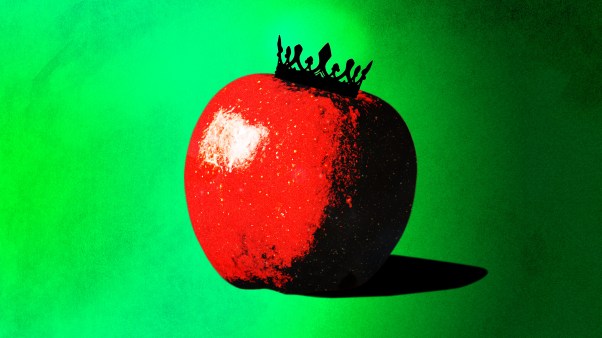
Our cover package this month comprises four Advent-themed essays that, along with our cover art inspired by the angel choir of Luke 2:14 and Henry Wadsworth Longfellow’s famous carol, call us to rediscover the transformative gift of stillness and reflection that Advent offers. The issue doesn’t exclude current affairs. Among other subjects, it spans race relations (see Mark Galli’s editorial on p. 27) and the refugee ministry of a survivor of the Rwandan genocide (which writer Laura Finch profiles on p. 62 and which, incidentally, was also covered in the December 2011 issue).
But our desire for this issue is that it would serve as a reminder, perhaps only briefly, that the crises of the moment can only be viewed in light of the greatest crisis mankind ever faced—the one that has already been resolved by the life, death, and resurrection of the child whose arrival we re-anticipate every December, saying: “Glory to God in the highest, and on earth peace, good will toward men” (KJV).
Andy Olsen is managing editor of Christianity Today. Follow him on Twitter @AndyROlsen.