Books
Review

What Birmingham Means Today

Four lessons for the church from an improbable civil rights triumph.

Library of Congress

Read the headlines these days, and it can seem like the country is splitting at the seams. The vitriol of our political and cultural debates is enough to make anyone wonder whether the "better angels of our nature" have gone into permanent hibernation.

Birmingham Revolution: Martin Luther King Jr.'s Epic Challenge to the Church

Can the church work for justice in such a climate? Can it raise up leaders able to step back from the fray, take stock of the cultural terrain, and plead with God for direction? Can it communicate gospel truths to an increasingly secular people?

Reading Edward Gilbreath's Birmingham Revolution: Martin Luther King Jr.'s Epic Challenge to the Church (InterVarsity Press) has given me a fresh perspective and renewed hope.

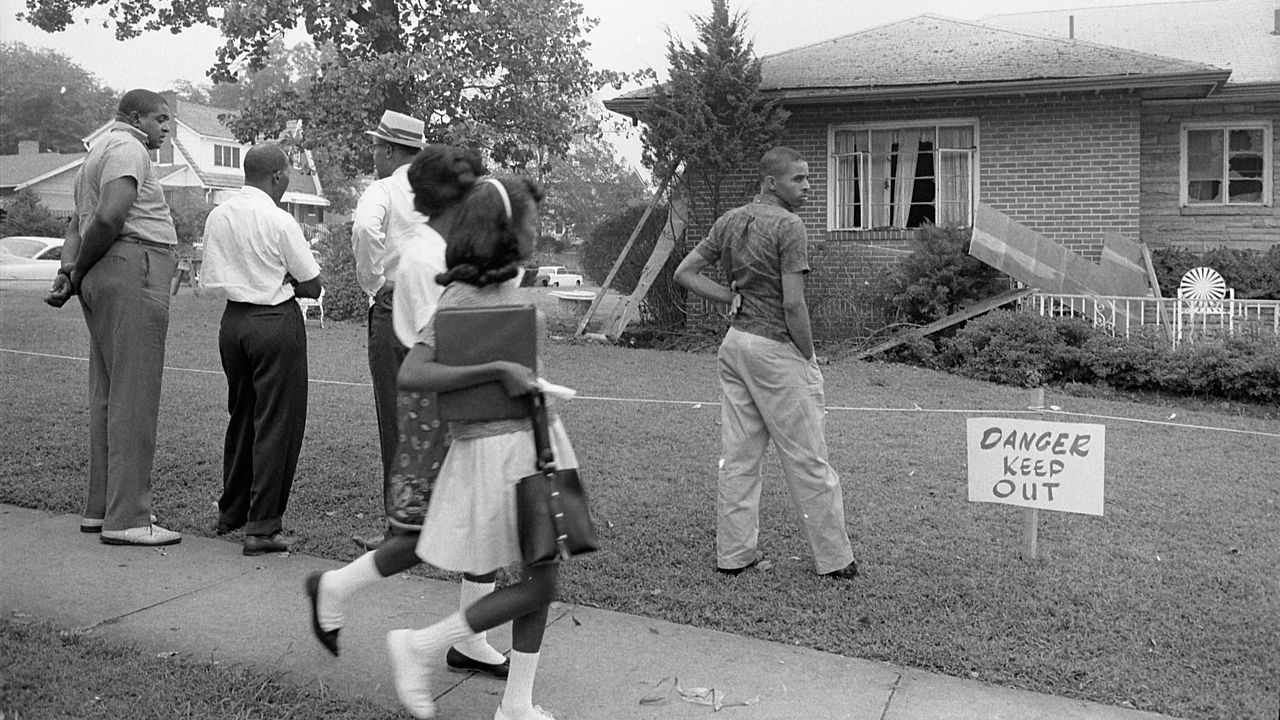
Gilbreath (a CT editor at large) hearkens back to the 1963 Birmingham civil rights campaign, to the world of Martin Luther King Jr., Fred Shuttlesworth, and other heroic Christian leaders. Today, we idolize these figures for leading a beleaguered people to the Promised Land. But as Birmingham Revolution makes clear, the civil rights movement was no slam dunk. Uncertainty, scarce resources, and outside hostility could have ground its progress to a halt.

The Birmingham campaign was pivotal. On the heels of defeat in Albany, Georgia, victory in Birmingham restored the movement's momentum. Failure could have crippled it, by drying up funding, discrediting the nonviolent method, and validating fears that the leaders were—take your pick—extremists, rabble-rousers, too Christian, not Christian enough, too Southern, or insufficiently urban.

How—amid the noise and ambiguity, the internal struggles and self-doubts, the bone-deep weariness and constant fear of death—did the Birmingham leaders maintain their focus? And how might their example instruct the church today? Gilbreath gives four answers.

First, and most important, they kept Christian faith front and center. Many people allow politics to shape their faith. But for King, it was always the reverse. Popular or unpopular, his positions were grounded in religious convictions.

Second, they practiced humility. Gilbreath calls this "embrac[ing] your inner Shuttlesworth." Shuttlesworth, the main civil rights leader in Birmingham, was a brave and bold Christian leader. Yet he recognized that victory in a thoroughly segregated Southern city required deference to King. Like a true Christian leader, he humbled himself for a greater good.

Third, the movement embraced youth. It would not have succeeded had the elders neglected to train junior partners and entrust them with leadership responsibilities. These younger activists recruited each other, filled the jails, and ultimately elicited violent reactions from the Birmingham police, which set the stage for negotiations.

And fourth, leaders lived out the principles of King's "Letter from a Birmingham Jail." This modern-day epistle charted a path through determined opposition toward justice and reconciliation. It is a treasure trove of timeless wisdom on distinguishing between just and unjust laws, understanding social and political change, grappling with root causes rather than effects, and preferring dialogue to monologue. It challenges us to work tirelessly for change, to engage the public square as extremists for righteousness, justice, and love.

Even today, in the afterglow of triumphs in Birmingham and beyond, we continue to face massive racial problems. Immigration debates are far from settled. Family redefinition is a fierce battleground.

Those issues, and many others, demand that the church learn and apply the lessons outlined in Birmingham Revolution. Don't lose hope that God can do another mighty work through his bride.

Michael O. Emerson is professor of sociology at Rice University.
Also in this issue

The CT archives are a rich treasure of biblical wisdom and insight from our past. Some things we would say differently today, and some stances we've changed. But overall, we're amazed at how relevant so much of this content is. We trust that you'll find it a helpful resource.

Cover Story

New Life After the Fall of Ted Haggard

Patton Dodd

Cover Story

Letting Pastors Be Real

Reply All

Testimony

How I Escaped the Mormon Temple

Lynn Wilder

The Gift of Being Evangelical

Laura Turner

Peace and Goodwill? 'Bah, Humbug,' Says the Holy Spirit

Biblical Adoption Is Not What You Think It Is

Three Views: Why Confess Sins in Worship When It Seems So Rote?

Kathleen Norris, John D. Witvliet, Enuma Okoro

Editorial

Four Powerful Ways to Solve the Crisis in Orphan Care

Timothy C. Morgan

Miracle of Science: 65 Diseases Treated With Adult Stem Cells

Bob Smietana

Perfecting 'The Ask'

Harold Smith, President and CEO

Trauma Counseling for Christian Journalists

Christ In Color

Timothy L. Hall

Meet the Christian Reporter Climbing the Ladder at The New York Times

Interview by Paul Glader

The Scary Truth About Christian Giving

Interview by Rob Moll

Review

Stop Blaming 'The Culture' for Our Distorted View of God

James K. A. Smith

Eric Metaxas: My Top 5 Books for Nonbelievers

Eric Metaxas

New & Noteworthy Books

Trading Tracts for Trafficking

Photo by Kyle Van Etten / InterVarsity Christian Fellowship / USA

News

YouTube's Blocked Testimony

Ken Walker

News

Help the Persecuted Stay? Or Help Them Move?

Kate Tracy

News

Gleanings: December 2013

News

Should Christian Colleges Encourage Students to Marry Each Other?

News

Church and State (Dept.): John Kerry Gets Religion

Melissa Steffan

News

Why So Many Christians Are Relaxing Over Drinks

Kevin P. Emmert

View issue

Our Latest

Quashing Political Violence Requires We Tame Our Tongues

The manifesto of the WHCD shooting suspect was biblically superficial and wrong. It was also unsettlingly familiar.

Review

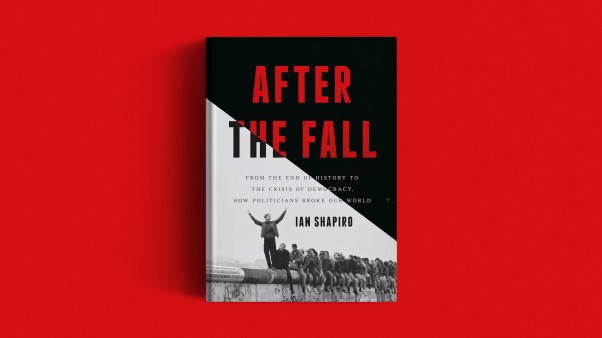
God Didn’t Make a Zero-Sum World

Ian Shapiro argues that democracy depends on spreading the wealth. But Christians are equipped to live in love, not fear.

The Bulletin

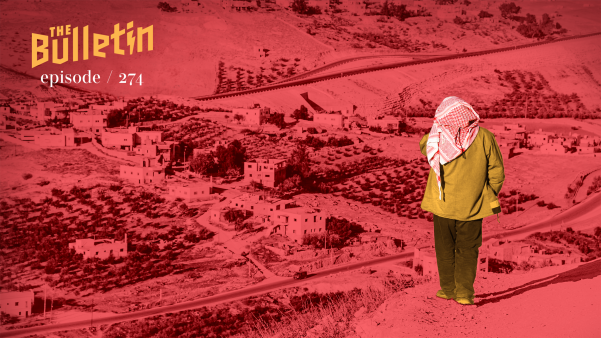
Trust in Higher Ed, Marijuana Status, NFL Draft, and West Bank Violence

Public confidence in universities, medical marijuana risk, NFL draft picks, and understanding the Israeli settler movement.

Excerpt

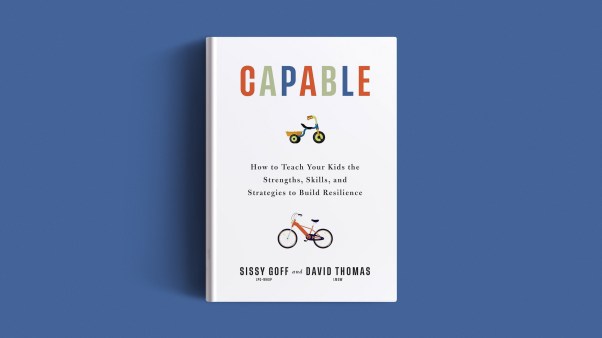
Competence Is Deeper Than Confidence

David Thomas

An excerpt from Capable: How to Teach Your Kids the Strengths, Skills, and Strategies to Build Resilience.

The Syllabus

In College, AI Is a Friend and Foe

Students discuss how the technology can serve as a learning tool but can also lead to dishonesty and laziness.

News

Washington Attack Suspect Sought to Justify Himself to Christians

In writings, Cole Tomas Allen thanked his church and argued that his attempt to assassinate Trump administration officials was compatible with his faith.

Being Human

Shame, Sexual Abuse, and Gaslighting with Christine Caine & Yana Jenay Conner

Can forgiveness meet reality when we navigate family trauma with truth?

The Revival That Wasn’t—and the One That May Be

Josh Packard and Raymond Chang

Young people remain deeply wary of large institutions, but they are undeniably interested in faith.

addApple PodcastsDown ArrowDown ArrowDown Arrowarrow_left_altLeft ArrowLeft ArrowRight ArrowRight ArrowRight Arrowarrow_up_altUp ArrowUp ArrowAvailable at Amazoncaret-downCloseCloseellipseEmailEmailExpandExpandExternalExternalFacebookfacebook-squarefolderGiftGiftGooglegoogleGoogle KeephamburgerInstagraminstagram-squareLinkLinklinkedin-squareListenListenListenChristianity TodayCT Creative Studio Logologo_orgMegaphoneMenuMenupausePinterestPlayPlayPocketPodcastprintremoveRSSRSSSaveSavesaveSearchSearchsearchSpotifyStitcherTelegramTable of ContentsTable of Contentstwitter-squareWhatsAppXYouTubeYouTube