At CT, we recommend books every week but not often specific articles. Today, though, the Zenger House Foundation is announcing its fifth annual awards for ground-level reporting consistent with a biblical ethic. I’d like to draw attention not to the foundation but the nine winning articles and one podcast.
CT published two of the winners that start off the list below. (Disclosure: I’m involved with Zenger House and serve as one of the five judges but recused myself from voting on CT articles.) I hope you read the articles below and maybe look through the 40 previous prize pieces from 2022 through 2025.
Here are brief descriptions of this year’s winners:
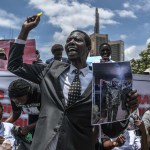
Mindy Belz in Christianity Today profiled surgeon Denis Mukwege, the Nobel Prize–winning founder of a hospital that has treated 70,000 women for injuries resulting from rape, mostly by M23 rebels trying to take over eastern Congo. The war goes on, and Mukwege, led by his faith in God, keeps fighting evil.

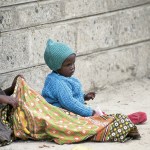
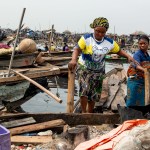
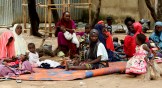
Emmanuel Nwachukwu in CT portrayed life in a refugee camp for Nigerians fleeing terrorists. Life, already tough for Jennifer Abraham, became even harder when assailants murdered her husband last year. She finds ways to feed their four children and says, “I don’t know when, but soon, God help me. Soon.”’
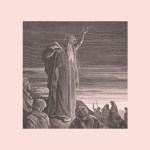
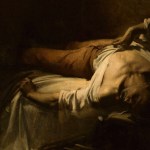
Sean Rubin in Plough told how his mother embraced Christ not through Bible reading, a sermon, or a “moment of decision” but via a winding road with a painting at the crucial turn. His story illuminates both God’s providence and a work of art studied for its mysterious illumination.
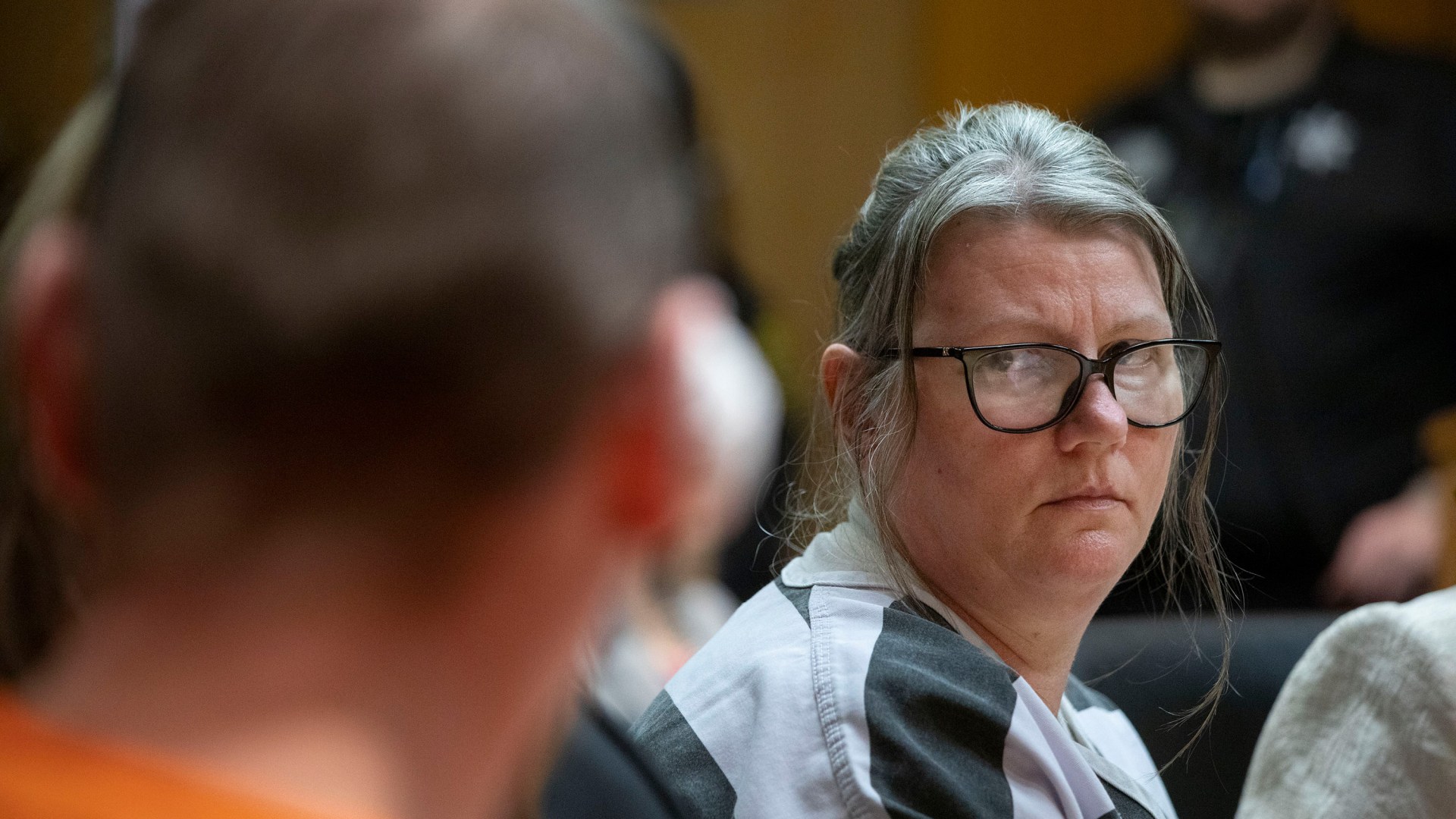
Elizabeth Bruenig in The Atlantic described what witnessing numerous executions taught her about evil and mercy. She reports the pain experienced by victims’ families and how some on death row respond to compassion, raising hard questions about how we weigh justice and the possibility of redemption.

Alien Mercy
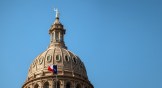
Elliott Woods in Texas Monthly showed—in words and pictures—striving and death amid the largest immigration-related disaster in American history. With awareness of border policy failure and sympathy for those desperately trying to improve their lives, Woods probed the intersection of meth-fueled smugglers and pocket prayer cards.
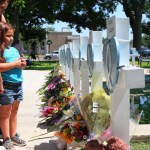
By offering a story of resilience and survival, John Woodrow Cox in The Washington Post provided a different angle on the flash flood that last July killed 25 campers and two counselors at Camp Mystic in Central Texas. Heroism merges with mystery, and a gripping image ends the story: “They bowed their heads.”
Joshua Rothman’s moving portrait of Dr. Greg Gulbransen in The New Yorker showed how one man turned a terrible tragedy—accidentally running over and killing his 2-year-old son in 2002—into a career dedicated to helping others through his “therapeutic workaholism.” He both saves lives and documents lives through photography.
Nancy Walecki in The Atlantic unspooled the history of her dad, who while running a guitar business counseled a generation of famous musicians. She drips in accounts of discount store competition, drug use, and hospitality, along with stories of personality and pathos among the music elite—and a religious awakening.
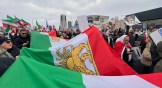
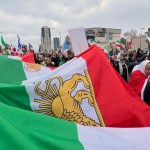
Coauthors Farnaz Fassihi and Hamed Aleaziz traced in The New York Times the journey of an Iranian convert to Christianity through Abu Dhabi, South Korea, Mexico City—and finally to California, where she hoped to be free from persecution. In February 2025, though, US federal agents shackled Artemis Ghasemzadeh and sent her to Panama.
In his weekly Church Politics Podcast, Justin Giboney leads a street-level and nonpartisan examination of Christian involvement in political issues. Fighting polarization by emphasizing discernment and refusing to dehumanize either right or left, Church Politics offers realistic hope to those who might otherwise despair.
Marvin Olasky is editor in chief of Christianity Today.