Ideas

We Serve the Purposes of God, Not the Politics of Men

The lust for power and the lure of lies collapse under the weight of truth.

Christianity Today January 7, 2021
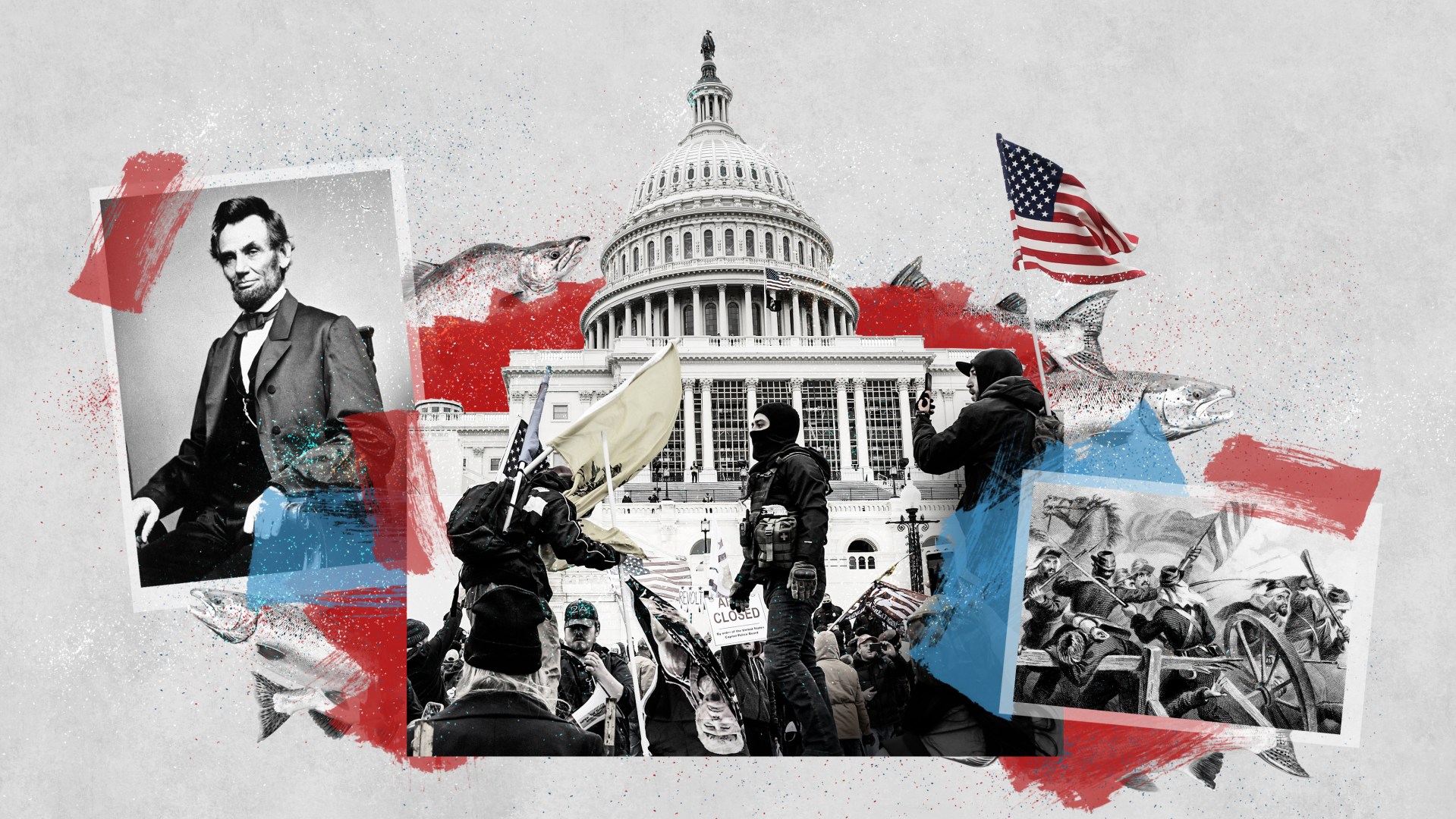
Illustration by Rick Szuecs / Source Images: Sipa USA via AP / Hulton Archive / Stringer / Getty Images / Staff / Envato

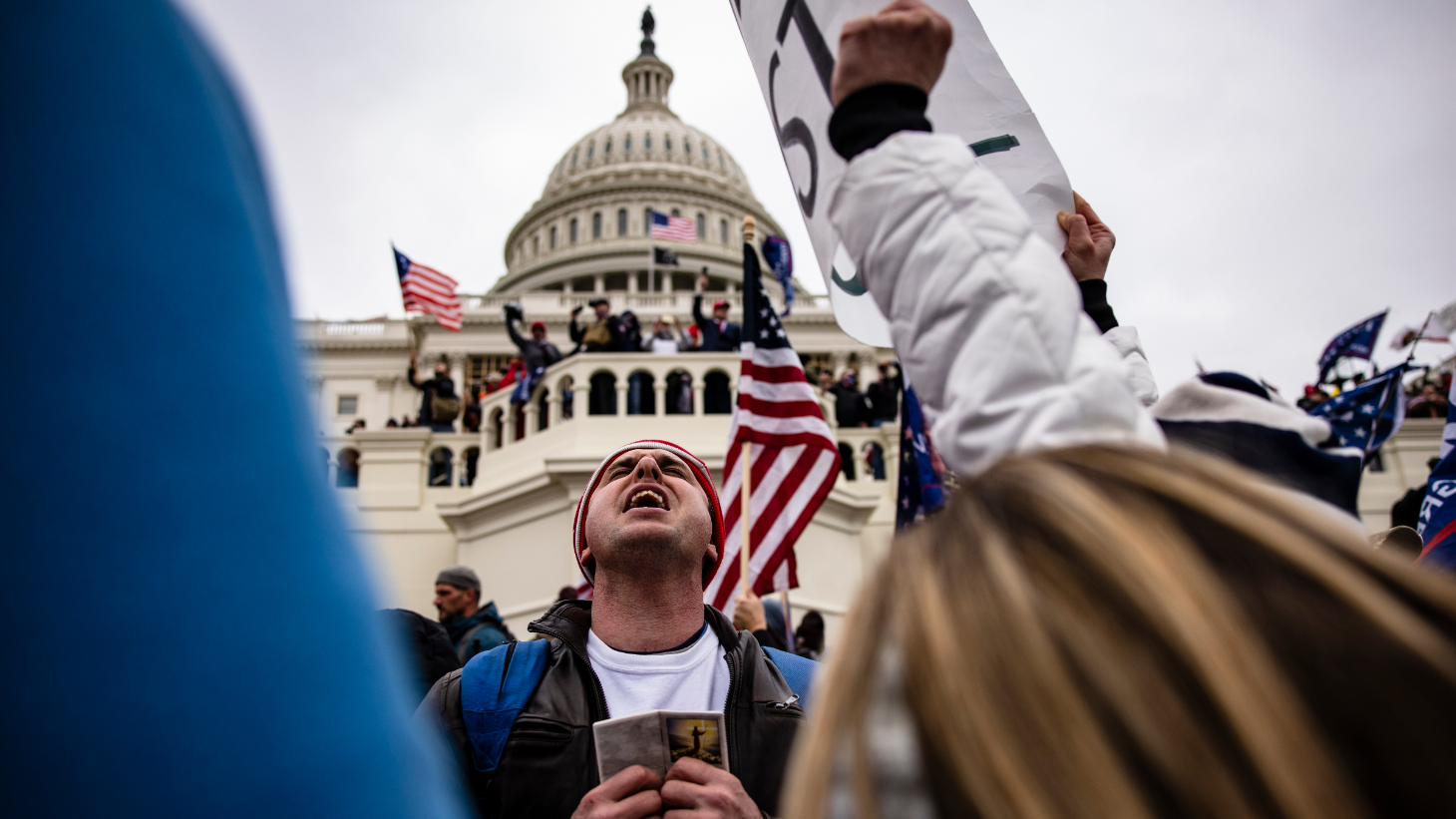
Watching in shock and dismay at the overrun of the Capitol on Wednesday, instigated by the president of the United States, emotions ran the range from heartbreak and fury, all the way to … delight. The melee was cleared by police, though the damage was done and at least one and as many as four lives lost. It was not hard to reimagine the scene and the death count had the mob not been mostly white. There’s no shortage of commentary with politicians finding some backbone instead of chasing the wind.

Politicians and pundits insisted, “This is not America.”

But this is America.

We are helplessly divided, entrenched, angry, and unrepentant—all characteristics Scripture characterizes as “the world” (1 Cor. 1), a state of reality opposed to the kingdom of God.

As Christians, we default to prayer, asking God for help, for peace, for justice, for righteousness to roll. Somehow some still prayed for overturning the election, abetting the mob and giving into the falsehood. The aims and objects of prayer depended on the side you sit on. The answers depend on the Lord—as Abraham Lincoln recognized even amid four years of a blood-soaked civil war:

Both read the same Bible, and pray to the same God; and each invokes His aid against the other. It may seem strange that any men should dare to ask a just God's assistance in wringing their bread from the sweat of other men's faces; but let us judge not that we be not judged. The prayers of both could not be answered; that of neither has been answered fully. The Almighty has His own purposes. (Lincoln’s Second Inaugural, March 4, 1865)

The Civil War was won, and lost, and its deadly and racist ripples persist. That Congress was compelled by yesterday’s violence to come to its senses and sort itself out, while welcomed, will likely last but a moment. As fallen humans, our capacities for righteousness and best intentions remain finite and tainted by sin and self-interest. We struggle to discern evil from good.

In Matthew 13:47–50, Jesus tells a parable about fishermen who hauled a daily catch ashore and culled the good from the bad. The parable portrays “the end of the age,” the final sorting, so to speak. We assume the shore to be eternity and the fish to be humans, though interestingly, the Greek text never expressly mentions the word fish.

The kingdom net hauls in the whole of creation. Everything finds it way to shore.

The kingdom net is specifically a dragnet that indiscriminately rakes in everything—fish to be sure, but also seaweed, flotsam, jetsam, plastic bottles, boots and beer cans and rusted anchors, every kind of marine debris. The kingdom net hauls in the whole of creation without question. Sink or swim, the kingdom net rejects nothing; everything finds it way to shore.

Once ashore there is a sorting, and since Jesus told his disciples—and by extension you and me—that they were the fishers of people, we presume we get to determine who’s good and who’s not, what’s right and what’s not, what goes into the basket and who gnashes their teeth in the furnace of fire. Surely every misogynist; racist; and fear-mongering, foul-mouthed, and morally repulsive demagogue and his followers all get the roaster. There they sizzle alongside the smug, the condescending and self-righteous, the entrenched and entitled who buy their way out of tension and trouble. It all depends on the sea you swim in.

But, wisely and rightly, Jesus assigns the sorting to unbiased angels, messengers of God with no agenda save the Lord’s own. As for us humans, let us judge not that we be not judged. “Do not take revenge,” the apostle Paul wrote to Roman Christians, “but leave room for God’s wrath, for it is written: ‘It is mine to avenge; I will repay,’ says the Lord” (12:19). God Almighty is not impartial toward evil, but the Lord does love mercy. He loves mercy more than we do.

As Christians, whatever our politics, yesterday demands we disentangle and reject the suspicions, lies, grievances, umbrages, and arrogance that have characterized our politics and country and its leaders of late. We must refuse to let our faith be co-opted by political power and principalities—despite our allegiance to country—and recommit, with humble hearts, to Christ and his kingdom, a full net, bursting to the breakpoint, a nod to God’s love for all things. The kingdom hauls in the whole of creation without question, then sorts the good fish from the bad (though I dare say, the good still gets fried in a pan and eaten for supper). The Almighty has his own purposes.

At the risk of cliché, the truth of the gospel asserts love never fails or stands down. It casts out fear (1 John 4:18), but also anger, hate, anxiety, and deceit. Rather than any passive acquiescence, love ferociously resists with the force of resurrection, day by day, defeating even death and the Devil for the sake of justice and mercy and humility on earth. Without love we are nothing (1 Cor. 13:1–3), because love is everything.

Daniel Harrell is editor in chief at Christianity Today.

Books

How Not to Read Cheesy Books with Your Quarantined Kids

Two judges for the CT Book Awards reflect on what makes books “good”—and why that matters for children during a global crisis.

Christianity Today January 7, 2021
Illustration by Rick Szuecs / Source Images: Taylor Smith / Unsplash / Barsrsind / AprilArts / Envato

For parents of school-aged children, it’s finally sinking in: This will be a long COVID winter. We’re already eleven months into isolation, which feels like the previous winter never really ended. We simply went from bundling up our kids before they played in the yard to slathering them with sunscreen (for the same yard) to bundling up again. And our hearts sink every time they wander back indoors. What to do next?

In both our families, the answer is always books. Not only does an author reside in each household; in addition, Erin runs an elementary school library, and Sarah helps plan literary conferences. Plus, both of us are preliminary judges for the annual CT Book Awards: Erin in the Children and Youth category, Sarah for Fiction. We unabashedly consider writers to be essential workers.

Data supports this. The more books a child accesses at home, the higher the test scores in every subject. Students, particularly those in impoverished areas, often only have access to books through their school and classroom libraries. Public library closures have only amplified the reading deficit. And yet literally every book you bring into a child’s home contributes to that child’s flourishing, more so than parents’ education, occupation, or wealth.

Why? Reading (especially reading aloud) builds academic habits and executive-function skills (paying attention, emotional regulation, working memory, and so on). In addition, written stories expose children to vocabulary, information, and a theory of mind (“others think differently than I do”), as Meghan Cox Gurdon argues in The Enchanted Hour: The Miraculous Power of Reading Aloud in the Age of Distraction. Literary fiction, in particular, has been shown to increase the capacity for empathy.

Sure, words on paper won’t magically create more curious, more compassionate humans, which is why we also encourage nurturing conversations: What made that character act that way? What do you have in common with that character? How are you different? What do you wonder?

So we read and discuss good books with children, pandemic or no pandemic. Observing the effects of sheltering in place on our own kids has only intensified our conviction that books are the gateway to, well, everything. But how do we find books that are, you know, good? And who gets to define that anyway?

Defining “Good” Books

When you’ve read more than a handful of kids’ books, you begin to realize what makes for a good one. For starters, grownups and children both dig it. As Madeleine L’Engle, Newbery-winning author of A Wrinkle in Time, famously wrote in her book Walking on Water: Reflections on Faith and Art, “if a book is not good enough for a grownup, it is not good enough for a child”—a concept which C. S. Lewis, author of The Chronicles of Narnia, also embraced a generation earlier: “A children’s story which is enjoyed only by children is a bad children’s story. The good ones last.” This is intuitive, right? Except when some “must read” book is boring you or the kids to tears. Trust us: When you and your child find a book that momentarily makes both of you forget about all the quotidian sounds from the next room, you’ll know you’ve hit upon a winner.

A good book likewise points to a moral vision, some semblance of truth. Matthew Paul Turner’s When God Made the World and its accompanying illustrations by Gillian Gamble inspire awe beyond a mere chronological retelling. We readers recognize wisdom in the generous grandmother from Oge Mora’s Thank You, Omu! and loyalty in the friends from Meg Medina’s Evelyn Del Rey Is Moving Away. We’re compelled to be better versions of ourselves, and that’s good too.

A good book also deserves discussion. What makes the apartment dwellers assume the new tenants are terrible and dirty in Sarah McIntyre’s The New Neighbors? Rita L. Hubbard’s The Oldest Student: How Mary Walker Learned to Read brings up a conversation about fairness that isn’t didactic.

Good isn’t necessarily synonymous with “classic,” either. This is often evident when it comes to matters like race. Whatever the virtues of well-known works like the Little House on the Prairie and The Indian in the Cupboard series, parents might have good reason to look elsewhere for books that push their children to think harder and better about the realities of human difference and privilege. Jerry Craft’s New Kid and Class Act, on the other hand, are only getting started in shaping valuable conversations. The companion graphic novels (the first of which won the 2020 Newbery Medal) are both relevant and astute in their social observations.

Theologically speaking, good doesn’t mean “safe” or “clean,” or else we’d swiftly remove every Bible from our shelves (we wouldn’t want our unsuspecting fourth graders to stumble upon, say, the Book of Judges!). Likewise, “good” doesn’t mean only those works written by Christian authors or produced by Christian publishers. To paraphrase L’Engle again, when it comes to distributing talent or spiritual insight, God is no respecter of persons. If a painter paints a sunset, the work of art either succeeds or fails according to the skills and craft required—regardless of whether the artist is an atheist or believer.

Being people of faith doesn’t give us a pass from reading widely and well. Nor does it allow us to settle for reading only those books that simply shore up what we already believe. Even the apostle Paul, when conversing with the Athenian intellectuals in Acts 17, quotes their own poets back to them—which means he was familiar with at least some of their literature.

Reading widely is especially crucial during a global pandemic, when nearly every community around the world is experiencing some version of the same isolating crisis. For communities that regularly sit on the edge of collapse, the stakes are much higher—but we may fail to see those communities the way God does without a window into their perspective. Literature opens the shutters, raises the blinds.

Meanwhile, when the fear of the unknown hovers over every minute of every day, books that offer simplistic solutions to complex suffering, or that employ emotional shortcuts through sentimental tropes, do our children a disservice. No, everything will not suddenly, magically improve if only you “believe in yourself.” Rather, Jesus knows what it’s like to suffer. Our children can experience the God who is with them in the darkness, in the valley. Books that walk alongside them through very real fear and danger can give them a more robust understanding of who God is and a deeper trust that they’re not alone.

Filling the Shelves

Which books would we have you read, then? Which of these good, “instirring” reads (to quote a malapropism by Sarah’s eldest) would we have you look for?

When young readers wonder where God is during difficult times or when they have big questions, we recommend the 2020 CT Book Award-winning Far From Home: A Story of Loss, Refuge, and Hope by Sarah Parker Rubio, beautifully illustrated by Fátima Anaya. The Arthurs’ second grader adores Benjamin Schipper’s fun illustrations in Jennifer Grant’s Maybe God is Like That Too and Maybe I Can Love My Neighbor Too.

For themes of perseverance and community, pick up 2020 Caldecott Award–winning, Newbery honoree The Undefeated, by Kwame Alexander and Kadir Nelson. Erin’s library classes are always astounded by the power of a group of kids in Let the Children March by Monica Clark-Robinson and Frank Morrison (a Coretta Scott King Award–winning book). The early elementary set is also primed to be impressed with God’s world, so Erin presents them with books that make them say, “Wow!”—books like Who Am I? A Peek-Through-Pages Book of Endangered Animals, by Tim Flach, as well as Teruyuki Komiya’s Life-Size Animals series.

Reading books in a series can prolong a relationship with characters and themes. Start with The Vanderbeekers series by Karina Yan Glaser. The books are on the right side of saccharine; the family is a happy one with relatable problems. A must for middle-grade books (ages 8-12): The kids are empowered to solve these problems. (Another with strong characters is Victoria Jamieson and Omar Mohamed’s graphic novel, When Stars Are Scattered.)

For middle-grade readers and up, Sarah suggests Stories of the Saints: Bold and Inspiring Tales of Adventure, Grace, and Courage, elegantly crafted by Carey Wallace with engrossing, graphic novel–like illustrations by Nick Thornborrow. For slightly older readers (including teens and adults), Daniel Nayeri’s award-winning autobiographical novel Everything Sad is Untrue (a true story) masterfully narrates Daniel’s childhood flight from Iran to Italy to Oklahoma after his mother converts to Christianity. (Spoiler alert: Things are not easier in the land of the free.) Neither of these books sanitizes the difficult path that people of faith, including children (and especially survivors), often tread. While unsettling, like Grimms’ Fairy Tales and The Arabian Nights, these stories resound with hope, joy, and resilience.

For fans of YA (young adult) literature, Erin suggests anything written by Court Stevens; start with Dress Codes for Small Towns and the 2020 release, The June Boys. Stevens writes about belonging, sexuality, and identity—and, even better, characters’ families and faith relationships that are complex but functional, honest and not dismissive. For further reads about identity, nab Mitali Perkins’s books, including You Bring the Distant Near.

Sarah’s recent YA favorites include Sara Zarr’s Goodbye from Nowhere, which features an older teen who’s slowly losing all the everyday things he’s taken for granted (his parents’ marriage, a great girlfriend, his grandparents’ homestead), forcing him to recalibrate his sense of belonging. Ordinary Hazards: A Memoir, by bestselling author Nikki Grimes, is a collection of free-verse poems that follows Grimes’s childhood journey through her mother’s mental illness, her father’s absence, and being separated from her beloved sister in the foster care system. Despite the darkness, these books hint at—and sometimes even shimmer with—the presence of a God who never leaves us nor forsakes us.

At the end of this COVID winter, we pray things will be different for children everywhere. In the meantime, words on a page can transform imaginations and offer insights to experiences, people, and places beyond our front doors. The longer those doors stay closed to the outside world, the more insular we risk becoming. So if ever there were a time to read aloud or give our children a good book, it’s now. May this time of cloistering at home fuel a broadening of their horizons and a deepening of their faith through the narratives they encounter.

Sarah Arthur and Erin F. Wasinger are co-authors of The Year of Small Things: Radical Faith for the Rest of Us.

Christian Leaders Pray for Peace and Safety Amid Capitol Mob

For believers under democratic rule, peaceful transitions are “part of honoring and submitting to God’s ordained leaders.”

Christianity Today January 6, 2021
Samuel Corum / Getty Images

Evangelical leaders, both supporters and critics of President Donald Trump, spoke out and offered prayers for protection as rioters in Washington, DC, clashed with police, putting the Capitol under lockdown.

The swarming of the Capitol coincided with the congressional session to certify President-elect Joe Biden’s electoral college victory, which drew protestors to DC to support the outgoing president and urge Republicans to reject the election results.

In the middle of the two-day Jericho March, as participants circled government buildings to pray for a Trump victory, members of Congress were praying together for their own safety from violent mobs while sheltering in place inside the Capitol, NBC reported.

Pastor Rick Warren called the attack “domestic terrorism,” while Southern Baptist Convention (SBC) Ethics & Religious Liberty Commission president Russell Moore condemned their actions as “immoral, unjust, dangerous, and inexcusable” and called on the president to direct his supporters to “stop this dangerous and anti-constitutional anarchy.”

https://twitter.com/drmoore/status/1346913243403485194

SBC president J. D. Greear referred to the Christian responsibility to submit to government leaders in a peaceful transition of power and also asked for the president to urge his supporters to back down.

https://twitter.com/jdgreear/status/1346910264340348932

While Christians across the spectrum have decried the behavior of the Capitol rioters, some have pointedly blamed Trump for his refusal to accept the results of the election, while others are calling more generally for a spirit of bipartisan unity and peace.

“Will you join me—Democrat & Republican—in praying for America?” tweeted Greg Laurie, who has repeatedly visited the White House to pray for Trump. “Pray for peace on our streets, for protection & wisdom for our leaders.”

Southern Baptist Theological Seminary president Albert Mohler, who backed Trump in 2020 but has refuted claims of election fraud, put the responsibility directly on the president. “President Trump is responsible now for unleashing mayhem,” he wrote.

Rallying his supporters behind him, Trump has repeatedly suggested Vice President Mike Pence reject the Biden victory, though Pence said he did not have authority to do so.

The president first tweeted in support of law enforcement and, more than an hour after the Capitol breach, asked demonstrators to “remain peaceful.” In a video clip, he repeated false claims that the election had been stolen. He told protesters, “We love you, and you’re very special,” but asked them to “go home now.”

Even endorsers of the president condemned the actions of the Capitol crowds, many of whom were waving Trump flags and Christian flags and dressed in militia gear.

Michael Brown, a Messianic Christian author who voted for Trump, said, “More than evangelicals bringing out the best in Trump, he has brought out the worst in us. Face it.”

Brown spoke out to say a spirit of “lawlessness and anarchy” is always wrong, whether from pro-Trump protestors or “BLM-Antifa rioters.” Tony Saurez, a member of Trump’s advisory board, agreed, praying “God protect our country, our government and our citizens.”

https://twitter.com/DrMichaelLBrown/status/1346903262595842052

Sean Feucht, the Christian musician and political hopeful known for his worship protests in violation of COVID-19 restrictions, asked those storming the Capitol to stop. Evangelist Jay Strack, a Trump adviser based in Florida, asked followers to pray for leaders in Washington.

Protests also broke out around state capitols where election results were being challenged by Trump supporters, including in Georgia, where state leaders were escorted out of the building for safety, and in Michigan, where Christian protestors appeared to erect a wooden cross in Lansing. During a previous DC protest in favor of Trump last month, vandals destroyed Black Lives Matter signs at multiple churches.

Ideas

We Need to Be Better Losers

The legitimacy of US elections requires someone to lose. For Christians, that should be okay.

Christianity Today January 6, 2021
Illustration by Rick Szuecs / Source images: Brooke Cagle / Unsplash / George Rudy / Envato

Nobody likes to lose. But Americans will need to get better at losing if we want to maintain our system of government in the years ahead. And Christians of all people should model losing well, based in our commitment to Christ’s victory through the cross and what we are told in Scripture about our nature as losers in the eyes of the world.

Neither Americans in general nor Christians in particular have demonstrated an ability to be good sports in defeat this week, though. When Congress certified the results of November’s presidential election, formally naming Joe Biden the winner, dozens of representatives and several senators objected to the results of the election in a number of states. These were unsupported claims with no chance of changing the outcome, but they did turn what is usually a formal and boring process into a partisan frenzy, and perhaps a litmus test for Republicans running for national office in 2022 and 2024.

Ever since the election concluded in November, there have been allegations that the election was taken from President Donald Trump. The president has long perfected the image of being a winner, and some Trump voters could not believe it was possible for him to lose. The only explanation was an insidious plot to steal the election and subvert the will of the American people. Fighting these results therefore became a matter of standing up for America itself.

These allegations were amplified by prominent national figures, including the president, members of Congress, and a variety of Christian voices. Franklin Graham said that “he tends to believe” Trump’s claim that the election was “rigged or stolen.” Greg Locke said he feels sorry for people “that are so deceived that they will look past obvious and massive fraud to cling to a false hope,” adding, “Trump will remain President.” And Eric Metaxas, who helped organize December’s Jericho March, has been a consistent and outspoken critic of the election’s legitimacy, saying, “This is a war for the soul of our nation!”

Speaking as a political scientist and as a Christian who did not vote for Joe Biden in November, I think it is important to say that these allegations are baseless nonsense. They are grounded in selectively presented half-truths, ambiguous and out-of-context videos, and outright falsehoods. They fall apart under the slightest scrutiny.

In the days following November’s election, I asked my students what was more likely: that a consistently unpopular president overseeing a once-in-a-lifetime health crisis and sputtering economy, who narrowly won his previous election against a deeply polarizing opponent, narrowly lost his current election to a less polarizing and more popular opponent? Or that this same president was the victim of unprecedented fraud and corruption, even though his own party actually overperformed in many down-ballot races?

Occam’s razor isn’t a perfect tool, but here it proves especially useful. The simpler explanation really is better.

The truth is, sometimes people lose. Our system of government depends on citizens recognizing that fact and being okay with it. The American system of government actually guarantees losers. Our winner-take-all system of elections differs from the proportional voting systems of other countries, so if a candidate wins just one more vote than his opponent in an election where millions of people participate, he or she wins the election outright. There is no consolation prize for second place. There is only a winner and a loser.

If Americans can’t accept that, the system will be seriously undermined. The legitimacy of the American government is rooted in the legitimacy of our elections. If more and more people turn to conspiracies and outlandish and unsubstantiated claims of fraud to explain electoral outcomes, then a collapse in self-governance may not be far behind.

This concerns me, since recent polling shows that Americans are split along partisan lines concerning the legitimacy of the 2020 election. This isn’t an entirely new phenomenon—consider those who were convinced that Russia had tampered with vote tallies in 2016—but it is apparently becoming more widespread. Self-government depends on citizens losing well with an eye toward the next election, not burning the system to the ground.

Christians should be leading the way in losing well. Rejecting nonsense and embracing truth, however dispiriting, is essential to our witness to a skeptical world. If Christians are broadcasting conspiracy theories about elections, what credibility do we have when telling the world of the Good News of a resurrected Savior? When it comes to making sense of controversial things like presidential elections, we Christians should not be naïve or bury our heads in the sand, but neither should we be searching for comforting explanations in far off places in lieu of realistic explanations right in front of us.

Scripture serves as a valuable resource in this conversation. The psalmist advises, “Put not your trust in princes, in a son of man, in whom there is no salvation” (Ps. 146:3, ESV throughout).

When Christians speak of a given election either winning or losing “the soul of our nation,” we risk putting the government of men ahead of the sovereignty of God.

Consider Proverbs 24:16, which says, “For the righteous falls seven times and rises again, but the wicked stumble in times of calamity.” If Christians should make peace with losing for the sake of our humility, we should also do so to grow our resilience. Our response to defeat is a truer testament to our hope in Christ than our response to victory.

Paul exhorts Timothy and his church to “have nothing to do with irreverent, silly myths” (1 Tim. 4:7). This implies our ability to discern fact from fiction and to do so without the reassuring crutch of confirmation bias. Social media makes it easier than ever to embrace comforting sources instead of legitimate ones, Just as the early church was warned against embracing tempting but poor information, so too are we.

Finally, think about Jesus’ disciples in Gethsemane. All their work over the previous years was in danger as their master, the one with whom they had entrusted everything, was hauled away by the authorities. Their very identity, all they had seen and believed to be true, was apparently lost. It’s hard to imagine a greater sense of loss from people with so much to lose.

Peter, of course, wasn’t having any of it. His reaction is one we might identify with—seizing a sword and wielding it against injustice, all for a perceived righteous cause. Jesus, however, had different plans, rebuking Peter and healing his injured captor. Jesus may have been considered a loser in that moment, but we now know it was only temporary. God’s sovereignty extends beyond our present circumstances.

When the stakes are as high as they are in a presidential election, defeat can be particularly discouraging—and even scary. But that doesn’t justify abandoning principles of discernment and wisdom while embracing the sort of foolish teaching Paul condemns in 1 Timothy. Just because something is reassuring does not make it right.

The world may constantly jump from truth to truth as the moment demands, but Christians should be different. While we absolutely should fight for justice and truth in the public square, we should also be prepared to lose from time to time, and do so with confidence that comes from our identity in Christ. After all, we are inheritors of a greater victory than the world could ever provide.

Daniel Bennett is associate professor of political science at John Brown University. He is also assistant director of the Center for Faith and Flourishing and is president of Christians in Political Science.

Speaking Out is Christianity Today’s guest opinion column and (unlike an editorial) does not necessarily represent the opinion of the publication.

News
Wire Story

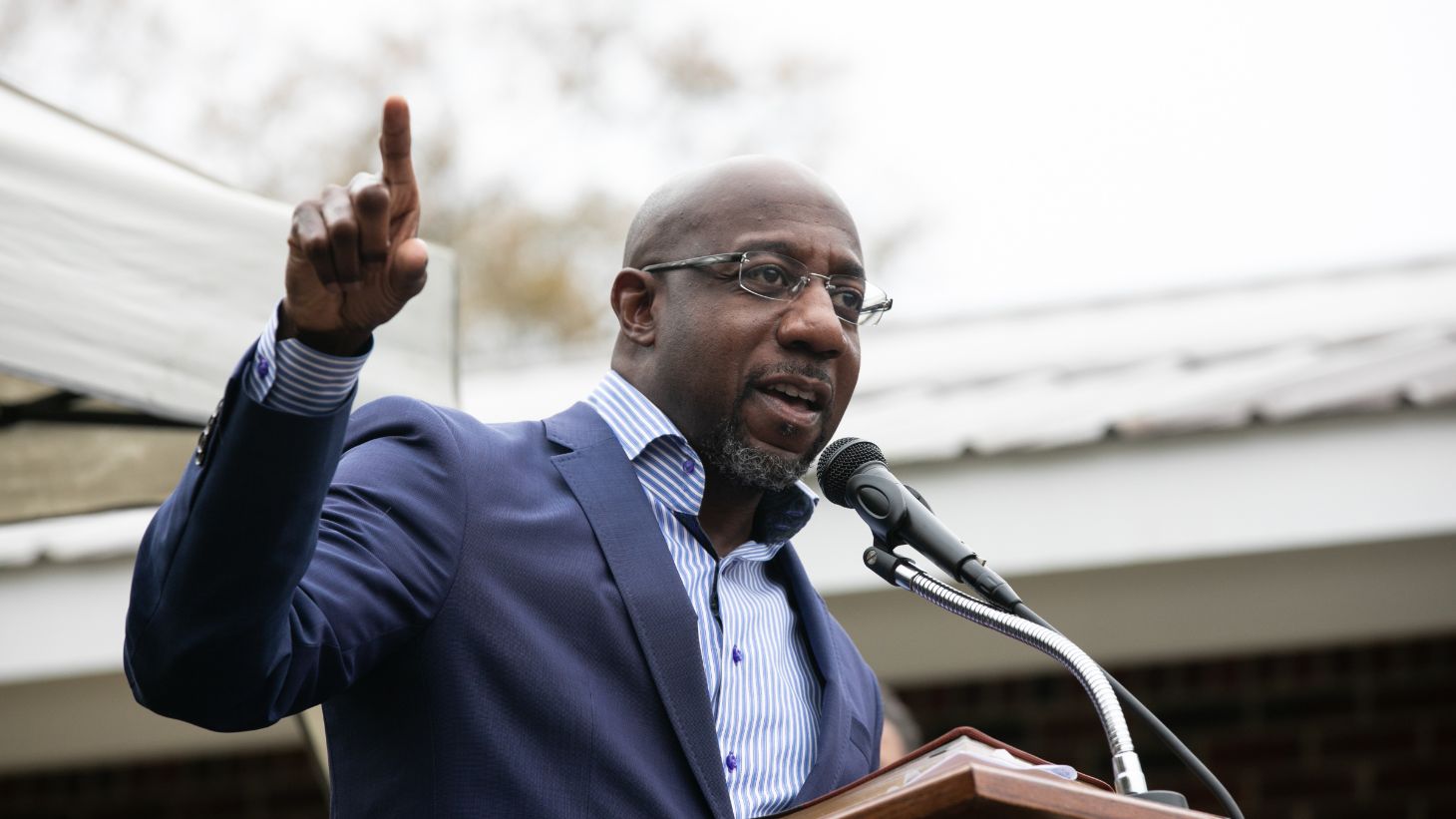
Like Preacher-Politicians Before Him, Senator Raphael Warnock Will Keep His Pulpit

The Ebenezer Baptist pastor becomes the latest in a line of African American ministers in Congress.

Raphael Warnock

Raphael Warnock

Christianity Today January 6, 2021
Jessica McGowan / Getty Images

Raphael Warnock has won one of Georgia’s two runoff elections for US Senate: Will he be both a pastor and a politician?

Yes, says, Michael Brewer, a spokesman for the minister’s campaign, “if elected he will remain senior pastor.”

Marla Frederick, professor of religion and culture at Emory University’s Candler School of Theology, told Religion News Service that an active pastor would not be unknown in the political life on Capitol Hill. “There are models for doing both/and,” she said.

“The pastorate is one of these careers, these callings, if you will, where you have to stay in such close contact with everyday people and their concerns,” said Frederick.

“To the extent that the Senate (is) supposed to represent the concerns of people, it seems to me that someone who’s been a pastor has the capacity to be much more in tune with the kinds of struggles that people are dealing with in their everyday lives.”

Warnock, who has led Ebenezer Baptist Church in Atlanta since 2005, had something similar to say in a statement to RNS in November.

“It’s unusual for a pastor to get involved in something as messy as politics, but I see this as a continuation of a life of service: first as an agitator, then an advocate, and hopefully next as a legislator,” Warnock said as he was closing in on the top spot of a wide-open primary. “I say I’m stepping up to my next calling to serve, not stepping down from the pulpit.”

With Warnock’s election to the Senate, he can reflect on these other African American ministers who kept up a busy church life while serving in Congress:

Richard Harvey CainUS Congress / Creative Commons
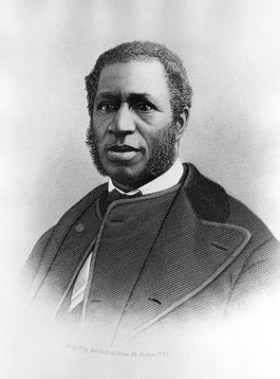
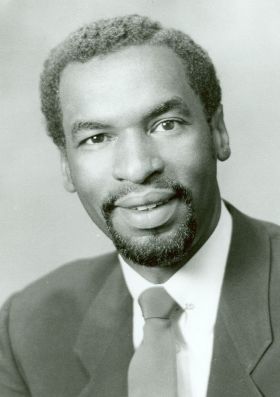
Richard Harvey Cain

Richard Harvey Cain, 1873-75, 1877-79

Prior to being elected a Republican congressman from South Carolina, Cain sought out another form of public service: a volunteer in the Union army. He was rejected, as were many free Blacks at the time, but later he became pastor of Emanuel AME Church in Charleston (where, a century and a half later, the notorious Bible study massacre took place).

“In the House, Cain supported civil rights for freed slaves,” according to Charles M. Christian in Black Saga: The African American Experience: A Chronology. “Cain’s seat was eliminated in 1874, but he remained active in the Republican Party, and was reelected to Congress in 1876.”

In remarks to Congress urging passage of a civil rights bill, Cain spoke of why equal rights for Blacks were justified.

“I ask you to grant us this measure because it is right,” he said in a speech that received loud applause, according to Preaching with Sacred Fire: An Anthology of African American Sermons, 1750 to the Present. “I appeal to you in the name of God and humanity to give us our rights, for we ask nothing more.”

After his tenure in Congress, Cain was elected a bishop of the African Methodist Episcopal Church.

Adam Clayton Powell Jr. James J. Kriegman / Library of Congress / Creative Commons
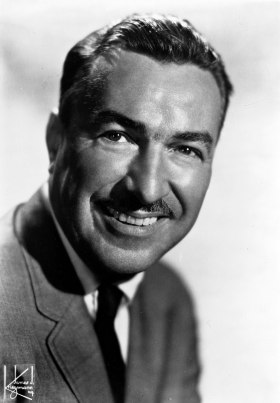
Adam Clayton Powell Jr.

Adam Clayton Powell Jr., 1945-1971

Before, during and after his long service as a Democratic US representative, Powell was pastor of the prominent Abyssinian Baptist Church in New York, where Warnock would serve as a youth pastor decades later.

The authoritative history of the church notes that when Powell arrived in Washington in 1945, one of his first acts as a congressman was an act of civil disobedience. “(H)e immediately availed himself of the use of the Congressional dining room, which was segregated,” reads the 2014 history Witness: Two Hundred Years of African-American Faith and Practice at the Abyssinian Baptist Church of Harlem, New York. “Powell staged his own successful sit-in.”

The Democrat served as chair of the House Education and Labor Committee, worked on the passage of minimum wage legislation and helped pass laws that prohibited the use of federal funds in the construction of segregated schools.

“As a member of Congress, I have done nothing more than any other member and, by the grace of God, I intend to do not one bit less,” he said about his time in the role.

Floyd FlakeUS Congress / Creative Commons
Floyd Flake

Floyd Flake, 1987-1997

The senior pastor of the Greater Allen AME Cathedral of New York, Flake served 11 years concurrently as a member of Congress and the leader of his megachurch.

Considered the “de facto dean of faith-based economic empowerment,” Flake and his wife, Elaine M. Flake, have developed commercial and social projects in Jamaica, New York, such as a corporation focused on preserving affordable housing, a senior citizens center, and an emergency shelter for women who are victims of domestic violence.

As a member of Congress, he chaired the Subcommittee on General Oversight of the House Banking Committee. He also helped gain federal funds for projects in his district, including an expansion of John F. Kennedy International Airport.

As successful as Flake was, he may have some lessons for anyone trying to fill both a pulpit and a seat in Congress: He resigned his congressional role, saying his priority was his church — where he remains in his leadership role.

“My calling in life is as a minister,” Flake told journalists, “so I had to come to a real reconciliation … and it is impossible to continue the sojourn where I am traveling back and forth to DC.”

John LewisUS Congress / Creative Commons
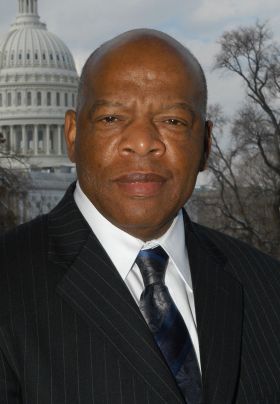
John Lewis

John Lewis, 1987-2020

Lewis, an ordained Baptist minister and civil rights activist, began preaching as a teenager and viewed his work for social justice as connected to his faith.

He was the youngest speaker at the March on Washington, addressing the crowd minutes before Martin Luther King Jr. gave his “I Have a Dream” speech, and served as the chairman of the Student Nonviolent Coordinating Committee.

Lewis’ work for voting rights led to his being beaten by police as he crossed the Edmund Pettus Bridge. Late in his life, he worked with religious groups to address what he considered the “gutting” of the Voting Rights Act by the Supreme Court in 2013.

In 2016, Lewis told RNS he did not regret moving away from traditional ministry.

“I think my pulpit today is a much larger pulpit,” he said. “If I had stayed in a traditional church, I would have been limited to four walls and probably in some place in Alabama or in Nashville, Tennessee. I preach every day. Every day, I’m preaching a sermon, telling people to get off their butts and do something.”

Emanuel Cleaver IIUS Congress / Creative Commons
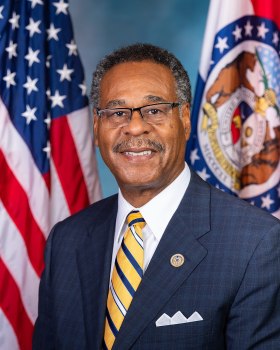
Emanuel Cleaver II

Emanuel Cleaver II, 2005 to present

Cleaver was senior pastor of St. James United Methodist Church in Kansas City, Missouri, before turning the pulpit over to his son in 2009.

The chair of the House Subcommittee on National Security, International Development and Monetary Policy, he has co-authored a reform bill on housing programs. He also was instrumental in the creation of a Green Impact Zone in which federal funds created jobs and energy efficient projects in a 150-block area of Kansas City known for crime and unemployment.

As the 117th session of Congress opened this week, Cleaver drew attention and ire for ending his invocation in the name of “God known by many names by many different faiths — amen and a-woman.”

He told a local TV station that the prayer was a nod to the diverse Congress where more women are serving than ever before.

“After I prayed, Republicans and Democrats alike were coming up to me saying ‘thank you for the prayer. We needed it. We need somebody to talk to God about helping us to get together,’” he told KCTV. “It was a prayer of unity.”

News

Inside RZIM, Staff Push Leaders to Take Responsibility for Scandal

Ravi Zacharias built a reputation for fearless pursuit of the truth. Now the ministry he founded grapples with accountability amid “toxic loyalty culture.”

Christianity Today January 5, 2021
Illustration by Mallory Rentsch / Source Images: Google Maps / Portrait Courtesy of RZIM

Inside Ravi Zacharias International Ministries (RZIM), staff wondered for months whether the world’s largest apologetics ministry would be willing to tell the truth about its famous namesake.

In the final months of 2020, some pushed senior leadership to acknowledge the credibility of the detailed allegations raised against Ravi Zacharias after his death, demonstrate concern for victims of sexual abuse, and take responsibility for the corporate culture that prioritized his legacy over everything else.

Then, days before Christmas, RZIM officially recognized substantial evidence that Zacharias sexually abused multiple women. Zacharias’s daughter, RZIM CEO Sarah Davis, promised to release the full results of an ongoing independent investigation.

But the internal dissension is still roiling inside RZIM. Some staff members argue the $36 million global ministry—built on the late apologist’s reputation for faith and truth—could become a model for dealing with scandal or could be another example of an institution preserving its power at the cost of its Christian witness.

RZIM staff originally heard that the allegations against Zacharias were baseless attacks designed to hurt their gospel work. But some began to openly reject that narrative—first within the ministry, then publicly. Senior RZIM leaders and board members (whose names are not made public) now face pressure from within the ministry to demonstrate a new commitment to accountability.

“I think we need a total apology and total transparency,” Max Baker-Hytch, an RZIM speaker who also teaches philosophy at Oxford University, told CT. “I’m afraid we won’t really admit to the corporate complicity and the toxic loyalty culture.”

When CT reported in September that Zacharias had repeatedly exposed himself to, masturbated in front of, and groped women who worked at two Atlanta-area day spas he co-owned, the ministry initially responded—as it had to previous accusations—by flatly denying the allegations. Though the organization told CT it would hire a law firm to investigate the claims, RZIM said in the same statement that it considered the claims false.

RZIM’s December 23 statement, summarizing preliminary findings from an outside investigation, marked the first time the ministry acknowledged sexual misconduct by its founder, who died in May at the age of 74. Over five decades of ministry, he grew to become arguably the most famous Christian apologist in the world.

Staff members start to speak out

According to RZIM’s initial response to CT’s reporting, “the family and ministry teammates of Ravi Zacharias”—a group that includes a few hundred speakers and staff members in more than a dozen offices around the world—knew the allegations weren’t true based on their personal experiences with Zacharias.

At an online all-staff meeting in mid-October, however, RZIM speaker Sam Allberry, who officiated at Zacharias’s graveside service, asked why “ministry teammates” had been included in the official denial. They had not been consulted before leadership crafted the unsigned statement denying the claims.

“Why are you putting words in my mouth?” said Allberry, according to people who attended the meeting. “Frankly, I believe these women and find their allegations to be credible.”

Others at RZIM—from people who keep the Atlanta headquarters running to top-level apologists—also started to speak out, persuaded by the reporting in CT and World magazine that the accusations were serious and credible.

This increasingly vocal group pushed back against the institution’s official narrative, first with questions during staff meetings, then with letters to leadership and the board, and then with public statements when they felt their concerns were not being taken seriously.

“I believe the women who have come forward,” Amy Orr-Ewing, a senior vice president with RZIM and the ministry’s first full-time female apologist, told CT. “I am so grieved at what these brave individuals have described and the courage it has taken for them to even start to reveal their stories.”

Over the past three months, CT interviewed seven current and two former RZIM speakers and staff in five countries. CT has also reviewed more than a dozen internal documents and detailed notes of multiple meetings, which reveal growing frustration and escalating pressure as staff members attempted to force a full reckoning with what they see as an institutional failure. A number of ministry teammates believe the fault doesn’t lie only with Zacharias, but also with the top ministry officials who supported a culture that allowed him to abuse women without any fear of being challenged and encouraged the casual dismissal of allegations against him.

The efforts could lead to significant changes to the ministry, following the release of the full investigative report. There have already been internal discussions about changing the name and rebranding. Meanwhile, Zacharias Trust, the UK branch of RZIM, has officially called for “a commitment to reform radically the governance, leadership and accountability of the RZIM organisation.”

After the allegations emerged, Davis and president Michael Ramsden repeatedly assured staff members that they would not cover anything up. They have said they want the full truth to be told so the ministry can move forward.

“My prayer has been that the truth about these matters will be known,” Davis said in a written statement to CT on Tuesday evening. “I continue to pray this and when the investigation is completed, we intend to address allegations past and present, to ask forgiveness where needed, to seek restoration where appropriate. We have simply asked for patience until the investigation is concluded so that we can do these things, as fully and meaningfully as possible.”

The publication of the preliminary report from the outside investigative team and RZIM’s official acknowledgement of evidence of sexual misconduct indicate the ministry will take the charges more seriously than it has in the past.

“I do hope our decision to publicly release an interim report before Christmas—really a simple update from Miller & Martin—demonstrates our desire for transparency. Certainly, it was a damaging preliminary report and we were under no obligation to release it,” Davis wrote.

The official statement did not, however, acknowledge any corporate responsibility. Concerned team members hope that by applying pressure, they can push RZIM to commit to deeper and broader cultural change.

That concerted pressure “may salvage the ministry if they can get cooperation from the people at the head,” said L. T. Jeyachandran, former executive director of the Asia-Pacific branch of RZIM from 2001 to 2012. “I don’t know if that can happen because of the cult of personality. The culture of RZIM is adulation and unquestioning loyalty. You praise Ravi all the time and never hold him accountable.”

New scrutiny of past scandals

The recent crisis has prompted staff members to revisit previous scandals. Three incidents have shaken staff members’ trust in Zacharias and RZIM leadership in recent years. First, Zacharias was accused over the years of claiming academic credentials that he hadn’t earned. Then, in 2017, he was accused of soliciting sexually explicit images and messages from a supporter. And a few months after his death, CT reported allegations that he had sexually harassed multiple massage therapists whom he employed.

Previously, staff accepted official explanations and dismissals. Sometimes leaders would invoke Zacharias’s reputation, saying, “But that’s Ravi,” suggesting he was above reproach. Other times, the staff members tell CT, Zacharias and other senior leaders would claim that outsiders were concocting scurrilous rumors and launching bogus attacks because of the good work Zacharias was doing promoting the gospel. After the latest accusations, it became harder to accept these explanations.

“Each of the Ravi crises have reminded people of the previous crises and forced people to revisit them,” Baker-Hytch said. “The new allegations have been a watershed. This is like ‘strike three.’”

As Baker-Hytch and other teammates in the United Kingdom, Canada, Australia, Spain, South Africa, and the United States first started thinking the new allegations against Zacharias might be true, they also questioned the way RZIM leaders managed the previous scandals.

By their accounts, the apologetics ministry—committed to “the fearless pursuit of the truth”—seemed at key moments to withhold information from staff, fudge the facts to be more favorable to Zacharias, and prioritize the protection of the founder’s reputation over everything else.

The credibility of the recent allegations led them to scrutinize RZIM’s statements about Zacharias’s settlement of a 2017 lawsuit with the woman who said he groomed her into sending him sexually explicit messages.

Baker-Hytch recalled that RZIM leadership said board members had reviewed “all the emails” and text exchanges between Zacharias and the woman. Baker-Hytch later learned from one board member and an outside adviser that they had only reviewed some of the correspondence—a binder of selected and printed out messages. The board apparently cleared Zacharias of any wrongdoing without ever having access to all the correspondence, Baker-Hytch said.

When he asked about the discrepancy, RZIM leadership told Baker-Hytch that “all the correspondence” meant “everything that exists and is in circulation.”

“When I can fact-check the assertions the leadership has made, it has really disturbed me,” Baker-Hytch said.

Staff members were also told that the lawsuit was “dismissed,” only to later learn it had been settled with a payment of about $250,000, according to four people inside RZIM. When they complained the term “dismissed” was misleading, they were told the details couldn’t be discussed because of a non-disclosure agreement (NDA), even though RZIM is not party to the agreement.

Lori Anne Thompson, who came forward to identify herself as the victim in this case and asked to be released from the NDA, told CT that she was not contacted by RZIM during its initial review of Zacharias’s correspondence or during the current investigation. She has said the abuse she suffered went far beyond the images Zacharias mischaracterized as “unsolicited.” Staff members who believe her allegations want RZIM to review how the ministry handled the claims and are charging leadership with complicity in Zacharias’s cover-up.

Other teammates have called out inconsistency in Zacharias’s own response to the lawsuit. He said he safeguarded his marriage by following the “Billy Graham Rule” and never spending time alone with a woman who wasn’t his wife or daughter. But that wasn’t true.

“He was alone with many women on staff,” said Carson Weitnauer, a longtime staff member who worked in the Atlanta office until he resigned from RZIM on Monday after publishing an essay in the Christian Post about how he lost faith in Zacharias. “They’d meet in his office to work on projects.”

No one has alleged that anything inappropriate happened between Zacharias and women on RZIM staff, but staff members are now asking why he lied about being alone with women—and why leadership let him misstate the truth. During one staff meeting, an assistant pointed out that people in leadership knew this was a false statement when Zacharias said it.

“The leadership’s message to us is ‘We’re above reproach. We’re going to find out what happened. Trust us,’” Weitnauer told CT. “It’s really clear what kind of person Ravi was. It’s clear there was a lot of complicity at this organization.”

‘We forgot he was just a man’

In all-staff meetings held between the start of October and the Christmas break in 2020, top leaders impugned the outlets reporting the allegations, speculated about the possibility of elaborate conspiracies to attack Zacharias’s reputation, prayed against demonic forces, and asked the staff to trust them and the law firm they hired.

In a staff devotional meeting before Christmas, Margie Zacharias—Ravi’s widow and the chief culture officer at RZIM—assured everyone that the ministry’s donors are “letting us know loudly and clearly that they are still with us,” according to multiple people in attendance. She also used the opportunity to praise her husband for being a great example and “a man filled with the Spirit of God.”

Other family members made public statements attacking those who would criticize Zacharias.

“For some weird reason we seem to want people to fall. Maybe it makes us feel better about ourselves?” wrote Robert “Drew” McNeil, ex-husband of Zacharias’s daughter Naomi and former director of the RZIM Academy, on Twitter in mid-October. “A man lives a life of integrity for 74 years, and people will still believe lies that are wholly incompatible with who he was. People who didn’t know him might believe the lies—but not those who knew him well.”

That sense of defensiveness does not appear to have limited the scope of the investigation conducted by the law firm Miller & Martin. The investigators’ interim report said that “we were given broad discretion and authority to follow leads into other sexual misconduct that might arise, and that is exactly what we have done.”

Lynsey Barron, the lead investigator, said the team has interviewed “dozens of witnesses,” including “many massage therapists” who “have spoken candidly and with great detail.” The investigators reported interviewing other sources confirming and corroborating allegations of sexual abuse as well.

The team interviewed Anurag Sharma, the co-owner of the Atlanta-area day spas who said he was a longtime friend and admirer of Zacharias. The interview lasted about four hours in an Atlanta hotel room, with two investigators asking questions in person and two watching over Zoom, Sharma told CT. In tapes of his interviews shared with independent journalist Julie Roys, Sharma said Zacharias asked him to destroy evidence of the sexual abuse of a massage therapist in 2010.

The investigators have also looked at Zacharias’s personal and business travel to probe potential misconduct overseas. And they have interviewed multiple members of RZIM staff in multi-hour sessions, asking about Zacharias’s personal history, his extensive travel schedule, and the culture of the board and leadership.

Teammates pushing for a fuller reckoning at RZIM said they were quickly persuaded the investigation would be far-reaching and thorough. They expect Miller & Martin’s final report to be “horrific.”

The question, they say, is whether RZIM will take responsibility for either not knowing about the abuse and failing to offer any accountability, or knowing about it and covering it up.

“The full weight of this now rests on the board and the leadership of RZIM who repeated Ravi’s denials,” said Rio Summers, an associate producer for RZIM global media and an executive assistant to Ramsden before he became president. “My heart longs to see the RZIM board and leadership publicly repent.”

In her Tuesday statement, Davis was willing to admit she and others in leadership had made mistakes. She said they believed Zacharias when he denied accusations, and they didn’t ask some tough questions when they should have.

“I think I, and others, without awareness, expected Ravi to be more than human,” Davis wrote. “We believed that God had uniquely gifted him, built him for this life, never seeing the fraying, the vulnerability, the dark side.”

According to Davis, “we forgot he was just a man, because he seemed like such an exceptional one. And while in many ways he was, we are now learning he was a human with very real flaws.”

Facing increased internal pressure, leaders have started to discuss a period of prayer and fasting to follow the final report. Davis sent an internal email to RZIM staff in mid-December promising to release the full report when it is finished and urging everyone to be patient until it is done.

A choice between rebranding and repentance

Ramsden has also told staff members he will not cover up evidence of Zacharias’s wrongdoing, according to notes from multiple meetings. Before the interim report said there was substantial evidence of sexual misconduct, Ramsden speculated about a possible conspiracy, suggesting CT might have fabricated the abuse victims or that an atheist blogger might have paid the women and coached them to lie. He also said, however, that if the investigation proved the worst allegations were true, that wouldn’t be fatal for the ministry. RZIM could clearly condemn the misconduct and move forward.

Daniel Gilman, a Canadian-based RZIM speaker, told CT his concern is that the ministry will rebrand but not repent.

“When I started to think, He might be guilty, I wanted to know, how can I bring the truth to light and not be part of the problem,” Gilman said. “I want us to be asking, ‘What would RZIM have to do to truly repent?’”

Gilman, Allberry, and others have sought advice from Rachael Denhollander, advocate and author of What Is a Girl Worth? They have pressed RZIM leaders to bring Denhollander in to consult on the ministry’s response to the report and take other steps to communicate a strong commitment to victims of sexual abuse.

Gilman has also asked RZIM to make a clear statement that allegations aren’t invalid if people come forward after the person they’re accusing has died, since many victims don’t feel safe until then. Allegations also aren’t discredited if the accusers remain anonymous, he said.

https://twitter.com/DanielGilmanHQ/status/1340777234957778949

“If our process is seen as circling the wagons around Ravi, then those in positions of influence within Christian ministries and churches who are sexually abusing vulnerable people will see that they can get away with it,” Gilman said.

Some teammates have asked that RZIM put out a call for other victims to come forward—and promise safety to any who do.

“RZIM has not earned credibility with victims,” Weitnauer said. “I would suggest that if the victims don’t talk to the investigators, that would reflect poorly on RZIM. That doesn’t strike against their credibility. It strikes against our credibility.”

The advice and recommendations were not well received. According to Allberry, there has been “evasiveness, misinformation, and intimidation.” Gilman asked a question about how RZIM’s initial denial had characterized victims of sexual abuse and was told by a supervisor that he should reconsider whether RZIM was a good fit for him anymore. Baker-Hytch wrote a letter and was pressured to revise it or amend it before it was ultimately leaked to Roys, who posted the letter online.

Baker-Hytch said that, ahead of the announcement before Christmas, there was a “building sense of powerlessness” among team members who don’t think their questions were being answered or their concerns taken seriously. Much of the response seemed intent on avoiding responsibility.

“I don’t think anyone would have thought consciously in their head, Oh, Ravi’s reputation is more important than victims of sexual abuse,” Baker-Hytch said, “but I think that has sometimes been the impression that the leadership’s words and actions have created.”

A plea for patience

RZIM leadership, for its part, has asked for more time to do the right thing. The interim report on the investigation was released in part as a promise of future transparency.

“We … anticipate that this investigation will address many of the questions and concerns members of the team are raising,” Davis wrote in an email to all staff before the public announcement on December 23, “and we commit to addressing these with you at the appropriate time, after the investigation is complete.”

The teammates pushing for more accountability were surprised and encouraged that RZIM officially admitted the allegations were credible, but were only cautiously optimistic about what comes next. While grateful that the ministry won’t be issuing more sweeping denials—and that they won’t be co-opted into statements dismissing allegations out of hand—they are still pressuring RZIM to commit to corporate responsibility and serious institutional change.

Some teammates have suggested leaders and board members need to be dismissed, the ministry needs to distance itself from living members of the Zacharias family, and RZIM should offer financial compensation to Zacharias’s victims. For them, admitting the credibility of the allegations and making the investigative report public is just a start.

“Today is both a vindication and a reminder to continue in our pursuit of truth,” Summers said after the December 23 statement. “This news comes late for the victims and for this I will forever be sorry.”

Miller & Martin investigators are still interviewing people and pursuing leads. The final report is expected to be finished in the next few months.

Ideas

6 Christian Sites Armenia Fears It Has Lost to Azerbaijan

Photo gallery captures cultural heritage that concerns Armenians most after ceasefire in Nagorno-Karabakh.

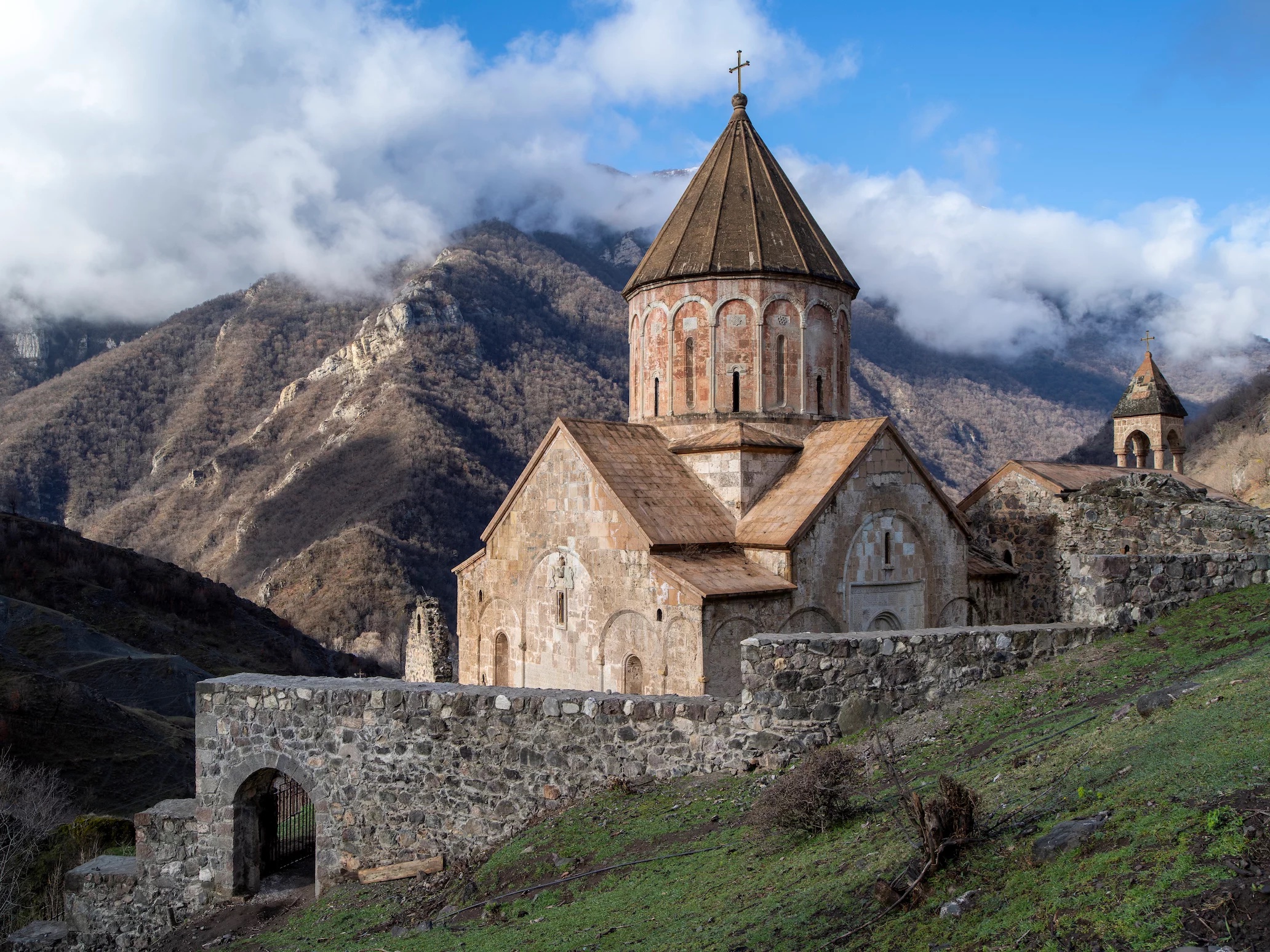
Dadivank Monastery in Nagorno-Karabakh

Dadivank Monastery in Nagorno-Karabakh

Christianity Today January 5, 2021
Hrair Hawk Khatcherian

In less than seven weeks of war last fall, fighting over the enclave of Nagorno-Karabakh, known to Armenians as Artsakh, cost thousands of lives and created tens of thousands of refugees.

It also left a wealth of Christian monuments in the balance.

Below is a photo slideshow of the six sites most at risk as their final status and access is still being negotiated. But first, a summary of why Armenians fear the fate of their heritage.

The mountainous region, smaller than the state of Delaware, has historically been home to a majority Armenian population. During the Soviet Union, it had been given special status as an “autonomous oblast”—a semi-independent region—placed within the Soviet Republic of Azerbaijan.

Putting an Armenian Christian region within the borders of an Azeri Muslim country was no accident. It was part of Josef Stalin’s “divide and conquer” strategy in the 1920s, deliberately drawing Soviet borders that would foment ethnic tension and make smaller republics easier to control. The Armenians, who were the first to declare Christianity as their national religion in A.D. 301, had a heritage of ancient churches, monasteries, and cross-stones dotting the landscape of Nagorno-Karabakh.

In 1991, just before the Soviet Union collapsed, the majority Armenian population of the region voted for independence and declared their own independent state. It accelerated violent tensions with their Azeri neighbors, resulting in an all-out war from 1992 to 1994. Scores were killed on both sides. Hundreds of thousands of Azerbaijanis were displaced from their homes in and around Nagorno-Karabakh. The two peoples, many of them longtime neighbors and friends, no longer trusted each other enough for peaceful coexistence.

On November 10, 2020, the two sides arrived at a ceasefire which split Nagorno-Karabakh into two territories: one controlled by Azerbaijan, the other controlled by ethnic Armenians. Alongside the devastating toll of human life and personal loss, it left panicked Armenians wondering:

What will happen to the churches now left on the Azeri side?

Given the long history of vandalism and destruction of Armenian churches within Azerbaijan and Turkey, many scholars, historians, and clergy have raised alarm over heritage protection. The coming months and years will determine whether these churches remain intact, after centuries of worship by Armenian faithful.

Here are six sacred sites, located in territories now given to Azerbaijan, that concern Armenian Christians most:

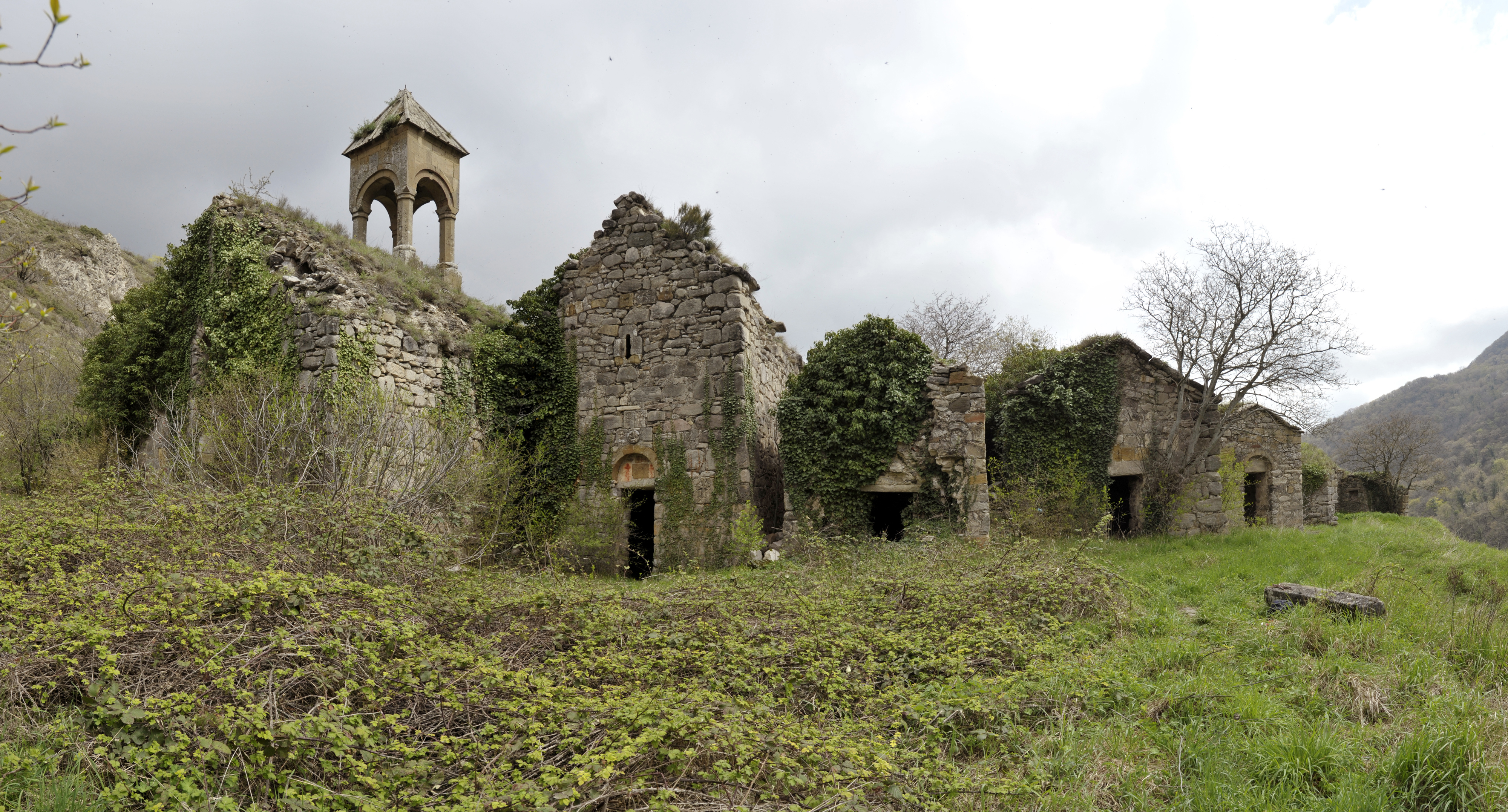
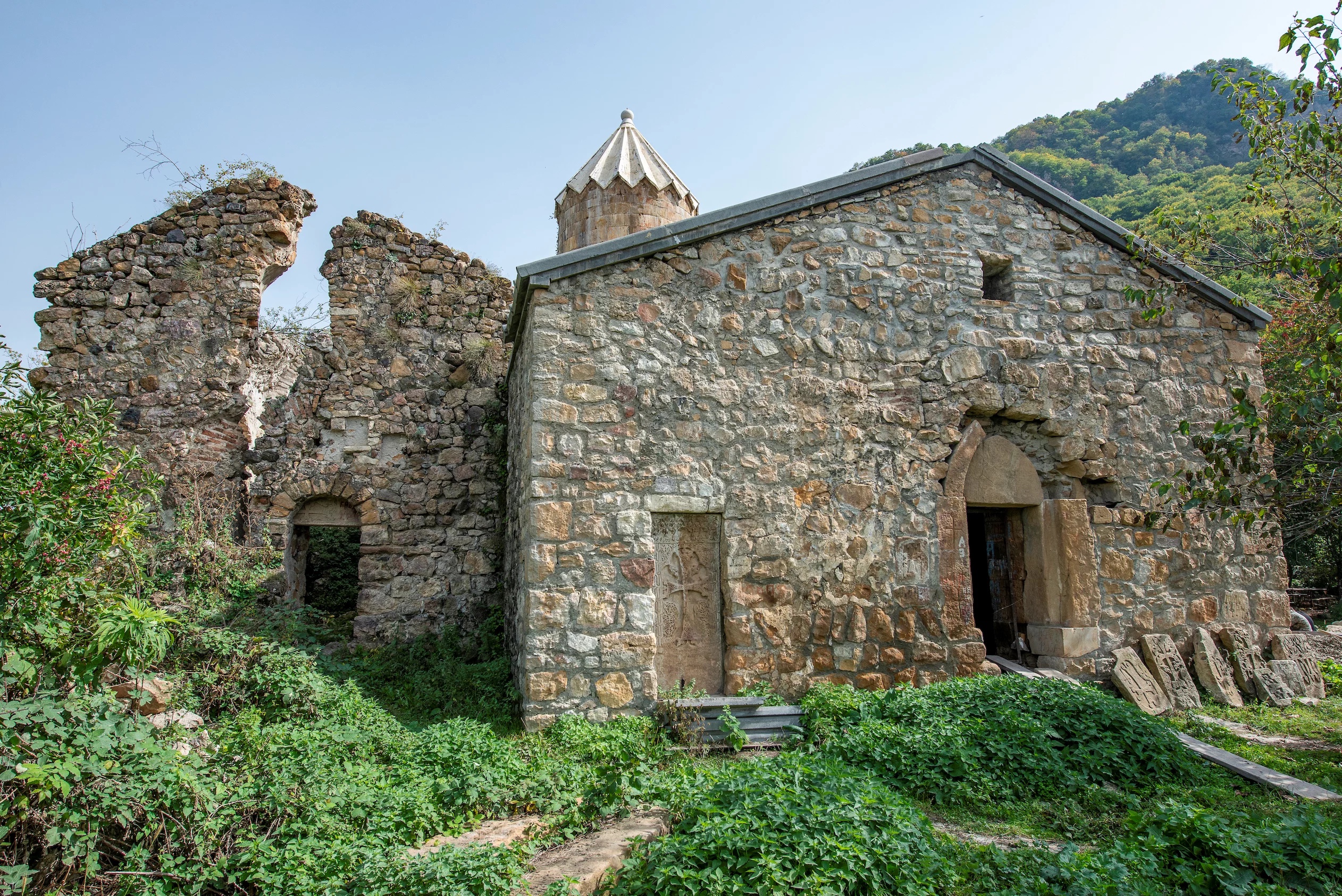
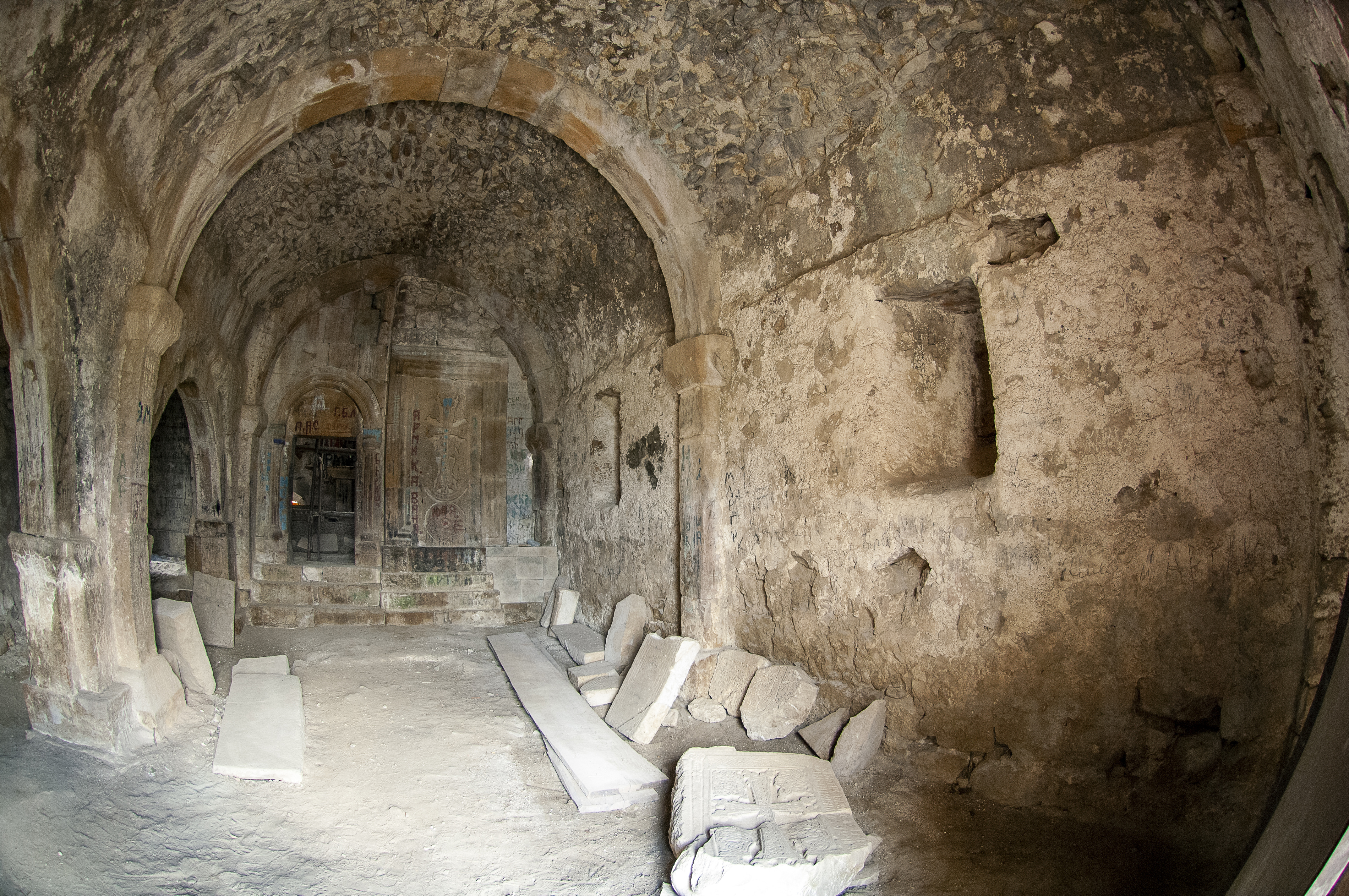
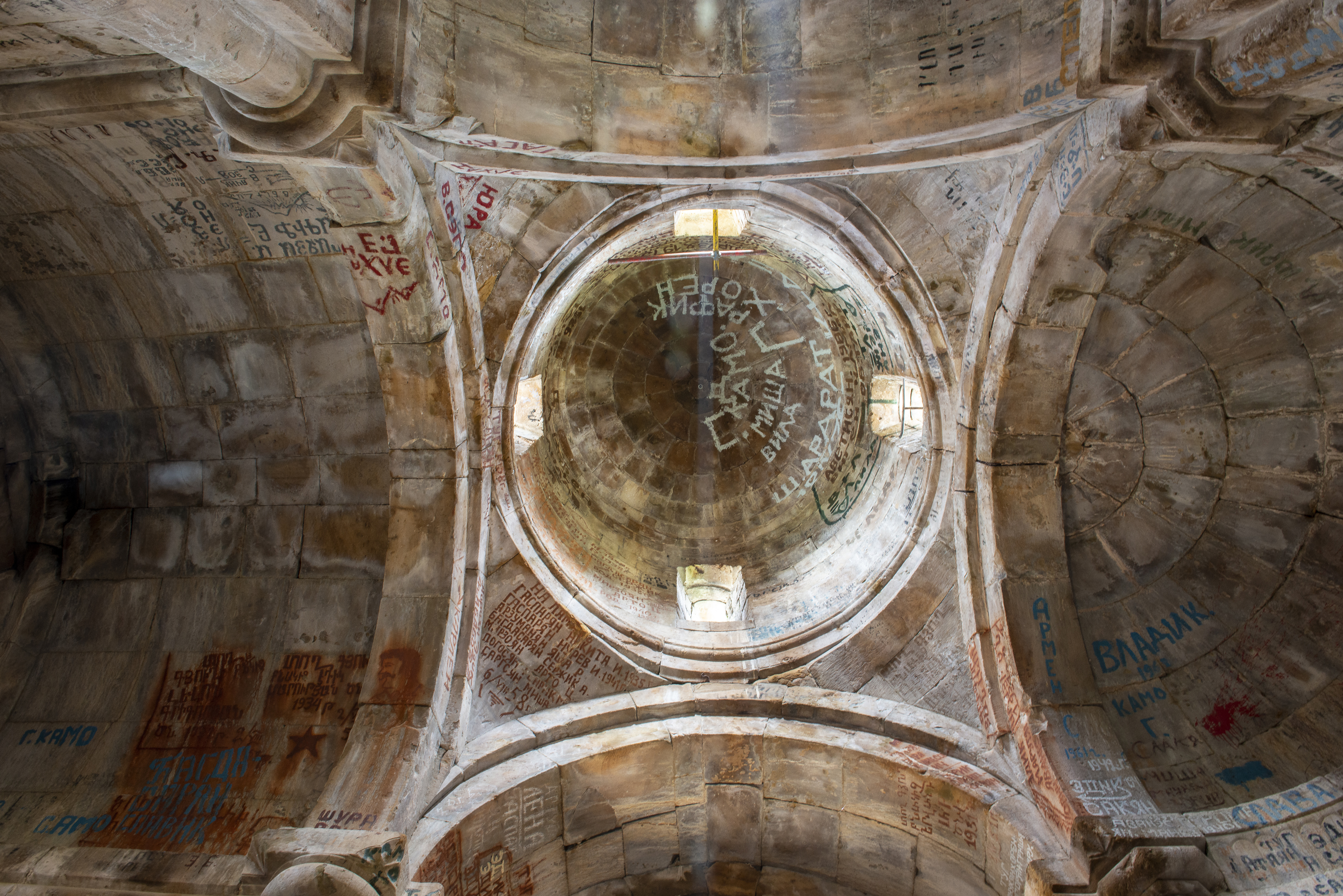
6. St. Yeghishe Arakyal Monastery

Location: Martakert/Aghdara [in Armenian/in Azeri]

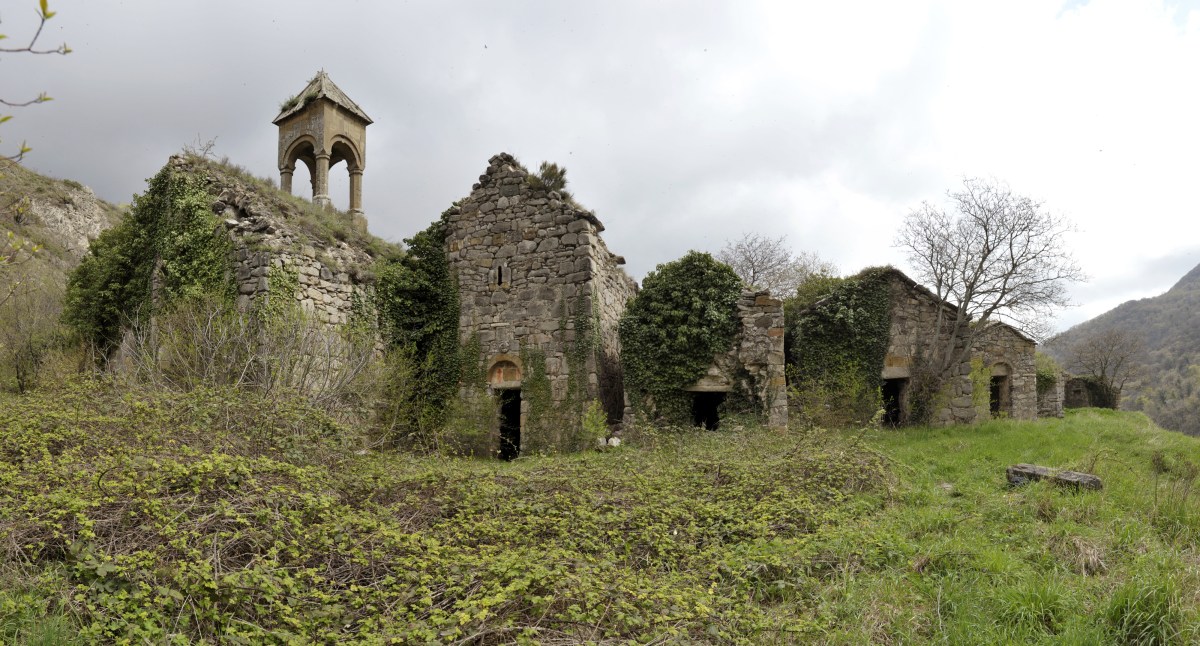
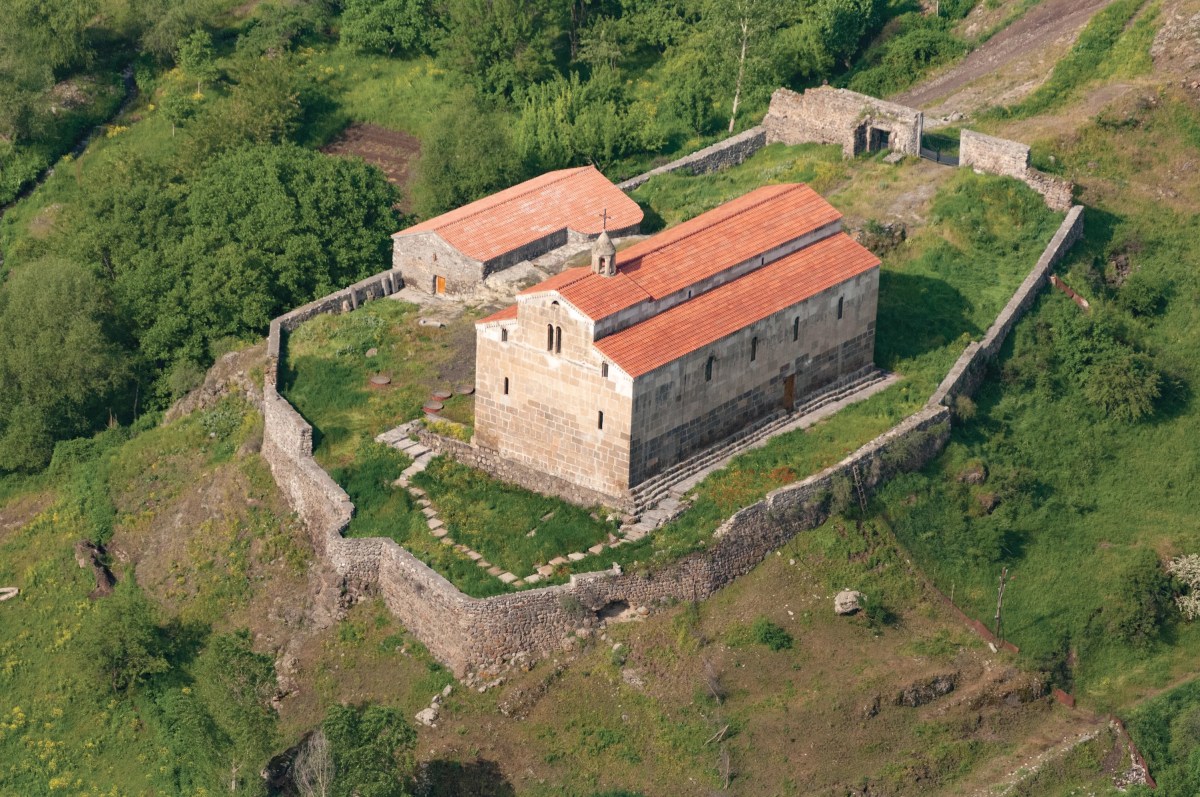
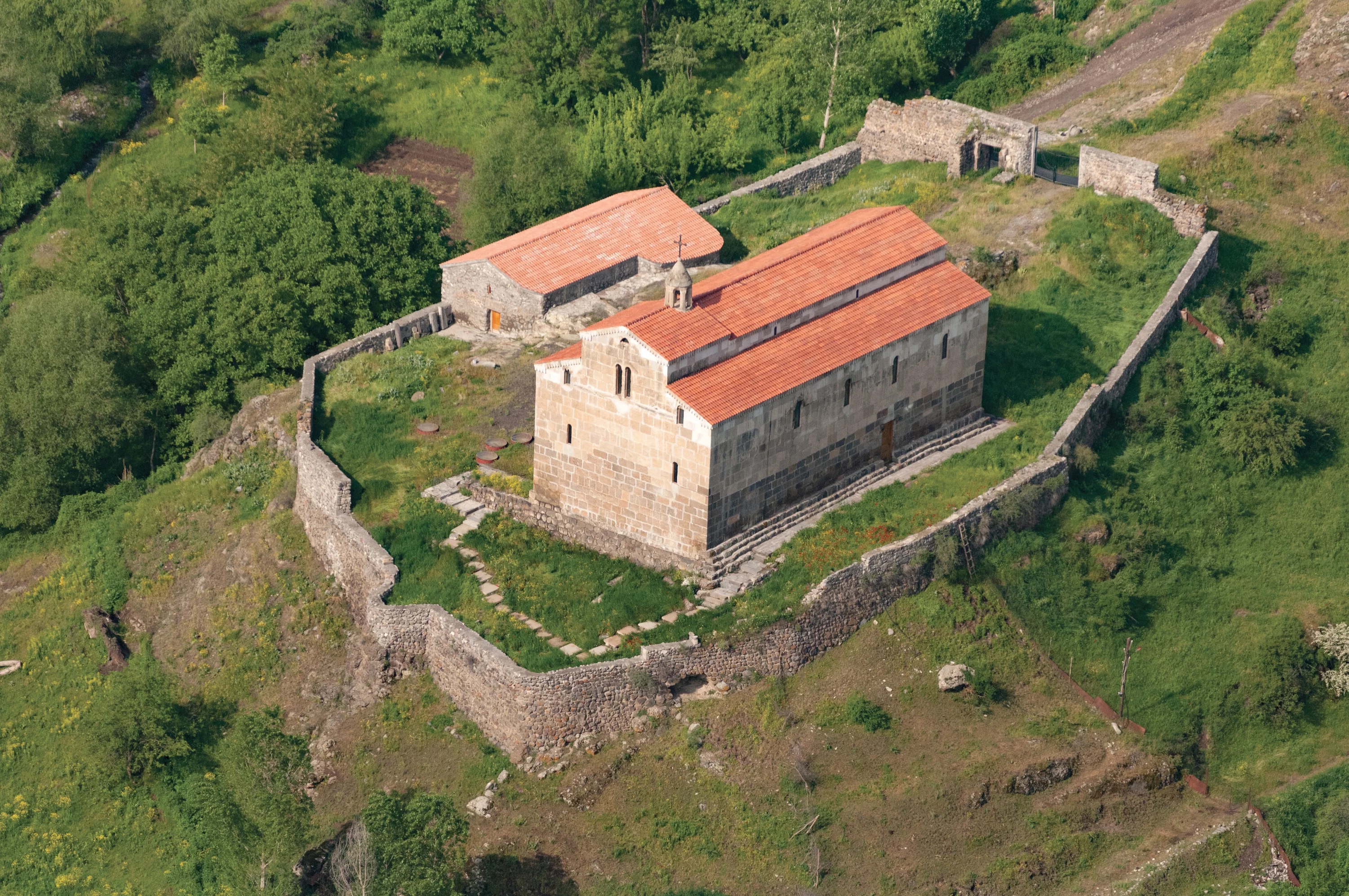
This ancient monastery was built in the fourth century. The complex comprises the church, seven chapels, a cemetery, and ruins of other buildings. The location is almost inaccessible over the hilly terrain, but the view is breathtaking.

St. Yeghishe Arakyal Monastery in Nagorno-KarabakhHrair Hawk Khatcherian
St. Yeghishe Arakyal Monastery in Nagorno-Karabakh
St. Yeghishe Arakyal Monastery in Nagorno-KarabakhHrair Hawk Khatcherian
St. Yeghishe Arakyal Monastery in Nagorno-Karabakh
St. Yeghishe Arakyal Monastery in Nagorno-KarabakhHrair Hawk Khatcherian
St. Yeghishe Arakyal Monastery in Nagorno-Karabakh

5. Ktich Monastery

Location: Togh/Tugh

The ancient church of Ktchavank from between the ninth and tenth centuries was one of the large spiritual centers of eastern Armenia. Located at the foot of Mount Toghasar, near the ancient residence of Arstakh princes, the church bears a close resemblance to the architectural style of Ani, the capital city of Bagratid, Armenia.

Ktich Monastery in Nagorno-KarabakhHrair Hawk Khatcherian
Ktich Monastery in Nagorno-Karabakh
Ktich Monastery in Nagorno-KarabakhHrair Hawk Khatcherian
Ktich Monastery in Nagorno-Karabakh
Ktich Monastery in Nagorno-KarabakhHrair Hawk Khatcherian
Ktich Monastery in Nagorno-Karabakh

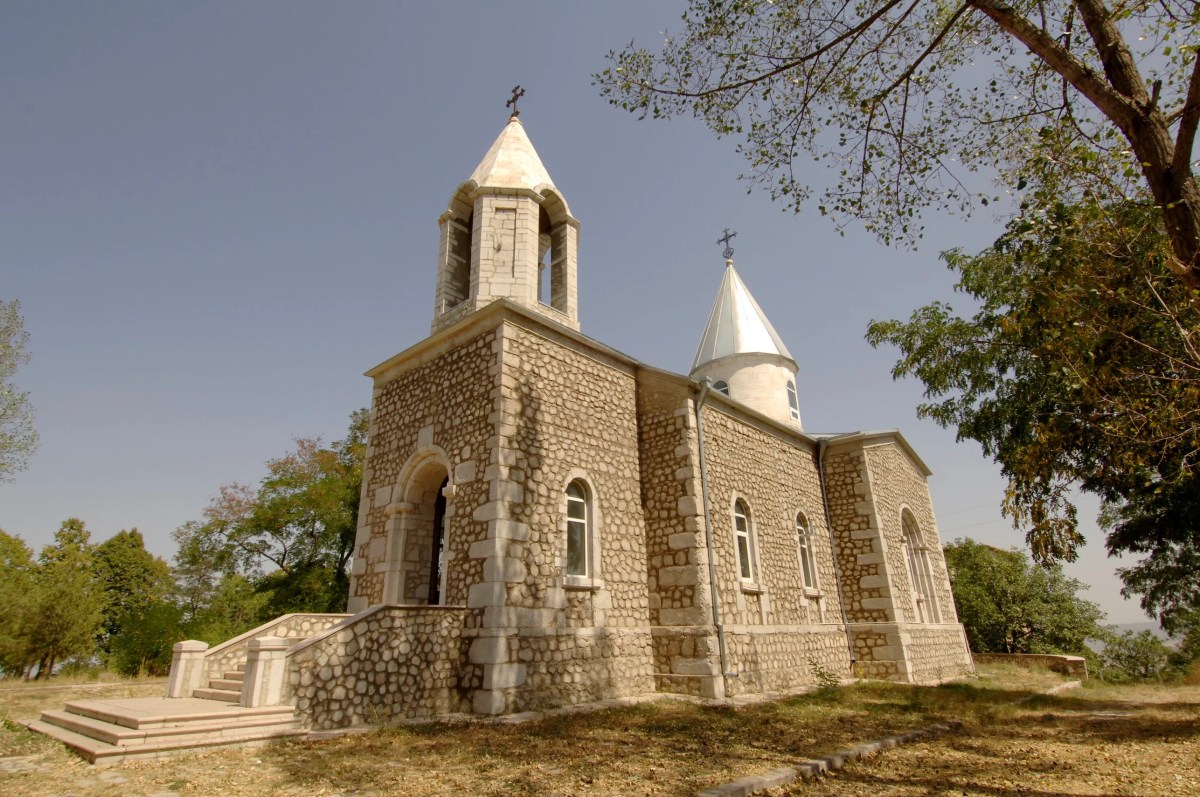
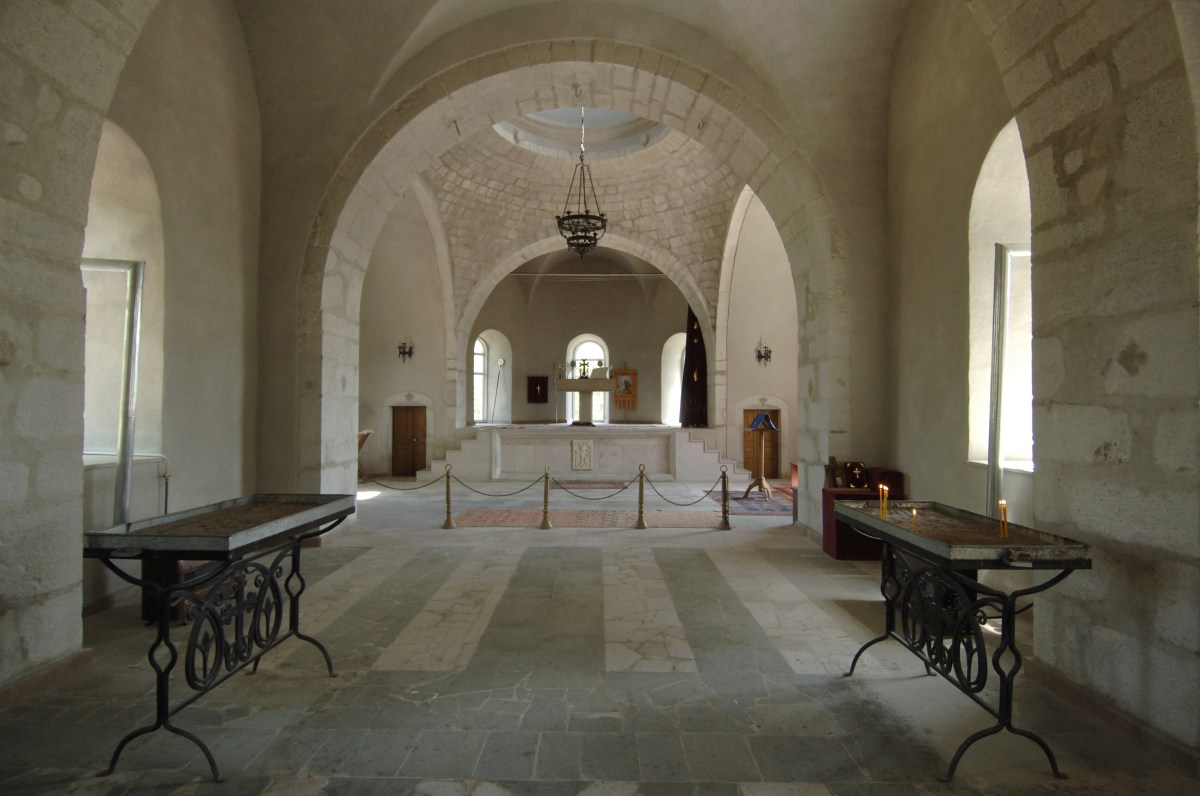
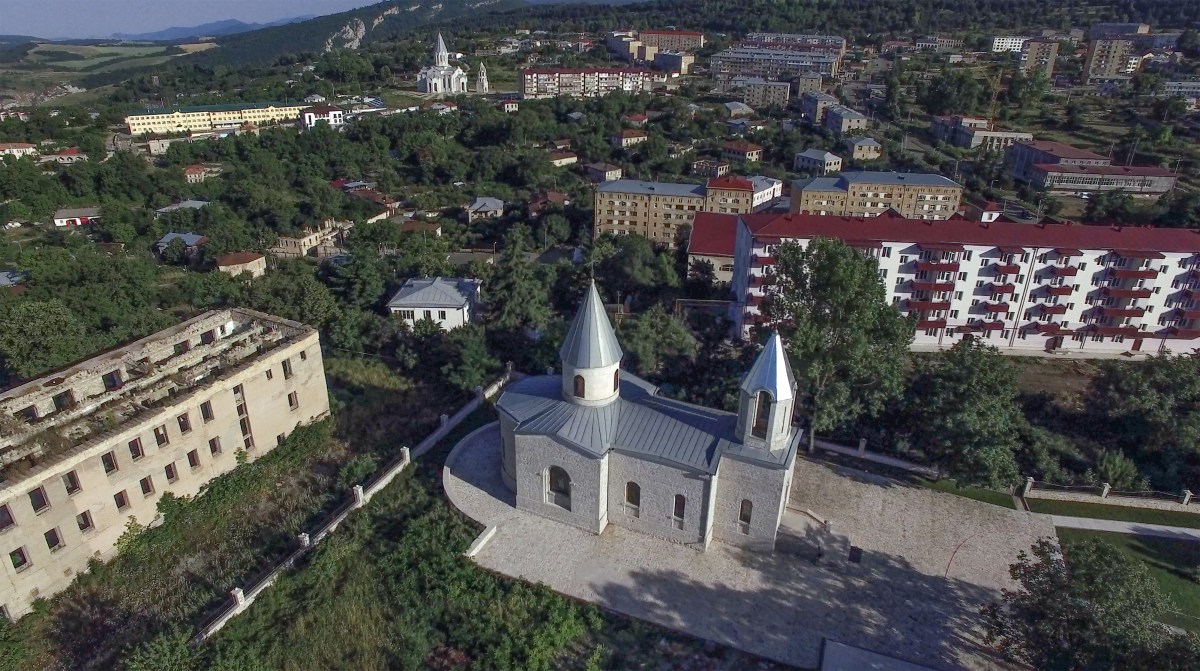
4. St. John the Baptist Church

Location: Shushi/Shusha

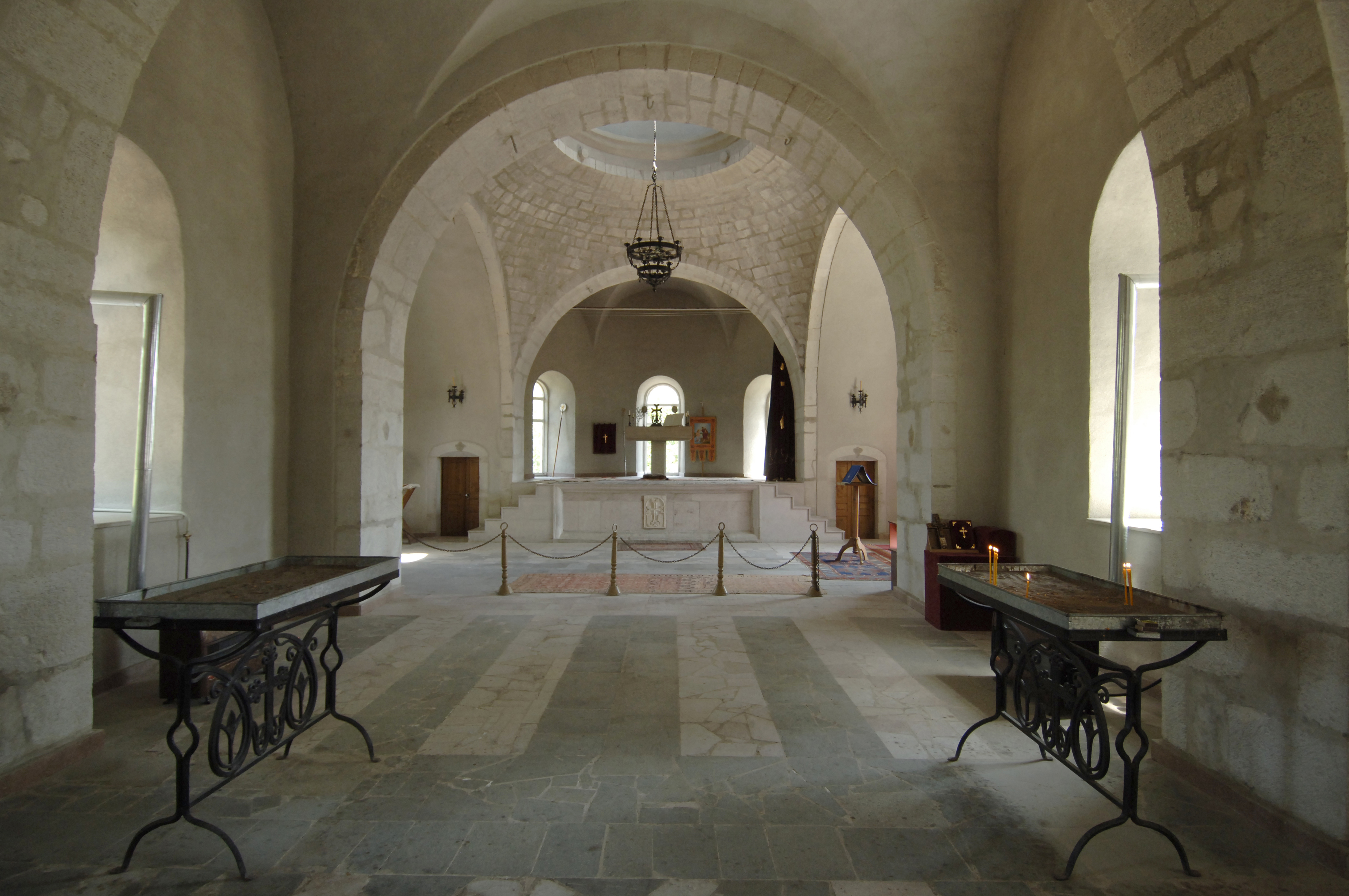
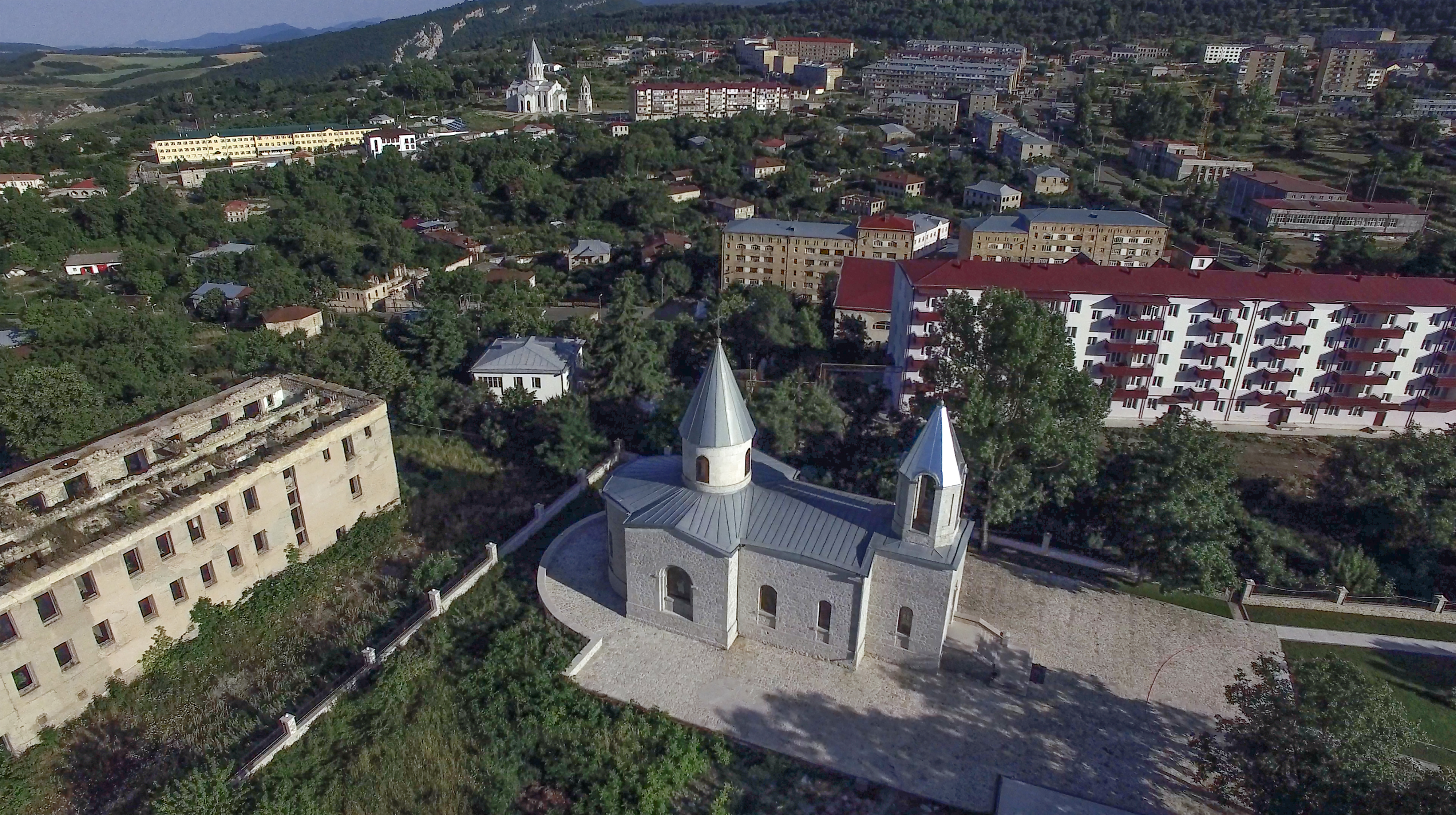
Commonly known as Kanach Jam (“Green Dome”) and built in 1818 on the site of a wooden church, its interior is a graceful, unified, and light-filled space dominated by a dome on pendentives (triangular construction devices that allow round domes to soar over square rooms). Over the entrance to the chapel is an inscription from 1847: “Babayan Stepanos Hovhannes. In the memory of his deceased brother Mkrtych.”

Kanach Jam in Nagorno-KarabakhHrair Hawk Khatcherian
Kanach Jam in Nagorno-Karabakh
Kanach Jam in Nagorno-KarabakhHrair Hawk Khatcherian
Kanach Jam in Nagorno-Karabakh
Kanach Jam in Nagorno-KarabakhHrair Hawk Khatcherian
Kanach Jam in Nagorno-Karabakh

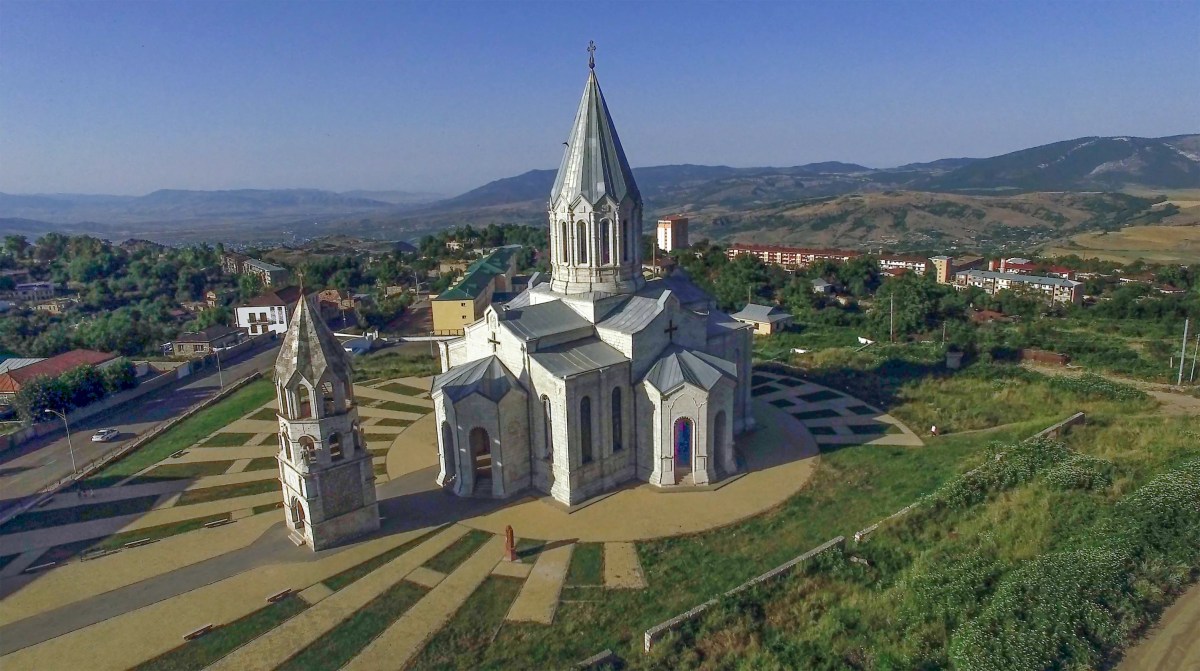
3. Holy Savior Cathedral

Location: Shushi/Shusha

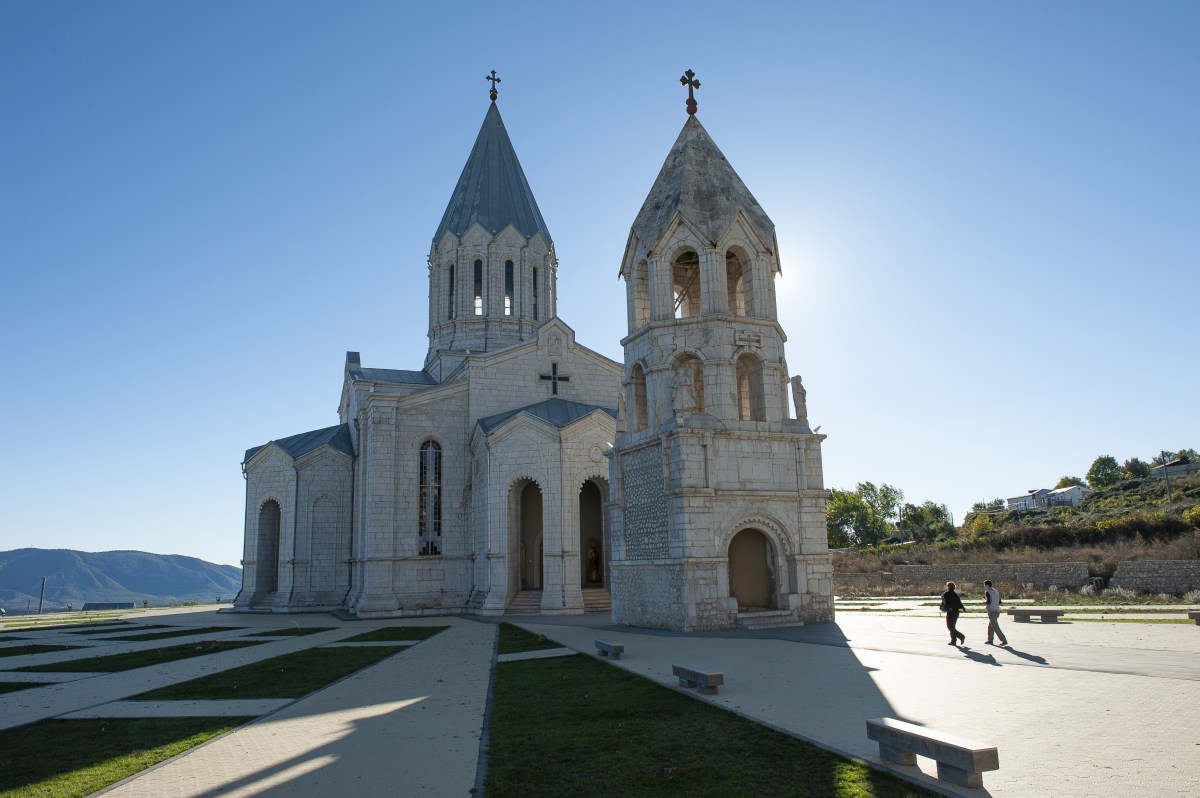
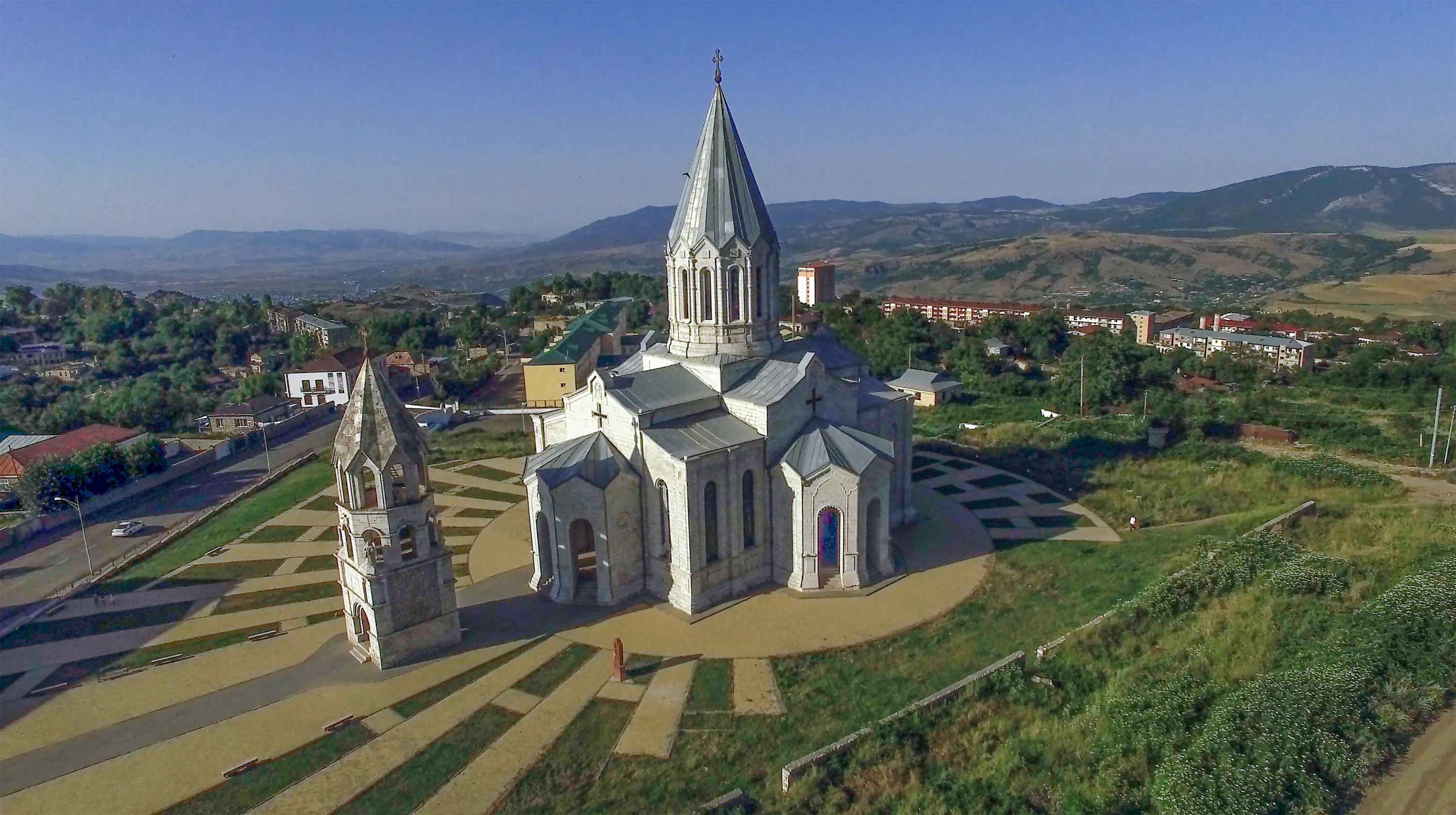
Completed in 1887 and known as Ghazanchetsots in honor of the people who built it, this cathedral is considered a modern architectural masterpiece. Missile fire pierced its rooftop during the first two weeks of fighting during the 2020 war. Sheathed in stone, capped with tall umbrella roofs, and ornamented with crosses, angels, and other sculptures, it is a beautifully coherent synthesis of age-old Armenian building traditions. Rising some 115 feet from its base to the tip of its cupola, it is also one of the largest Armenian churches constructed in the world.

Ghazanchetsots in Nagorno-KarabakhHrair Hawk Khatcherian
Ghazanchetsots in Nagorno-Karabakh
Ghazanchetsots in Nagorno-KarabakhHrair Hawk Khatcherian
Ghazanchetsots in Nagorno-Karabakh

2. Tzitzernavank

Location: Berdzor/Lachin

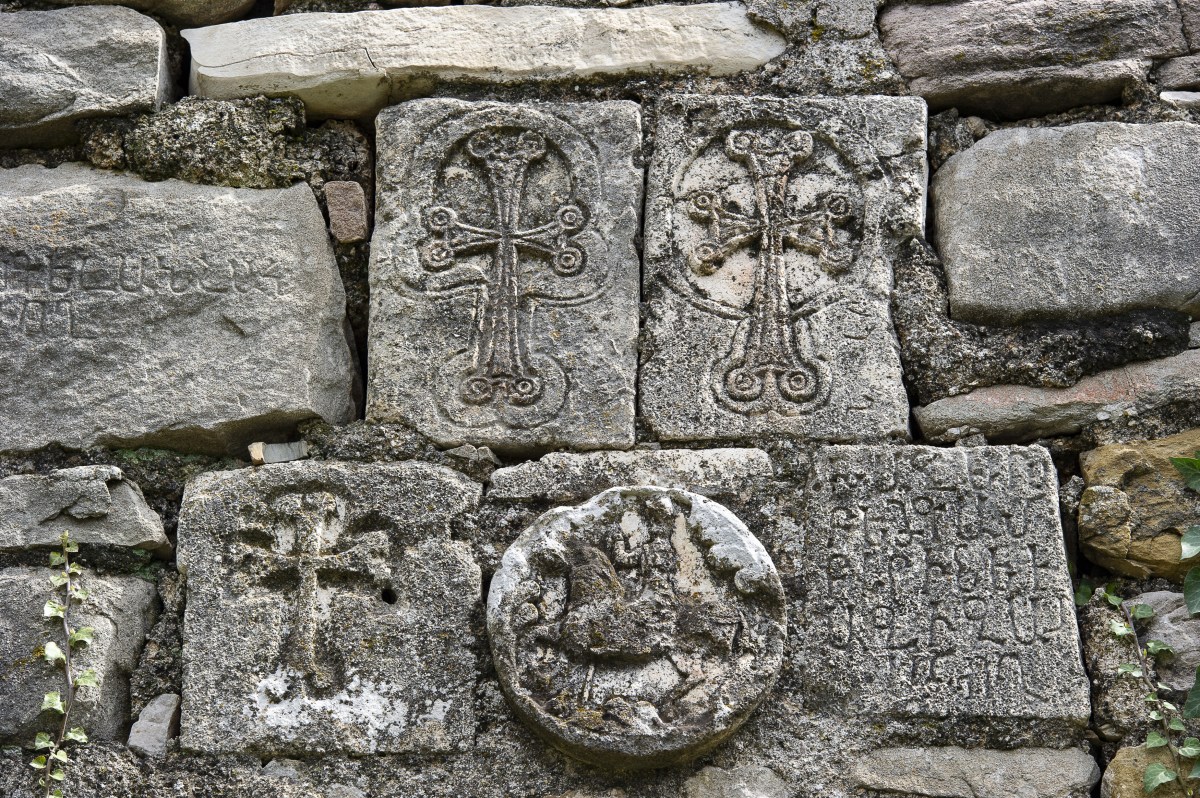
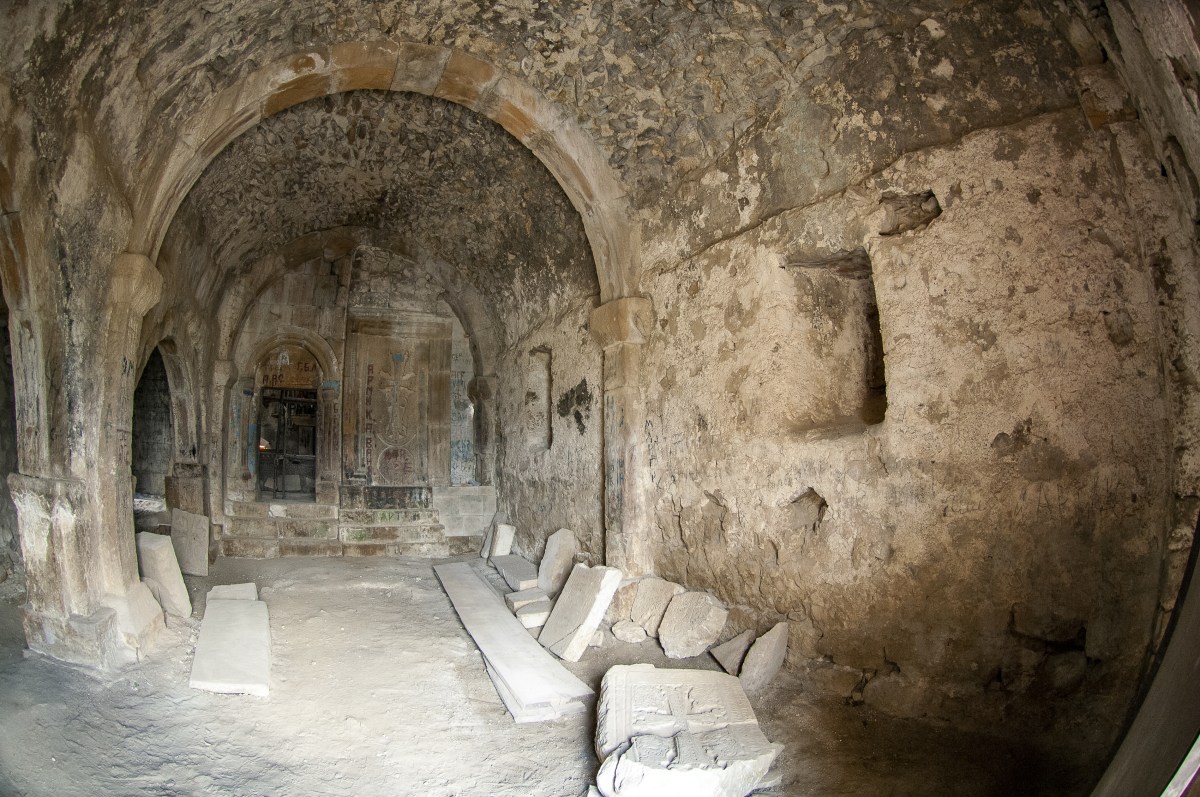
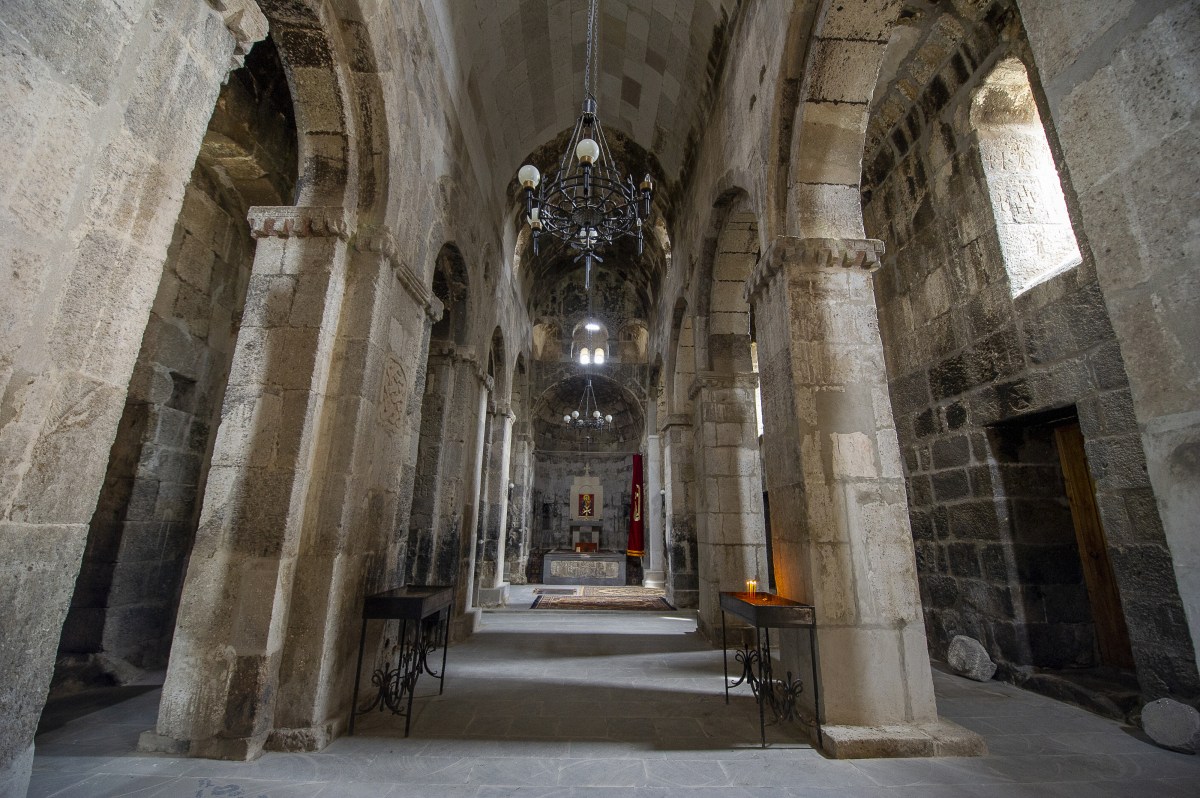
Dating from the fifth or sixth century, this church in the province of Lachin is an extraordinary example of an intact Early Christian basilica. The inscriptions found around the church—bearing the names of parents, children, and other individuals patrons—chronicle a veritable history book of the region. A khachkar (cross-stone) from before the 10th century has an Armenian inscription asking Christ to “Remember the prayers of your servant, the undeserving Grigor, for his beloved brother Azat.”

Tzitzernavank Church in Nagorno-KarabakhHrair Hawk Khatcherian
Tzitzernavank Church in Nagorno-Karabakh
Tzitzernavank Church in Nagorno-KarabakhHrair Hawk Khatcherian
Tzitzernavank Church in Nagorno-Karabakh
Tzitzernavank Church in Nagorno-KarabakhHrair Hawk Khatcherian
Tzitzernavank Church in Nagorno-Karabakh

1. Dadivank Monastery

Location: Karvarjar/Kalbajar

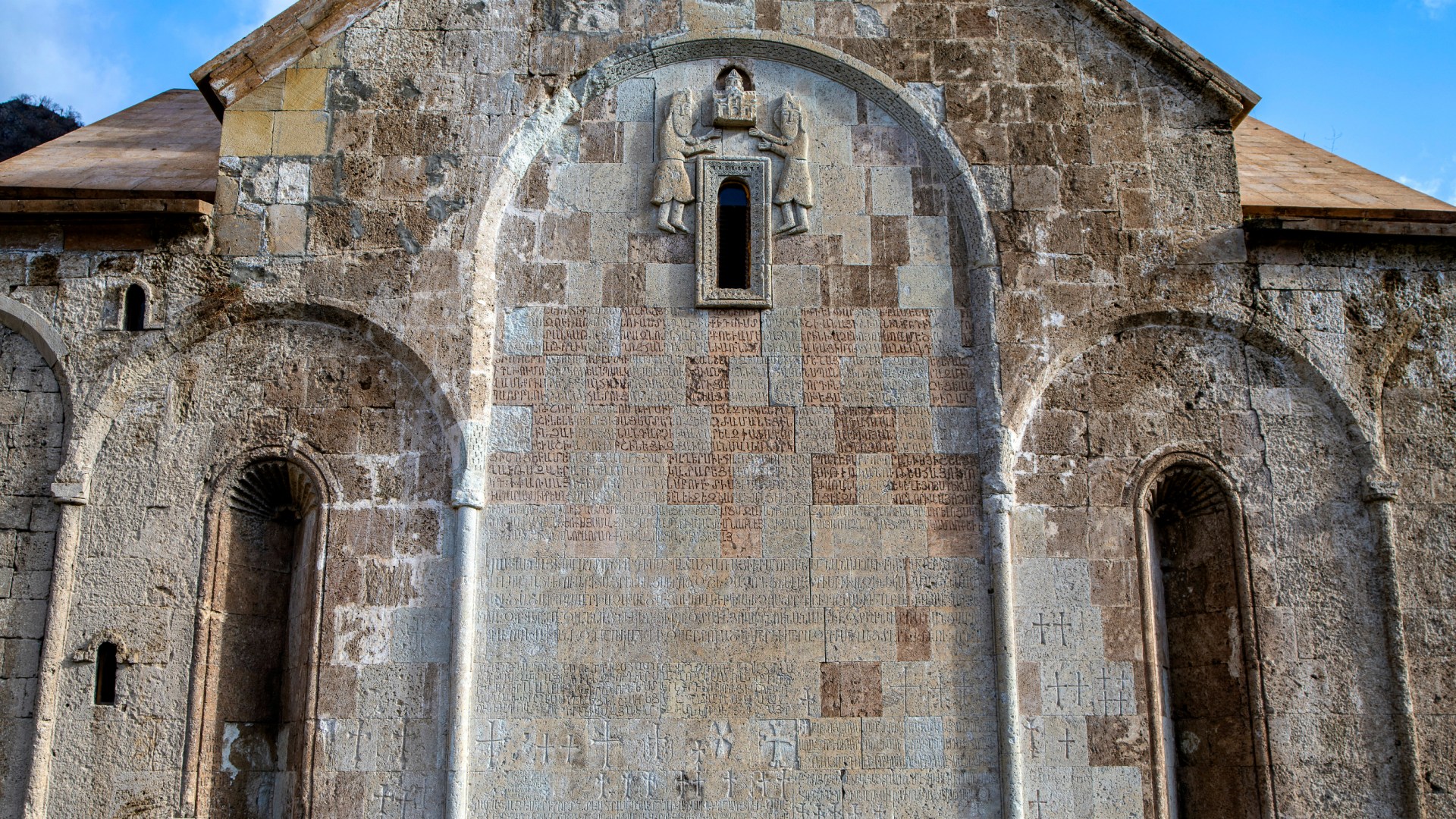
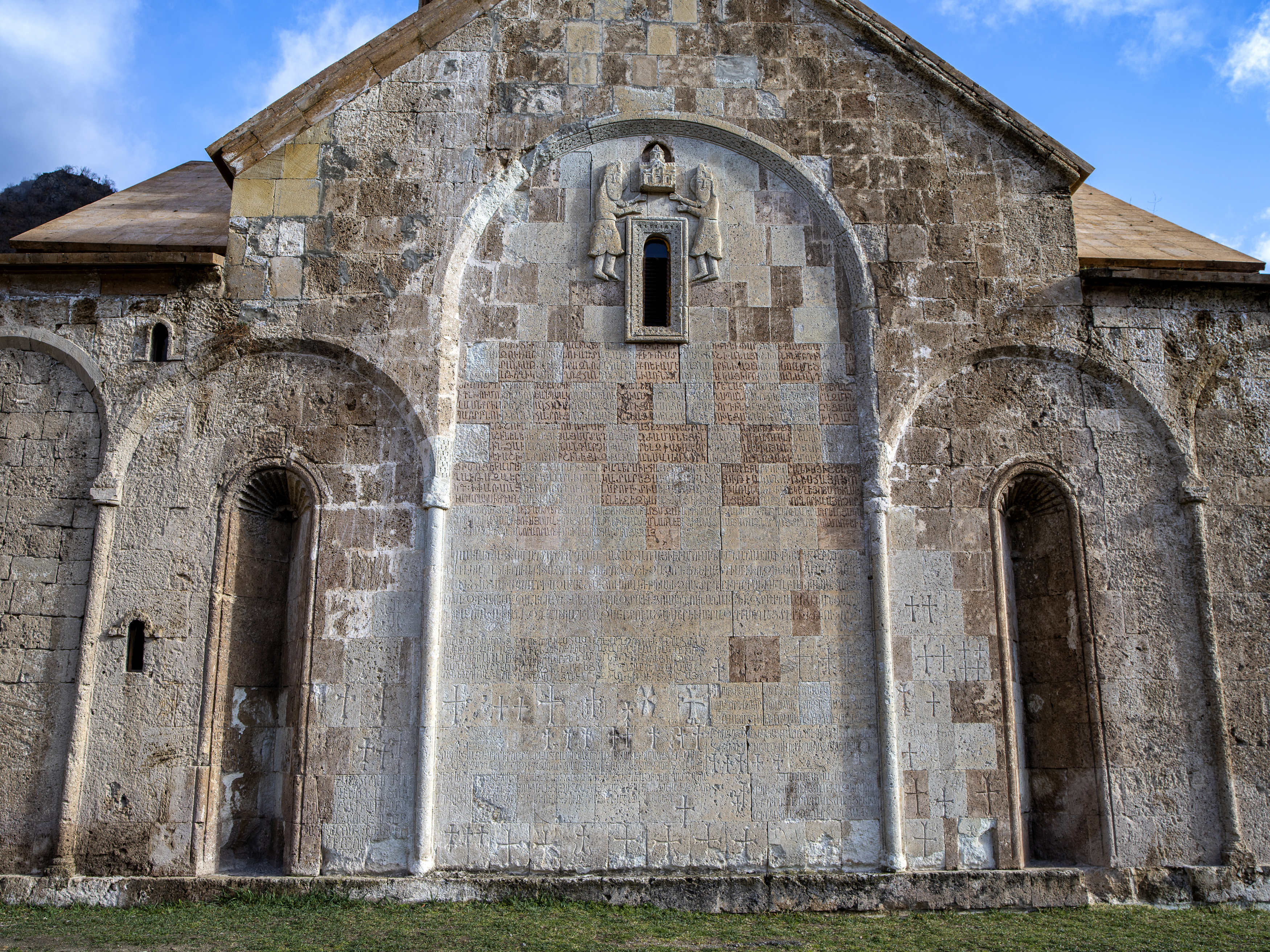
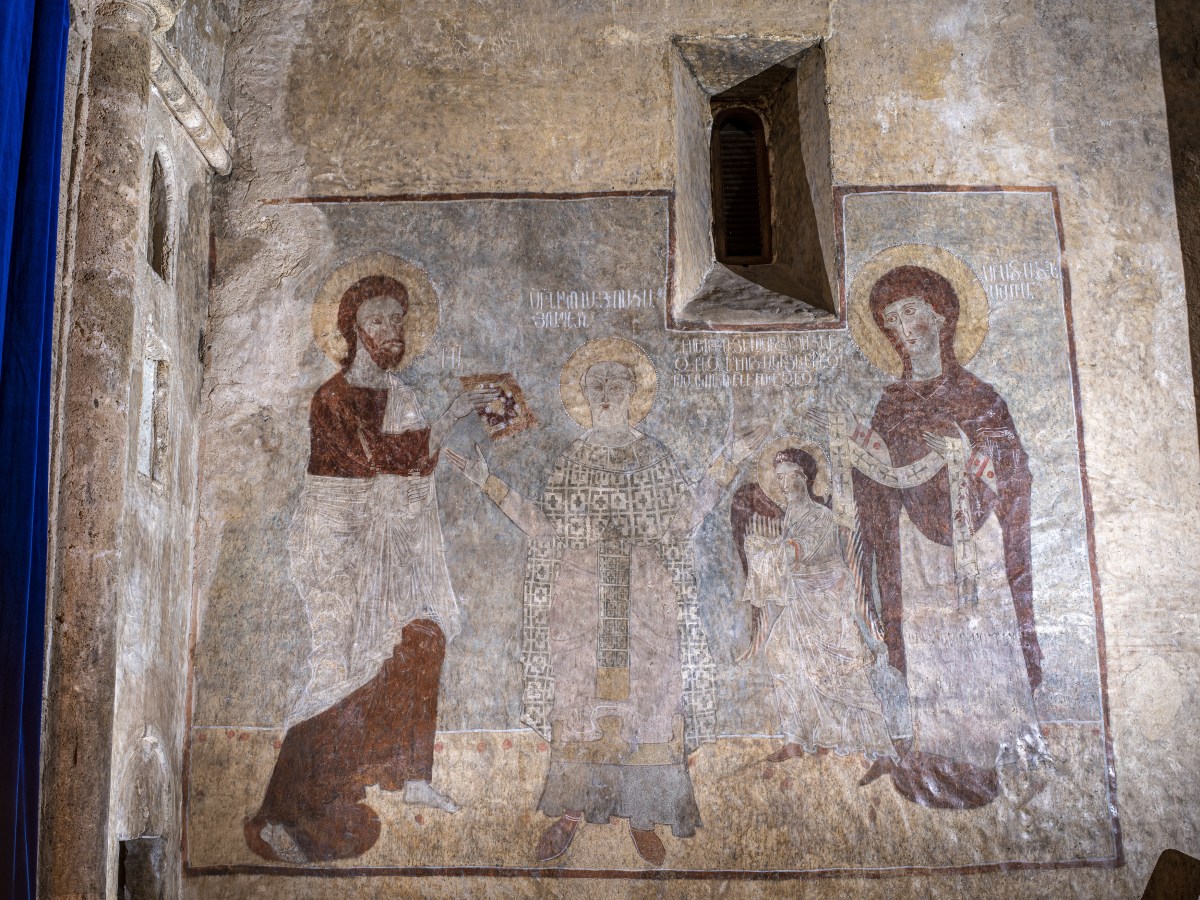
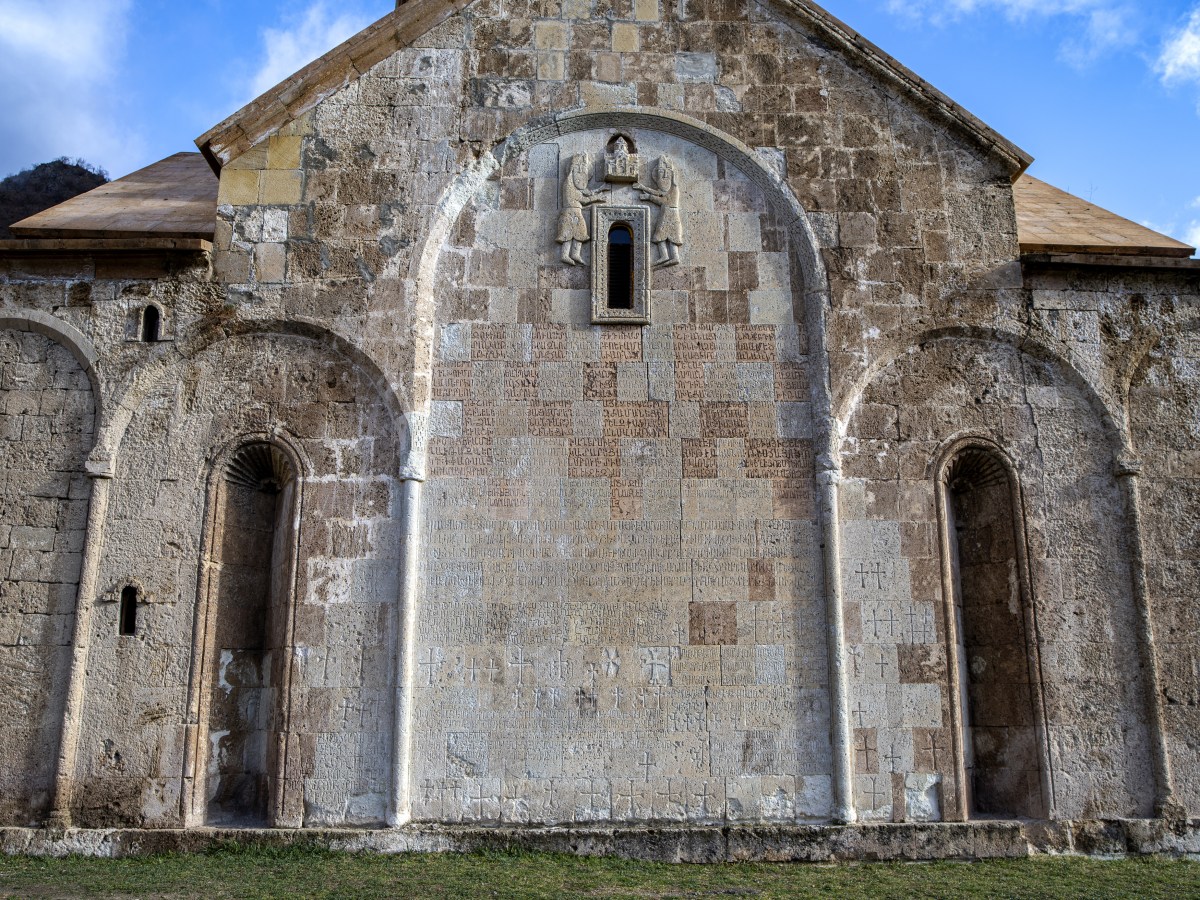
Also known as Khutavank—the “monastery on the hill”—this is the burial site of Saint Dadi, one of the disciples of Thaddeus, who together with Bartholomew evangelized in Armenia during the first century. The constructions at the site date from the ninth to 13th centuries and are not only important examples of medieval architecture but also preserve more than 100 Armenian inscriptions, as well as bas-relief sculptures and frescoes. The monastic complex is extensive, one of the largest known from medieval Armenia.

Dadivank Monastery in Nagorno-KarabakhHrair Hawk Khatcherian
Dadivank Monastery in Nagorno-Karabakh
Dadivank Monastery in Nagorno-KarabakhHrair Hawk Khatcherian
Dadivank Monastery in Nagorno-Karabakh
Dadivank Monastery in Nagorno-KarabakhHrair Hawk Khatcherian
Dadivank Monastery in Nagorno-Karabakh

Christina Maranci is professor of Armenian art and architecture at Tufts University.

CT’s previous coverage of the Nagorno-Karabakh conflict can be found here.

News

Azerbaijan Archbishop: Our Holy Mission Is to Keep Peace

In exclusive interview, head of Russian Orthodox Church in Baku invites defeated Armenians into economic cooperation after Nagorno-Karabakh conflict and laments lost ethnic fraternity.

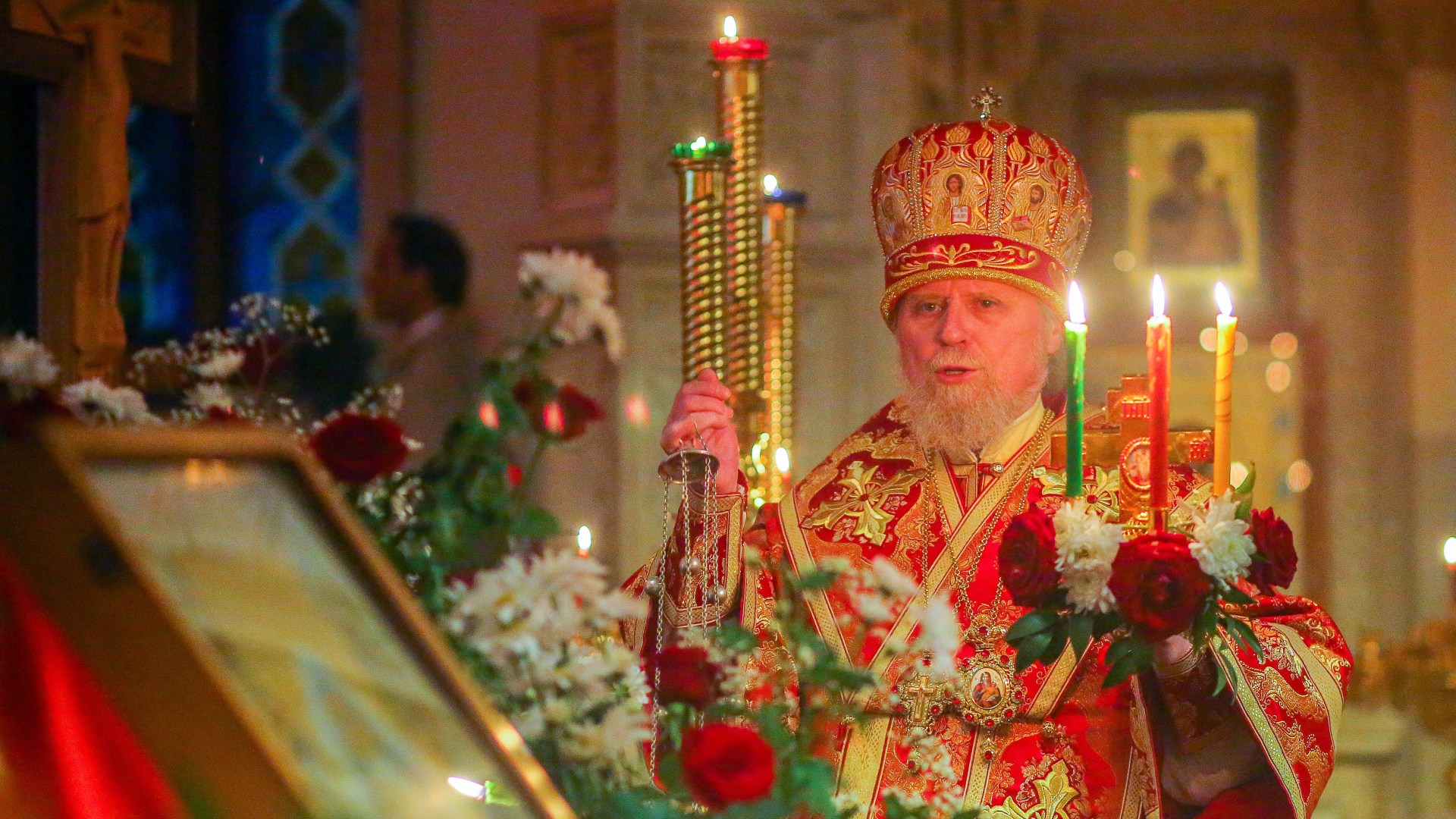
Archbishop Alexander of the Baku-Azerbaijan Diocese of the Russian Orthodox Church prays during a 2020 Easter service at the Holy Myrrhbearers Cathedral in Baku, Azerbaijan.

Archbishop Alexander of the Baku-Azerbaijan Diocese of the Russian Orthodox Church prays during a 2020 Easter service at the Holy Myrrhbearers Cathedral in Baku, Azerbaijan.

Christianity Today January 5, 2021
Aziz Karimov / Getty Images

Editor’s note: CT’s previous coverage of the Nagorno-Karabakh conflict can be found here.

The saying is clear: To the victor go the spoils.

And morally, with them comes the burden of peace.

In November, Christian-heritage Armenia surrendered to Muslim-majority Azerbaijani forces besieging the Caucasus mountain area of Nagorno-Karabakh. The ceasefire agreement ended a six-week war that cost each side roughly 3,000 soldiers and left unsettled the final status of the Armenian-populated enclave they call Artsakh.

Azerbaijan, however, recovered the rest of its internationally recognized territory, including the historic city of Shushi. The first Karabakh war ended in 1994 and displaced hundreds of thousands from their homes on both sides.

Archbishop Alexander, head of the Russian Orthodox Church in Azerbaijan, reached out to CT to promote a process of reconciliation.

It will not be easy.

Azerbaijanis returning to Adgam, left in ruins by Armenian occupation for 25 years, will see for the first time the damage to their city once inhabited by 30,000 people. Its mosque was relabeled “Persian,” while 63 of Nagorno-Karabakh’s 67 mosques are said to be razed to the ground.

Meanwhile, Catholicos Karekin II, head of the Armenian Apostolic Church, issued a plea to save the ancient heritage of Armenian church properties lost in the war. In 2005, a gravesite containing sixth-century khatchkar crosses was destroyed in the Azerbaijani enclave of Nakhchivan.

Azerbaijan has pledged to preserve them. But the United Nations’ cultural arm UNESCO stated that its authorities have failed to respond to several requests to deploy an independent fact-finding mission.

Meanwhile, members of Azerbaijan’s Christian Udi minority were dispatched to hold services in the ninth-century Dadivank Monastery. The Udi are related to the Caucasian Albanian Christians, assimilated into other ethnic groups a thousand years ago. But Azerbaijan maintains the churches of the region are actually Albanian, and not Armenian in origin.

International academics find it difficult to examine all the historical sources. But one nonaligned expert stated the theory has “little currency outside of Azerbaijan,” calling it “bizarre.”

Efforts at reconciliation must also overcome the trauma of war.

Azerbaijan stated that 100 civilians were killed in the shelling of populated areas, while Armenia stated at least 55 civilians were killed. Human Rights Watch condemned the use of cluster munitions on both sides.

Amnesty International has similarly documented video footage showing mistreatment of captured soldiers—including decapitations.

Alexander, elevated to archbishop in 2012, is not a neutral peacemaker.

Early in the war, he signed an Azerbaijani interfaith letter congratulating President Ilham Aliyev on his military victories. A later letter pledged that Azerbaijan was not seeking the displacement of Armenians in Nagorno-Karabakh and offered them autonomy.

But after the war, amid claims of Azerbaijan erasing Armenian cultural heritage, a third letter endorsed the Albanian origin of churches and defended the nation’s multireligious character.

Aliyev has since retracted the offer of autonomy.

Of Azerbaijan’s population of 10 million, 96 percent are Muslim—roughly two-thirds Shiite and one-third Sunni. Alexander’s Russian Orthodox represent two-thirds of Christians, while over 15,000 Jews date back to the Old Testament era.

A peacemaker, however, does not need to be neutral, only committed.

Speaking through a translator, Alexander described his experience of past good relations between Armenians and Azerbaijanis, his hope for future economic cooperation, and his present willingness to meet with Catholicos Karekin II:

What is your vision for reconciliation?

We are both eastern Christian communities, and we have much in common.

At the same time, 1,500 years of separation between the Eastern Orthodox church and the Armenian Apostolic church has complicated relations. We have holy books and traditions in common, but we are not in fellowship.

Both of us have been living among Muslims since Islam was introduced in our region. But the manner of living has been very different. The Orthodox church in Azerbaijan found a way to live together with Muslims, but Armenians did not.

Relations were not always like this. Thirty years ago, many Armenians lived here in Azerbaijan, and they had their own churches where they could pray. The proof of these good relations are mixed marriages between them. Peoples in the same geographical areas have to find ways to live together, and not focus on their differences.
This is the main principle for how future relations between these two nations can be built. France, Germany, and Poland are an example. They endured many wars, but now they are all in one European Union.

What is Azerbaijan prepared to do to heal the wounds of this conflict?

Peace between the countries is a way to avoid the isolation Armenia suffers, with Azerbaijan, and perhaps with Turkey.
Transportation networks can be built, helping Armenian development. Political, economic, and cultural areas of cooperation exist with the south Caucasus nation of Georgia. Azerbaijan has repeatedly invited Armenia into this network, with the one condition of returning the occupied territories.

Azerbaijan has a high level of multicultural acceptance and preserves its religious monuments. The Armenian churches and libraries in Baku are kept safe. In the case of a peace agreement, these can be used again, as they should. This will also help the spiritual and religious reconciliation.

In Matthew, Jesus says if your brother has something against you, then you must go to him to be reconciled. Armenians have issues against Azerbaijanis. Even if they are wrong, how can Azerbaijani Christians reconcile in Christ after this conflict?

Unfortunately, Armenians have lied to themselves.

Baku had a whole Armenian quarter in the Soviet era, living in better condition than other citizens. I travel to Russia, Georgia, Belarus, and other nations, and I see that Armenians raised in Baku communicate with Azerbaijanis as friends. They are very sorry they had to leave.

In the modern Christian world, unfortunately, there is no unity. We have a lot in common, but we cannot pray together. It is a great sorrow and pain of modern Christianity. When I meet Armenians, we discuss many things, but we cannot pray together.

Are you able to make a phone call to Catholicos Karekin II?

I know him, and we have had many discussions. But I don’t have his phone number [smiling].

What would you want to say to him now, in order to help make peace?

I would tell him he has respect in Azerbaijan as a religious leader. He can do a lot to reduce the tensions and hate that Armenians have toward Azerbaijan. So much depends on him.

What would you want the Catholicos to say or do in this time of conflict?

It is a time to stop discussions about negative issues, and to discuss common ground together—what unites us, not divides. Our common ground can be a common future: cooperation in economy, culture, and human rights.

In order to have peace with God, we must confess our sins. In times of war, both sides have sinned against each other. If you agree, what is it that Azerbaijan can apologize for, and seek forgiveness?

It is complicated. Islam as a religion has no confession. Of course, both sides did many negative actions.

As for confession, there is the example of Poland and Germany. They needed 50 years to understand that they were wrong during World War II. This is why we need peace, the building of new life. Only after this can we gain such a realization.

We need years, maybe a dozen years. That is why it is difficult to speak of confession right now.

Many Armenians are fearful of a new genocide. It does take many years to create peace, but God is greater than politics. Spiritual peace can come before political peace. Perhaps neither Islam nor the government have the capacity for confession. But it might help Armenians if you were able to confess some of the sins of your nation.

I carefully listened to your question.

But when the word genocide is used, we should be very careful. We have very sad facts about the actions of Armenian forces on the territory of Azerbaijan. We have thousands of Azerbaijanis killed from the Armenian side, so to whom should we address the word genocide?

Azerbaijanis still remember its ethnic character. That is why I think it is impossible to use the term in this situation. We will have accusations from both sides.

If there is to be peace and reconciliation, especially between Christians, then Armenians must apologize for their role. But what can be said from the Azerbaijan side, as the victorious party in this current conflict?

It is an interesting question.

We remember that in the first Karabakh war, Azerbaijan lost.

The victory of Armenia was due to the several problems going on in the Soviet Union. When it collapsed, countries appeared without military forces. Armenia won because the Soviet military forces left, and we did not have our own. But Armenia had prepared their own military forces.

That is why they won the first war, without resistance from the Azerbaijani side.

But these bloody events did not happen according to the will of Azerbaijani people; it was the will of ex-Soviet leadership.

In the first Karabakh war, we cannot say that Azerbaijan bears responsibility for these events. It was the Soviet leadership that created the negative situation in the south Caucasus.

In 1990, our cathedral church was totally destroyed by a missile. That has nothing to do with Azerbaijanis or Armenians. It is the responsibility of the Soviet military that entered Baku.

People from those times must confess. Both Azerbaijan and Armenia are their victims. So it is ridiculous to say that Azerbaijanis and Armenians cannot live together. Azerbaijanis do not have hate in their heart.

But as for the lands and the territory, the rule is strict. What is mine is mine, and yours is yours. That is why we had this recent war.

Jesus also said that when your brother sins against you, you must go to him privately. Armenians have sinned against Azerbaijanis. Will you be willing to go to Armenia and speak with the Catholicos?

I could speak to him face to face, in private. If the conditions are right, I will go.

The Bible also says: Blessed are the peacemakers, for they will be called sons of God. Our holy mission is always to keep peace.

But it is better to do it on neutral ground.

Beside the Catholicos, there is also a nation. Citizens of Armenia are very tense at this moment. They have made many negative statements against the Catholicos, their prime minister, President Putin, and of course against Azerbaijan.

But a meeting in a neutral place is possible.

News

Evangelicals in Congress Prefer Generic Labels

Baptists, nondenominational Christians, and Pentecostals are underrepresented on Capitol Hill, while the “other” category continues to grow.

Christianity Today January 5, 2021
Tasos Katopodis / Getty Images

Three politically active evangelical groups—Baptists, nondenominational Christians, and Pentecostals—are still underrepresented in Congress, according to the Pew Research Center’s Faith on the Hill report.

The 117th US Congress is mostly Christian (88%) and far more Christian than the general public (65%). Its newest elected officials include church deacons, Bible study leaders, worship musicians, and Christian college graduates. (And, pending the results of the Senate runoff in Georgia, the halls of Congress could include one more member of the clergy—Democrat Raphael Warnock.)

The number of faithful politicians has held steady even as the US moves away from religious participation; just one member considers herself unaffiliated, a group that now comprises more than a quarter of the country, Pew reported. But over the years, Christians in Congress have shifted in identity.

As fewer members belong to mainline denominations, a growing number of lawmakers have adopted the more generic “unspecified/other” Protestant label rather than associating with particular evangelical traditions, even a group like “nondenominational.”

The “other Protestant” designation continues to be the fastest-growing faith label in Congress and the second most popular behind “Catholic.”

In 2021, 18 new members of Congress fell into the “other Protestant” camp—over a quarter of all freshman lawmakers—bringing the total to 96. While just 5 percent of Americans use this label, 18 percent of Congress does.

As CT reported when the previous Congress was sworn in two years ago, “unspecified/other” applies to “those who say they are Christian, evangelical Christian, evangelical Protestant, or Protestant, without specifying a denomination” in the congressional questionnaire from CQ Roll Call, the basis for the Pew report.

Fewer members of Congress consider themselves Pentecostals (0.4% of Congress vs. 5% of the country), nondenominational (2% vs. 6%), or Baptist (12% vs. 15%) than the population as a whole, even though these groups are regularly involved in political discourse and political issues such as religious freedom and abortion.


Election 2016 ended a year ago, but its effects on American culture, including the American church, persist. Many are still asking how Donald Trump became president, and what part evangelical Christians played in making that happen. Stephen Mansfield, author of bestselling books about the religious faith of recent American presidents, believes that faith matters in the story of President Trump as well. Choosing Donald Trump: God, Anger, Hope, and Why Christian Conservatives Supported Him describes Trump’s remarkable partnership with conservative evangelicals. Blogger Samuel D. James spoke with Mansfield about what the events of last year mean for Christians and how a divided American church can heal.

Is it fair to consider Donald Trump a prosperity-gospel Christian?

He’s definitely drawn to the side of Christianity that preaches personal power, prosperity, and success in this world. Part of that preconditioning comes from his years hearing sermons from Norman Vincent Peale, who wrote The Power of Positive Thinking. Peale privately believed in “born again” Christianity, but Trump fed from the stream in Peale’s thought that was essentially secular motivational philosophy. Trump sees himself as a religious man and sees his own success as the result of living out certain religious principles—just not the ones at the heart of the gospel.

You describe how meeting with religious leaders during the campaign gave Trump something of an “education” he didn’t know he needed. Were his stances on religious liberty, abortion, and socially conservative issues a product of political ambitions?

A good illustration is his approach to the Johnson Amendment, which prevents pastors from endorsing candidates from the pulpit. Donald Trump didn’t care then and doesn’t care now, I believe, about the Johnson Amendment as it pertains to religious liberty. I believe he cares about it because he thinks that if pastors who support him could say so boldly from their pulpits, it would motivate religious voters.

Trump was introduced to many issues he hadn’t cared about before, at least on the level of theology or moral principle. Of course, a great deal of this was politically motivated (even if you entertain the hope that some of it might have settled somewhere in his soul). But here’s the interesting thing: Trump did not make many religious claims about himself. That was done more by the religious leaders around him. Trump has never, as far as I know, claimed to be born again. But James Dobson tweeted that he knew the person who had led Trump to Christ. And Jerry Falwell Jr.’s introduction at Liberty literally compared him to Jesus and Lincoln. These religious leaders made claims far outside what Trump himself was saying.

Evangelical Trump supporters addressed concerns about the candidate’s personal morality in a few contradictory ways. Some would claim that we weren’t voting for a “pastor-in-chief,” but there were also efforts to portray him as a spiritually admirable person. What gives?

Either a president’s faith matters or it doesn’t. If it doesn’t matter, let’s forget about the issues the Religious Right has been raising for years—individual piety, devotion to Scripture, personal faith history, good moral character—and just focus on policy. But most prominent Religious Right leaders couldn’t do that because that hasn’t been their traditional approach to the faith of presidents. Some of them agreed, “We’re not electing a spiritual leader,” and then they turned around and engaged in gossip about Trump being born again or secretly led to Jesus—trying to reassure the faithful that here, in fact, was a godly man. And every day this happened, Donald Trump was behaving the exact opposite of how a born-again man ought to have behaved.

How did anger over President Obama’s policies, particularly on religious liberty, feed into a willingness to go with Trump?

We have to ask ourselves what distinguished Trump from other Republican candidates in the minds of voters. I keep coming back to the fact that, if religious voters wanted a traditionally religious politician, they had an entire slew to choose from in the GOP primary. Why did they want Donald Trump? I think the answer is that he didn’t sound like a politician. He was angry, he was harsh—to the point of being crass—and he said, “Forget being nice. Let’s kick some butt!”

So I think the base was angry. Under Barack Obama, they felt like they were under bombardment, and they were terrified that Hillary Clinton would only offer eight more years of the same. So they turned to the pagan brawler from New Jersey. Even when the Access Hollywood audio came out, he only gained in the polls. Clearly, they didn’t care how immoral he was, so long as he wouldn’t do any more damage to conservative causes. This was a conscious choice. What values were compromised in making it is something we’ll need to debate and consider in the years to come.

Why did you dedicate your book to millennials?

I speak a lot at university campuses and spend lots of time with millennials. They’re often depicted as soft and privileged. But millennials have a strong social conscience and care deeply about justice. I knew Trump had been traumatic for them. In my opinion, conservatives have not done a good job explaining the social benefits of some of their ideas. There’s good reason to question the effectiveness of the welfare state, but if you don’t make your case clear, you allow yourself to be painted as cold-hearted and uncaring. Millennials have been left to conclude that people like Donald Trump, who only talk about cutting programs, are harsh and cruel.

Leaders like Franklin Graham and James Dobson, with their unwavering Trump support, have risked any sort of connection with millennials going forward. Millennials, with their passion for social justice, are very put off by him, and this is bound to produce some level of alienation from their churches and even their faith. If Religious Right leaders had shown more prophetic distance—if they had called on Trump to be a better man, with more compassionate policies—then their reputation among millennials might have been salvaged.

Issues like Confederate monuments can divide people who share a common faith. What can churches do to heal these tensions, under the shadow of Trump?

In certain white evangelical churches, we have a silo mentality: We’ll store up goods and wealth, live in a white enclave, and turn our churches into malls for the members—rather than making ourselves relevant to society in a biblical way. Pastors don’t need the Johnson Amendment overturned to speak the teachings of Jesus about racial reconciliation or helping the poor.

Churches where people are out there in the inner city or having joint worship services with African American congregations, or otherwise reaching across the divide—millennials are thriving within these churches, and they have an assured future. The election really highlighted these lines of division, but in the long run, this could be extremely healthy for the church.

If you were one of Trump’s spiritual advisors, what would you try communicating to the president?

That there’s a difference between being a brawling New York real estate magnate and being a responsible commander-in-chief. The country desperately needs him to lean into the better angels of his nature. He doesn’t need to boast about the size of crowds or pick fights with the press. He doesn’t need to act like he’s being mistreated or denied privilege. So I would urge him to think in terms of the good of the country. But there’s a pettiness, a smallness, a vanity he has to shed.

Many new members of Congress chose the “unspecified Christian” label even if they belong to denominational churches, such as:

  • Troy Nehls, a former Texas sheriff who defended the right to carry in church, attends Faith United Methodist
  • Madison Cawthorn, the controversial young North Carolina Republican, attends Biltmore Baptist
  • Bob Good, a former Liberty University athletics official in Virginia, attends Thomas Road Baptist
  • Randy Feenstra, a Sioux City, Iowa, native and Dordt University graduate, attends Hull First Christian Reformed Church

Nearly all new “other Christians” in Congress are Republicans. California Republicans Young Kim and Michelle Steel and Washington Democrat Marilyn Strickland, the first three Korean American women elected to Congress, also use the label, as does Georgia Democrat Carolyn Bourdeaux.

There are six fewer Baptists in Congress this year than last year and seven fewer Methodists, the two largest losses.

Two of the handful of new Baptists in Congress come from Alabama. Freshman Republican Rep. Jerry Carl, who serves as a deacon at Luke 4:18 Fellowship in Mobile, used to run a business manufacturing church furniture. Fellow incoming Alabama Republican Barry Moore, a Sunday school teacher and former drummer in a Christian band, refers to his political career as pursuing God’s direction.

“To me, man does not have the solution for the problems we face in the nation or the world, it’s always been a calling—about seeking the Lord,” he told the Southeast Sun. “A lot of times we have to just pursue what he has called us to do.

Nondenominational Christians gained two seats, and Restorationists (members of the Churches of Christ) gained three. The new Churches of Christ congressmen are Alabama’s Sen. Tommy Tuberville, former college football coach, and Texas Rep. Ronny Jackson, who tweeted Romans 8:2 as he was sworn in Sunday.

Roll Call noted that in 2021 Catholics will hold the presidency, the speaker of the House position, and the plurality in both chambers of Congress.

Outside of Catholicism and Protestantism, Orthodox Christianity grew from five seats to seven, including incoming Indiana Republican Victoria Spartz, a Ukrainian immigrant, and returning California Republican Rep. Darrell Issa, who is an Antiochian Orthodox Christian.

News
Wire Story

Jericho March Returns to DC to Pray for a Trump Miracle

Protesters are putting the pressure on Pence to act on the president’s behalf when Congress meets to confirm the Electoral College votes.

Christianity Today January 5, 2021
John Lamparski / SOPA Images / Sipa USA via AP

A die-hard group of Trump supporters hopes 2021 will start with prayer, fasting, and perhaps a miracle.

Organizers of the Jericho March, slated for Tuesday and Wednesday, have called on “patriots, people of faith and all those who want to take back America” to travel to Washington on those days for a pair of marches to overturn the recent presidential election.

Marchers plan to blow ritual Jewish horns called shofars on the first day before circling the Supreme Court building seven times in imitation of the Israelites’ siege of the city of Jericho described in the Bible’s Book of Joshua. On Wednesday, they plan to do the same around the US Capitol building.

The demonstrators will also pray that Vice President Mike Pence and members of Congress will reject slates of electors from Arizona, Michigan, Wisconsin, Georgia, and Nevada, where Trump loyalists claim there was rampant election fraud.

Courts in those states, along with federal courts, including the US Supreme Court, have rejected a series of lawsuits filed by supporters of President Donald Trump, ruling that there was no evidence of election fraud. Former US Attorney General William Barr told the Associated Press in early December that the Department of Justice had found no evidence of wide-scale election fraud.

Preceding the two days of protest, the organizers will hold candlelight prayer vigils and “self-led” marches in the nation’s capital. Similar marches will take place in the states where marchers claim the elections were fraudulent.

In mid-December, a rally in Washington organized by the same group of pro-Trump activists featured speakers such as Eric Metaxas and MyPillow founder Mike Lindell. The same day, members of the far-right militia the Proud Boys burned Black Lives Matter banners at two DC churches.

Metaxas and other evangelical Trump supporters have held a series of evening prayer calls featuring pro-Trump figures such as Michael Flynn, a former presidential adviser who pleaded guilty to lying to the FBI and was later pardoned by Trump, along with religious leaders who prophesied that Trump would be reelected.

Jericho March organizers said in a statement that they demand that administration officials, including Pence, intervene in the election.

“Vice President Pence has the ability to elect the President himself and Jericho March calls on him to exercise his rightful power in the face of the blatant election fraud and corruption,” the group said in a statement.

Pence will preside in the Senate on Wednesday when Congress meets to confirm the votes of the Electoral College. Federal law requires him to accept the slates of electors that have been certified by states, according to legal experts.

The announcement of the Jericho March came after Republican Sen. Josh Hawley of Missouri announced he would object to the results of several states being certified. Hawley is one of a dozen GOP senators and many more House Republicans who are expected to reject Biden’s win.

Conservative Republican Sen. Ben Sasse of Nebraska accused his colleagues of putting political ambition above the nation’s good and trying to disenfranchise millions of American voters.

“Adults don’t point a loaded gun at the heart of legitimate self-government,” he wrote.

More than 2,000 religious leaders, including former World Vision president Rich Stearns, have signed a statement organized by progressive faith groups that calls on Congress to honor the election results and avoid “a delayed and drawn-out objection,” the AP reported.

Several well-known anti-Trump evangelicals, including Southern Baptist author and Bible teacher Beth Moore and author and First Amendment lawyer David French, have denounced the way that evangelical supporters of the president have embraced conspiracy theories.

“I have never seen anything in these United States of America I found more astonishingly seductive & dangerous to the saints of God than Trumpism,” Moore said on Twitter in mid-December. “This Christian nationalism is not of God. Move back from it.”

Apple PodcastsDown ArrowDown ArrowDown Arrowarrow_left_altLeft ArrowLeft ArrowRight ArrowRight ArrowRight Arrowarrow_up_altUp ArrowUp ArrowAvailable at Amazoncaret-downCloseCloseEmailEmailExpandExpandExternalExternalFacebookfacebook-squareGiftGiftGooglegoogleGoogle KeephamburgerInstagraminstagram-squareLinkLinklinkedin-squareListenListenListenChristianity TodayCT Creative Studio Logologo_orgMegaphoneMenuMenupausePinterestPlayPlayPocketPodcastRSSRSSSaveSaveSaveSearchSearchsearchSpotifyStitcherTelegramTable of ContentsTable of Contentstwitter-squareWhatsAppXYouTubeYouTube