Theology

His Law Is Love and His Gospel Is Peace

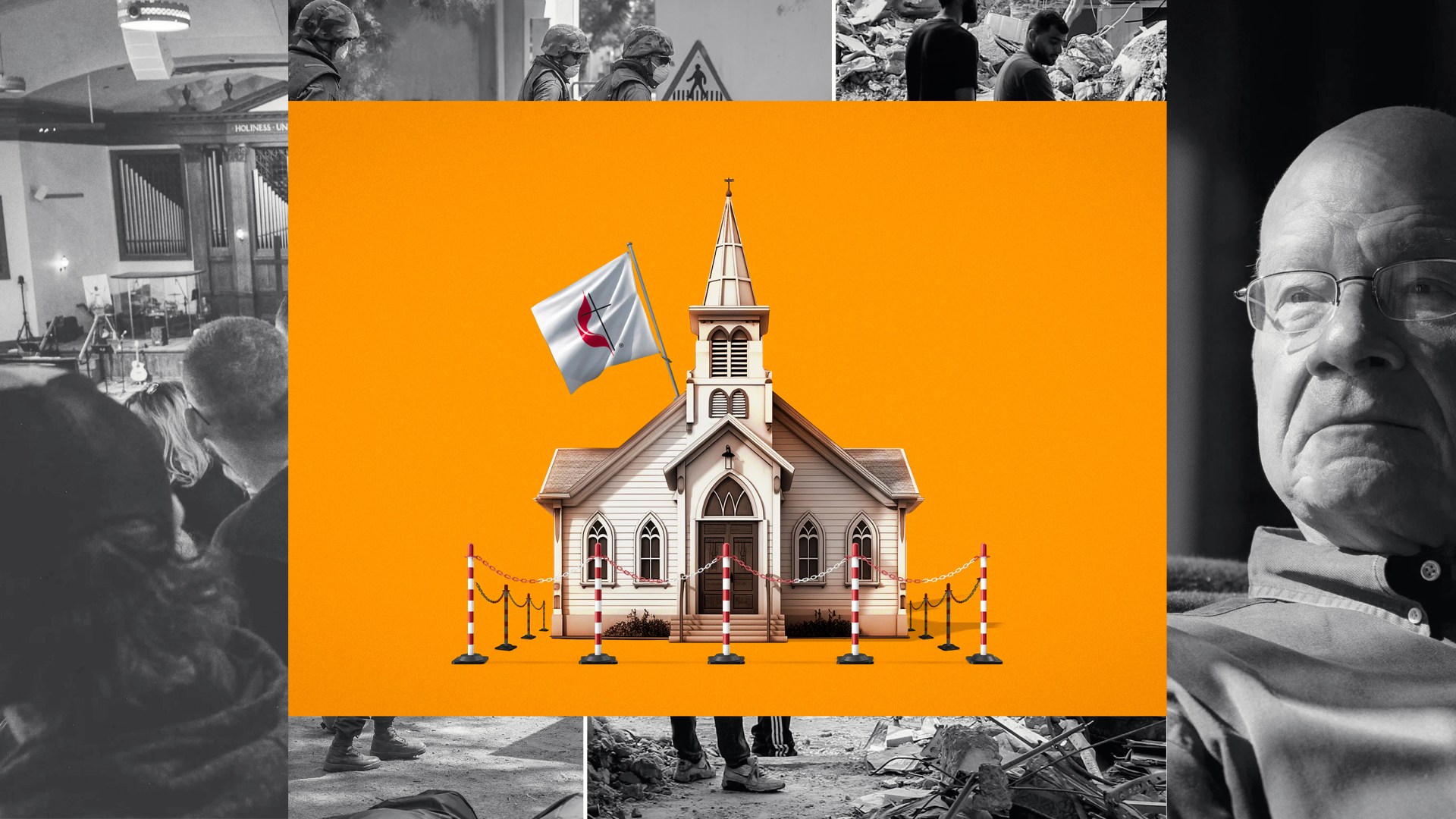
A Palestinian Israeli Christian reflects on Christmas, justice, and war in Gaza.

Christianity Today December 20, 2023
Illustration by Christianity Today / Source Images: Unsplash / Getty

Politicians and political activists are arguing about labels. Some are demonizing every Palestinian in Gaza and the West Bank: They are all terrorists or terrorist sympathizers. There are no innocents. They do not deserve to live. Others are dismissing Israeli grief after the indefensible October 7 attacks by Hamas: They are guilty of apartheid, ethnic cleansing, genocide. They got what they deserved. All are speaking of war as the path to tranquility and security: It is self-defense. It is resistance. It is our right.

In politics, the point of this debate is clear; the vocabulary we use shapes what is politically achievable. But it shapes our ethics too, and language like this traps us in an ethical vision that justifies war and bloody violence. It is not a Christian ethic, yet too many churches are caught up in applying these labels instead of providing a peaceful prophetic vision, a countercultural and distinctly Christlike stance.

Meanwhile, violence rules. People are suffering and being killed. Yet we want to celebrate Christmas. We want to look at the embodiment of perfect humanity, the baby Jesus. Can we also honor and serve him as our Prince of Peace?

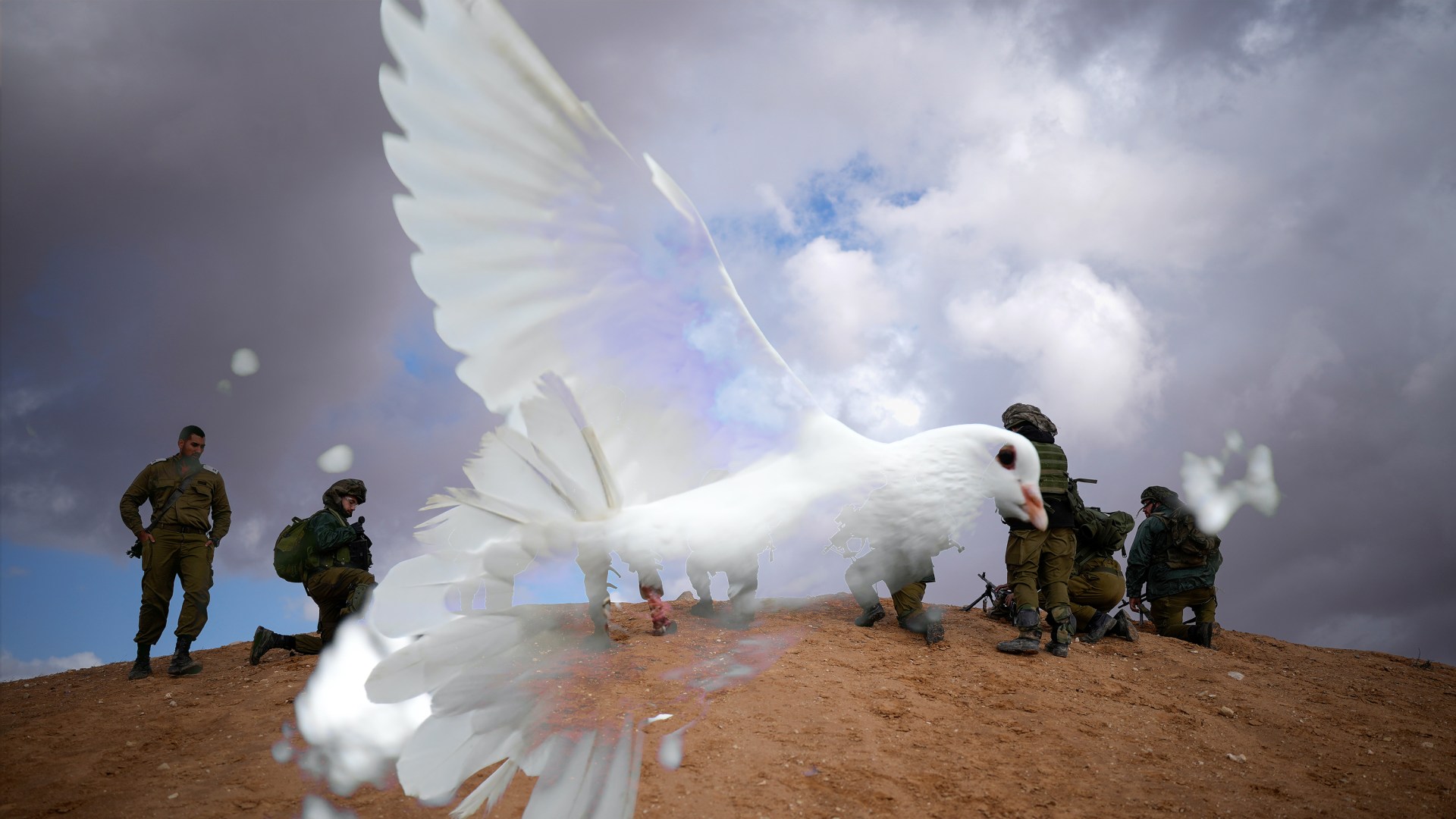
Palestinians and Israelis need a call to peace to replace the drums of war. Almost 14 million people live between the Jordan River and the Mediterranean Sea. About half are Palestinians, including Palestinian Israeli citizens, and half are Jews.

War will not resolve our conflict. We have tried many wars, but the results are always the same: Peace is lost on both sides. No one truly wins. We are losing our young men and women, our children, our dignity, and even our humanity. Wars will not heal our land or our souls or our pain. Killing our neighbor will not resolve our problems.

We need instead the courage of peace. We need peace in which Palestinians and Jews can live together in equality and justice. We need peace that overcomes ethnic differences. We need the peace of Jesus Christ, the vision of a kingdom in which “he himself is our peace” and has “put to death [our] hostility” (Eph. 2:14–16).

In the season of Christmas, we remember this attribute of Christ. The birth of the Prince of Peace reminds us of a deeper truth than what we read in the headlines. We look for Magi to offer wisdom the political establishments do not have (Matt. 2:1–12). We seek peace not only between God and humanity but also between Israelis and Palestinians.

This is not a small or easy vision. It requires difficult forgiveness (Matt. 18:21–35); love for each other, including the enemy (Matt. 5:43-48); teaching godliness (2 Pet. 1:5–7); and advocating for missional justice (Isa. 1:17). Christ himself, who broke “the power of him who holds the power of death” (Heb. 2:14), is the embodiment of this vision. His life is the lesson we must keep on studying (1 Pet. 2:21, John 13:12–15).

The alternative to this true peace is false security, if not everlasting war. Already, thousands of people have been killed. Hundreds of thousands are displaced. Many are deceived and believe that killing is the only answer to the evils and injustice we see. This is a satanic lie!

The security of Israelis cannot be separated from the security of Palestinians and vice versa. We live in the same land! We are God’s gift to each other—but sadly, we have become a source of pain for each other.

This is not God’s vision for us. We must repent, stop killing each other, and build a new future in which we honor each other. God’s vision is life, not death; love, not hate; mercy, not cruelty; equality, not injustice. “He will take pity on the weak and the needy and save the needy from death,” says Psalm 72:13–14. “He will rescue them from oppression and violence, for precious is their blood in his sight.”

The global church must learn this lesson of Christ’s peace too. It must insist on life for both Palestinians and Israelis. It must affirm God’s love and mercy for both peoples. It must offer hope to both Palestinians and Israelis—not a cheap hope that bypasses forgiveness and justice, and not a political hope rooted in war, killing, hatred, and revenge.

We are now celebrating Christmas. How can we embody the Prince of Peace for both Palestinians and Israelis?

I suggest that we call for ceasefire. We serve all the ones who are hurting. We pray for a long-term solution in which Palestinians and Israelis can live together in peace. We empower the people of God in the land—both Messianic and Palestinian Christians—to keep the faith and follow Christ who taught us to love our enemies, forgive our killers, and create a new kingdom of “righteousness, peace and joy in the Holy Spirit” (Rom. 14:17).

This is a Christmas call. May God have mercy on all of us.

Yohanna Katanacho is currently the academic dean at Nazareth Evangelical College and a visiting professor at Regent College in-Vancouver. He is a Palestinian Israeli evangelical who studied at Bethlehem University (BS), Wheaton College (MA), and Trinity Evangelical Divinity School (MDiv, PhD). He is the author of several books including Praying through the Psalms and Reading the Gospel of John through Palestinian Eyes.

Editor’s note: A selection of CT’s Israel-Hamas war coverage is now available in Arabic, among eight other languages.

Theology

Put ‘Mas’ Back in ‘Christmas’

The holidays are overwhelming. As a Christian and an introvert, I take refuge in church.

Christianity Today December 20, 2023
Ocamproductions / Lightstock

The day I look forward to most every holiday season is January 2. After the bustle and sensory overload of the holidays, the second day of the new year comes like a quiet snowfall, an invitation to rest in blessed solitude.

Appropriately, it’s also National Introvert Day. Up to half of the US population is introverted like me, and though the official designation may not be widely known, my sense of relief is no doubt widely shared. Many Americans report finding the holiday season stressful—but also lonely. Hectic, yet sad.

The pressure to socialize, consume, and celebrate can feel like too much. But if you scale down the celebrations and opt for a more restrained vision of the ideal holiday, you may be perceived as a killjoy. The holiday introvert in popular culture is the Grinch, friendly only with his pet dog. In church culture, introverted behavior can be seen as selfish or, perhaps, less useful for the gospel.

But in a season now marked by excess and decadence, there’s value in leaning in to a quieter, more intentional vision of the holidays. Like introverted hospitality, introverted feasting can benefit the whole church. Introverted or not, we can celebrate with more depth and intention if we follow the model of the early church and put “mas” back in “Christmas.”

Today when we hear feast or holiday, we think of decidedly extroverted enterprises: chattering with family and friends around a table, jostling elbows on shopping sprees, singing carols at strangers’ doors. But early Christians would have heard these words very differently.

Though early holidays included elements of what we think of as “feasting” today, the overall thrust was far more solemn. In the pre-Christendom era, the church had a simpler calendar focused on the weekly Sabbath service. Still, “there was a very special Sunday, once a year,” historian Justo González writes in The Story of Christianity—not Christmas, but “the day of resurrection, the greatest of Christian celebrations.”

Easter was one of the first “official” Christian holidays, celebrated not with materialistic excess but with the rich symbolism and sacraments of the church. On Easter Sunday, new converts were baptized as members of the congregation in a ceremony filled with symbolic and sacramental meaning. After the baptism, Gonzalez writes, new members were given water, “a sign that they were thoroughly cleansed. … And they were also given milk and honey, as a sign of the Promised Land into which they were now entering.”

A feast day in the early church, then, was most of all a day for remembering one’s identity as a believer—an identity that ran directly counter to the Roman Empire. For example, the later rise of Christmas as a Christian holiday, some scholars say, came as a counterpoint to Saturnalia, a raucous Roman winter festival celebrated in December. The feast of Christ’s nativity, in contrast, was most notably a solemn worship service to adore the Savior.

Contemporary accounts of these early holidays are imbued with joy and passion. A nun named Egeria who visited an Eastern church in 381 described how, all throughout Lent, the catechumenates would spend three hours a day listening to the bishop expound on the Scriptures. “The faithful utter exclamations,” she wrote, “but when they come and hear him explaining the catechesis, their exclamations are far louder, God is my witness.”

The special holiday meal for these early Christian feasts was Communion. The main “decoration” was the baptismal font—and maybe some cobwebs, as some persecuted early churches met in catacombs. Christians gathered not for a string of parties but for deeply symbolic worship. The believers “all rise together and send up prayers,” wrote Justin Martyr in his First Apology, emphasizing the joy and boldness with which they came into the presence of God to remember the Resurrection. When Christmas was first celebrated, it followed a similar pattern—“mas” refers to Mass, as in a church service.

This early-church way of celebrating holy days can particularly resonate with those of us who are introverted. We may be especially likely to “appreciate the depth of liturgical prayers and hymns, as well as the rich symbolism that fill traditional churches,” as Adam McHugh, author of Introverts in the Church, has written at CT.

It’s also easy for me to see a resemblance between today’s Christmas celebrations and the excess of the Greco-Roman feasts. With the gross commercialization of the season, is it any wonder that only half of Americans see Christmas as a religious holiday?

At this point, admittedly, there’s a danger: Some past calls to put the “mas” back in “Christmas” have swung the pendulum too far in the other direction.

English Puritans in 1645, for example, famously banned the celebration of Christmas entirely. This only led to a “liturgical vacuum,” as theologian W. David O. Taylor puts it, in which “the government determines the legal shape of Christmas, the market shapes a society’s emotional desires and financial expectations about the holy day, [and] the ideal family replaces the holy family.” The church, in the end, did exactly what it had hoped not to do: It lost “its distinctive voice in the public square.”

Instead of nixing holiday celebrations altogether, then, we should be thinking more carefully about how we celebrate. Returning to the older pattern of holidays as holy days—marked chiefly with special church services—is especially poignant this year, amid news of the cancellation of Christmas festivities in Bethlehem due to the Israel-Hamas war. Christmas will still come, even without its more superficial celebrations, and tragedy can unmask our shallower concerns and draw believers back to worship in the most difficult times.

I’m thankful for new resources, like Advent devotionals and the Jesse Tree, that help us quietly commit to recenter these feast days on Christ. These countercultural practices of worship bring intentionality—and true joy—back to the season and unite us to Christians in widely varied circumstances around the world.

For my family, the best Christmases have been the ones in which we’ve embraced our introversion and returned to the symbolism and simplicity that refresh us. It’s not the emotionally exhausting parties that stand out to us, rushing off to attend this concert or that dinner. It’s the four weeks we spent lighting a candle each evening, remembering the coming Savior in the silent darkness. It’s the Christmas morning we worshiped at church, singing alongside the global church, and then went for a walk around the neighborhood in the snow.

Introversion isn’t a free pass from loving and serving others during the holidays. It just means we might do so differently. Instead of inviting over all the neighbors, we might invite the international couple who can’t go home for the holidays. We might hearken back to our Christian roots and restore the original meaning of the word Christmas: Mass on Christ’s day. We might even find that we look forward not only to January 2 but to all the days before it.

Jesus did not say that he is only present at a party, where there’s a staff white elephant exchange or we’re caroling from door to door. He said he would be with just two of us (Matt. 18:20), and he called himself our true gift (John 3:16). Worshiping, enjoying, and resting in him is more than enough for any Christmas.

Sara Kyoungah White is a copy editor at Christianity Today.

Theology

The Contrast Between Two Miraculous Mothers

How Mary and Elizabeth exalt God through their mutual joy

Phil Schorr

At that time Mary got ready and hurried to a town in the hill country of Judea, where she entered Zechariah’s home and greeted Elizabeth. When Elizabeth heard Mary’s greeting, the baby leaped in her womb, and Elizabeth was filled with the Holy Spirit. In a loud voice she exclaimed: “Blessed are you among women, and blessed is the child you will bear! — Luke 1:39-42

Often when we find ourselves in a similar season of life to those around us, we note how they are handling their situation compared to our own. It can be dating in high school, the wedding season that starts in college and continues into the following decade, and especially the era of bearing children. In our lives, competition may be the natural underbelly of this comparison, but in Luke’s account, that is thoroughly eclipsed by the focus on God’s coming kingdom.

The angel Gabriel announced to Mary that she would miraculously bear a son and that her cousin Elizabeth had also become pregnant in her old age. When Mary visited Elizabeth, surely the two women would have noticed where their situations diverged. Elizabeth’s disgrace among her people was taken away in pregnancy; Mary’s began in pregnancy. Elizabeth’s son was given through the institution of marriage; Mary’s was conceived by the Holy Spirit.

The tension I imagine in this meeting is further compounded by the Magnificat. With Christ's imminent entry into the world, Mary’s song describes what kind of kingdom he has come to establish. It is one that will reverse societal norms. The proud will be scattered, the rich sent away empty. The humble will be lifted and the hungry filled with good things. It is clear when reading Luke that Elizabeth had been lifted up and that Mary was lifted even higher. To the contemporary, undiscerning eye, however, Elizabeth had a right to be proud and Mary had none.

How understandable it would have been for Mary to only seek shelter in their visit or for Elizabeth to only offer commiseration. Perhaps they could have fallen into the awkwardness of not acknowledging their differences while preparing for the coming births.

But Luke doesn’t record tension or sorrow between the two women. He records joy. Beyond the outward manifestation of their pregnancies, the most important similarity between them was the weight of the miraculous—evidence that God is present, active, and deeply invested in us. As Charles Spurgeon said about the Magnificat, “Oh, how we ought to rejoice in him, whatever our union with him may cost us!”

Elizabeth’s exultation and Mary’s song cause me to ask myself some poignant questions: Do my eyes look for the movements of God even when they go against what is socially acceptable? Would I declare someone blessed even if it required humility in my deepest desires?

Because he is merciful, my soul should glorify and my spirit rejoice. I want to joyfully exclaim in the midst of our differences like Elizabeth or sing praises in the face of communal persecution like Mary—not for the sake of being contrarian but to be focused on the coming glory of Christ’s kingdom.

Reflection Questions:


1. How does the encounter between Mary and Elizabeth challenge our tendency to compare ourselves to others and compete with them?

2. In what ways do Mary and Elizabeth demonstrate humility and joy in the face of societal expectations and norms?

Dorothy Bennett holds a master's in Theology & Art from the University of St Andrews. She currently co-runs a video marketing company in Austin, TX.

This article is part of The Eternal King Arrives, a 4-week devotional to help individuals, small groups, and families journey through the 2023 Advent season . Learn more about this special issue that can be used Advent, or any time of year at http://orderct.com/advent.

10 Favorite Episodes of ‘The Bulletin’ in 2023

In a wild year of news, these episodes grounded us in wise and measured conversation about culture, politics, and faith.

Christianity Today December 20, 2023

2023 was the first full year of The Bulletin, Christianity Today’s new flagship weekly news podcast. Hosted by Mike Cosper, Nicole Martin, and editor in chief Russell Moore, The Bulletin looks beyond the headlines to offer listeners lively, thought-provoking conversation about breaking news and cultural trends. CT Media’s team has selected their 10 favorite episodes to celebrate and showcase this year’s great discussions. Listen to all of The Bulletin episodes here.

Check out the rest of our 2023 year-end lists here.

CT’s Top 20 Stories from South Asia

Our most-read stories about the church in India, Nepal, and Pakistan in 2023.

Christianity Today December 20, 2023

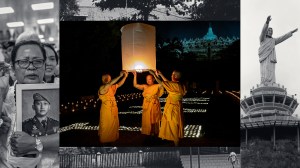
In 2023, CT published stories from South Asia, covering church growth amid opposition in Nepal and India, traditional practices like yoga, Indian festivals and marriages, and the violence that has shaken the Christian community in India and Pakistan.

In 2024, we want to do more. If you have suggestions for story ideas or new writers who should write for us, please fill out this form.

Articles are ranked in reverse order of online popularity.

20.

19.

18.

17.

16.

15.

14.

13.

12.

11.

10.

9.

8.

7.

6.

5.

4.

3.

2.

1.

Check out the rest of our 2023 year-end lists here.

CT’s Top 13 Stories from the Greater Middle East

Covering earthquakes, war, and signs of hope, here is a chronological survey of Christian news from the region in 2023.

Christianity Today December 20, 2023

Selected by CT editors, below is our coverage of significant developments in 2023 for Christians in the Greater Middle East and North Africa, arranged in chronological order of publication:

Amid economic crisis and political turmoil, Christian worship, teaching, and sermons rival popular music on the nation’s airwaves. But while some see hope in the use of local dialect, others spot controversy and wonder if the content is sufficiently Arab.

View further reporting on Lebanon.

The Russian invasion of Ukraine sparked a simultaneous exodus of both nations’ Jewish populations. Whether from fear of war or persecution, believers in Jesus debated if a final destination in Israel represented a biblical commandment, a divine blessing, or a simple personal choice.

View further reporting on Russia, Ukraine, and Messianic Jews.

Clandestine visits by an Orthodox bishop began nearly a decade ago. But as the kingdom begins to publicize the holiday, its two million foreign Christian workers wonder if the privilege given to Egypt will result in greater religious freedom for all.

View further reporting on Saudi Arabia.

While the February earthquake in Turkey and Syria elicited millions of dollars in emergency aid for Ankara, sanctions against Damascus prevented a similar outpouring of support. A temporary US waiver—now expired—aimed to ease regulations, but critics blamed a “chilling effect” for curbing global generosity.

View further reporting on Syria.

Violence that began in April between the national army and its formerly-aligned paramilitary force followed coups and pro-democracy demonstrations that once promised greater religious freedom. Now, scattered believers seek the Scriptures to make sense of the chaos in their troubled country.

View further reporting on Sudan.

Claiming to defend freedom of speech rights in the West last June, a Christian-background Iraqi immigrant in Stockholm offended the sentiments of Muslims worldwide. As protests raged back home and elsewhere, believers from his dwindling religious community faced pressure to condemn him.

View further reporting on Iraq.

Naming their disaster relief efforts after the biblical patron of widows—also known as Dorcas—evangelicals played an outsized role in serving their Muslim neighbors. And just as Peter raised the biblical heroine from the dead, the church hopes God will revive the nation’s ancient Christian testimony.

View further reporting on Turkey.

Last August, leadership of the global association of believers participated in a United Nations side event. Critics accused the move as whitewashing the Islamic Republic’s offenses against freedom of religion. Intending to aid the underground church, the WEA sparked debate about best advocacy practices.

View further reporting on the World Evangelical Alliance.

Arab believers are generally subject to Islamic Sharia in its ban on adoption. In Jordan, an evangelical ministry lobbied church leaders to include it in a bid to reform religion-based family law, while a scandal that ripped a Coptic orphan from his family marred Egypt’s promotion of foster care. Lebanon is best off, while Syria struggles.

View further reporting on adoption and Sharia law.

Customs require feeding large crowds of mourners, but Muslims and Christians alike struggle to pay for the cultural expections during times of economic crisis. A local pastor in the Hashemite kingdom calls on evangelicals to honor the deceased but to give the money instead to the poor.

View further reporting on Jordan.

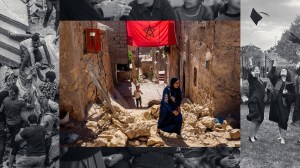
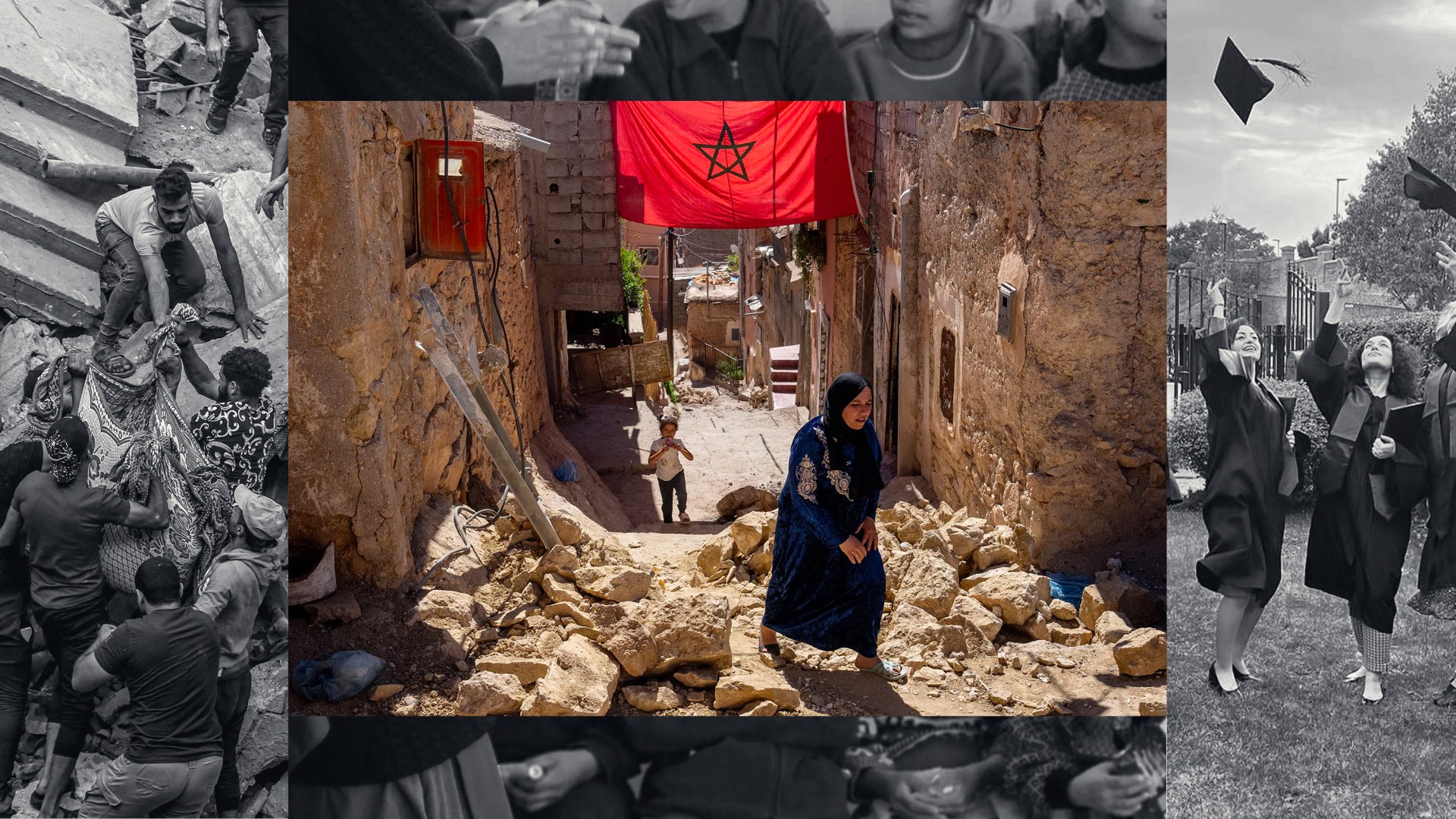
While not officially recognizing an indigenous Christian convert community, the Atlas Mountain kingdom generally lets it exist in peace. But September’s earthquake spurred believers to live their faith publicly in the provision of aid, amid differences on the degree to which they should also evangelize.

View further reporting on Morocco.

Offended by the near-unequivocal pro-Israel support of fellow believers, Arab Christians issue several statements condemning the high civilian death count in Gaza. But how do their views compare to global and American statements backing the Jewish state, in recognition of greater context?

View further reporting on the Israel-Hamas war.

Many in Iran suffer from the psychological toll of living under an authoritarian regime that cracked down on women protestors. Christian converts bear a further burden of family rejection and government oppression. Diaspora ministry enrolls hundreds of believers preparing to pastor accordingly.

View further reporting about Iran.

Check out the rest of our 2023 year-end lists here.

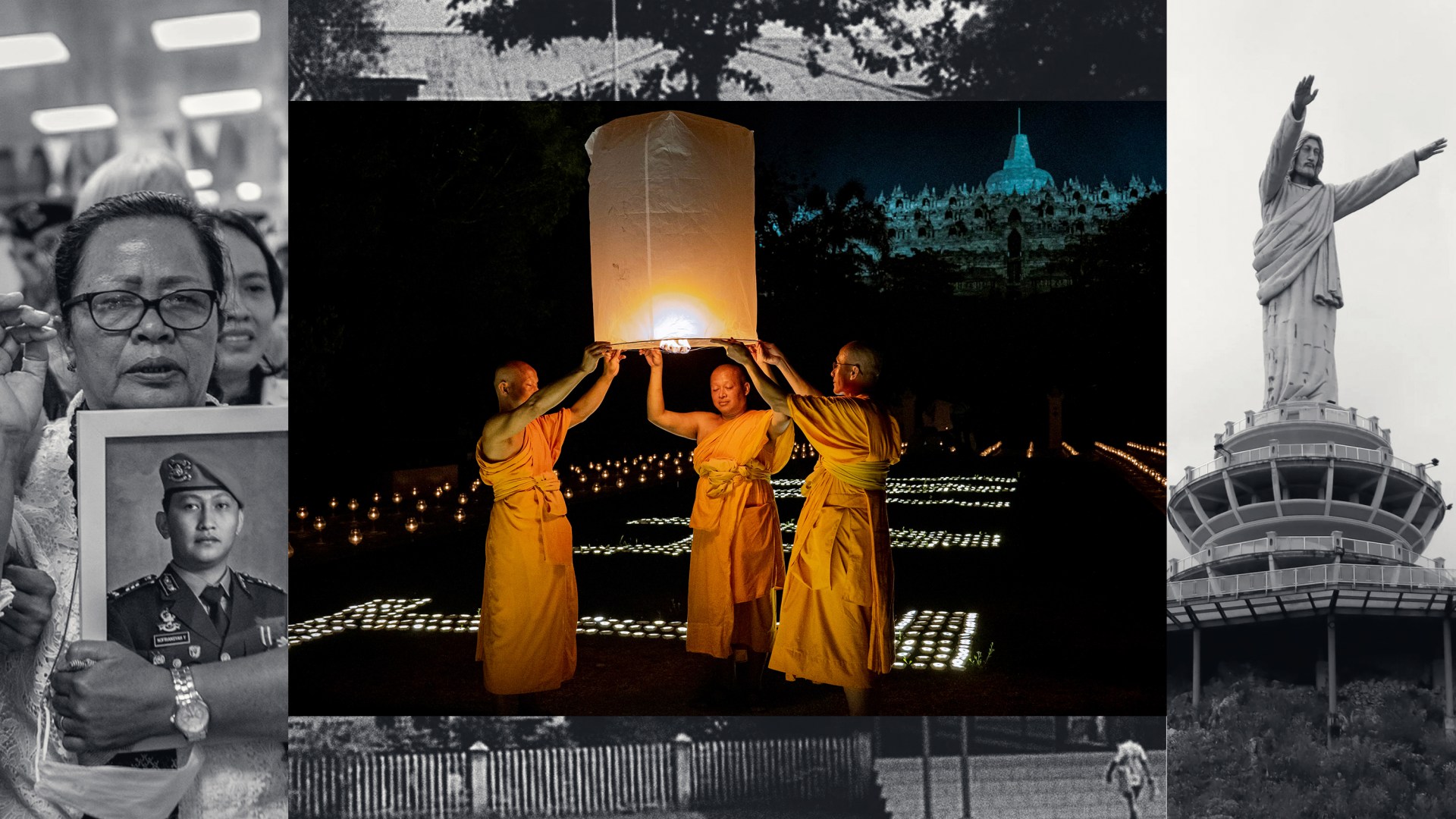
CT’s Top Indonesia Stories of 2023

Pursuing religious harmony, redefining beauty, and responding to a police scandal. Plus: Tell us what we missed.

Christianity Today December 20, 2023

In 2023, CT worked to publish more stories on Indonesia and platform more Indonesian writers. Here are seven articles on topics ranging from how Christians and Muslims can coexist to a struggling mission hospital in Borneo to how Christians view skin whitening.

In 2024, we want to do more: If you have suggestions for story ideas or new writers who should write for us, please fill out this form.

Check out the rest of our 2023 year-end lists here.

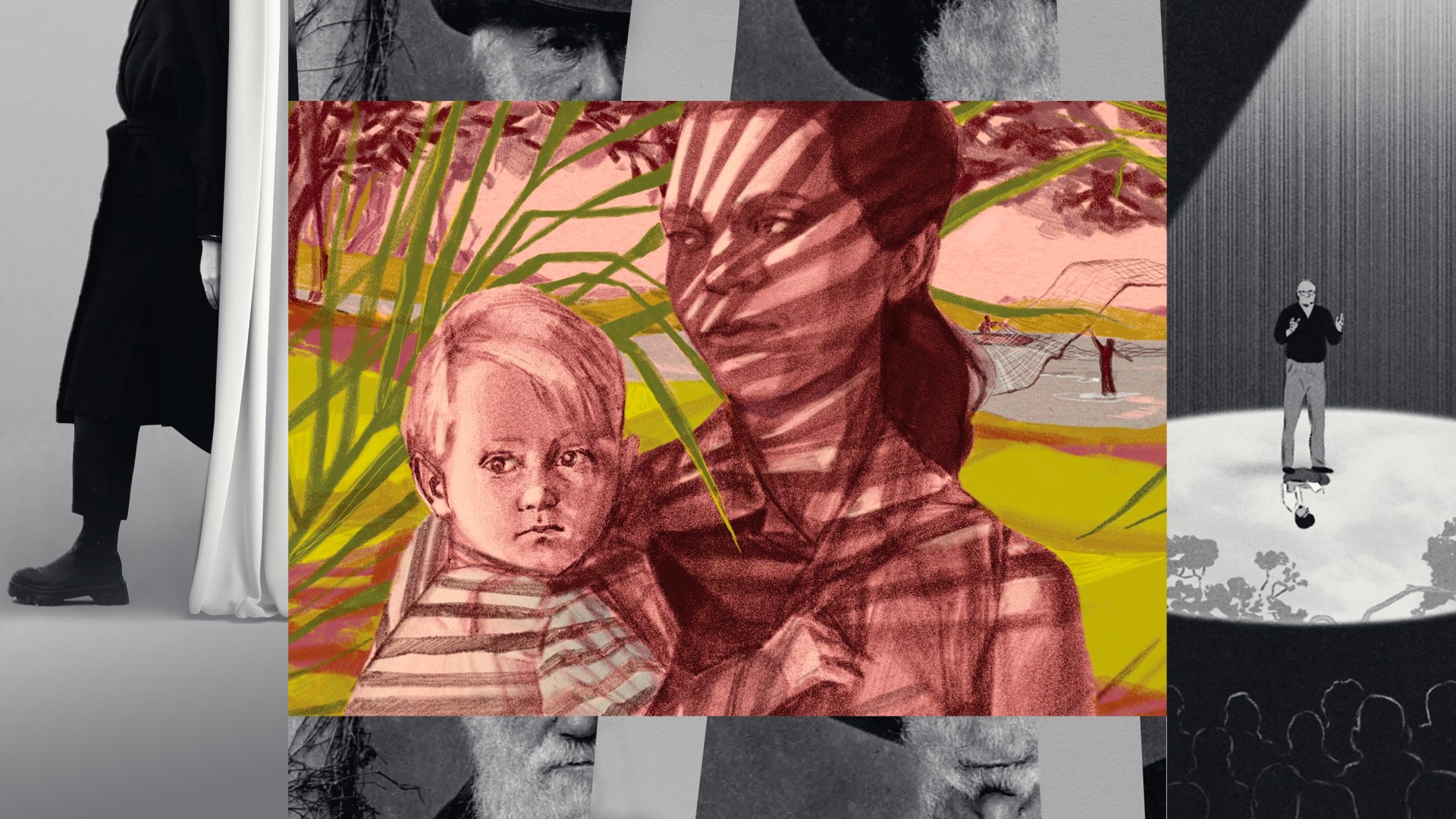
CT’s Top Singapore Stories of 2023

On keeping Gen Z in church, letting go of self-optimization, and talking about mental health. Plus: Tell us what we missed.

Christianity Today December 20, 2023

In 2023, CT worked to publish more stories on Singapore and platform more Singaporean writers. Here are eight articles on topics ranging from generational divides within the church to Christian drug rehabs to a Christian response to Qi Gong.

In 2024, we want to do more: If you have suggestions for story ideas or new writers who should write for us, please fill out this form.

Check out the rest of our 2023 year-end lists here.

Books

Christianity Today’s 15 Most-Read Book Reviews of 2023

Elisabeth Elliot’s extraordianary life, Shannon Harris’s memoir, the perils of public ministry, and much more from the year in books.

Christianity Today December 20, 2023

Here are our most popular book reviews of 2023, ranked in reverse order of what our online audience read most.

15.

14.

13.

12.

11.

10.

9.

8.

7.

6.

5.

4.

3.

2.

1.

Check out the rest of our 2023 year-end lists here.

CT’s Top 10 News Stories of 2023

The year brought news of revival and tragedy, with ongoing coverage of denominational divides and allegations of abuse in ministry.

Christianity Today December 20, 2023

This past year may be defined for some evangelicals by the bits of duct tape put over the word United on so many United Methodist Church signs. Or the 152 bullets fired at a Christian school in Nashville, killing six people. Or by the hymns that Tim Keller chose to have sung at his funeral.

There were moments of grace amid a lot of darkness. There was also a lot of darkness. There were tragedies, prayers, votes, big decisions, and little decisions made with great determination, contributing to the ongoing, unfolding shifts in evangelicalism.

As 2023 draws to a close, here are 10 stories that stood out to us as pivotal.

10. New York City Christian College Closures

A number of evangelical colleges saw record enrollment in fall 2023, but Christian higher education still suffered from long-term trends. This year New York City watched the closing of its only two evangelical colleges, The King’s College and Alliance University (formerly Nyack College). Nyack in particular was a historic loss; the Christian and Missionary Alliance school was 140 years old.

9. Mass Shooting at Nashville Christian School

The Covenant School in Nashville was targeted in the most high-profile attack on a Christian school in US history, with a shooter killing three students and three staff during an attack in March. The tragedy led some Covenant families to call for stricter “red flag” laws to prevent gun violence.

8. Church of England’s Same-Sex Blessings

In a long-awaited and long-debated compromise, Anglicans approved on a trial basis special services to bless same-sex couples. Evangelicals feared the decision could split the Church of England, and conservatives from the Global South denounced the move.

7. SBC and CMA Votes on Women in Ministry

Two denominations considered policies around women in pastoral roles, with the Southern Baptist Convention (SBC) backing the removal of Saddleback Church for its female pastors and the Christian and Missionary Alliance (CMA) voting to allow women to use the title of “pastor” in non-elder positions (leading a handful of churches to leave the CMA).

6. Abuse Allegations

Several major ministries and churches investigated abuse allegations, including against International House of Prayer founder Mike Bickle in Kansas City, Missouri, and Soul Survivor founder Mike Pilavachi in England. Others faced scrutiny over their response to abuse, including counselors at John MacArthur’s Grace Community Church; leaders at Chi Alpha and the Assemblies of God who knew about a sex offender’s ongoing ministry involvement; and Hillsong’s Brian Houston, who was found not guilty of covering up abuse by his father.

5. PEPFAR

The year began with a celebration of the 20th anniversary of PEPFAR, a hugely successful program to fight HIV/AIDS that has saved 25 million lives and currently has 20 million people on treatment, often through faith-based partners on the ground. But the program was up for reauthorization this year, and US pro-life groups have successfully halted its renewal based on thus-far unsubstantiated concerns about the program funding abortions. African Christians working in health care are worried about what the implications will be for the millions they are treating.

4. Israel-Hamas War

Hamas coordinated a surprise terror attack from Gaza on Israeli civilians on October 7, killing about 1,200 people and throwing the region into war. War brought civilian casualties to Palestinians too, and local Christians in the Holy Land wrestled through how to live with both anger and hope. Palestinian Christians said they wanted Hamas gone, while in the US Christians tried to find ways to address rising antisemitism.

3. Tim Keller’s Death

A generational influence on the global church, New York pastor and author Tim Keller died in May after a three-year battle with pancreatic cancer. Keller modeled graceful engagement in American evangelicalism’s growing tensions, built up local churches, and showed how to worship in the face of death. CT published a special issue on Keller this year.

2. Asbury University Revival

When its chapel service stretched on for weeks and drew crowds with reports of “revival,” Asbury University in Kentucky prioritized the leadership of its students and the work of the Spirit over celebrity and spectacle. The outpouring at Asbury inspired revivals at other campuses and encouraged Christians worldwide.

1. United Methodist Church Disaffiliations

As a result of ongoing denominational divides on same-sex marriage and LGBT clergy, more than 7,600 congregations have left the United Methodist Church, with around 5,600 departing in 2023 alone. Some struggled to disaffiliate and keep their property, including Korean American churches and churches in states like Georgia, where they took legal action.

Check out the rest of our 2023 year-end lists here.

Apple PodcastsDown ArrowDown ArrowDown Arrowarrow_left_altLeft ArrowLeft ArrowRight ArrowRight ArrowRight Arrowarrow_up_altUp ArrowUp ArrowAvailable at Amazoncaret-downCloseCloseEmailEmailExpandExpandExternalExternalFacebookfacebook-squareGiftGiftGooglegoogleGoogle KeephamburgerInstagraminstagram-squareLinkLinklinkedin-squareListenListenListenChristianity TodayCT Creative Studio Logologo_orgMegaphoneMenuMenupausePinterestPlayPlayPocketPodcastRSSRSSSaveSaveSaveSearchSearchsearchSpotifyStitcherTelegramTable of ContentsTable of Contentstwitter-squareWhatsAppXYouTubeYouTube