

Ideas

Why Do Some People Think Jesus Was a Racist?

Columnist; Contributor

They point to his dialogue with the Syrophoenician woman. But the story shows the opposite of what they claim.

Wikimedia Commons / Edits by Rick Szuecs

Every few months, it seems, a new article pops up claiming that Jesus was racist.

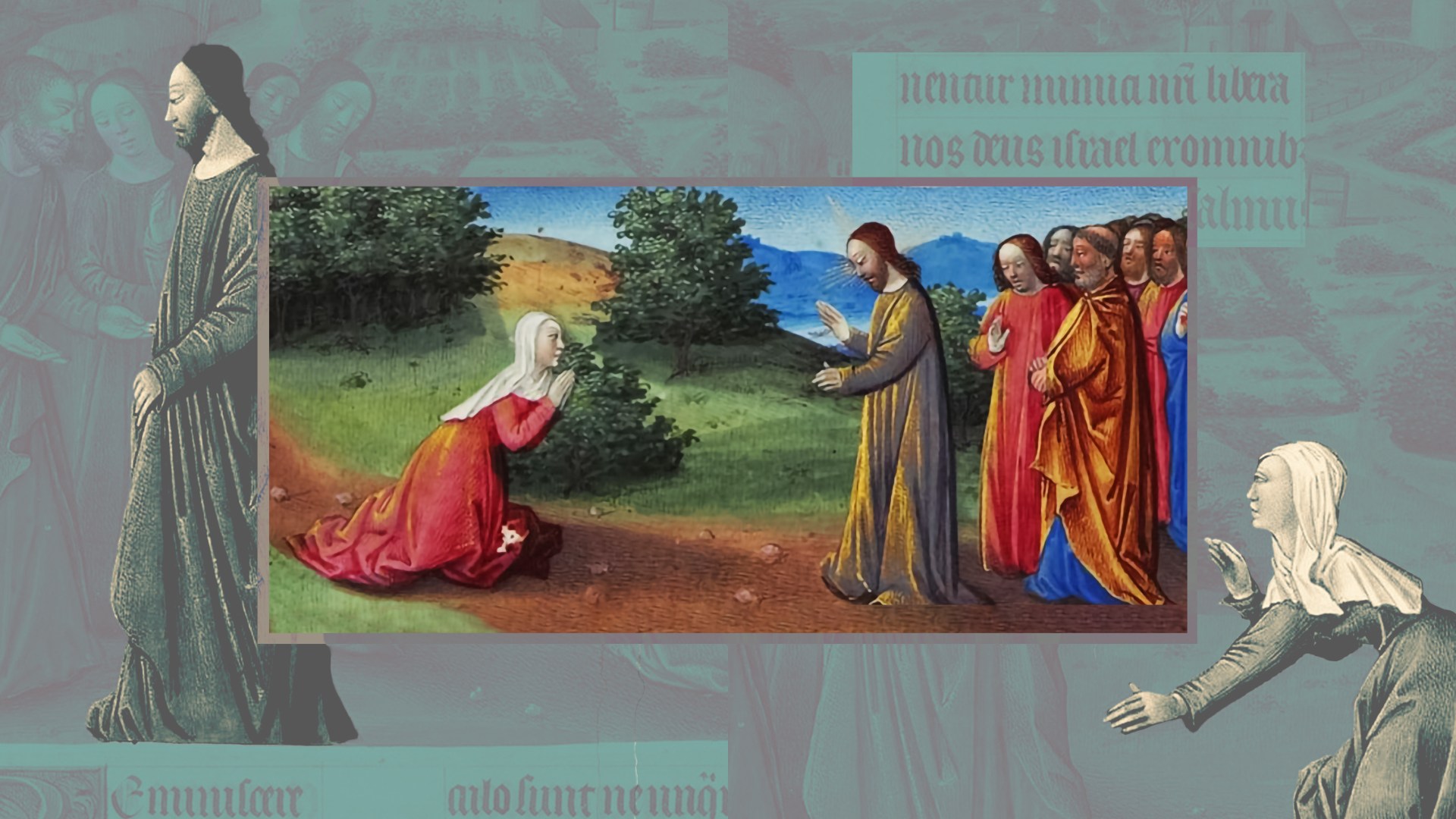
The claim is based on the story of Jesus healing the daughter of a Syrophoenician woman (Matt. 15:21–28; Mark 7:24–30). When the woman asks Jesus to heal her demon-possessed daughter, he says, “It is not right to take the children’s bread and toss it to the dogs.” The woman responds, “Even the dogs eat the crumbs that fall from their master’s table,” at which point Jesus commends her faith and heals her daughter instantly. Until now, the argument goes, Jesus has been racist, dismissing foreign people as “dogs.” Supposedly, this encounter shows him the error of his ways.

We could respond at several levels. Theologically, we know Jesus was without sin (Heb. 4:15). Exegetically, the Syrophoenician encounter resembles many other healing stories in the Gospels that take the same broad shape: a request for healing, followed by a dialogue where Jesus raises the stakes (“Do you believe that I am able to do this?” “Who touched me?” “Is it lawful to heal on the Sabbath?”), with the miracle completing the sequence.

Canonically, we should note the Gentiles Christ has healed already (Matt. 8:5–13, 28–34), not to mention his conversation with a Samaritan woman, which scandalized his disciples (John 4:1–42). And historically, talking about “race” in this period is anachronistic in the first place. It’s also implausible that Matthew, who opens with Gentile Magi worshiping the newborn King and finishes with a commission to go and make disciples of all nations, would include a story meant to portray Jesus as motivated by ethnic prejudice.

These are powerful arguments against deeming Jesus a racist. But ultimately, the best reason to resist this verdict is contextual. When we consider the Syrophoenician encounter within Matthew (and Mark) as a whole, we realize that Jesus’ provocative dialogue is making a crucial point about the breadth of his mission.

Much of Matthew 13–16 is about bread. There are parables about seeds, wheat, yeast, and flour (13:1–43), followed by Jesus providing bread for 5,000 people (14:13–21) and a debate about washing hands and eating meals (15:1–20). Then comes the Syrophoenician healing story, with its images of “bread” and “crumbs.” From there we have another story of Jesus providing bread, this time for 4,000 (15:32–39), and another debate about bread and the “leaven” of the Pharisees and Sadducees (16:5–12, ESV).

Together, these passages use food to explore the boundaries of God’s people. Are the Gentiles defiled by failing to observe Jewish food laws? And are they welcome to eat the “crumbs” that fall from the Jewish table? The answers to both questions reveal the widening scope of God’s welcome. What makes people clean is not the food that goes in but the behavior that comes out (15:11). And Gentiles who approach Christ in faith receive what they desire (15:28).

The two miraculous bread stories illustrate God’s plans for a multiethnic kingdom. The 5,000 at the first meal were Israelites; there were 12 basketfuls left over, one for each tribe. By contrast, the feeding of the 4,000—occurring immediately after Jesus heals the Syrophoenician woman’s daughter—takes place in the Decapolis, which is Gentile territory (Mark 7:31). Even though Israel eats first, the Gentiles are fed too. The “children” are provided for, but the “dogs” receive bread as well. This fits the message of Matthew as a whole: Christ’s mission is first to the Jews (Matt. 10:5–6) and then to the Gentiles (28:19).

One other layer to this story is worth mentioning. Jesus is the second example in Scripture of a prophet running from the official king and queen of Israel, encountering a desperate Gentile woman, having a conversation about food, and healing her child. In Elijah’s case (1 Kings 17:7–24), the woman provides food for the prophet. But the Bread of Life is different. He provides the food himself—not just for one person (or people group), but for the starving thousands, and indeed the world.

Andrew Wilson is teaching pastor at King’s Church London and the author of God of All Things. Follow him on Twitter @AJWTheology.


Also in this issue

When a band of Boko Haram terrorists kidnapped hundreds of schoolgirls from a remote Nigerian town in 2014, it felt like the whole world was joining together to voice its outrage, thanks to a wildly successful social media campaign anchored in the hashtag #BringBackOurGirls. In this month’s cover story, two Wall Street Journal reporters with extensive experience in West Africa uncover the defiant Christian faith that sustained the girls throughout their captivity, detailing the strength they drew from stealthily shared prayers, songs, and Bible passages.

Cover Story

Whispered Prayers, Hidden Bibles, Secretly Scribbled Verses: Inside the Resilient Faith of the #BringBackOurGirls Hostages

Joe Parkinson and Drew Hinshaw

Promise Keepers Tried to End Racism 25 Years Ago. It Almost Worked.

Testimony

Having Polio Was a Privilege, Not a Punishment

Vaneetha Rendall Risner

News

Gleanings: June 2021

Editorial

Christian College Boards: Stay Strong on Sexual Ethics

Reply All

News

How Christians Are Rebuilding a Relationship with Colorado Springs

Liam Adams

How to Have Patriotism Without Nationalism

The River of Justice Flows Downhill

Brokenness to Beauty

Timothy Dalrymple

Our July/August Issue: The Cynic’s Life Raft

Andy Olsen

5 Books to Awaken Interest in Christian History

Jennifer Woodruff Tait

Why Church Can’t Be the Same After the Pandemic

‘How Could All the Prophets Be Wrong About Trump?’

Patrons’ Saints: Christians Turn to Patreon, Substack, and Kickstarter

Is Jemar Tisby’s Bestselling Book About Racism a Fluke?

Daniel G. Hummel

News

‘Pray Away the Gay’ Has Gone Away. Why Are Governments Trying to Stop It?

News

After Angela Merkel, German Evangelicals Weigh Political Values

Church History Is a Beautiful Melody Imperfectly Performed

Interview by Christopher Reese

Review

The Bible Doesn’t Come with Instructions. But We Still Need Guidance to Handle It Well.

Nijay K. Gupta

Review

Even When Money Is Tight, Churches Have More Resources Than They Realize

Paul Glader

New & Noteworthy Fiction

Davis Bunn

News

As Denominations Decline, Faith Looks Different in Nashville

View issue

Our Latest

Lord Over LinkedIn

Jacob Zerkle

As layoffs mount amid economic uncertainty, lots of us are looking for work. Here’s how to approach the process.

‘A Shot Came Out of Nowhere’

CT reported on the assassination of a president, a Supreme Court ban on Bible-reading in schools, and Martin Luther King Jr.’s “I Have a Dream” speech.

‘Saint Nicholas Is Our Guy’

A conversation with printmaker Ned Bustard on what traditions teach about the joy of generosity.

Review

Looking Back 100 Years

John Fea

Three history books to read this month.

The Bulletin

National Guard Shooting, a Bad Deal for Ukraine, and US War Crimes?

Mike Cosper, Russell Moore

Asylum-seeking paused after shooting tragedy, Russia rejects peace plan, and Hegseth scrutinized for Venezuelan boat attacks.

The 12 Neglected Movies of Christmas

Nathaniel Bell

The quest for a perfect fruitcake, a petty larcenist, and a sly Scottish dramedy should all grace your small screen this season.

News

Amid Peace Talks, Russian Drone Damages Christian School in Kyiv

Ukrainians are wary of any plan that gives Moscow its “Christmas wish list.”

Make Faith Plausible Again

Bryce Hales

A peculiar hospitality can awaken faith in our secular contexts.

Apple PodcastsDown ArrowDown ArrowDown Arrowarrow_left_altLeft ArrowLeft ArrowRight ArrowRight ArrowRight Arrowarrow_up_altUp ArrowUp ArrowAvailable at Amazoncaret-downCloseCloseEmailEmailExpandExpandExternalExternalFacebookfacebook-squareGiftGiftGooglegoogleGoogle KeephamburgerInstagraminstagram-squareLinkLinklinkedin-squareListenListenListenChristianity TodayCT Creative Studio Logologo_orgMegaphoneMenuMenupausePinterestPlayPlayPocketPodcastRSSRSSSaveSaveSaveSearchSearchsearchSpotifyStitcherTelegramTable of ContentsTable of Contentstwitter-squareWhatsAppXYouTubeYouTube