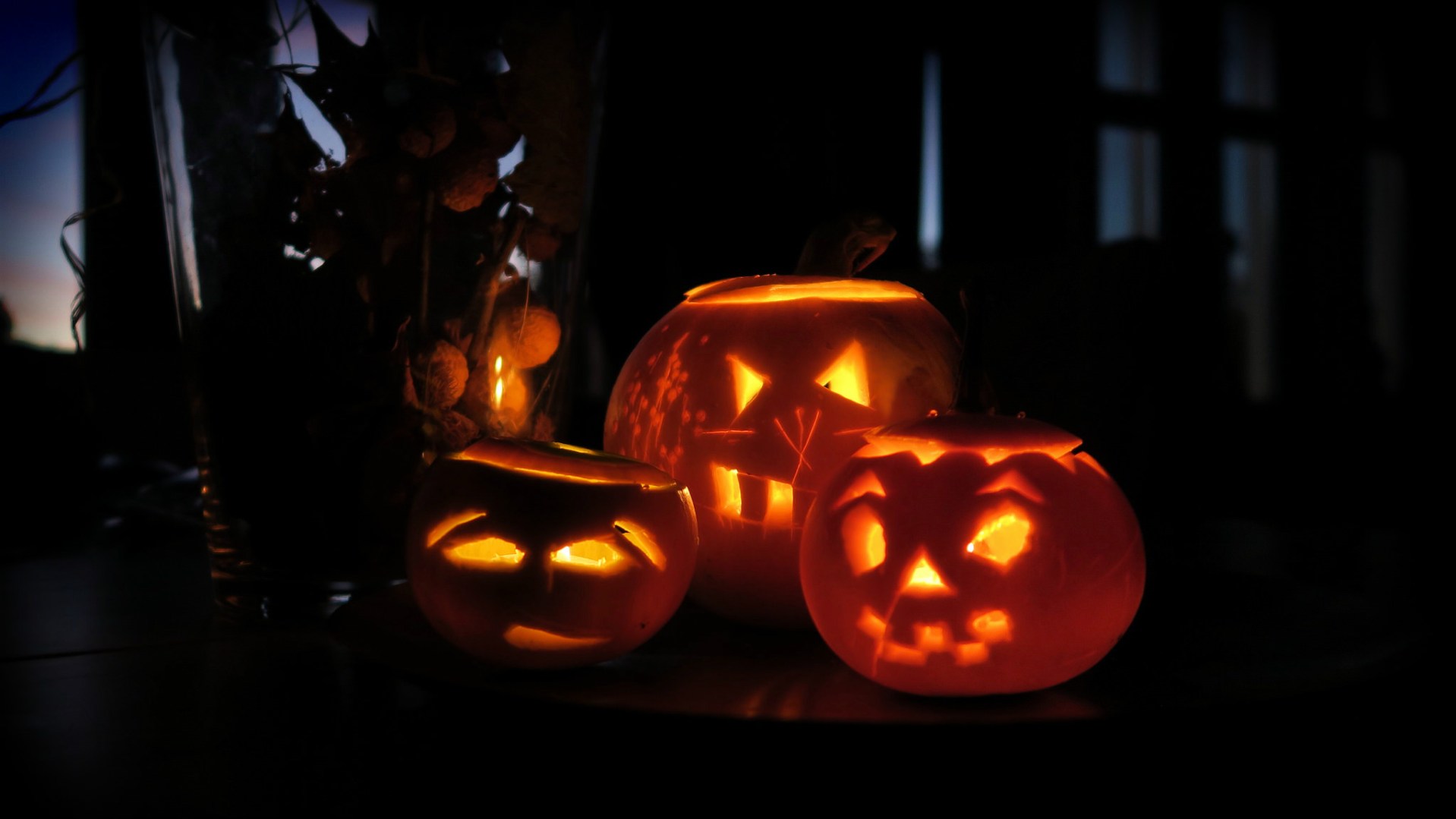
According to New York Newsday columnist Ellis Henican, just about everybody is protesting Halloween this year: "Interest groups left and right—Christian, Muslim and Wiccan—are finding new reasons to be outraged about Halloween. Fundamentalist Christians warn the celebration promotes devil worship. Prudes and feminists say the costumes have gotten too risque. Civil-rights groups complain that too many Halloween ghosts resemble lynching victims. Even the witches feel aggrieved …"
Protests are nothing new, but if history teaches us anything, we shouldn't expect them to stick. As Ellen Feldman once noted in American Heritage magazine, "Halloween is a plastic holiday … mauled and molded to fit the needs of each generation."
Halloween has its roots in Samhain, an ancient Celtic festival. Despite claims by modern Wiccans and Druids to have recreated lost rites, no one really knows what happened during Samhain. It's likely that Celts repelled the foreboding caused by lengthening nights, falling temperatures, and withering plants, plus serious belief in supernatural evil, with bonfires, human and/or vegetable sacrifices, and scary costumes.
The grisly aspects of Celtic fall festivities were tempered somewhat by the arrival of the Romans, whose harvest-time celebrations of the goddess Pomona emphasized fertility and love. The Catholic church, however, was hardly impressed with this "improvement."
Taking the "If you can't beat 'em, join 'em" position that had worked reasonably well with formerly pagan Christmas, eighth-century Pope Gregory III decided to baptize Samhain, retaining some customs but radically redefining their focus. Gregory moved All Saints', or Hallows', Day from May 13 to November 1 (which made October 31 All Hallows' Eve, i.e. Hallowe'en) and instructed revelers to dress as saints instead of evil spirits. Goodies that once had been offered to propitiate wandering devils were instead offered to poor people, who in turn vowed to pray for the souls of departed relatives.
Protestants, wary of both saints and praying for the dead, have never been too sanguine about Halloween. New England Puritans banned the celebration altogether, along with Easter and Christmas. Though the Catholic Maryland and Anglican Virginia colonies retained some Halloween customs, most of the holiday's traditional Celtic elements (including nighttime pranks and asking for food handouts) didn't come to this side of the Atlantic until massive Irish immigration in the nineteenth century.
Mainstream Halloween celebrations in the Victorian era were generally tame and devoid of occult overtones. Instead of pulling pranks or haunting neighborhoods, young people chatted and flirted in festooned parlors. By the beginning of the twentieth century, some towns had gone so far as to make Halloween primarily a civic affair, complete with parades and block parties. When trick-or-treating became widely popular, in the 1950s, most participants knew of neither the Celtic nor the Catholic rationales behind the practice.
Halloween's multiple identities may stem from its role as a screen for projected anxieties. Samhain gave ancient agrarians a way to address fears about death and darkness, while medieval Halloween played on fears about the state of loved ones' souls. Candy handouts in twentieth-century America grew out of genuine concern to avert harmful high-jinks.
Costume choices provide a particularly interesting peek at cultural concerns. Sue Ellen Thompson's 1998 book Holiday Symbols points out that during the Great Depression, "children often disguised themselves as hobos, burglars, pirates, and Indians—in other words, as economic and social outcasts, symbolic of the troubles from which their parents were struggling to escape." Time magazine's pick for the scariest costume of 1973 was a Nixon mask. In the 1980s, kids often emulated characters from TV, movies, and even ads in an attempt to be "cool" by consumer standards. After 9/11 popular costumes covered fresh wounds, as children and adults opted for representations of order (firemen, policemen, and soldiers) and patriotism (Uncle Sam, the Statue of Liberty, Abraham Lincoln).
I'm not going to get into the debate about whether Christians should go with the Halloween flow or propose wholesome alternatives. The holiday (and the surrounding protests) marks a useful moment to take stock of the anxieties in our culture, which will still weigh upon us after the pumpkins give way to turkeys and wreaths.
The American Heritage Halloween article is online here.
Elesha Coffman is former managing editor of Christian History & Biography.
Copyright © 2007 Christian History & Biography, or the author. Click for reprint information.