Theology

Glad Tidings Come in Times of Terror

The nativity story is the advent of God’s love to a fear-filled world.

Christianity Today December 21, 2021
Illustration by Mallory Rentsch / Source Images: WikiMedia Commons

It might seem like a strange thing to say, but my adult life has been consistently marked by the terrorist attacks of our era. I was out of college and in my second year at Princeton Theological Seminary when the World Trade Center was attacked just an hour’s train ride away.

As a St Andrews doctoral student living and working in Cambridge, England, I experienced the trauma and heartache from the environs of London during the 7/7 bombings of 2005. Ten years later, I was in Paris on a research trip when the 2015 terrorist attack took hold of the city.

Sadly, these devastating milestones of senseless violence have far from passed us by. Most recently, we have been watching the Taliban’s rapid takeover in Afghanistan, as it brings the country to the brink of economic collapse and certain widespread starvation.

Billions of funds have been frozen by the international community in order to force the Taliban to improve human rights and particularly women’s rights. The Taliban’s abusive treatment of Afghan women, as well as the violence against children, may leave us at a loss as we consider the magnitude of these problems.

What can we say and do in the face of terrorism as Christians? How do we find the words at such unspeakable moments?

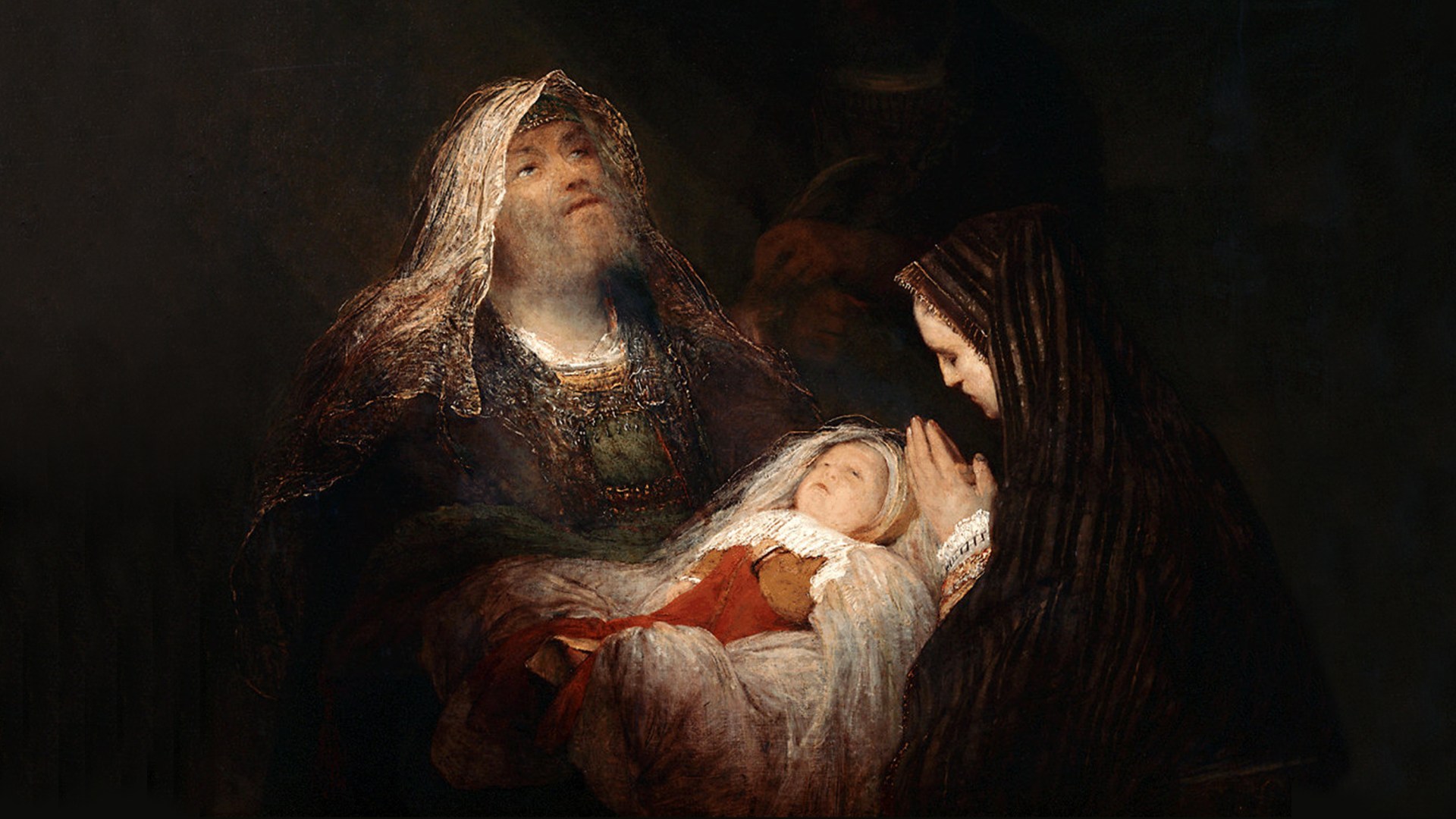
As the sounds of Christmas carols ring in our ears, delicious smells waft through our kitchens, and the bright decor of Christmas fills our homes, it’s easy to forget that terror also punctuates the story of the nativity.

At the heart of that first Christmas story is God incarnate breaking into the terror-filled catastrophe of the human condition. The womb of a humble, young virgin girl was joyfully adopted as suitable for his coming. Rather than seeking refuge in the dignity of a palace fit for royalty, Christ joined the company of the stable. Instead of a military guard, God sent angelic warnings to a carpenter in his dreams.

Joseph fled to Egypt in the middle of the night with wife and child, newly made refugees, at his side. Herod’s horrifying call to genocide against “all the children in and around Bethlehem who were two years old or under” (Matt. 2:16, NRSV) reminds us of the mass terror that was unleashed upon the innocents in response to the birth of Jesus.

The advent of Christ’s peace was not a peaceable affair from cradle to cross.

To grapple with the terror that surrounds the nativity story is to take seriously the season of Advent, that period before Christmas when Christians long for the intervention of God in the midst of suffering. As Fleming Rutledge describes, the Scripture of Advent is “infused with the language of darkness, tribulation, and apocalypse.” We wait in the dark for the coming of the light.

My own experience of terror has powerfully taught me that truth firsthand.

Weeks before the assault on Paris in 2015, I had managed to secure an apartment for my family. We had a cheerful time together filled with French cuisine, history, and gardens. A walk across the Tuileries Garden near the Louvre each morning took me to the Library for the Society of the History of French Protestantism, where I was researching French Bibles. In the evening and on weekends, we broke bread with dear old friends and their children. No one imagined that high alert, closed borders, and lockdowns awaited us.

On the morning of November 13, I headed to my usual archive, located on a quiet, unassuming street. Inside, the research room is illumined by the light of a grand, vaulted glass ceiling. The walls are lined with portraits of Huguenot leaders known for navigating the complexity of their French Protestant faith convictions in the tumult of the Reformation.

The charm of archival research is that you never know what you will find. In my research, I have turned through every single page of every French Bible that I have studied, because each one has the potential to offer a window into the past and a connection to those authors and readers. On that day, my window was Romans 8.

A heavy-handed annotator pointed me to the importance of verses 37–39:

For I am assured that neither death, nor life, nor angels, nor principalities, nor powers, nor things present, nor things to come, nor height, nor depth, nor any other creature, will be able to separate us from the love of God, which he has shown to us in Jesus Christ our Lord. (author’s translation)

For the persecuted Huguenots, as well as for countless other suffering Christians through the centuries, this passage has offered profound comfort. In John Calvin’s commentary on Psalm 44, he draws upon Romans 8 as a simple confirmation of the role of suffering for the church in every age. We must “always be ready to bear the cross with [Jesus].”[1] At a time when 56 percent of Christians in the US believe that “God will grant good health and relief from sickness to believers who have enough faith,” this is a hard truth to accept.

In this passage, the apostle Paul declares to the suffering reader that God’s transformative love is greater than death itself. This promise comes from the pen of a man who, because of his commitment to Jesus, knew shipwreck, prison, flogging, starvation, slander, and ultimately capital punishment. Paul reminds the reader that nothing can diminish God’s life-giving, resurrecting love. This is the promise of Jesus Christ in a nutshell, and it is for you and for me.

After I left the research library that evening, I reflected on this truth as I made my way back to our rented flat. My walk home at sunset every day had become a time for prayers of gratitude and petition to God. That particular night, I felt a burden to pray the Lord’s Prayer with every step I took.

Slowly and deliberately, I began to focus on each word and phrase with careful intention. I remembered the words of a New Testament scholar friend who described the Lord’s Prayer as a prayer of defiance against a world that seeks to starve and condemn. The petition to “deliver us from evil” weighed on my spirit and lodged in my throat inexplicably.

A few hours later, a coordinated terrorist attack of suicide bombings and shootings began throughout the city, with one of the targeted areas only two miles away from our apartment. Some friends of ours in the city lost a childhood best friend who had been dining at a café when it came under attack. We wept and prayed with them at the news. Our family at home in America was distraught, since phone calls couldn’t get through.

We were spared from witnessing the violence, but the air was thick with fear and grief. We holed up in our apartment as the city grew quiet and tense. Paris had known terror before, but this felt like a tipping point.

On Sunday morning, churches were noticeably full, despite the city’s cautioning against leaving home. We had been faithful attendees of the American Church and were drawn to worship with the global community of believers gathered that Sunday. Security guards greeted us at the doors of the church, and we were ushered to a pew. As the pastor climbed to the pulpit, I wondered what message he would bring.

He opened his Bible, and then he read tenderly and confidently the very words that I had encountered in the archive—the words that have provided comfort to generations of readers and believers: “For I am convinced …”

I was stunned by the scriptural echo I was hearing.

On that bleak morning after one of the darkest nights in Paris, Romans 8 was still the place to turn—just as it had been for the Huguenots in their time. I found myself praying the Lord’s Prayer again, this time with the whole gathering of believers and in light of what had just happened.

While Romans 8 provided the comfort and promise we needed to calm our widespread heartache, the Lord’s Prayer rooted our grief and longing in the hope of Christ and his return to a world of terror. “Deliver us from evil, oh Lord,” we fervently prayed.

I have spoken those very words many times before and since, but in that moment, I felt their meaning with a profound urgency.

That bleak Sunday morning in 2015, the spirit of the Advent season was at work. It taught me that to wait and long for the coming of Christ is not only a faithful posture for the Christmas season but also for every day of our lives as we look to his return.

This is what it means for Advent to be apocalyptic: When we cultivate a habit of waiting for what Christ has already done in the Christmas season, it helps us to cultivate a habit of waiting for all that awaits us. Advent turns our hearts to the start—the great breach of God into our world—just as it turns our hearts to both the telos and new beginning of all that’s been promised.

Our world faces ongoing terrorism, a pandemic, the refugee crisis, climate change, and tense political division. One of the most beautiful and powerful aspects of the Christian faith is that it does not gaslight its followers about the true, bodily suffering that we experience as human beings in this world. The pain is real, and it hurts.

Romans 8 challenges us to grapple with the fact that Christianity is not a faith that promises the hardships of the world will disappear in the day-to-day if we merely believe enough or act good enough. Instead, we are promised the arrival of the one who enters into our suffering, displacement, and terror not through mere words but as the Word. This good news comes in the bodily birth, suffering, death, and resurrection of Jesus Christ, fully God and fully human in one person. Advent leads us to the truth that there is no other hope apart from Emmanuel, who has come and is to come. Hallelujah!

Jennifer Powell McNutt is the Franklin S. Dyrness Associate Professor of Biblical and Theological Studies at Wheaton College; parish associate at First Presbyterian Church of Glen Ellyn, Illinois; and copresident of McNuttshell Ministries Inc.

News

The Philippines Has the Longest Christmas Season in the World

How Christians keep Christ at the center as commercial forces extend the six-month celebration.

Christianity Today December 20, 2021
Aaron Favila / AP

A mall-shop worker putting up Christmas décor might seem an ordinary sight in December, November, or even October—but this was August.

“I took a video on the phone. I had to document it,” said Steve Pardue, who grew up as a missionary kid in the Philippines and now serves as program director at the Asia Graduate School of Theology in Metro Manila.

The majority-Catholic nation has been heralded for the world’s longest Christmas season, typically spanning from September to January or February, depending on the date of the Lunar New Year. What made the moment in August even more striking for Pardue was that the Filipinos’ months-long merrymaking was continuing despite ongoing COVID-19–induced lockdowns.

While American Christians lament the “Christmas creep” beginning around Halloween, the majority (if not almost all) of Philippine society begins playing Christmas tunes and lighting up the streets at the start of the -ber months: September, October, November, and December.

Glowing Christmas star–shaped lanterns and belens—the electrical, digital, or physical representations of Joseph, Mary, and the baby Jesus huddled together by the manger—are put on display. The colorful lights can be seen almost everywhere, from the poshest subdivisions to the humblest shacks.

For the country’s faithful, the extended public Christmas celebration—fueled by commercial forces more than Christian devotion—can both enhance and detract from “the reason for the season.”

For Bishop Chito Sanchez and his wife, Pastor Rachel Sanchez, a Filipino couple who lead River of God Church in the National Capital Region, the long traditional celebration has led them to emphasize the theological distinctives of the holiday come Advent time.

“I push the salvation message and push [the congregation] out of the gift giving and the celebrations,” said Chito Sanchez.

When Pastor Chad Williams of the Union Church of Manila moved to the Philippines two and a half years ago, he was “blown away” by the openness to belen displays everywhere, in contrast to the US legal clashes over public Nativity scenes.

But there’s also a downside. “If the belen is everywhere and [Christmas] is so long, the [season] loses some of its emphasis—the beauty of it,” Williams said.

To him, the question for churches becomes “Now, how do we stay Christ centered in the middle of all of that?” The long Philippine Christmas season “is a cultural phenomenon. We can either use it for the glory of the Lord or get sucked into it.”

The calendar between September and January is packed with cultural and religious observations—with Christmas Eve and Christmas Day at the pinnacle (a result of three centuries of Spanish colonialism, which spread Roman Catholicism throughout the islands).

There’s Halloween, All Saints’ Day, and All Souls’ Day, which pay respect to the dead. Then Bonifacio Day, on November 30, commemorates a Filipino leader who fought for Philippine independence against 19th-century Spanish colonizers. On December 8 is the Feast of the Immaculate Conception, when Catholics express their belief of the perceived sinless nature of Mary, mother of Jesus.

Christmas season hits its stride once the Catholic church holds the Simbang Gabi (“evening church”), a nine-day series of dawn masses that end on Christmas Eve. Then after Christmas Eve and Christmas Day come Rizal Day on December 30, the commemoration of another national hero who made a stand against tyranny; New Year’s Eve on December 31; New Year’s Day on January 1; and the Feast of the Magi on January 6, which is traditionally when the decorations come down.

Lately, though, some keep the celebration going until the Lunar New Year.

Mall madness and commercial competition

The Philippines has been often called the “only Christian nation in Asia” and has the third-largest Roman Catholic population in the world. Around 81 percent of people are Roman Catholic and 11 percent are Protestant, according to the Pew Research Center.

Yet the gradual, informal stringing of holidays surrounding Christmas is probably more rooted in commerce than culture, says Felipe Jocano Jr., a cultural anthropologist at the University of the Philippines (UP).

Now in his late 50s, Jocano remembers when all that festive preparation happened only during the first week of December or after Halloween at the earliest. Two major economic shifts from the late 1990s helped to alter that calendar: the rise of the Overseas Filipino Workers (OFWs) and the emergence of the call center/business process outsourcing (BPO) industry.

OFWs take jobs as contract workers in various countries (say, as service workers in the Middle East or health care workers in the United Kingdom) and send earnings as remittances to their families at home. As of 2019, there were 2.2 million OFWs, and their remittances in the first four months of 2021 reached $11 billion (US).

Almost simultaneous was the explosion of call centers and BPO centers in the Philippines, starting from the capital and then expanding to the other major cities and provinces. The industry took off as American, Canadian, and European companies employed IT workers overseas. It now includes 1.32 million workers and brings in $26.7 billion (US) in revenues.

During the 1990s, the middle class grew to have more spending power, Jocano noted, with spikes in remittances during town fiestas and ahead of Christmas. It was also during this time that the popular malls sprouted all over the archipelago, starting with the capital and the major cities.

They became places not just for shopping and entertainment but also for community-oriented businesses, such as banks, daycare centers, salons, gyms, and clinics. Before long, enterprising churches, Roman Catholic and evangelical alike, began holding their respective Masses and services in the mall’s chapels, conference halls, and theaters.

Prior to this, Filipino Christians would attend their Catholic Masses or evangelical worship services on Christmas Eve and Christmas Day, then celebrate afterward with family and loved ones.

“The malls precipitated a shift [in] our spending habits,” Jocano explained. “They became the opportunity for the new middle class to bring the family out. … It was probably how the Christmas season became longer—to encourage the family to spend. The economy became a factor of cultural change.”

So when Pardue posted on social media the video capturing a mall worker in the early days of prep back in August, it was a bit of a wink and some Christmas cheer—with a real economic undercurrent that has implications for the Christmas message.

“All these stores are struggling to keep up, and they are trying every trick in the book to get people to spend,” Pardue said. “That has a negative message that can crowd out the gospel.”

Yet the pastors and ministers interviewed for this article say that despite the creep of commercialism during the long season, the message of the gospel does not become diluted.

“It does not affect the church in any way. The absence [or] the presence of decorations does not make the season more Christian,” said Rev. Dr. Norman Manlapaz, associate pastor of Bread from Heaven Christian Fellowship in Las Piñas. “Jesus is Lord regardless of the season. Whatever we preach on the pulpit is evangelism, whether or not Christmas is long or short.”

Others also regard the long celebration as a way to further spread the gospel, especially because terms related to Jesus and Christmas are often mentioned during this time. The Joshua Project indicates that the momentum and opportunities to evangelize remain strong: It pegs the annual evangelical growth rate in the Philippines at 3.1 percent, higher than the global rate of 2.6 percent.

Pardue shared an insight given by his non-Filipino, international theology students who “come from countries that don’t have a strong Christian presence. In their observation and their context, this long Philippine Christmas is one of the key moments where they can talk about the gospel to their countrymen.”

“The secular forces are bringing Christianity everywhere. Alongside that comes the opportunity to have gospel conversations,” he said. “The season so permeates culture that you might have more extended opportunities to bring out the reason—Jesus—for the season.”

In Makati City, widely regarded as the Philippines’ equivalent of a larger Wall Street, Williams sees an opportunity for speaking more openly about Jesus’ incarnation.

“The season is far larger [for] us. How do we use the belens? How do we talk to our neighbors about the incoming incarnation of Christ when they start putting [the belens] up?,” he asked. “I’m not going to shorten or lengthen it. I want to explore how to use it.”

The Sanchezes are versed by now when it comes to the long Philippine Christmas, having founded River of God Church 22 years ago. The cultural backdrop shapes how they engage with non-Christians during the holidays.

Chito Sanchez sticks to one message: “The true spirit of giving is having a relationship with God. That is the gift we can give others. Let’s not expect presents, but the present is the Word of God.”

Rachel Sanchez also veers away from the material to hone in on the essential.

“The essence is love, and it’s about making [the one you are speaking to] understand that it is about the love of God,” she said. “This can also be a time for family. We get together for the long holidays. The OFWs come home.”

Sharing burdens with family and spiritual families

Filipinos are known for their close families. There’s a cultural expectation that family will bear each other’s burdens. Older siblings help foot the educational fees of their younger brothers and sisters. Grandparents act as nannies. When an emergency hits, everybody chips in.

For Filipino families across social classes, giving and altruism are not a one-day affair for Christmas but a way of life. No wonder the belens are irreplaceable images once the decorations start appearing across the metro area. The salvation promised by the incarnation of Jesus is perceived not through an individual lens but through a collective one that comes close to home.

“The [truth about the] Holy Family was brought in by the Spaniards and resonated with an element already present in our culture,” said anthropologist Jocano. “That is why it looms so large in Spanish Catholicism. The interpretation of Christmas is oriented along the lines of the family.”

The family reunions at Christmas also become an instrument to resolve ongoing conflicts, put aside differences, and forgive each other.

Filipino Christians extended that sense of family and empathy to their spiritual brothers and sisters, giving sacrificially even during the worst parts of the pandemic’s lockdowns. Like most countries, the Philippine economy took a battering.

Still, as Chito Sanchez noted, it was during this ordeal that “our tithing and the love offerings doubled.” The monies are critical in continuing River of God’s ministry to the urban poor, feeding 3,000 people monthly in the communities of Paco and Pinagbuhatan in the National Capital Region.

With financial support continuing to increase during the pandemic, the Sanchezes have been able to hold revival meetings in provinces like Bacolod, Negros, and General Santos City, with the latter drawing about 1,000 people in attendance. Gatherings have already been scheduled for the first quarter of 2022.

Pardue’s pastor friends had the same experience. Although the tithing amount dropped in their respective churches, it wasn’t “as much … as they expected. Yet people were more sacrificial in their giving. Even when the numbers were down overall, there was a spirit of generosity.”

Williams compared the Filipino tendency to give amidst adversity to the Mexican culture’s inclination to celebrate despite hardships. “During times of prosperity, you can party all you want,” he said. “But in moments of poverty, the celebration takes on a different community meaning.”

Jocano, who worships at Victory Christian Fellowship, names the Filipino value of pakikisama as potentially helpful to acts of evangelism during the long Christmas season—especially in the midst of the pandemic. The word’s meaning is a combination of empathy and sharing burdens by helping, feeling, and experiencing another person’s emotions and state of being.

On a deeper level, providing assistance or bringing joy to friends in their toughest moments goes beyond altruism; it is a wordless message saying, “I am one with you. I feel what you feel. I am walking with you in your journey.”

“Christ died to save us from our sins, but we have made it remote,” Jocano said. “We missed out on the fact that nakisama Siya sa atin (he became one with us and shared in our lives and experiences). He brought us into him and him into us. If we pick up on that, that is the chance for the church to bring hope and goodness into a society that has been so wracked by so many challenges.”

Given the profound cultural and economic foundations on which the long Christmas celebration has anchored itself, the opportunities for winning souls and strengthening the ties that exist within church remain largely unexplored. The six- to seven-month holiday season can be fertile ground for spreading the Word to a people who just might be more open to it than most.

Pardue lifted a passage from C. S. Lewis’s The Lion, the Witch, and the Wardrobe to illustrate this landscape. In the children’s fantasy classic, an evil witch’s curse—burying the earth with nonstop, gloomy snow—makes it “always winter in Narnia—but never Christmas.” Yet, Pardue says, in the tropical country that is the Philippines, “it is never winter but always Christmas.”

Cora Llamas is a journalist in Manila.

Church Life

My Work Almost Crushed Her Family. Now I’m Welcomed at Her Table.

The former spokesperson for Ravi Zacharias reflects on a Christmas miracle that demonstrates the great hope—and great cost—of restoration.

Christianity Today December 20, 2021
Catherine Delahaye / Getty Images

The dining table was set for a fine yet intimate family dinner, accented by festive holiday decor and aglow with candlelight.

The aroma of food filled the cozy Canadian home, along with family chatter after a Saturday out braving cold temperatures and Christmas crowds in the city.

I asked the hostess if I could help with anything. “No, you’re our guest,” she warmly replied. “We’re almost ready.”

As I wandered into the dining room and saw the picture-perfect place settings, tears filled my eyes. “To be given a seat at the table—any table—is one of life’s greatest gifts,” I thought to myself. “To be given a place at this table? A miracle.”

On the surface, this looked like a scene from a Hallmark movie or a holiday commercial. In the shadow of an elegant Christmas tree, the host couple prepared dinner together while the laughter of their children mingled with Christmas carols in the background.

The backstory, however, was far from picture perfect. And the hospitality being extended to me—perhaps the unlikeliest of invitations I’d ever received—had not come without a significant cost.

The hostess was Lori Anne Thompson—a woman who was groomed and sexually abused in 2014–2016 by my then-boss, Ravi Zacharias, who had been a world-renowned Christian apologist. The guest was yours truly—I had been the spokesperson for Thompson’s abuser throughout the abuse crisis. Indeed, for years I was part of the machine that nearly crushed her family.

It is hard to overstate how brutally the Thompson family had been treated by Zacharias and the ministry he led—or how far reaching the consequences of this injustice inflicted upon them extended.

When Lori Anne and her husband, Brad, confronted Zacharias in 2017 about his predatory behavior, Zacharias filed a RICO lawsuit against them and set out to destroy their reputation in the courts of law and public opinion. Lori Anne’s bravery paved the way for numerous other women to come forward in 2020—and an investigation confirmed in 2021 that Zacharias was a serial sexual predator who harmed many people.

So here we were on a December evening in Canada. It was the final night of my stay at the Thompson home, a visit that capped off a roller coaster year—or four years, rather—that had left me heartbroken and dismayed yet curious and determined to learn from survivors even as I learn to advocate for them.

In fact, my visit, our first time ever meeting in person, was exactly four years to the day of the infamous December 3, 2017, statement in which Ravi Zacharias and RZIM denied wrongdoing and maligned Lori Anne and Brad.

That statement—a false narrative first published by Christianity Today—spread like wildfire throughout the globe and amounted to what Thompson described to me as a “death sentence” against them.

“We almost didn’t survive that,” she told me.

But miraculously, against all odds, they did survive. Despite the crushing weight of character assassination, the mockery of their marriage by those who claimed the moral high ground, the slick PR campaigns designed to discredit their testimony, the Christian celebrities who lined up to support their abuser’s account while they were silenced, and the threats to “sue them into oblivion” funded by “donors with deep pockets” (phrases Zacharias would oft repeat)—here they were, still standing.

“There is a reason we are referred to as ‘survivors,’” Lori Anne shared with me, recounting the horrific nature of abuse. “Many don’t make it.”

The contrast between reality and the lies I’d been told about this kind and gracious couple was almost too jarring for my mind to comprehend. For years, Zacharias had portrayed the Thompsons as “two very wicked human beings” who were “serial extortioners” engaged in “satanic type slander and falsehood”—and other leaders were eager to propagate this narrative. Sadly, too many people still believe a version of this account, something I’m reminded of frequently.

As one who is still wrestling with my own complicity from years in a toxic system that covered for the powerful man at the top while silencing the victimized women who sought justice, to be welcomed by the Thompson family was no small thing. It is something I would’ve thought impossible just a year ago.

“We never thought ill of you,” Lori Anne assured me as I choked back tears at the dining table. To be lavished with such compassion? Overwhelming. I felt so undeserving yet deeply grateful.

I never imagined I’d go from being a spokesperson to a whistleblower in a Christian organization known for its pursuit of truth, and I certainly never expected to be embraced by the very people who were most harmed by the man I worked for and the ministry he founded. To be given such grace is one of the most meaningful gifts I’ve ever received.

Describing our visit, Thompson tweeted, “These past few days have brought fresh revelations of profound predation; shared insights from opposite ends of the cane that crushed us; and collective wide eyed wonder, of the souls that survived it all. Truth has tucked its toes under our table, and supped in peace.”

https://twitter.com/LoriAnneThomps2/status/1466774680833036289

During this season, we tend to love stories that have bows on them, where every element ties neatly together and even the Grinch’s heart grows three sizes in a day. But healing and growth take time, and sometimes the miracle isn’t in a perfect ending but in a trajectory that has reversed course and is starting to see hope on the horizon.

Even as Lori Anne and I both continue on the path to restoration, with much still to grieve and lament , our time together felt like a significant step toward understanding and wholeness.

“There is nothing ‘Hallmark’ about this level of harm,” Lori Anne later told me. “What you witnessed in our home is a miracle—but it was a bloody one. It also cost victims to commune and communicate with you, even as it may have cost you to commune and communicate with them.”

She is right. There is an immense cost to listening to survivors, to believing their voices enough to journey alongside them in pursuit of justice, to reckoning with our own complicity in a system that has further harmed those already victimized.

It’s costlier still to forgive those who have wronged you, to love those who are different than you, to offer a seat at your table to an unlikely and undeserving guest.

It’s costly and risky, and sometimes pursuing reconciliation is premature and unwise. But when genuine restoration takes place, it’s beautiful. As we leave familiar circles to forgive and love and invite others into our own lives, we follow the example of the one whose birth we celebrate: the one who left his heavenly throne and entered a dark world to live as a human, die a sacrificial death, and offer us, his enemies, the gift of life eternal—adoption into the family of God. It is the unlikeliest of invitations. It is the miracle of Christmas.

There was nothing “Hallmark” about that first Christmas—our Savior born in a time and region marked by scarcity, social unrest, political division, and even pending infanticide. The life of Christ, Word becoming flesh and dwelling among us, was a miracle of all miracles—but it was a bloody one. It cost our Savior his life to welcome us into his kingdom, even as it costs us daily to follow him.

Psychologist Diane Langberg says, “To truly follow Christ is to set forth on a journey of ever-expanding benevolence, from the narrow limits of familiar territory into the dark and unfamiliar world of the oppressed and suffering—and to people often unlike ourselves.”

Ruth Malhotra with the Thompsons in December 2021Courtesy of Ruth Malhotra
Ruth Malhotra with the Thompsons in December 2021

Such benevolence means we must not overlook the pain, injustice, and trauma in our fallen world that make Advent that much more significant—a lesson survivors continue to show me in this journey. As Lori Anne reflected, “We mustn’t miss the misery that precedes the manger and how much Christ meets us in our oppression.”

The Christmas story reminds us that there is indeed light shining in the darkness, that beauty can be found in the most unexpected places, and that miracles do happen amid the mess and mire of real life. My visit with the Thompson family this month provided a glimpse of that. It is because “God and sinners reconciled” some 2,000 years ago that Lori Anne Thompson and I can be friends today. It is because “in his name all oppression shall cease” that all who follow Jesus must work together to pursue justice for the abused and freedom for the captive.

It is because “he appeared and the soul felt its worth” that the message of Christmas—Immanuel, God with us—gives us hope in this life and the next. It is because “God is not dead, nor doth he sleep” that we have confidence “the wrong shall fail, the right prevail, with peace on earth, good will to men.”

In this season of celebration and joy, may we learn to lament the consequences of sin and meet each other in our suffering, even as we work toward justice and long for the reign of our coming King.

Ruth Malhotra is passionate about helping Christians communicate truth with clarity and grace. She managed public relations at Ravi Zacharias International Ministries from 2013–2021.

News
Wire Story

Agency: Haiti Missionaries Made ‘Daring’ Escape to Evade Kidnappers

Christian Aid Ministries shares new details on how the remaining 12 hostage missionaries, including young children, ended up free from the 400 Mawozo gang.

After the final 12 kidnapped missionaries were free, a caravan drives to the airport after departing from the Christian Aid Ministries headquarters at Titanyen, north of Port-au-Prince, Haiti, on December 16, 2021.

After the final 12 kidnapped missionaries were free, a caravan drives to the airport after departing from the Christian Aid Ministries headquarters at Titanyen, north of Port-au-Prince, Haiti, on December 16, 2021.

Christianity Today December 20, 2021
Odelyn Joseph / AP

Captive missionaries in Haiti found freedom last week by making a daring overnight escape, eluding their kidnappers and walking for miles over difficult, moonlit terrain with an infant and other children in tow.

The group of 12 navigated by stars to reach safety after a two-month kidnapping ordeal, officials with Christian Aid Ministries (CAM), the Ohio-based agency that the missionaries work for, said Monday at a press conference.

The detailed accounting of their journey to safety comes after news Thursday that all 17 hostages were finally free. CAM later announced they had forgiven their captors.

A total of 17 people from the missionary group—12 adults and five minors—were abducted October 16 shortly after visiting an orphanage in Ganthier, in the Croix-des-Bouquets area, where they verified it had received aid from CAM and played with the children, CAM has said. The group included 16 Americans and one Canadian.

Their captors from the 400 Mawozo gang initially demanded millions of dollars in ransom. Five other captives had earlier reached freedom. It is still unclear if any ransom was paid.

CAM general director David Troyer did say supporters of CAM raised funds for possible use for a ransom, but he refused to say whether one was paid for any of the releases.

One of the missionaries, speaking an Anabaptist church in Pennsylvania on Sunday, said there were times the captives wished someone would pay the money for their release.

“We did start to doubt and say, ‘You know what, why doesn’t someone just pay the money?’ but I believe that was Satan himself,” the missionary said in a three-hour recording of his testimony obtained by CT.

According to the missionary, the men, women, and children prayed and sang three times a day during the two months they were held hostage, rebuked Satan, shared the gospel repeatedly with their captors, and learned to trust God for their deliverance.

“The Lord wanted us to put our complete trust in him,” he said. “It wasn’t by the arm of man that we were delivered at all. It was small things and big things that the Lord did for us.”

The missionaries didn’t try to escape until all of them agreed that that’s what God wanted them do to. After walking through through the night, and emerging out of thicket of briars and brambles, they knocked on the door of a house near a highway and discovered two Christians practicing trumpet music for church on Sunday. One of the men loaned them a cell phone to call CAM.

“After a number of hours of walking, day began to dawn and they eventually found someone who helped to make a phone call for help,” CAM spokesman Weston Showalter said, his voice beginning to choke. “They were finally free.”

The 12 were flown to Florida on a US Coast Guard flight, and later reunited with five hostages who were released earlier.

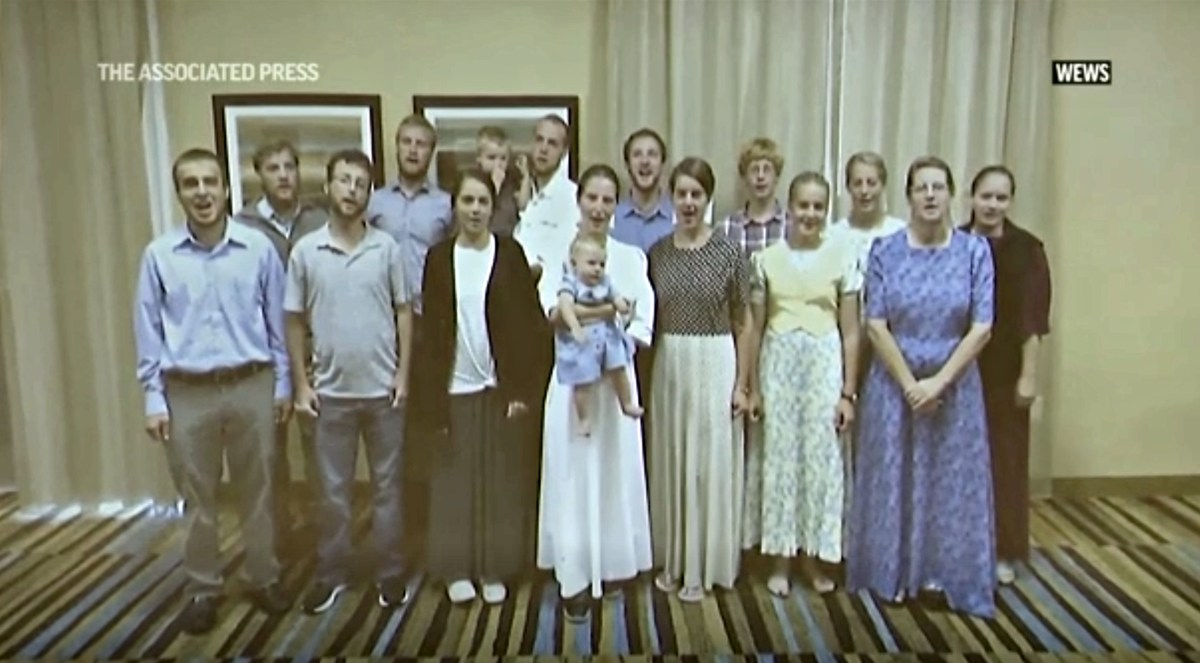
CAM displayed photos at the news conference showing the freed hostages being reunited, along with a video of the group singing a song that had inspired them during their captivity.

After making a daring escape, kidnapped Haiti missionaries sing a worship song that inspired the hostages during two months of captivity, in a video played during a Christian Aid Ministries press conference on December 20.Screenshot – WEWS / AP Photo
After making a daring escape, kidnapped Haiti missionaries sing a worship song that inspired the hostages during two months of captivity, in a video played during a Christian Aid Ministries press conference on December 20.

The missionaries were taken hostage on their way back from the orphanage on the afternoon of October 16.

“They had no idea what was ahead of them,” Showalter said. Only five or 10 minutes after getting underway, they saw a roadblock up ahead. The group’s driver—the one Canadian in the group—turned around, but a pickup truck pursued them, and “gang members surrounded the van,” CAM spokesman Weston Showalter said. He said early reports that the driver was a Haitian national were not accurate.

He said they were initially crowded into a small room in a house, but were moved around several times during their captivity.

They were not physically harmed by the kidnappers, Showalter said. He said the main physical challenges included the heat, mosquitoes, and contaminated water for bathing, which led some of them to develop sores. Sometimes the young children got sick.

However, he said everyone appears to have emerged from captivity in good health.

The adults received small food portions, such as rice and beans for dinner, although the captors provided plenty of food suitable for the small children, he said.

The hostages gathered multiple times during the day for prayer and religious devotions, and sometimes singing loud enough for each other to hear when they were in separate rooms, Showalter said.

They also sought to encourage other hostages who were being held for ransom in separate kidnappings, Showalter said.

Over time, the hostages agreed to try to escape, and chose the night of December 15 to flee.

“When they sensed the timing was right, they found a way to open the door that was closed and blocked, filed silently to the path they had chosen to follow, and quickly left the place they were held, despite the fact that numerous guards were close by,” Showalter said.

Based in Berlin, Ohio, CAM is supported and staffed by conservative Anabaptists, a range of Mennonite, Amish, and related groups whose hallmarks include nonresistance to evil, plain dress, and separation from mainstream society.

None of the freed hostages were at the press conference. They came from Amish, Mennonite, and other Anabaptist communities in Wisconsin, Ohio, Michigan, Tennessee, Pennsylvania, Oregon, and Ontario, according to CAM.

After the news conference, a group of CAM employees stood and sang, “Nearer My God to Thee” in the robust, four-part acapella harmony that is a signature of conservative Anabaptist worship.

Additional reporting by CT.

News

Trucker Ministry Continues Amid Holiday Hustle and Bustle

While headlines warn of a driver shortage and supply chain crisis, chaplains say the demands of the industry have always been arduous.

Christianity Today December 20, 2021
Mint Images / Getty Images

With reports of a supply chain crisis causing delivery delays this holiday season, many Americans were praying for truck drivers to get their Christmas goods delivered on time. Meanwhile, a fleet of ministers stationed at truck stops across the country were praying for the drivers themselves.

Despite the headlines, news of a trucker shortage this year has largely been misconstrued and overblown, experts say. Local drivers are actually in a surplus, according to labor statistics, and long-haul trucking has been a grueling job with lots of turnover for decades.

Truckers “keep America going,” said Chaplain Jay LeRette, an Illinois pastor who has prayed for drivers over CB radio, counseled them about their faith and relationships, and held services in an 18-wheeler-turned-mobile chapel since 1992. “They’re all over America, yet they’re separated from people. It’s a very lonely job, especially on the holidays, because in the trucking industry, there’s a lot of broken relationships.”

This Christmas is mostly like any other on the road. Chaplain Rick Youngdahl in Pennsylvania said that he hasn’t seen a change in the number of interactions “to any great extent” as he might if the labor shortage were as severe as some have claimed.

Chaplains had fewer opportunities to connect with drivers due to the pandemic, but things are getting closer to normal in the past few months, according to TFC Global (once named “Truckers for Christ”).

“God is bigger than the pandemic, so even though our visitors have been down, we still have great interactions and great things have had have been happening. Now I’m seeing more drivers come in,” said Chad Roedema, director of US operations for the international ministry.

Both local and nationwide ministries serve truck drivers all year long, including the busy holiday season. The difficult conditions and pressure of the job highlight the need for peace and hope, making ministry to the drivers deeply needed.

The primary way TFC Global reaches truck drivers is through chaplains serving at truck stops. Sometimes the chaplains have an office inside the stop itself, and sometimes they have a trailer next to the building where they can hold worship services and meet with drivers.

While Christmas is a great time to start faith conversations, LeRette—who serves as a chaplain at a truck stop in Rochelle, Illinois—has found that the busyness of the season means fewer drivers want to take the time to talk or attend the services he holds in his trailer. Drivers still stop regularly during the holidays—they can only be on the road a certain number of hours before they must take a break—but they seem less likely to take time out of their schedule to reach out for support.

Even during normal weeks, drivers can be reluctant to approach a chaplain. LeRette finds ways to start conversations. Many days he rides his horse—yes, a horse—around the truck stop. LeRette sports a cowboy hat, and the horse wears a saddle with Bible verses hanging on either side.

“A lot of the truck drivers are cowboys at heart, so when I come to the parking lot with that horse, it really gets their attention. They jump out of the truck and come running out and shouting, ‘Hey, get back here with that horse,’” LeRette said. “That gives me a platform to share with the drivers. I’ve got saddlebags with tracts and Bibles and things of that nature to try to minister to them and point them to Jesus.”

Sometimes these encounters are more than conversation starters. Once, LeRette gave a truck driver’s wife advice and prayer for her sick horse over the phone after the truck driver saw LeRette riding around. The next day, the driver returned to tell LeRette the horse was better. Over the course of their conversation, the man accepted Christ.

Many truck drivers live with the strain of working apart from their wives and families. And even those who bring their spouses along experience the marital stress of close quarters, constant traveling, and instability, LeRette said.

Those stressors and other issues within the trucking industry have been part of the job long before trucker shortages were blamed for supply chain issues and delays in fall of 2021. Yes, companies are looking for tens of thousands of more people to sign up to drive. But the industry has always had issues, with a reported turnover rate of around 90 percent, an aging population of drivers nearing retirement, and an exhausting, lonely task. When there are holdups at ports or other warehouses, they often feel their time is not valued, adding to the stress, the LA Times recently reported.

In addition to nationwide ministries like TFC Global, local ministries serve truck drivers as well. Youngdahl lives in Brookville, Pennsylvania, off Interstate 80. After the interstate was completed in the 1970s, local churches recognized trucker drivers might need assistance when in the area. They developed a board of directors and found a chaplain, and the ministry continues to this day, several chaplains later.

Youngdahl doesn’t have a physical space at a truck stop. Instead, the local stops and hospitals have his phone number and give him a call if a driver needs assistance. Oftentimes Youngdahl gives drivers rides to the hospital, to buy truck parts, or to the airport if their truck breaks down. This practical service opens doors for conversation.

“Whenever I go and pick somebody up, a lot of times one of the first questions is, ‘Who are you, and why are you doing this?’” Youngdahl said.

Youngdahl keeps Bibles with him to give out if they’re interested. As a retired truck mechanic, he does everything he can to be a resource for truck drivers passing through, and he responds to calls at any time of the day or night. Even during pandemic lockdowns, Youngdahl continued to help any way he could.

LeRette experienced firsthand how God could work even during the lockdowns. One driver asked to talk to LeRette from a distance because he was sick.

“I asked the driver, ‘Where are you at with Jesus?’” LeRette said. “He said, ‘That’s why I came in here. I feel like I could die, and I am not right with God.’ I was able to share the gospel with this man. I said, ‘You need to ask for forgiveness and ask Jesus to come into your life to save you,’ so he did that.”

LeRette asked the driver to call him after he saw a doctor. When LeRette didn’t hear anything from the driver, he called the company the driver worked for and asked how he was doing. The driver had passed away in the hospital just a couple of days after talking with LeRette and accepting Jesus.

The loneliness and brokenness in many truck drivers’ lives make this ministry both crucial and fruitful, and Roedema believes it’s a ministry that needs to grow and expand to help even more men and women.

“We are one of the biggest ministries that no one knows about,” he said. “We are a dynamic ministry to a dynamic group of people, but we need to have help.”

News

Missionary Hostages Forgive Haiti Gang, Sang Psalm 34

“Jesus taught us by word and by his own example that the power of forgiving love is stronger than the hate of violent force,” says director of Christian Aid Ministries, which will keep working in Haiti.

A man takes a photo of missionaries at the Christian Aid Ministries headquarters at Titanyen, north of Port-au-Prince, Haiti, on Thursday, Dec. 16, 2021.

A man takes a photo of missionaries at the Christian Aid Ministries headquarters at Titanyen, north of Port-au-Prince, Haiti, on Thursday, Dec. 16, 2021.

Christianity Today December 17, 2021
Odelyn Joseph / AP Photo

Update (Dec. 20): The missionary hostages made a daring escape overnight, instead of being released after a paid ransom, according to new details from Christian Aid Ministries.

All the former hostages from a US-based missionary group kidnapped in Haiti have been flown out of the country after a two-month ordeal, the leader of their Ohio-based missions organization said Friday, as he also extended an offer of forgiveness to their captors.

David Troyer, general director of Christian Aid Ministries, said in a video statement that a US-flagged plane left the Caribbean nation Thursday afternoon carrying the last 12 kidnapped missionaries, hours after they were freed earlier in the day.

“Everyone including the 10-month-old baby, the 3-year-old boy, and the 6-year-old boy seem to be doing reasonably well,” Troyer said.

The last releases came two months to the day after the group of 16 Americans and one Canadian—including five children—were kidnapped by the 400 Mawozo gang, which initially demanded millions of dollars in ransom. The other five had been freed earlier.

Troyer did not comment on the circumstances of the release, such as whether ransom was paid or a rescue effort was involved, but expressed thanks to “the US government and all others who assisted in the safe return of our hostages.”

“Thank you for understanding our desire to pursue nonviolent approaches," he added, without elaboration.

Based in Berlin, Ohio, Christian Aid Ministries, or CAM, is supported and staffed by conservative Anabaptists, a range of Mennonite, Amish, and related groups whose hallmarks include nonresistance to evil, plain dress, and separation from mainstream society.

In keeping with Anabaptist teaching, which puts a premium on forgiveness, Troyer offered conciliatory words to the captors.

“A word to the kidnappers: We do not know all of the challenges you face. We do believe that violence and oppression of others can never be justified. You caused our hostages and their families a lot of suffering,” he said.

“However, Jesus taught us by word and by his own example that the power of forgiving love is stronger than the hate of violent force,” he said. “Therefore, we extend forgiveness to you.”

Troyer said the hostages had “prayed for their captors and told them about God’s love and their need to repent.”

Christian Aid Ministries general director David Troyer shares initial details about the final freed 12 missionary hostages, at a December 17 press conference.

The missionaries were abducted October 16 shortly after visiting an orphanage in Ganthier, in the Croix-des-Bouquets area, where they verified it had received aid from CAM and played with the children, Troyer said.

“As they became aware of what was happening at the time of capture, the group began singing the chorus, ‘The angel of the Lord encampeth round about them that fear Him, and delivereth them,’” Troyer said, quoting from Psalm 34. “This song became a favorite of theirs, and they sang it many times throughout their days of captivity.”

The hostages remained together as a group throughout, he said, in prayer, in song, and encouraging each other. “Unfortunately, they did not have a Bible, but they recited Bible verses by memory among themselves,” he said.

Troyer said CAM workers were aware of dangers in Haiti, where gang activity and kidnappings have been on the rise.

But the organization often works in such perilous places precisely because “that is usually where the biggest needs are,” he added.

CAM hopes to continue working in Haiti, Troyer said, while acknowledging that it will need to bolster security protocols and “better instruct our people about the dangers involved.”

Authorities have said 400 Mawozo was demanding $1 million per person in ransom, although it wasn’t clear if that included the children. The gang’s leader had threatened to kill the hostages unless his demands were met.

Also Friday, a meeting including representatives of 14 countries, various international organizations, and Haitian Prime Minister Ariel Henry produced broad commitments to address security and the political and economic situation in the impoverished Caribbean nation, according to a top US diplomat.

Brian A. Nichols, assistant secretary at the State Department’s Bureau of Western Hemisphere Affairs, said on a conference call that the US government plans to send experts to train the Haitian National Police SWAT team.

In another pledge, Japan promised $3 million in aid including for the construction of police housing and facilities.

Nichols said there was discussion of some nations potentially deploying police to Haiti for activities such as training or mentoring local officers, though that would require more discussion first. He said there was broad agreement that the security situation in the country is a policing challenge, not a military one.

Nichols did not provide details on how the hostages were freed, citing respect for their privacy. Asked about rumors that a ransom was paid, he declined to comment other than to say “the United States government does not pay ransom for hostages.”

Troyer said CAM thanks “the news media” for being “courteous, patient, and understanding … during this ordeal.” “You spread the news of this difficult situation far and wide, which in turn resulted in untold numbers of prayers to our great God by His people all over the world,” he said.

Troyer also directed a message to the Haitian people:

We say thank you to the many people of Haiti who have expressed their regret for this incident and offered their prayers and words of encouragement to us. While this time has been very difficult for all involved, Christian Aid Ministries desires to continue to walk with you in the future as best we can. You have resiliently responded to crisis after crisis, and our sincere hope is that your country will flourish both economically and spiritually.

“It is important for Christians to continue to pray and support the former hostages as they have been traumatized and need healing,” Edner Jeanty, executive director of the Barnabas Christian Leadership Center in Port-au-Prince, told CT. “It is also important to remember that Haitian brothers and sisters are being kidnapped routinely. Help us pray for the peace of the country because our welfare depends on its peace (Jer. 27:4).”

Christians in Haiti, both Haitian church leaders and other American missionaries, recently explained their concerns to CT about how the CAM workers could be released in ways that would embolden the gangs that have brought life in Haiti to a standstill.

Meanwhile, the consistently loving prayers of CAM supporters for the kidnappers themselves reveal three Anabaptist distinctives that other Christians should find both familiar and thought provoking, according to experts at the Young Center for Anabaptist and Pietist Studies.

CT’s Quick to Listen podcast recently explored how Haitian Christians persevere through crises and whether God really wants missionaries to risk their lives.

Additional reporting by CT.

News

Mark Lowry, Did You Know Your Mary Song Would Be Controversial?

The success of “Mary Did You Know?” is a miracle to the songwriter, three decades later.

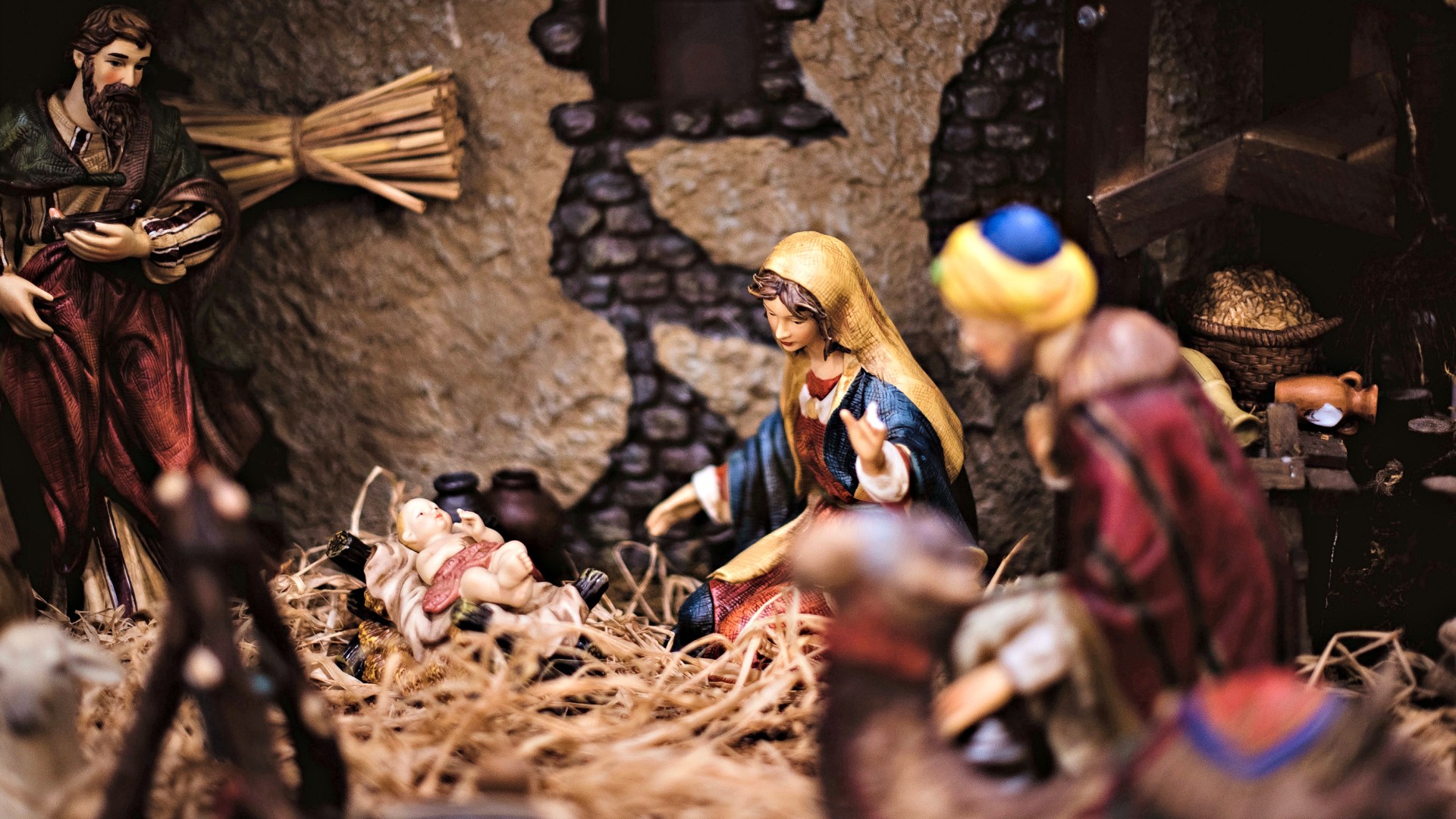
A manger scene with the focus on Mary and baby Jesus.

A manger scene with the focus on Mary and baby Jesus.

Christianity Today December 17, 2021
Ben White / Unsplash / Creative Commons

For Mark Lowry, almost every day is Christmas.

Whenever the storyteller and singer takes the stage for a concert, he always closes the show with the same song—“Mary Did You Know?”—no matter what time of year it is.

“When you have one hit, you better end with it,” Lowry said in a recent phone interview.

Lowry co-wrote “Mary Did You Know?” with Buddy Greene, a well-respected songwriter and instrumentalist, in 1991, while both were on tour with famed gospel singers Bill and Gloria Gaither. Recorded first by Christian singer Michael English, the song has become a modern Christmas staple—covered by some of the biggest names in the business: Dolly Parton, Kenny Rogers and Wynonna Judd, Mary J. Blige, Clay Aiken, Carrie Underwood, and the a cappella vocal group Pentatonix.

The idea for the song dates back to conversations the 63-year-old had with his mother about Jesus and Mary. Most revolved around the question: What was it like to raise the son of God?

“Literally, what was it like teaching the Word of God to talk,” he said, referring to a title used for Jesus in the Gospel of John. “What was it like to give him a haircut? Did she ever walk into his room and say, ‘clean this mess up’?”

He added that most of the questions he had did not make their way into the song—only the ones that rhymed made it.

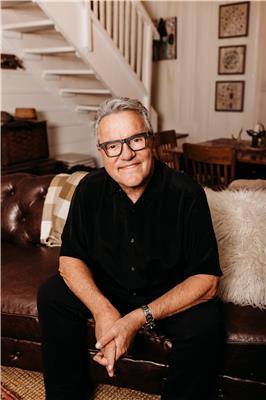
Mark Lowry, cowriter of "Mary Did You Know?"
Mark Lowry, cowriter of “Mary Did You Know?”

Those conversations also touched on spiritual topics, like the mystery of the incarnation, said Lowry—the Christian belief that God became human in the person of Jesus. They eventually inspired a series of short monologues Lowry wrote in 1984 for a Christmas concert at Thomas Road Baptist Church in Lynchburg, Virginia, then led by Jerry Falwell. Those monologues were the glue that held the show together, serving as a transition from one Christmas song to another.

They stuck with Lowry, who thought they might work for a song if he could find the right music. Several musicians tried to come up with melodies, but none fit, said Lowry. Then, while on tour with the Gaithers, he showed the lyrics to Greene and asked him to have a go. Greene took them home and started working on some music. Lowry recalls that Greene, who could not be reached, had spent a day listening to Christmas carols written in minor keys, like “What Child is This?” and “We Three Kings” before composing the melody for “Mary Did You Know?”

“It was beautiful,” he said. “It was haunting, and it made the song work. It didn’t take away from the message—it elevated the message.”

While writing lyrics, Lowry said he imagined himself as an overly enthusiastic angel who showed up at the manger during the Christmas story and was filled with questions. He used the phrase, “Did you know” to express that enthusiasm—as if the angel was bubbling over with joy for what the birth of Jesus meant. The questions in the song are the questions Lowry would have asked if he had been there.

But that phrase has gotten Lowry in trouble in recent years—seen as a kind of theological mansplaining.

“Listeners have complained that, yes, Mary knew that she was going to bear the Messiah, the promised salvation of Israel, and that, therefore, the rhetorical question upon which the song rests is either redundant or condescending,” author Joy Clarkson, host of the “Speaking with Joy” podcast, wrote in a 2018 CT article entitled, “Yes, Mary Knew.”

That phrase has also inspired a series of sarcastic social media posts. “Mary did you know … that there’s a boy on his way to gift your newborn with a drum solo,” tweeted author and pastor Courtney Ellis. “Mary did you know we’ve been trying to reach you about your extended warranty,” tweeted Texas attorney Robert Callahan II. There’s even apparently a satire of the song, entitled “Mary Freaking Knew.”

Lowry is pretty good-natured about the criticism of the song. He’s quick to admit it has shortcomings—which he thinks are more evident to his fellow Christians who are more familiar with theology than the average person who hears the song. The last thing he wanted to do was to insult Mary or anger his fellow believers.

“I never meant for it to start a war or irritate people,” he said. “I definitely didn’t want that.”

That response fits Lowry's character. He’s long used humor to help his fellow evangelicals lighten up, preferring laughter to a fight any day.

“We’ve portrayed to the world that we’re superhuman beings, and we’re not,” he told Religion News Service in a 1999 interview. “We’re just sinners in need of a savior.”

Still, he’s grateful for what he called the “miracle of the song.” Lowry, who has never been married, views his songs as his children. None of them, he said, has grown and had a life of their own the way “Mary Did You Know?” has. Most of all, he hopes the song will point people to the story of the baby Jesus and what his arrival would mean.

“I hope the song makes people think about the baby Jesus,” he said. “I hope it sends them running to Luke 1 to find out what Mary knew.”

News
Wire Story

US Senate Confirms Rashad Hussain as First Muslim Religious Freedom Ambassador

(UPDATE) Bipartisan vote of 85–5 installs Biden nominee championed by many Christian IRF advocates.

Christianity Today December 17, 2021
US Mission Geneva / Flickr

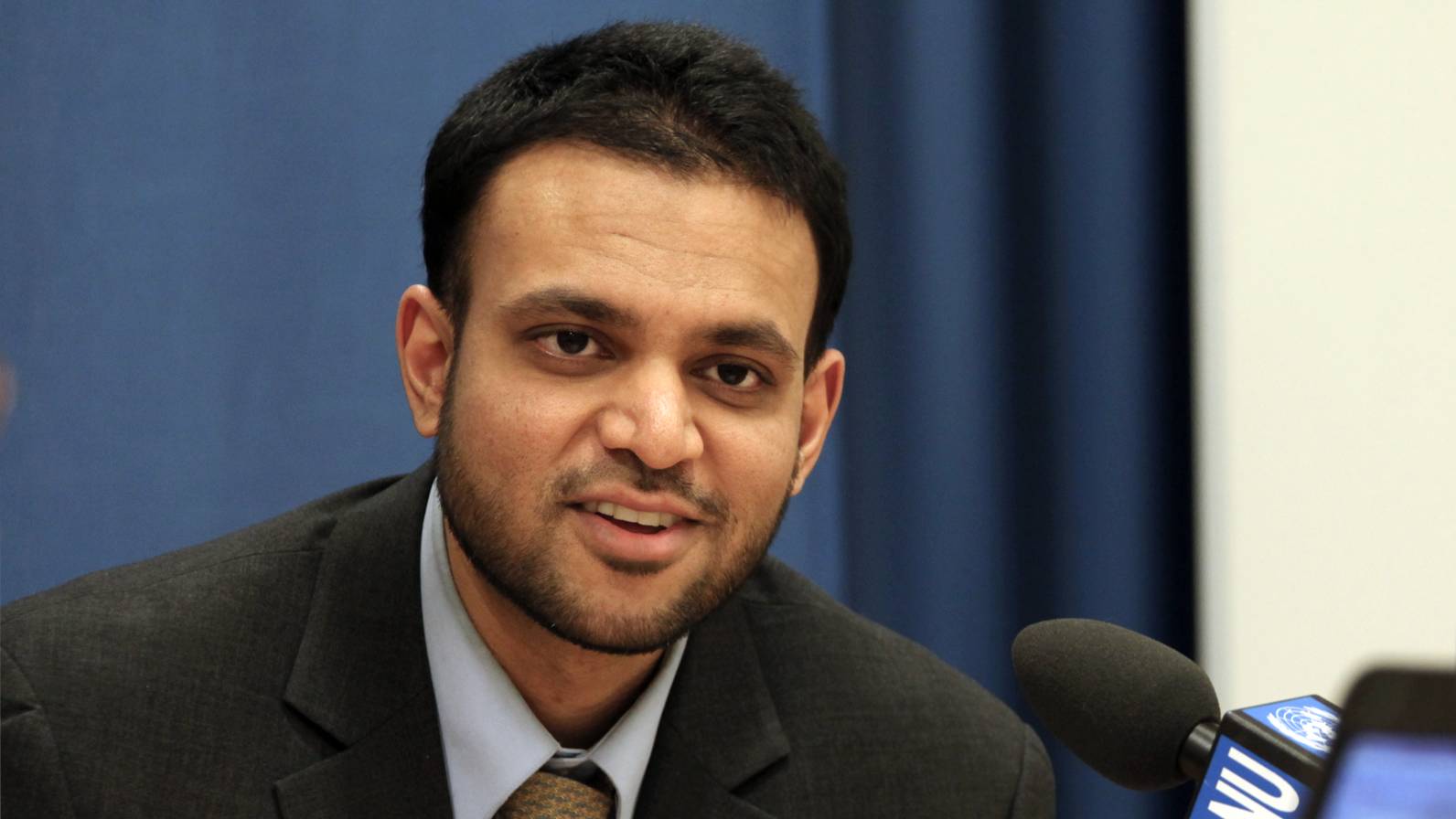
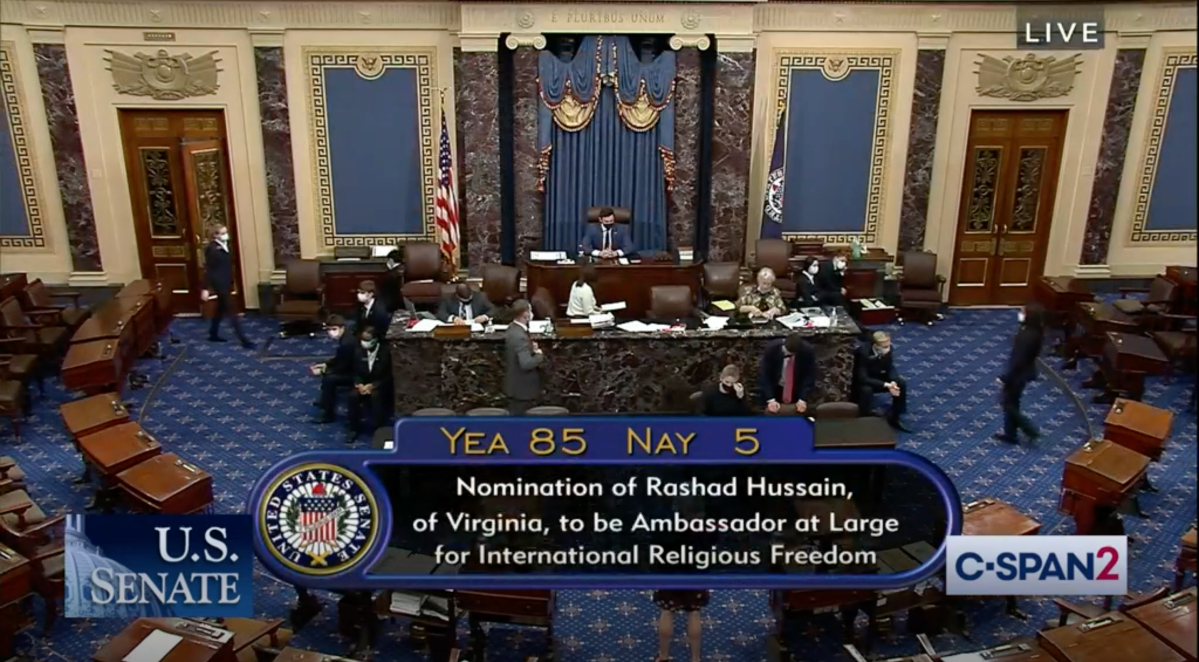
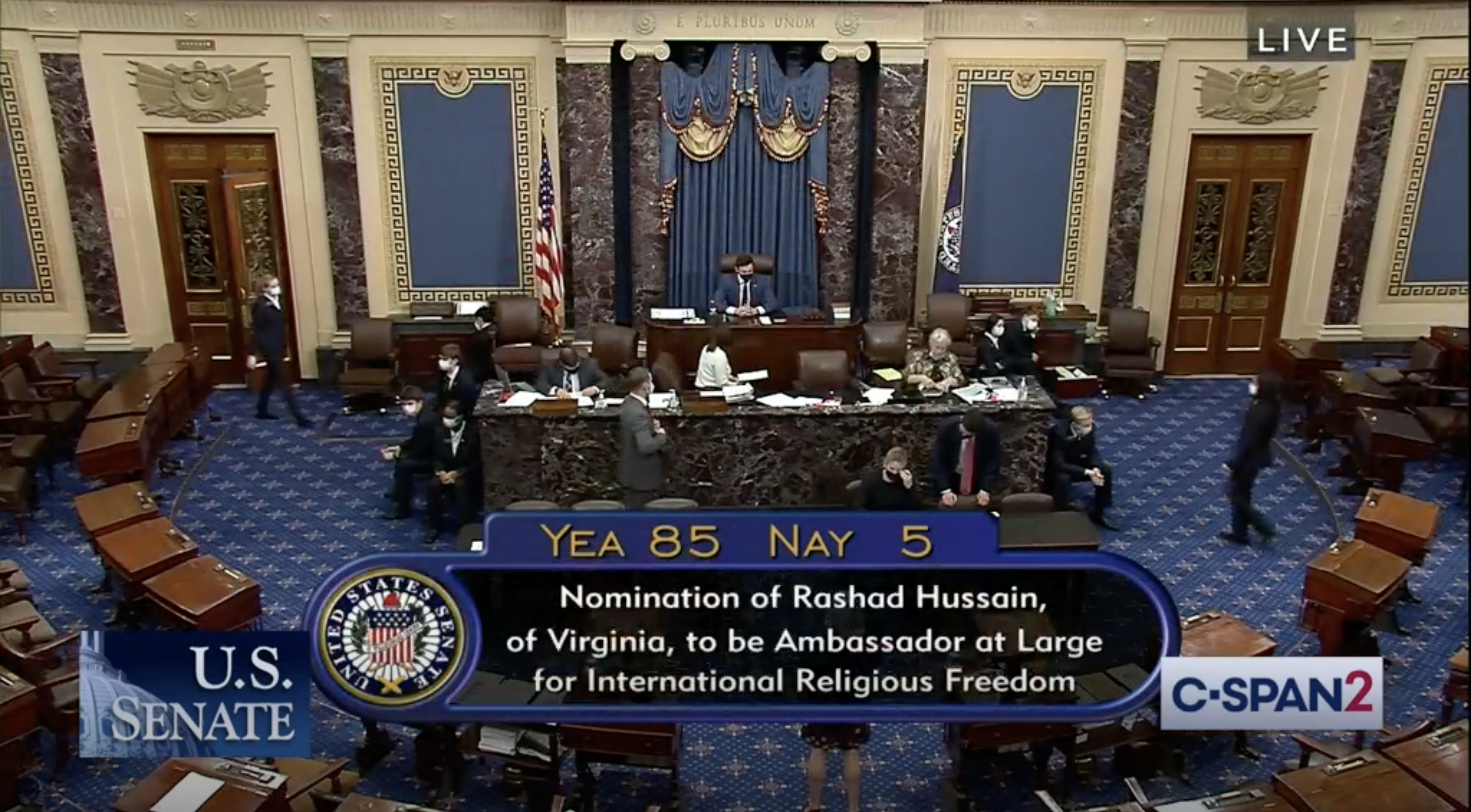
Rashad Hussain has become America’s new ambassador-at-large for international religious freedom, after the US Senate voted 85–5 last night in favor of his historic nomination as the first Muslim to hold the position.

Previous IRF ambassador Sam Brownback praised the decision and its bipartisan majority. “Religious persecution is rampant around the world, and the international community looks to the United States for leadership that can make a difference,” he stated.

Knox Thames, a senior fellow for the Institute for Global Engagement who served as the US State Department’s special advisor for religious minorities during both the Obama and Trump administrations, also praised the “overwhelmingly bipartisan vote.”

“It’s good for the issue that partisan politics stayed out of international human rights advocacy,” he told CT. “And it’s good for the persecuted that the Senate confirmed American’s top diplomat promoting religious freedom before Christmas.”

The US Commission on International Religous Freedom (USCIRF) thanked Congress for prioritizing the appointment of Brownback’s successor. “The right to freedom of religion or belief is under sustained threat globally,” stated USCIRF chair Nadine Maenza. “With his years of knowledge and experience, Ambassador Hussain is well placed to advance the US government’s promotion of international religious freedom.”

US Senate confirms Rashad Hussain as Ambassador at Large for Religious Freedom on December 17, 2021.C-Span screenshot
US Senate confirms Rashad Hussain as Ambassador at Large for Religious Freedom on December 17, 2021.

“We are praying for his success and we are eager to work with him,” said Brent Leatherwood, acting president of the Southern Baptist Ethics and Religious Liberty Commission (ERLC). “Religious freedom is under assault around the globe and his position is vital to confronting those who would undermine this fundamental right.”

Open Doors president and CEO David Curry said Hussain is “well-qualified” for the role. “His leadership will play a critical role in countering the global rise of religious persecution,” he stated. “We look forward to partnering together to speak up for people of faith everywhere.”

Open Doors, which Brownback joined as a senior fellow this year, urged for Hussain’s priorities to include “the extreme violence against Christians in Nigeria, the genocide against Uyghur Muslims in China, and the deterioration of religious freedoms in India, among others.”

USCIRF vice chair Nury Turkel urged the US government to support Hussain by “ensur[ing] that other key vacancies are swiftly filled, including the Special Envoy to Monitor and Combat Anti-Semitism, the Special Adviser for IRF on the National Security Council (NSC) staff, and Special Coordinator for Tibetan issues.”

Twelve Christian IRF advocates previously told CT why they supported Hussain’s nomination:

Original post (Oct. 27), “Religious Freedom Ambassador Nominee Goes Before Senate,” by Joseph Hammond for Religion News Service:

A Senate Foreign Relations Committee hearing on Tuesday considered the nomination of Rashad Hussain to be President Joe Biden’s ambassador-at-large for international religious freedom. Hussain’s confirmation would make him the first Muslim to hold the position.

Hussain held a number of roles in the Obama administration, serving on the National Security Council, as an associate White House counsel, and as special envoy for strategic counterterrorism communications and special envoy to the Organization of Islamic Cooperation (OIC). The OIC is an intergovernmental organization representing 57 member states, most of them with a Muslim majority.

The 42-year-old lawyer was one of five nominees who took part in the virtual confirmation hearing on Tuesday.

“(A)s a Muslim American, I have seen the impact of bigotry and guilt by association tactics used against minority communities, including the message it sends and dangers it poses to young people,” Hussain said during his prepared remarks to the committee.

Hussain, born in Wyoming to Indian parents and raised in Texas, is a Hafiz, or person who has memorized the entire Qur’an.

Hussain vowed to ensure that religious freedom issues would never be sacrificed in diplomatic or economic negotiations with China.

“China is one of the worst abusers of religious freedom in the world,” Hussain said in response to a question about America’s response to the Uyghur genocide. Hussain called for increased US pressure on China to alleviate the suffering of not only the Uyghurs but Tibetan Buddhists, Chinese Christians, and members of the Falun Gong religious movement.

He suggested that America should encourage Muslim-majority nations to protest China’s treatment of its Muslim population, suggesting such a strategy would have a “significant chance” of making an impact and helping the lives of people in China.

As the OIC special envoy and in other roles, Hussain gained experience in interfaith diplomacy. He oversaw the Marrakech Declaration, an effort to ensure protections for Christians and other minority religious groups in OIC member states.

“A staggering 80 percent of people worldwide live in environments with high or severe restrictions on religious freedom,” Hussain told the Senate committee.

He also vowed to continue the work of his predecessor, Ambassador Sam Brownback, nominated by President Donald Trump, vowing to continue to build the International Religious Freedom or Belief Alliance. The intergovernmental arrangement involving 27 countries was the signature initiative of Brownback’s tenure in the office.

“In the history of this position, no ambassador has brought the breadth of policy knowledge that Hussain brings,” wrote Princeton University professor Robert P. George and former IRF ambassador Rabbi David Saperstein in an op-ed for RNS. They highlighted the support for his nomination from the Ethics and Religious Liberty Commission of the Southern Baptist Convention and from the Baptist World Alliance, as well as from Jewish groups.

Christian leaders advocating for international religious freedom have applauded his nomination and encouraged the Senate to confirm him to the position.

“As the first Muslim to serve in this role, Hussain would send a strong signal rejecting despicable anti-Muslim discrimination, stereotyping and hatred that we have seen in America and abroad,” wrote Bob Roberts, a Texas pastor and multifaith ministry leader, and Chris Seiple, president emeritus of the Institute for Global Engagement, in a column for the Dallas Morning-News last week.

“And, we should note, he is the perfect person to visibly and vocally defend the rights of religious minorities, especially Christians, in some Muslim-majority contexts that have struggled to promote religious freedom—as we have witnessed him do throughout his career.”

Additional reporting by CT.

News

It Takes a Campus: Pandemic Expands Mental Health Resources at Christian Colleges

Counselors, students, chaplains, and professors alike are doing their part to help.

Christianity Today December 17, 2021
Fat Camera / Getty Images

Before the pandemic, Meghan Becker would meet with five to seven students in crisis a week. As the director of Baylor University’s CARE Team, it’s her job to connect them with the right professionals and resources to address a range of issues, such as suicidal thoughts, depression, stress, drug use, or other troubling behavior.

The number of students coming to her doubled, then tripled by fall 2021.

“I feel like a care and compassion machine,” said Becker, after a week this semester where she saw 19 students in a row.

Her team at the Waco, Texas, campus started taking two work-from-home days a week as a way to help protect their own mental health and workload while bearing the weight of students’ plights during the pandemic.

The dramatic spike in mental health challenges amid the spread of COVID-19 has overwhelmed counselors and chaplains at Christian colleges across the country. But this moment has also led to a deeper understanding of the burdens students carry and more resources on campuses to help.

A growing number of college students were feeling strained prior to March 2020, but once the coronavirus hit—bringing fear, stress, loneliness, and an unknown trajectory for the future—schools saw record-high requests for counseling support. Many added remote options, sometimes even 24/7 availability, to meet students’ needs.

A year and a half into the pandemic, campus staffs are managing the higher demand for counseling requests as more students returned in person this fall.

Baylor’s CARE Team experienced a 110 percent increase in counseling cases over the pandemic. Student counseling appointments were up 73 percent at Biola University in La Mirada, California.

In an informal survey of leaders from 32 schools belonging to the Council for Christian Colleges and Universities (CCCU), two-thirds said demand for mental health services increased during the pandemic, while even more (78%) saw signs of student distress such as struggles with classwork, participation, and attendance.

Rates of anxiety and depression among college students have been rising for several years. A 2019 briefing by psychologists from John Brown, Pepperdine, George Fox, Corban, and Taylor universities found “the number of students seeking counseling appointments grew by an average of 30 percent, five times the average rate of enrollment growth.”

The panel described how heightened anxiety, depression, and suicidal ideation at small Christian colleges has had a noticeable effect campus-wide, not just on individual students but also on the friends, classmates, and professors around them.

“On residential campuses that celebrate the interconnectedness of the ‘community,’” they write, “the impact permeates virtually everything.”

So too did COVID-19 come as an outsized blow to these close-knit Christian campuses, which became separated in their suffering by social distancing and screens.

A survey by the National College Health Association showed students’ mental states have worsened as the pandemic has gone on, with 41 percent of students reporting moderate to serious levels of psychological distress in 2020 and 51 percent in 2021.

The increase in demand for mental health support on Christian campuses has corresponded with recent challenges to long-standing evangelical stigmas around mental health. The past few years have brought talk of depression, anxiety, and self-care to the forefront even more.

“Unfortunately, some churches have a perfectionism that makes this talk kind of threatening,” said Eric Johnson, a professor at the Gideon Institute of Christian Psychology and Counseling at Houston Baptist University. “They want people to always be positive, and trusting Jesus, and I think they unfortunately interpret that as meaning that you don’t have anxiety or depression.”

Johnson noted that he has seen some churches with whom he works becoming more open to the realities of mental health struggles as a result of COVID-19.

Professors at Christian colleges also have had more occasions to respond to students’ mental health concerns as they came up during the pandemic.

Attending class remotely, as some students did in 2020, had its own challenges. Now that they’re back in the classroom, academics can feel more stressful. The class of 2025—who started college this semester—haven’t had a COVID-19-free year of school since 10th grade. That reality has changed how they view education and the kinds of accommodations and interactions they’ve come to expect from their instructors.

“Student expectations will ultimately play a more significant role, and those expectations should inform how the learning elements we redesigned in response to COVID-19 become normalized in our colleges and universities,” one community college president wrote in an Inside Higher Ed piece about long-lasting changes to come out of the pandemic. “We must commit to listening more to our students and to better meeting them where they are.”

Becker at Baylor encouraged professors and staff to “pay attention to the student as a whole person, not just someone who is sitting in their chair” and recognize how they’re feeling.

“Just because they’re not showing up and not turning in their work doesn’t necessarily mean that they’re lazy,” she said. “Most likely it means that they’re depressed.”

The counseling center at Baylor, faced with higher demand, launched an online platform where students can connect with psychiatrists, dieticians, and health care professionals at any time.

Students may also be wary of seeking mental health support on a Christian campus if they fear their condition will be attributed to a lack of faith. Paige Hagy, a junior at The King’s College, had avoided the school’s resources due to earlier experiences with Christian therapists.

“When you go to a biblical counselor, a lot of what they’re going to be asking is, ‘How often do you read your Bible? What are your prayer habits?’” said Paige Hagy, a junior at The King’s College. She had avoided the school’s counseling resources due to earlier experiences with Christian therapists.

“How can we try to administer care to the physical side, and how can we also try to provide spiritual help and to hold both in tension?” asked Jess Weary, a student chaplain coordinator and senior at Wheaton College. “That is something that the church is slowly growing in our ability to do well, imperfectly, but striving to recognize the and instead of the which.”

Of course, spiritual support is important for students in crisis too. In the 2019 report by campus psychologists, alongside concerns about suicide spikes and understaffing, the panel lamented the “lack of faith integration” at Christian colleges and universities.

“There is a lack of Biblical literacy that inhibits some students from being able to recognize the One who reveals Himself as Creator, Redeemer, and Friend,” they wrote. “Tragically, our modern age has virtually no understanding of, or appreciation for, a theology of suffering. The loss of such a metanarrative leads to an existential crisis for many of our students. We must restore a theological vision for hope that recognizes God is in control and actively engaged in our lives, even in the midst of suffering.”

During the pandemic, Wheaton’s chaplain program wanted to make God’s presence known to students who were having a difficult time. The team focused on prayer and availability; during the 2020–2021 school year, they made their way through the residence halls four times, knocking on doors and offering prayer, tea, and cookies to students.

“A lot of students were dealing with the weight of isolation in different ways, whether it be in quarantine specifically or because of the nature of the year, of doing college in the middle of a pandemic,” said Blake Chaput, senior and student chaplain coordinator at Wheaton.

Students often have the best pulse on how they and their classmates are faring. Azusa Pacific University launched a peer educator program for undergrad students to promote mental wellness among their classmates for internship credit, counseling director Lori Lacy told CCCU.

At The King’s College, there was “no shortage” of students who wanted to see a counselor during the pandemic, according to Hagy. Undergrads formed a new organization this fall to discuss issues like anxiety, depression, stress, suicidal ideation, and eating disorders.

Third-year student Neidín Shelnutt, vice president of the new organization, called “The Mend,” said that her experience with post-traumatic stress disorder, anxiety, and depression motivated her to start the club to shed light on what students like her are going through.

Shelnutt’s mental health suffered ever since she was in a car accident her senior year in high school.

“People couldn’t really understand that [trauma], and it was an awkward thing to bring up,” she said. “But as soon as I was able to verbalize those things, people were so welcoming and kind, and that’s what I want King’s to be.”

Shelnutt and cofounder Aidan Kurth, the group’s president, plan to host monthly sessions, each focusing on a different mental health condition, where the group will present information and resources about the condition and open a discussion for students to share their own experiences with it.

The Mend gathered for the first time November 30, just a couple of weeks before fall semester finals. The session focused on generalized anxiety disorder and drew a handful of students.

“The awareness of mental health challenges has dramatically increased, as has the church’s understanding that we should and can be a safe place to talk about it.” said Kara Powell, chief of leadership formation at Fuller Seminary and executive director of the Fuller Youth Institute. “I want families and churches and Christian ministries to be the greenhouses where students can first talk about their problems and get the support that they need.”

Powell said leaders’ transparency about their own mental health struggles makes a difference. Professors and pastors cannot fill in for the professional help or medical care students may need, but they can have a positive effect by empathizing with student concerns and modeling their own willingness to seek help and practice self-care.

Lacy at Azusa Pacific made a similar point in remarks to CCCU’s magazine, referencing mental health training through human resources. “We give faculty language to use, like ‘I feel how hard this is for you. I’ve felt that way before. I’ve found that it’s helpful to go talk to someone about it.’”

Helen Huiskes is a freelance writer and editor in chief of the

Wheaton Record

.

Waiting for Jesus: Lessons from Simeon and Anna

Advent’s elderly heroes waited decades for consolation. Here’s what they can teach us.

Simeon’s Song of Praise by Arent de Gelder

Simeon’s Song of Praise by Arent de Gelder

Christianity Today December 17, 2021
WikiMedia Commons

In a recent New York Times article, Jeremy Greene of John Hopkins University outlined the psychic impact of the past two tumultuous years on society. He said, “What we are living through now is a new cycle of collective dismay.”

Collective dismay. There is a universal ache for an end to our current distress (Rom. 8:22). The cry “How long, O Lord?” resonates as we navigate a second pandemic-shaped Advent.

Feeling chronically on hold has led me back to the biblical theme of consolation—comfort in the wake of loss or disappointment. In the birth narratives about Jesus, we meet Simeon and Anna, who were also “waiting for consolation” (Luke 2:25). They have much to speak into our context.

Consolation meets us in our powerlessness.

Two things stand out about these characters. First, they were both stellar people. Scripture describes Simeon as being righteous and devout (Luke 2:25). Luke assigns Anna a place among the prophets (v. 36), which simply means, as Dan Darling put it, “she was gifted and unafraid to declare the word of the Lord.”

A second, more mundane, observation is that they were both very old. Simeon knew he was near the end of his time on earth. Anna was 84, well beyond the era’s average life expectancy (v. 37).

While their age might seem incidental, in truth it highlights the limits of their stellar-ness. Despite being above reproach and worthy of admiration, they could not lengthen their own days. Both were aware of their own frailty and their inability to change it.

In other words, they were reaching the end of themselves, which is precisely when Christ shows up. Grace most often appears when we have no resources of our own to meet the need.

A global crisis has a way of highlighting human limits and lack of control. Like many others over the past two years, I have exhausted myself while attempting to “figure out” and strategize a way forward, all to minimal effect. Accepting the powerlessness of the moment has made more room to see God’s hand in it.

Consolation is more about welcome than change.

Luke introduces Simeon with a word that is normally translated as “waiting” (prosdechomenos). But it could also be rendered as “ready to receive to oneself.” The term expresses an eagerness to welcome.

That emphasis transforms the concept of waiting from excruciating endurance to active anticipation. Simeon counted the days until God revealed what he had promised to him personally.

As Simeon gazed into the brand-new eyes of the Ancient of Days, Christ for him went from being “God with us” to “God with me.”

Similarly, Anna had planted herself in God’s presence for decades, turning the grief of a young widow into a lifelong prayer. Waiting on the Lord became her daily practice. Ann Voskamp once wrote, “This waiting on God is the very real work of the people of God.”

My own waiting often feels like impatience and irritation. I grit my teeth and try to just hold on until I can move past whatever my current trial looks like. I want to get out, not welcome in.

What would it look like to shift into a mindset where we are ready to receive more than escape? Our hardships look different through the lenses of curiosity and welcome. We can adopt George MacDonald’s perspective and say, “Come, then, affliction, if my Father wills, and be my frowning friend.”

Simeon’s own name provides a clue how to go about that, because it comes from a word that means “to hear intelligently.” I have far more practice hearing fearfully. Or angrily. Or just half-heartedly. Simeon, on the other hand, is portrayed as deliberately listening to God’s Spirit. We are told that the Holy Spirit rested on him (v. 25), the Holy Spirit showed things to him (v. 26), and the Holy Spirit moved him (v. 27).

Intelligent listening meant that Simeon discerned the difference between his own impulses and the leading of God. It meant being willing to take in the difficult messages and not just what he wanted to hear. And it meant stepping out in obedience, acting on what he heard.

Consolation overturns our expectations.

The outcome of Simeon’s listening is one of the most tender scenes in Scripture: Simeon enters the temple to discover Mary and Joseph with their newborn. Then he picks up baby Jesus (v. 28). He has the distinction of being the only person in the Bible who we are explicitly told held the Christ child in his arms.

In that act, he provided a striking visual of not just meeting Jesus but receiving him unto himself. As Simeon gazed into the brand-new eyes of the Ancient of Days, Christ for him went from being “God with us” to “God with me.” Comfort has no real meaning until general truth takes on concrete, personal dimensions.

Nothing outwardly about Simeon’s life had changed, yet he told God he could die in peace (Luke 2:29). His inner disquiet had been calmed by Christ, and his soul was at rest. Simeon knew the consolation of Israel was not an event or a change, but a person.

Anna responded to Jesus much the same way as Simeon. His sheer existence was the only evidence she needed to recognize God’s redemptive hand. Christ—a baby who couldn’t even walk—became the focal point of her praise.

We pin our hopes on answers more than on the one who answers. We can pray with very specific, singular responses in mind that we’ll accept from God as adequate. When he doesn’t respond according to our narrow guidelines, we despair. Meanwhile, Christ arrives in our distress as wordlessly as a baby, bundled in a form we didn’t see coming.

The church I pastor met in a middle school before the pandemic arrived. Due to the lockdown, we suddenly found ourselves to be a homeless congregation. And we remained so for 18 months. Returning to in-person services this fall felt like starting over. Numbers are still low. Our capacities are reduced. Holiday traditions have been scaled back.

But we are learning how to be present to the smallness of it, ready to receive. And we are embracing vulnerability. With everything stripped away, Christ has made himself known in unforeseen ways through the very limitations we were striving to overcome. It turns out a baby isn’t just small—it’s also precious and wonderful.

Consolation grows in the sharing.

Anna made a point of talking about Jesus to all who were waiting for redemption (v. 38). Again, Luke returns to that word prosdechomenos. The countless crowds Anna tells about Jesus are marked by that same readiness to receive.

Anna didn’t view Jesus as a secret revelation exclusively for her. No possessive stinginess, no scarcity mentality. As in the feeding of the 5,000, the gospel always multiplies itself to fill the hungry crowds with more left to spare. God’s comfort is intended to reach ever outward.

Anna didn’t wait to see how Christ’s life unfolded before spreading the word. She didn’t need to see how things turned out first. And the sharing itself expanded her own joy.

We’re all part of Anna’s audience. Everyone is looking for rescue, for wrongs to be made right, for suffering to be over in these bewildering, beleaguering times. Anna joyfully points us all to the child and repeats her message: He is everything. He is our consolation. And there is no shortage in him, and as Isaiah 9:7 says, no end to the increasing peace he brings.

Jeff Peabody is a writer and lead pastor of New Day Church in Federal Way, Washington.

addApple PodcastsDown ArrowDown ArrowDown Arrowarrow_left_altLeft ArrowLeft ArrowRight ArrowRight ArrowRight Arrowarrow_up_altUp ArrowUp ArrowAvailable at Amazoncaret-downCloseCloseellipseEmailEmailExpandExpandExternalExternalFacebookfacebook-squarefolderGiftGiftGooglegoogleGoogle KeephamburgerInstagraminstagram-squareLinkLinklinkedin-squareListenListenListenChristianity TodayCT Creative Studio Logologo_orgMegaphoneMenuMenupausePinterestPlayPlayPocketPodcastprintremoveRSSRSSSaveSavesaveSearchSearchsearchSpotifyStitcherTelegramTable of ContentsTable of Contentstwitter-squareWhatsAppXYouTubeYouTube