



My Favorite ‘Quick to Listen’ Podcasts of 2020

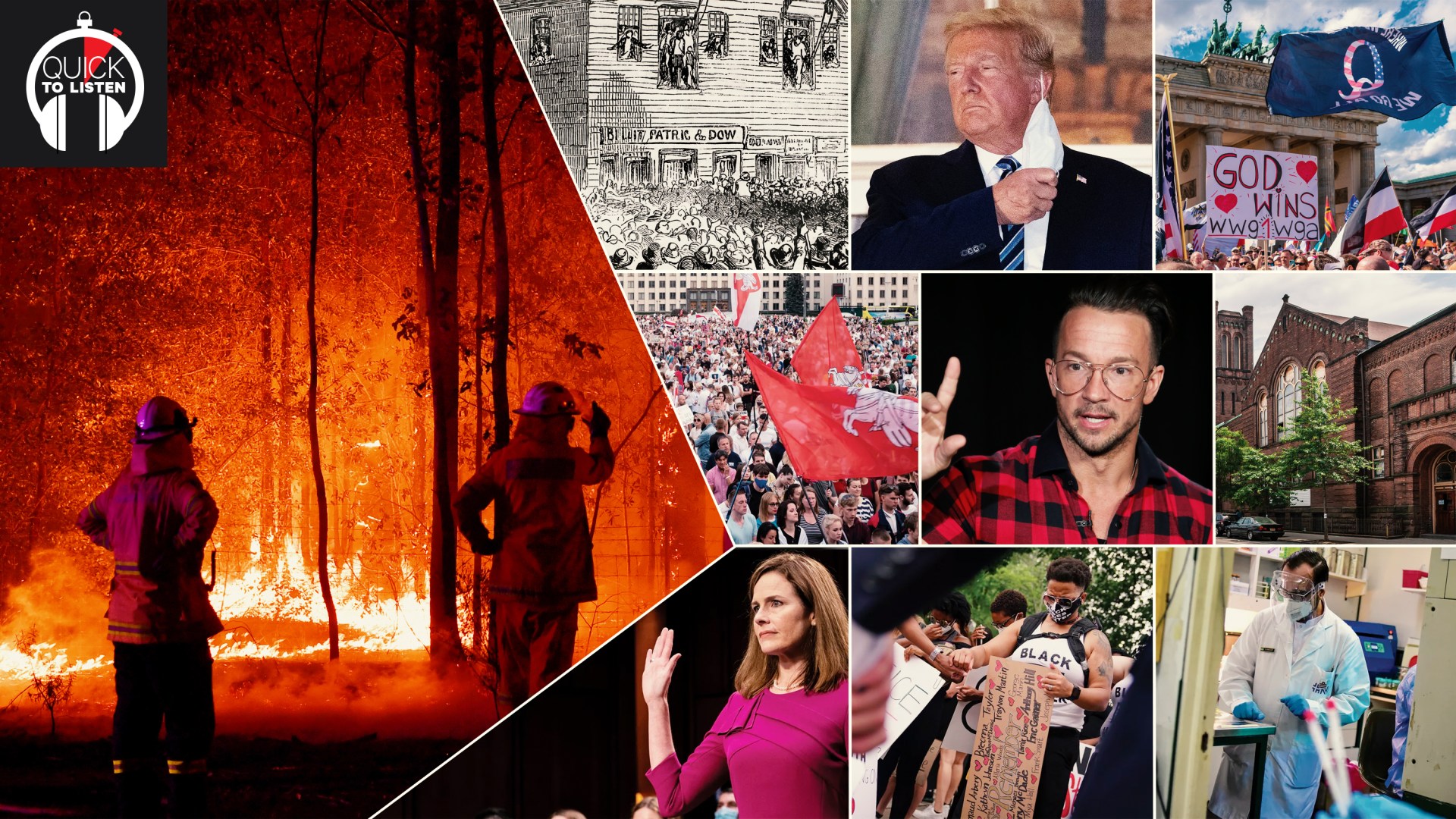
Why someone you love might join QAnon, where the black church is in the Black Lives Matter movement, and why we can’t stop talking about hipster pastors.

Christianity Today December 22, 2020

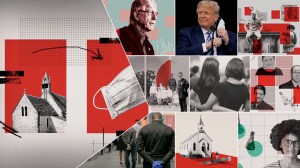
As a journalist, if I summed up 2020 in one word, it would be disinformation. Part of this year, of course, has been defined by its lack of information. How does COVID-19 spread? How long are people contagious? Is it safe to sing at church? But much of my and my fellow reporters’ efforts have been contending with false claims about billionaires influencing the virus, election hacking schemes, an agenda behind mask mandates, and a little conspiracy theory known as QAnon.

Each week on Quick to Listen, I consider the volume of information that we present. Our episodes on Belarus and Armenia this year took me into parts of the world I knew little about and introduced me to geopolitical spaces I’ve never really had to consider. I realize that the fields of knowledge we bring listeners into are vast and complex, and I’m humbled that so many of you are open to learning this much.

My hope for the show is that we are giving you not only more information but also the tools to fight disinformation, and that you would feel shaped in your ability to ask questions, think critically, and dive into the Bible when you encounter complexity. I aspire to produce a podcast that forms and informs. With that in mind, below are some of my favorite episodes that I believe do both. They are arranged in chronological order from the start of the year forward.

Morgan Lee, Quick to Listen co-host and producer
Check out the rest of our 2020 year-end lists here.
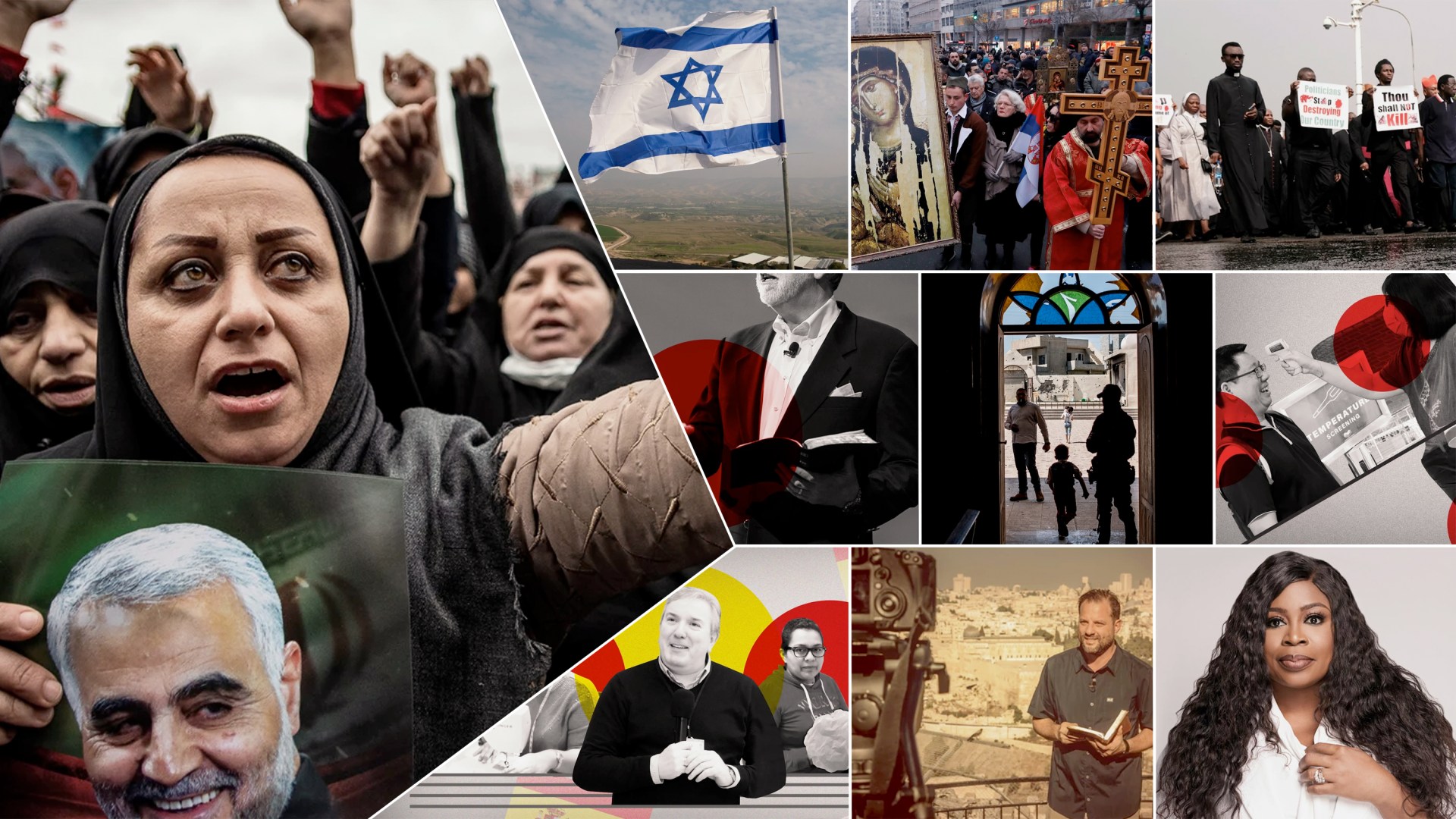
The Global Church in 2020: CT’s Top 20 International Articles

Our most-read stories from abroad.

Christianity Today December 22, 2020

Read 20 of Christianity Today’s top stories about the global church this year. Articles are arranged in chronological order.

Check out the rest of our 2020 year-end lists here.

Ideas

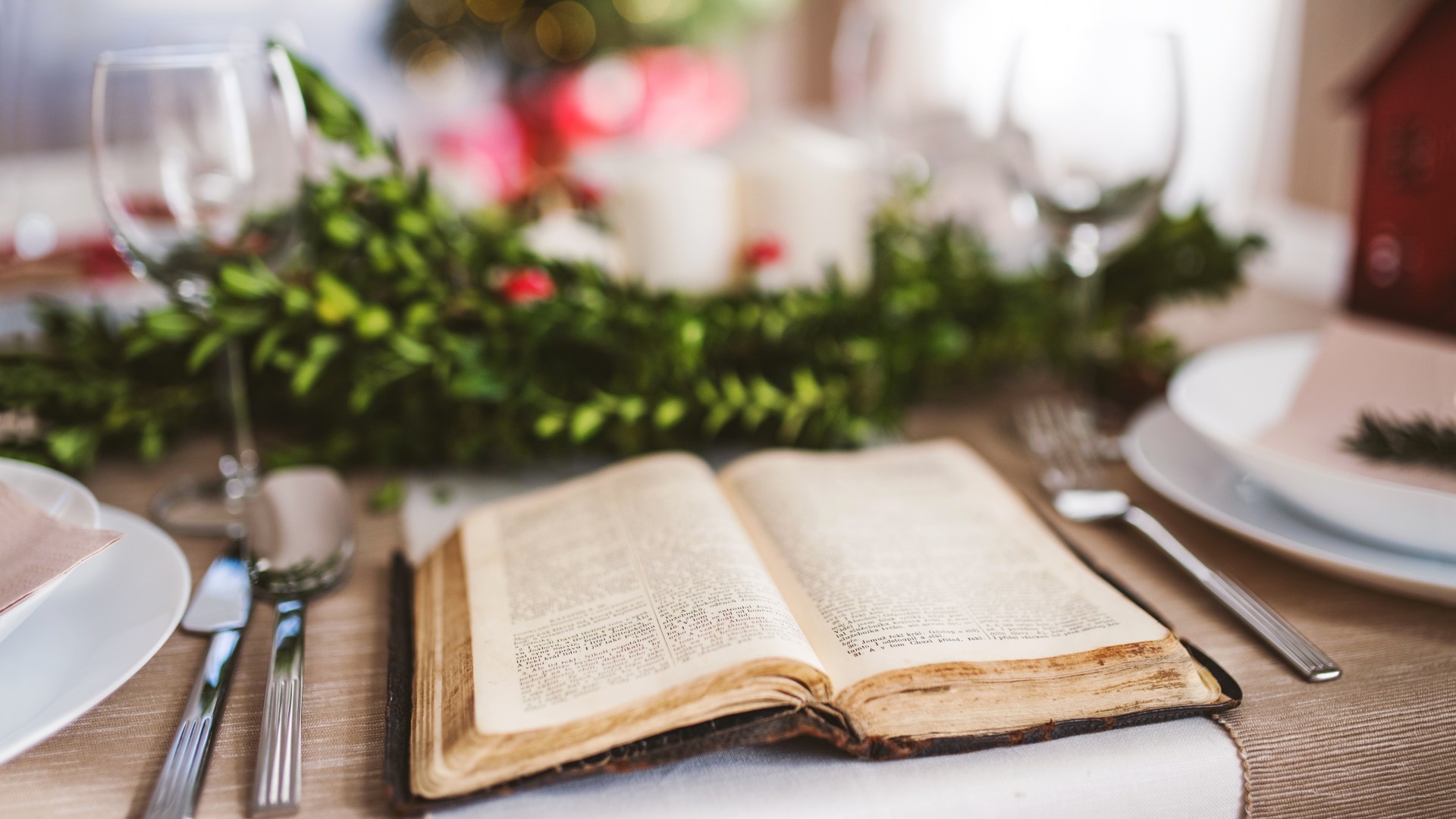
On This COVID Christmas, Food Is Love and to Feast Is to Worship

Don’t let the pandemic prevent you from cooking and relishing the incarnate tastes of God’s grace.

Christianity Today December 22, 2020
Halfpoint / Getty Images

Round numbers tend to be big in bad ways, and 2020 met every expectation. Looking back, it’s hard to recall a year more fraught with gut-churning distress. Mix a global pandemic killing close to 2 million with racial upheaval, a bizarro US presidential election season, and economic turbulence. Pour in never-ending conflicts in places like Afghanistan and Yemen. Stir and warm over a planet heating up year after year, and you have the makings for a grim apocalyptic stew.

No wonder many have wondered whether the end is nigh. The prophets predicted pestilence and plague, hubristic leaders, wars and famine, as well as cosmic disruption. Jesus cautioned against searching for signs, but he warned against complacency too (Mark 13:5–10). Should the Lord indeed return before Christmas, it could be construed as the best present ever, but given the delay, we’ve learned to wait wearily.

Nevertheless, Jesus said to “be on guard! Be alert!” (v. 33), to which some manuscripts add “and pray.”The late Eugene Peterson, in true Advent fashion, preached of prayer as a kind of expectant waiting, a “disciplined refusal to act before God acts.” Lent invites us to couple prayer with fasting as we penitently await God’s judgment. But at Advent and Christmas, we pray and feast in anticipation of Christ’s return and God’s justification.

Constrained as we are on this COVID Christmas, festival feasting is bereft of the family and friends customarily surrounding our tables. Resigned to a relative few (if that) to abate the viral surge, the temptation might be to prepare less when it comes to Christmas cooking and baking. We’ll eat, but more to alleviate boredom and stress than to celebrate Christ’s incarnation.

Yet from Leviticus to Revelation, Scripture insists God’s people feast as an act of worship, even if it means spreading a table, as with Moses, in the barren desert; as with Jesus in the upper room, on the eve of his crucifixion; as with Paul, in prison; or as with John, exiled on the island of Patmos envisioning the grand climax of history as a banquet.

Theologian and poet David Russell Mosley has written a delectable ode to holiday feasting, concluding that even if you are alone at your table this Christmas,

have some good wine and cheese or your favorite pizza. Remember your humanity—and remember that the church has called us to celebrate together what is sacred. Share, in whatever way you can, the spirit of Christian feasting with others. For Christ did not come into a rich family but a poor one, and like the Ghost of Christmas Present he tips his torch to our most humble offerings, uniting his divinity, his excess, to our humanity.

Years ago, as a pastor and avid home cook, I preached a sermon series on Food in the Bible and served up the sermon dishes for my congregation to eat. Following each Sunday’s exegetical foray into milk and honey, barley and olives, lamb and fish, or bread and wine, I stepped out of the pulpit and down to the Communion table on which I laid out my inspired ingredients and demonstrated ancient recipes, each symbolic of a deeper spiritual truth. After the benediction, folks queued up for a sample, eschewing the normal coffee and doughnuts for hummus and yogurt, lamb grilled with pomegranate, or mejadra (imagined to be the stew by which Jacob secured Esau’s birthright—it’s that good). In the end, all the dishes combined into a meal to share with friends, family, or church small-group gatherings with prayers and liturgies attached.

From the apple in Eden to the wedding supper of the Lamb, Scripture presents a menu of entrees to express incarnate reality. Jesus offers himself as the ultimate meal.

From the apple in Eden to the wedding supper of the Lamb, Scripture presents a menu of entrees to express incarnate reality. Jesus offers himself as the ultimate meal. Our Lord calls himself the bread of life and uses vineyards and fig trees, lavish banquets, and fatted calves to tell his best parables. Food also comprises his best miracles, whether it’s turning water to wine, stretching a single box lunch to feed 5,000 people, or grilling fish for his friends on the beach after rising from the dead. Jesus eats a lot of food too, so much so that he’s accused of being a glutton and a drunkard. He’d eat with anybody, including outcasts and sinners of every stripe, much to the consternation of religious authorities. Sharing a meal breaks down barriers of suspicion and hostility. To this day we can still make peace by making an enemy dinner.

As vaccines thankfully roll out this Christmas, debate over who goes first involves determining who’s most essential. Frontline health care workers and nursing home residents head the line, and then the chronically ill, but afterward come the packers and truckers and grocery store workers. These valiant souls, masked up and present, risk infection every day to provide produce, meat, and ingredients for our pots and stoves. Old Testament worship entailed sacrifice, and the risks priests endured and the death animals suffered served beyond the purpose of divine appeasement. Sacrifices were grilled to be eaten; the Lamb of God nourished as well as atoned.

For many of us, our Christmas confinement may hearken back to the Bethlehem story. There is death and fear in our world now, as then, with governments in flux and livelihoods in peril. Eyes gaze heavenward for salvation, but the Savior arrives at our doorstep wrapped as a small package, a vulnerable baby who proved mightier than any virus. Ultimate victory remained far off—and only then after much turmoil and death—but real hope had been born.

It’s hope we hold happily because it’s grounded in God in whom the future has already happened. Amid a pandemic that exacerbates economic disparities, racial inequities, and political consternation, a sure future made right by God makes joy accessible. We wait confidently and with glad hearts. As Mosley reminds, bread and other grain-based foods have long served as humanity’s staple.

Yet, as a species, we didn’t stop with bread. We made cake, something utterly superfluous. We do not need cake. It is the definition of gratuity. We make it because it tastes good, because it is beautiful. But we also make cake to celebrate. And … the ultimate reason humans celebrate, why we feast, is to worship.

Feasting is not just about eating but about preparation too. Good food takes time, and to make it and share it with others—around a table or left on a porch—is itself an act of love as well as worship. As famed Italian cook Marcella Hazan wrote,

To put a freshly made meal on the table, even if it is something very plain and simple as long as it tastes good and is not a ready-to-eat something bought at the store, is a sincere expression of affection, it is an act of binding intimacy directed at whoever has a welcome place in your heart. And while other passions in your life may at some point begin to bank their fires, the shared happiness of good homemade food can last as long as we do.

For me, Christmas is being marked, in part, by slow-braised short ribs with Swiss chard, mushrooms, and cipollini onions over mashed potatoes with fresh horseradish cream, and double-chocolate-cherry espresso drop cookies for dessert. This is an all-day affair, one demanding patience as you chop all the vegetables, sauté them, and then wait for the braise to tenderize the tough cut. But your patience will prove virtuous as you’ll enjoy a luscious aroma and, later, an unforgettable flavor. With everything canceled, you’ll likely have time. If you’re not a cook or don’t like to do it, you still have to eat. So why not eat well? You may find yourself all the more eager to give thanks and praise the Lord for it. As the psalmist sang, “Taste and see that the Lord is good” (34:8).

The late Robert Capon, author, priest, and food columnist, insisted,

Man invented cooking before he thought of nutrition. To be sure, food keeps us alive, but that is only its smallest and most temporary work. Its eternal purpose is to furnish our sensibilities against the day when we shall sit down at the heavenly banquet and see how gracious the Lord is. Nourishment is necessary only for a while; what we shall need forever is taste.

Daniel Harrell is editor in chief at Christianity Today.

Church Life

Christianity Today’s Best COVID Articles from 2020

The year’s most significant stories of the pandemic.

Christianity Today December 22, 2020

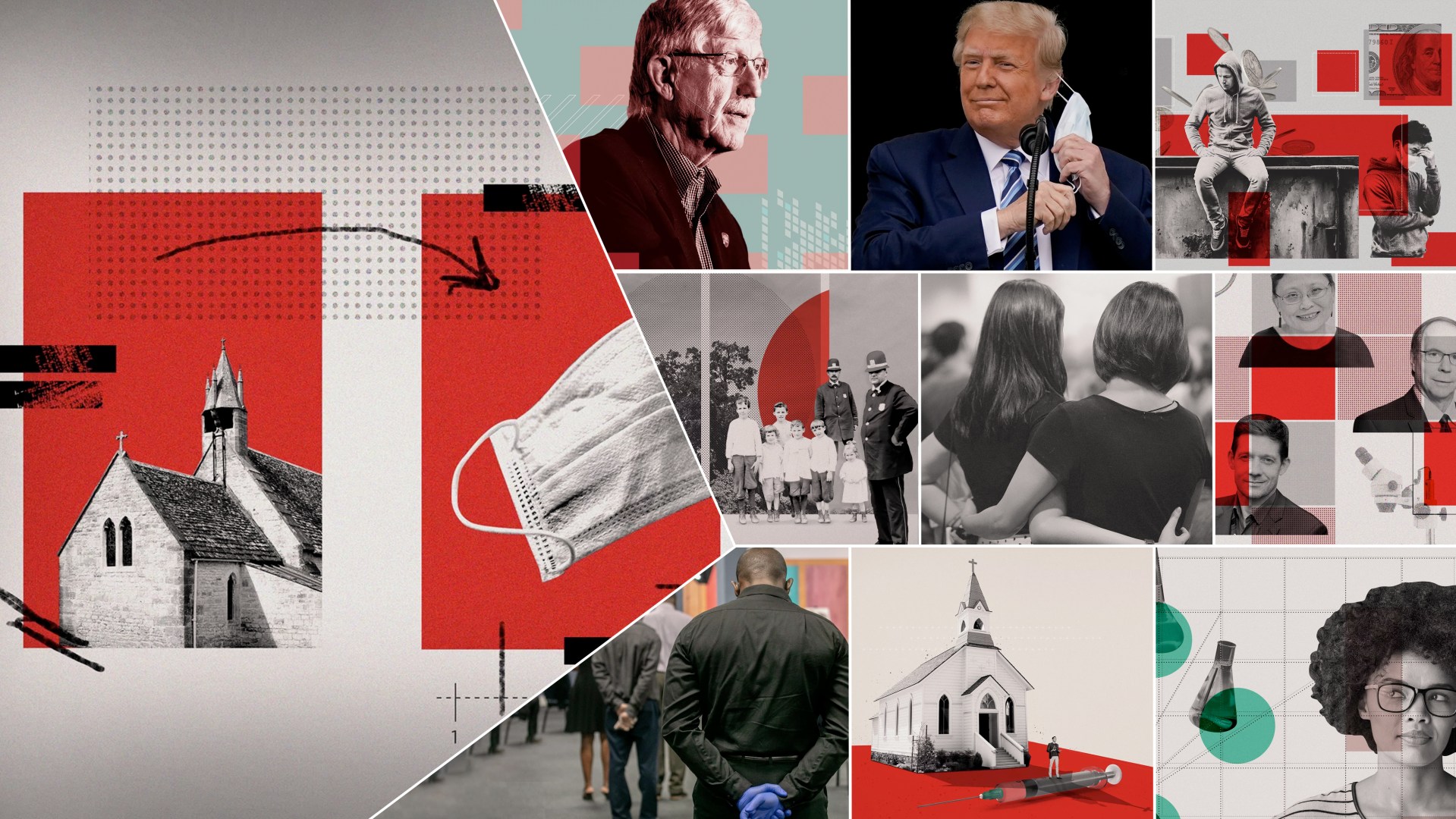
China reported the coronavirus to the World Health Organization on December 31, 2019, and the virus came to define media coverage for the entirety of 2020. Since COVID-19 was declared a pandemic in March, information has evolved as scientists learned about it and how to control it. But caring for the sick, protecting our communities, and faith’s role in building trust are all still more than relevant as the year closes. Whether you missed these articles or want to reflect on enduring lessons from the season, here’s a look back at our best:

10. Medical science at church

Because of their unique histories, it was hard to close black churches at the onset of the pandemic. As the year wore on, they struggled through a lack of financial resources to do the Lord’s work yet displayed spiritual endurance. In 2021, these congregations could play an important role in discussing medical science as vaccines roll out.

9. How pastors engage vaccines

Five church leaders from across the country lay out their plans to talk about the new COVID-19 vaccine. Some prefer to leave the discussion to doctors, while others seek to encourage Christians not only to receive the vaccine but also to see it as a gift from God.

8. COVID spreads at minority churches

A study released this fall outlines how the virus likely spread among minority populations during the spring months of the pandemic, and pastors describe what the year has been like for their congregations.

7. Doctors on mission

Christian doctors from the US, UK, Italy, Australia, and Singapore share how their faith impacts their care for the sick, their research pursuits, and public health planning amid one of the most challenging years of their careers.

6. Closeness in a distant world

Reduced or canceled Bible studies, casual gatherings with friends and family, and summer camp for kids all rise high on the list of this year’s losses. A psychologist digs into how some of us may find it difficult to adapt to a safe middle ground amid our fears of contamination but argues we will need to get back to handshakes and hugs for our mental health.

5. What a historic cholera epidemic has in common with COVID

A historian compares the beginnings of the 1830s cholera outbreaks to today’s scenario, and it sounds eerily similar. There’s a lot we can learn.

4. America’s cultural weaknesses revealed

Normally studying other cultures, an anthropologist turns her eye to the US to critique how the pandemic has brought out our societal deficiencies.

3. Ethics of COVID-19 drugs

During his bout of COVID-19, President Trump received the new drug from Regeneron, which was tested using aborted fetal cell tissue, raising questions about the consistency of his pro-life platform. But as it turns out, many pro-lifers don’t see this use as a dilemma to receiving drugs and put their energies elsewhere.

2. When conspiracies abound

Back in the spring, scientists faced conspiracies about the origins of the coronavirus. Now, there are plenty more conspiracies, but the lessons for addressing them remain the same.

1. Churches reopening

While many churches in the US closed for the spring months, by May a handful were beginning to attempt a version of meeting in person—some in defiance of local orders. CT enlisted a public health expert to suggest benchmarks and safety guidelines for church leaders making these decisions—advice that continues to be relevant as many other churches plan to only begin regular gatherings in 2021.

Check out the rest of our 2020 year-end lists here.

15 CT News Stories That Made Us Happy in 2020

Remembering the good news headlines from a difficult year.

Christianity Today December 22, 2020

With the coronavirus pandemic dominating the news in 2020—and straining churches and Christian ministries—we could use some reminders of the hopeful and encouraging developments that unfolded this year.

Here are 15 headlines that actually made us happy, listed in chronological order.

For the most important news stories CT covered in 2020, see our list of top headlines.

Church Life

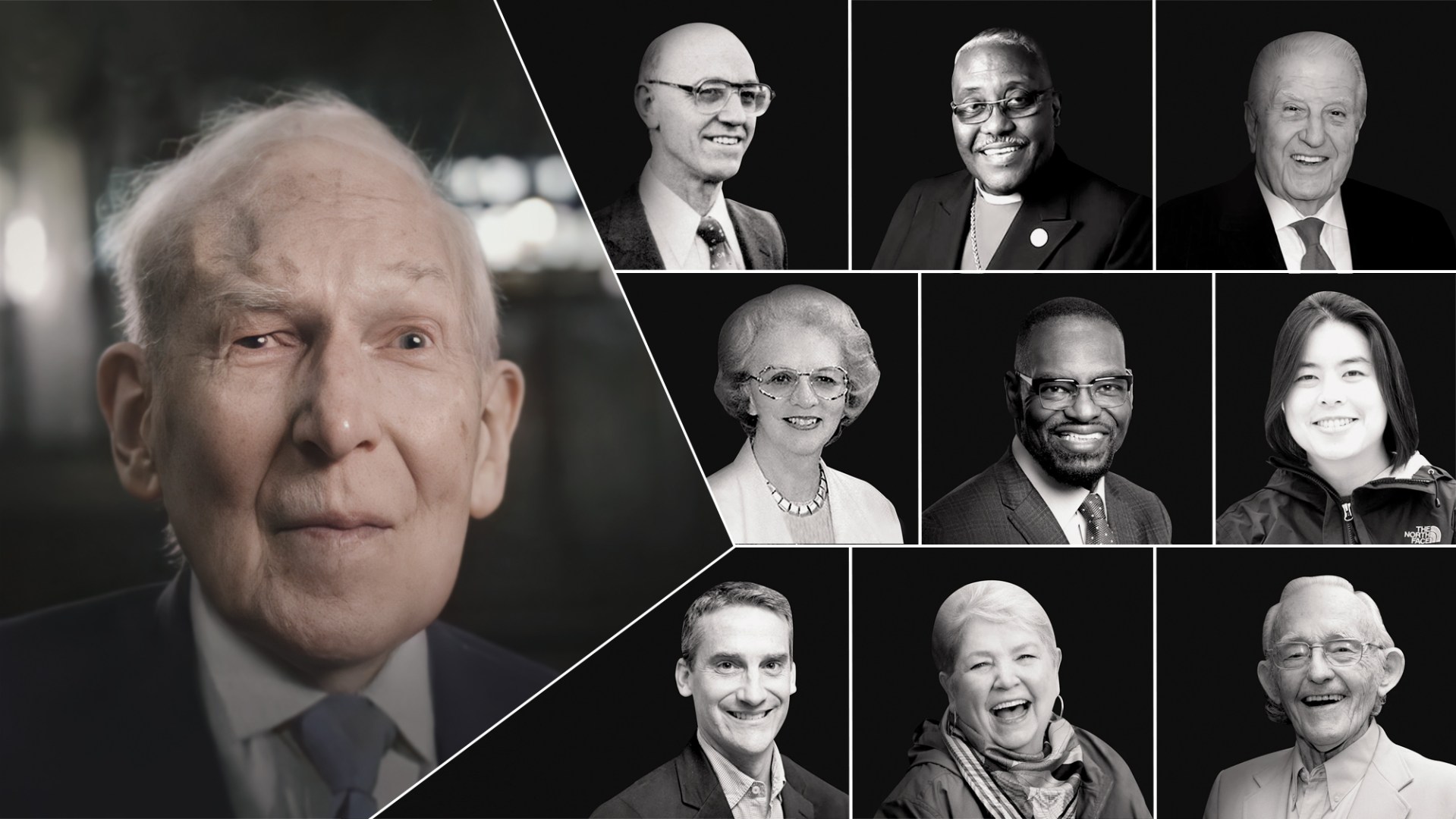
12 Leaders Evangelicals Lost in 2020

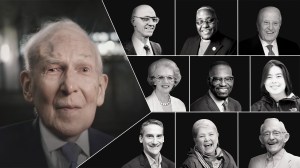
Remembering missionary pilot Joyce Lin, theologian J.I. Packer, author Luci Swindoll, and others.

Christianity Today December 22, 2020

Luci Swindoll said God’s grace was so powerful that it allowed her to be who she truly was, transforming not only her life, but also her death. “When I’m with the Lord face to face,” she said, “it is my own life that I lay down and not the prefabrication of one who always tried to be somebody else.”

For many reasons, 2020 was a hard year. But we drew strength from the individual lives and powerful testimonies of many who went to meet their savior. Here are a dozen men and women whom evangelicals lost, in alphabetical order.

Check out the rest of our 2020 year-end lists here.
CT’s 2020 Cover Stories, Ranked

Here are the cover stories that online readers read most.

Christianity Today December 22, 2020

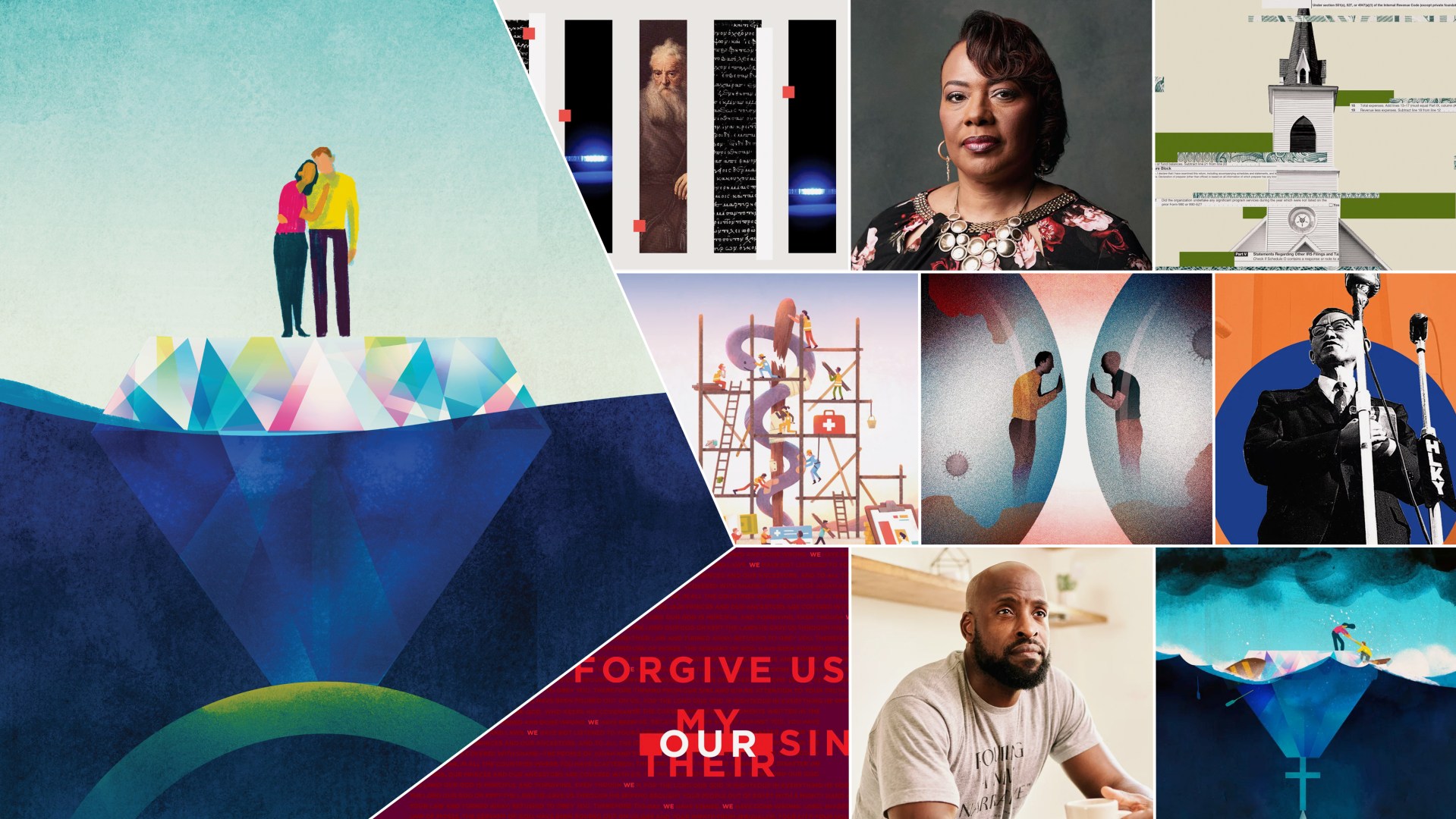
From the state of marriage in the church to the global response to COVID-19 to a biblical theology of law enforcement, our print cover stories tackled this year’s headlines with deeper Christian analysis. Here are CT’s eight top cover stories or story packages from 2020, ranked in reverse order of online popularity.

8. October

7. March

6. May/June

5. April

4. November

3. January/February

2. September

1. July/August

To read more, check out our most popular cover stories from 2019.

Top 10 CT News Stories of the Year

We shared hundreds of headlines with you in 2020. Now we rank the most important ones.

Christianity Today December 22, 2020

In a year marked by more “doomscrolling” than ever, here are the stories that hooked us as major news for the evangelical world.

Of course, the church’s coronavirus response and the US presidential election rank among the biggest stories Christianity Today followed all year. See which others—debates and scandals, resignations and racial tensions—made the list.

10. Record-Low Refugee Admittances

The refugee ceiling dropped to a new low of 18,000 under the Trump administration, but resettlement ministries are looking forward to a trajectory back to 125,000 under President-elect Joe Biden.

9. Fake Dead Sea Scrolls Drama

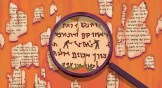
The Museum of the Bible’s discovery that its collection contains forged Dead Sea Scroll fragments launched a search for more.

8. Southern Baptists’ Critical Race Theory Debate

Amid calls for racial justice, conservative Southern Baptists spoke up with concerns that critical race theory is being taught and promoted by the denomination, spurring seminary presidents to decry the approach.

7. Spiritual Abuse by Acts 29 President

British pastor Steve Timmis was removed as president of the church-planting network Acts 29 and later his congregation, the Crowded House, over claims of spiritual abuse.

6. Azerbaijan-Armenia Conflict

Regional violence pitted Christian Armenians against Muslim Azeris in the fight for the Armenian-majority enclave of Nagorno-Karabakh, located within Azerbaijan.

5. Jerry Falwell Jr. Leaves Liberty

After a series of controversial social media posts and reports of sexual impropriety in his marriage, the longtime Liberty University president was forced to resign.

4. Ravi Zacharias’s Death and Sexual Misconduct Claims

Months after international apologist Ravi Zacharias’s death at 74, several women came forward with claims of his sexual harassment during massage treatments. His ministry, RZIM, launched an investigation and confirmed his misconduct.

3. George Floyd’s Gospel Legacy and Christian Calls for Justice

Ministry leaders in Houston’s Third Ward shared the story of the George Floyd they knew before his death at the hands of Minneapolis police went viral. The incident spurred ongoing racial justice efforts and weeks of protests in cities like Portland.

2. Worship During the COVID-19 Pandemic

Churches navigated public health guidelines around gatherings during the outbreak, with pastor John MacArthur defying California’s restrictions, Capitol Hill Baptist suing for an exemption to worship outdoors in DC, musician Sean Feucht touring the country with “worship protests,” and congregations all over adapting to livestream services.

1. Faith in the 2020 Presidential Election

In a contentious election that took four days to call and spurred weeks of legal challenges from the Trump campaign, Joe Biden won the 2020 US presidential race, which he called a “battle for the soul of the nation.” Though surveys show white evangelical support for Donald Trump held steady, Biden won over an increasingly vocal and organized minority of evangelical Trump opponents.

The news was heavy this year. Don’t miss the 15 CT News Stories That Actually Made Us Happy in 2020, plus the rest of our year-end lists.

CT’s Top 20 Stories of 2020

Christian responses to racial injustice, prayers during a pandemic, and more.

Christianity Today December 22, 2020

In a year that none of us will ever forget, Christianity Today’s readers visited its website most often for three things: encouragement and advice as a pandemic raged across the globe, explanations for the political tensions and differences Christians face, and insight on matters of race and faith as injustices held the nation’s attention. We also wrestled with how to report on leaders mired in controversy and looked at some churches left to rebuild in their wake.

The most-viewed CT article of 2020 was our exclusive news report “George Floyd Left a Gospel Legacy in Houston.” You can find it and other top CT News stories of the year here.

Second was “20 Oraciones para esta pandemia,” the Spanish version of “20 Prayers to Pray During This Pandemic” (see below) and 1 of 350 new CT Global translations.

Excluding those categories, our 20 most-read stories of the year are listed below in descending order, starting with No. 20 and ending with No. 1.

20.

19.

18.

17.

16.

15.

14.

13.

12.

11.

10.

9.

8.

7.

6.

5.

4.

3.

2.

1.

Check out the rest of our 2020 year-end lists here.
Books

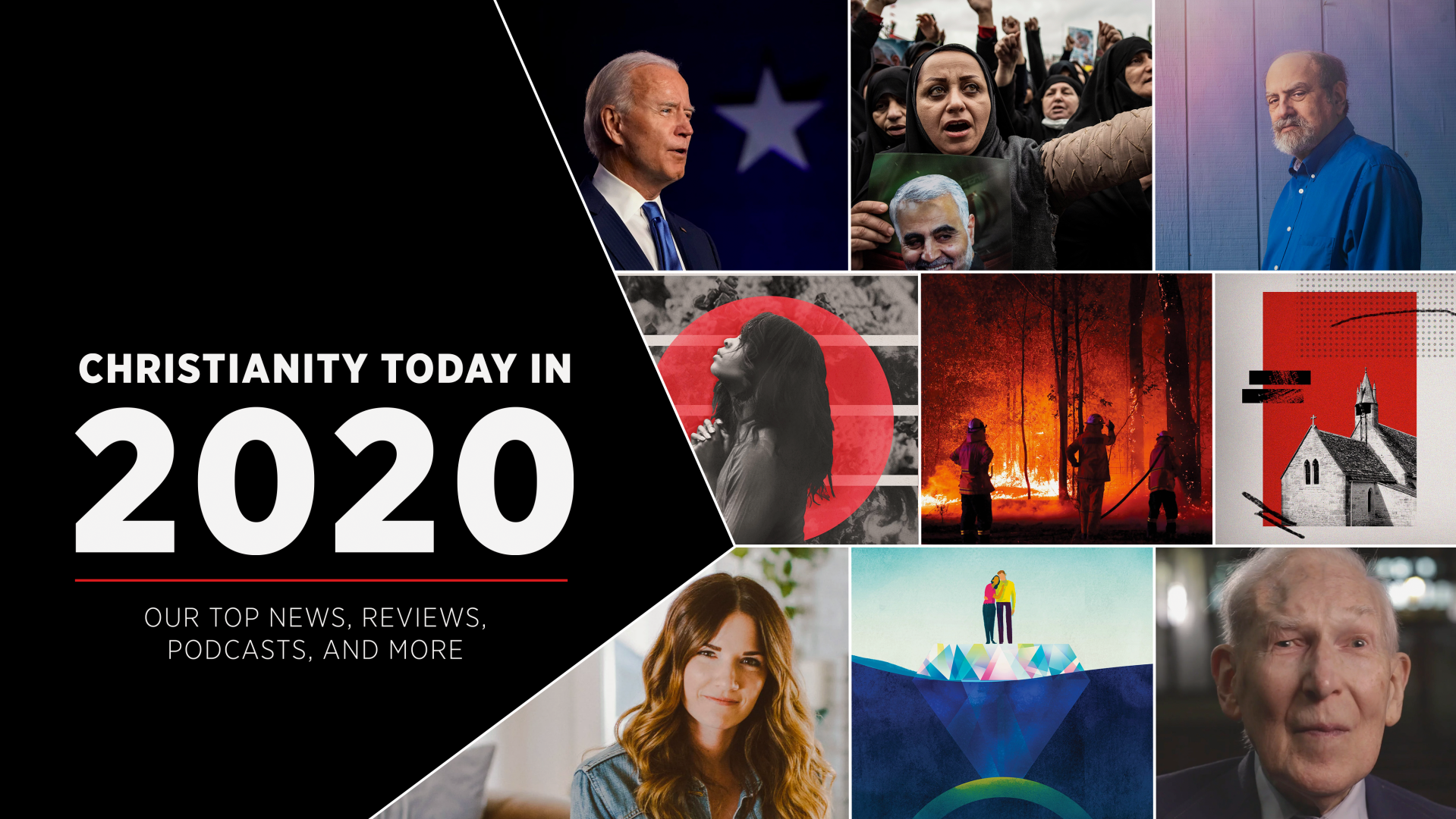
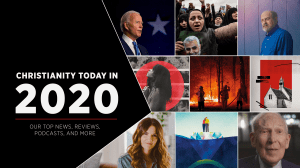
Christianity Today in 2020: Our Top News, Reviews, Podcasts, and More

CT published 1,650 articles this year. Here’s what readers and editors liked most.

Christianity Today December 22, 2020

Browse our lists of 2020’s top articles, book reviews, podcasts, obituaries, and testimonies—as well as CT’s top stories about the global church, good news, pastors, COVID-19, and more—via the collections at right [on desktops] or below [on mobile].

Also for our bilingual readers, from CT Global’s 350 translations this year, see our most-read articles in Spanish, Portuguese, French, Chinese (Simplified and Traditional), Indonesian, Korean, and Catalan.

Finally, a report on this year’s Top 10 discoveries in biblical archaeology.

addApple PodcastsDown ArrowDown ArrowDown Arrowarrow_left_altLeft ArrowLeft ArrowRight ArrowRight ArrowRight Arrowarrow_up_altUp ArrowUp ArrowAvailable at Amazoncaret-downCloseCloseellipseEmailEmailExpandExpandExternalExternalFacebookfacebook-squarefolderGiftGiftGooglegoogleGoogle KeephamburgerInstagraminstagram-squareLinkLinklinkedin-squareListenListenListenChristianity TodayCT Creative Studio Logologo_orgMegaphoneMenuMenupausePinterestPlayPlayPocketPodcastprintremoveRSSRSSSaveSavesaveSearchSearchsearchSpotifyStitcherTelegramTable of ContentsTable of Contentstwitter-squareWhatsAppXYouTubeYouTube