History

Dwight L. Moody: Did You Know?

Moody left home at age 17 and became a shoe salesman.

The first time he applied for church membership, it was denied him because he failed an oral examination on Christian doctrine.

When he first came to Chicago in 1856, his goal in life was to amass a fortune of $100,000.

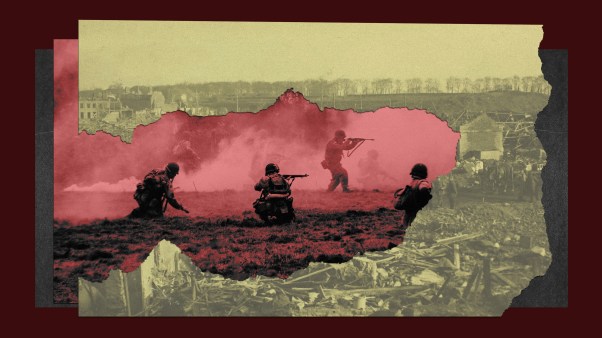
Moody ministered to soldiers in the American Civil War.

His engagement to Emma Revell was formalized by the unassuming announcement that he would no longer be free to escort other young ladies home after church meetings.

Abraham Lincoln visited Moody’s Sunday school, and President Grant attended one of his revival services.

He chose to use theaters and lecture halls rather than churches for his meetings.

Moody’s house in Chicago burned down twice; his Chicago YMCA building burned three times. Moody raised funds for the rebuilding each time.

D.L. Moody was never pastor of the church that grew out of his Sunday school work and that today bears his name.

At the Chicago World’s Exhibition in 1893, in a single day, over 130,000 people attended evangelistic meetings coordinated by Moody.

D.L. and his son Will survived a near-fatal accident at sea.

It is estimated that Moody traveled more than one million miles and addressed more than one hundred million people during his evangelistic career.

Moody’s revivals often elicited relief programs for the poor.

Moody once preached on Calvary’s hill on an Easter Sunday.

Moody was personally acquainted with George Muller, the orphanage founder; Lord Shaftesbury, the great social reformer; and Charles H. Spurgeon, the prince of preachers.

All three schools founded by Moody in the late nineteenth century are thriving today.

Copyright © 1989 by the author or Christianity Today/Christian History magazine. Click here for reprint information on Christian History.

Our Latest

News

Died: John M. Perkins, Who Lived and Preached Racial Reconciliation

The civil rights leader believed in a gospel bigger than race or self-interest.

Review

Decoding the Supreme Court

Three books to read this month on politics and public life.

The Bulletin

Cost of Iran War, Quiet Southern Border, and Anglican Church Split

Mike Cosper, Clarissa Moll, Russell Moore

The financial and moral toll of war, immigration slows but ministry continues, and why denominations split.

The Year of the Evangelical

America prepared for a bicentennial, and religious identity dominated the presidential campaign.

Q&A: Eric Mason on Ministering to Men and Witnessing in Politics

Interview by Benjamin Watson

The Philadelphia-based pastor discusses how the church can engage Black men and have a biblical approach to government.

Review

‘The Secret Agent’ Explores Memory and Authoritarianism in Brazil

Mariana Albuquerque

The Oscar-nominated film reminds viewers to learn from the past—and to share our stories with the next generation.

Jan Karon Looks Back on 89 Years of God’s Faithfulness

The author of the Mitford Years series married at 14, protested segregation, and wrote her first book at 57.

The Just Life with Benjamin Watson

Michel Lusakueno: Why the World Can’t Ignore Congo

Exploring the sobering connection between modern convenience and human suffering.

Apple PodcastsDown ArrowDown ArrowDown Arrowarrow_left_altLeft ArrowLeft ArrowRight ArrowRight ArrowRight Arrowarrow_up_altUp ArrowUp ArrowAvailable at Amazoncaret-downCloseCloseEmailEmailExpandExpandExternalExternalFacebookfacebook-squareGiftGiftGooglegoogleGoogle KeephamburgerInstagraminstagram-squareLinkLinklinkedin-squareListenListenListenChristianity TodayCT Creative Studio Logologo_orgMegaphoneMenuMenupausePinterestPlayPlayPocketPodcastprintRSSRSSSaveSaveSaveSearchSearchsearchSpotifyStitcherTelegramTable of ContentsTable of Contentstwitter-squareWhatsAppXYouTubeYouTube