Ideas

Being Samaritans to Those Brutalized by Beijing

Staff Editor

The American church must not pass by the chance to welcome and help Hong Kongers and Uighurs.

Christianity Today March 5, 2021
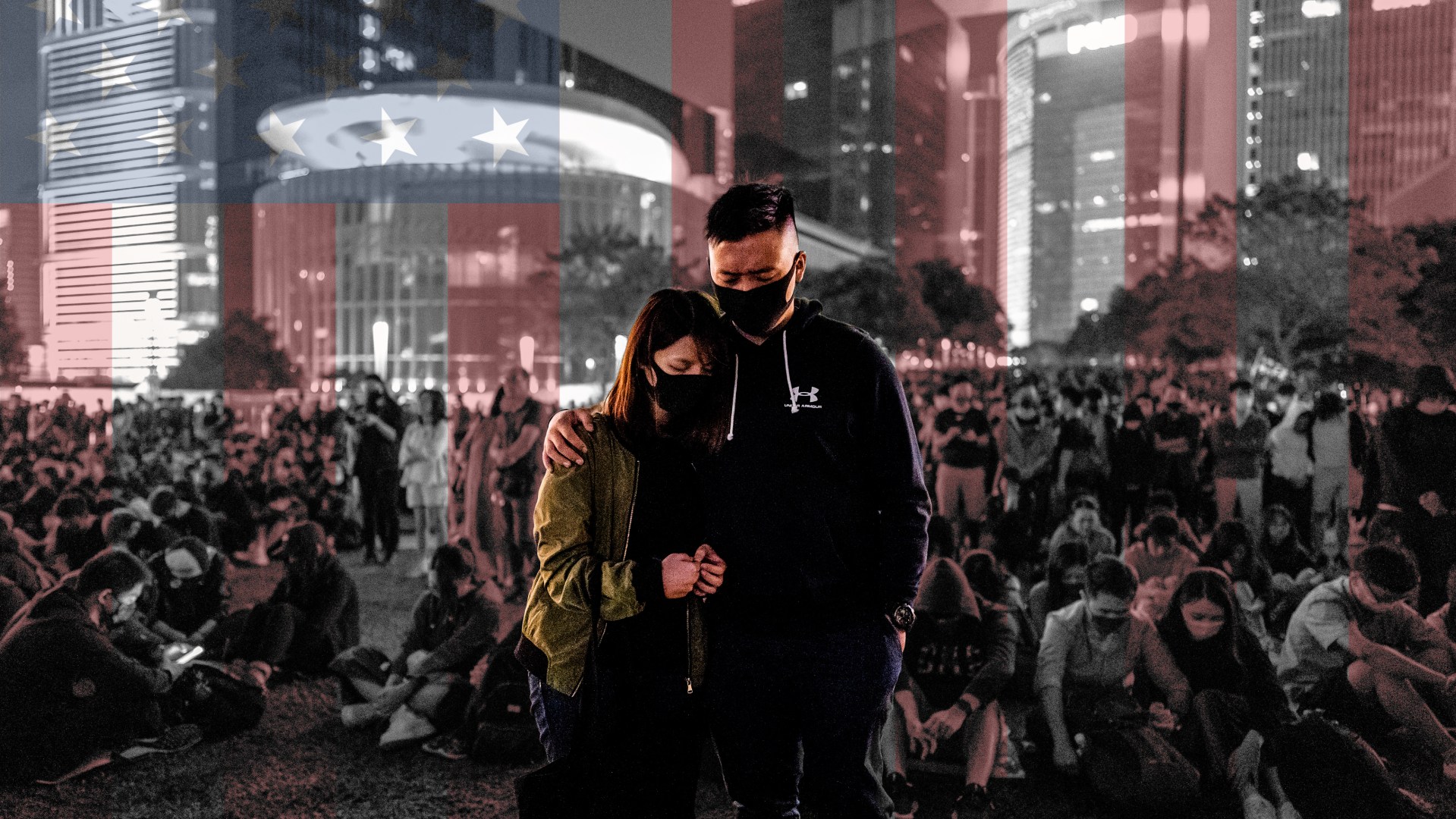
Anthony Kwan / Stringer / Edits by Rick Szuecs

China will suffer “repercussions” for its human rights abuses, President Biden warned at a CNN town hall event last month. But beyond pledging public rebukes, he said little on what repercussions he means.

Biden’s reticence might be nothing more than the difficulty of “talk[ing] China policy in 10 minutes on television,” as he joked at the town hall. Or it might be the fact that the United States has very few realistic options here. Yet there is one option Biden can and should pursue immediately: welcoming the Uighurs, Hong Kongers, and others fleeing Beijing’s oppression to America as asylum seekers and refugees.

The president has undoubtedly considered this option. In a statement for World Refugee Day last summer, he promised to “work with our allies and partners to stand against China’s assault on Hong Kong’s freedoms and mass detention and repression of Uighurs and other ethnic minorities and support a pathway for those persecuted to find safe haven in the United States and other nations.” That sounds like openness to imitating the United Kingdom’s citizenship program for select Hong Kongers, which is expected to bring about 300,000 people from the former British colony to the UK in the next five years. Yet in the CNN town hall, Biden explicitly delineated the China conversation from an immediately preceding discussion of refugee admissions. He’d spoken with Chinese President Xi Jinping about the Uighurs, Biden said, which is “not so much [about] refugee[s].”

But it could be, and Christians should hope Biden will select safe haven as a unique tool for responding to Beijing’s abuses. It’s a wise choice in terms of practical politics and scriptural principles alike.

The political reality is this: It is easy to speak of “repercussions” for China’s general authoritarianism, its crackdowns in Hong Kong, and its genocidal treatment of the Uighur people, reportedly including forced abortions, rape, brainwashing, concentration camps, and more. It is far harder to devise US-imposed repercussions that meet three vital criteria: (1) not harming innocents; (2) not generating unacceptable risk of great power conflict extending, in the improbable but not impossible worst-case scenario, to nuclear war; and (3) actually changing the Chinese government’s behavior.

Offering refuge to people fleeing Beijing’s brutality is quite different. It’s a repercussion without confrontation.

Consider the usual options. Diplomatic pressure and the rebukes Biden mentioned are good, but they’ll probably change fairly little. That’s not because diplomacy is ineffective but because in Beijing’s perspective, authoritarianism is a core national interest. Sanctions usually meet criteria 2, but they often do great harm to civilians who can’t affect their government’s actions. Moreover, sanctions’ record of changing targets’ behavior is stunningly poor. (One significant study of 85 sanctions on regimes found just four successes and concluded they are “not likely to achieve major foreign policy goals.”) Escalate economic punishment enough or threaten military repercussions, and we’d court catastrophic war between the world’s two most powerful militaries. War would neither reduce suffering nor tone down Beijing.

Offering refuge to people fleeing Beijing’s brutality is quite different. It’s a repercussion without confrontation. It doesn’t harm innocents or threaten war. If the outflow of citizens were great enough, especially from Hong Kong’s finance community, it might eventually induce Beijing to reduce its subjects’ impetus to flee. The US almost certainly can’t coerce China’s domestic policy. But we can give Hong Kongers, Uighurs, and other victims of the Chinese government a haven here if they want it. (We may even be able to do it with comparative political ease. A bill for a small-scale version of this idea nearly passed last year with broad bipartisan support.)

There is a wealth of scriptural support for welcoming the oppressed and persecuted to come make a new life for themselves in peace, security, and freedom. Giving sanctuary to Uighurs and Hong Kongers is a way to “love those who are foreigners” (Deut. 10:19), invite in the stranger and care for the “least of these” (Matt. 25:35, 40), “look after orphans and widows in their distress” (James 1:27), and love our neighbors as ourselves. (If Washington governed like Beijing, we too might want someplace to run!)

For regular CT readers, these biblical arguments will be familiar. But there’s another scriptural congruity I see that comes less from commands of hospitality and more from our general call as Christians to follow Jesus in self-sacrificial love (Eph. 5:1–2).

There are good reasons to think welcoming Chinese refugees would benefit the United States, including economic ones. Yet settling refugees can be difficult and costly. It might seem like this proposal requires us to deal with something that’s “not our problem.” But to the extent it gives us an opportunity to imitate Christ by putting others’ interests ahead of our own, in making their problems ours (Phil. 2:3–4), we can exude the very characteristic of Christlike love. As we read in 1 John 3:16, “Jesus Christ laid down his life for us. And we ought to lay down our lives for our brothers and sisters.”

Then there’s the Good Samaritan. Our focus when reading this parable (Luke 10:30–37) tends toward crossing lines of national animosity, but the Samaritan also helped with a problem he’d neither caused nor suffered and couldn’t, in a larger sense, hope to solve. He had no way to make the dangerous road from Jerusalem to Jericho a safer place. He couldn’t ensure no one would be robbed and beaten there again. He did have a way to help the injured man he encountered, though, and he did so at cost to himself.

We can do the same here. There is no clear path to ending the Chinese government’s abuses, certainly not at US behest. But Washington can open US doors to Hong Kongers, Uighurs, and other persecuted people in China, and the American church can stand ready to welcome and serve them when they come.

Bonnie Kristian is a columnist at Christianity Today.

Church Life

Why It Feels So Disappointing to Sing to the Lord a Remote Song

Lessons from a year without corporate worship.

Christianity Today March 5, 2021

One year ago, my husband and I were still learning how to get out the door on Sunday morning for church with a two-year-old and a five-month-old during the coldest weeks of the Iowa winter. Now, like so many others, we enjoy slower Sunday mornings “attending” church over Zoom, usually sitting on the couch or floor with our restless toddlers.

I sometimes enjoy the conveniences of our new Sunday morning routine, but there are pangs of sadness every week when my daughter hears music, turns to the screen, and almost immediately loses interest. I recall how engaged she was in the sounds, sights, and vibrations of congregational worship during the “before times.” I recall how much more engaged I was, too.

“Worship isn’t about you” is a cliché that sums up the idea that we sing as an act of worship and sacrifice for God alone. I’ve seen this sentiment newly animated over the past year as worship leaders seek to help their congregations learn to worship as part of a body that they can’t hear or see.

Brooke Ligertwood writes in a blog post for Hillsong, “Who is worship for? Spoiler alert: worship is not for people. It’s for the Lord.” Similarly, Justin Rizzo of International House of Prayer tells worship leaders, “God alone will be present at your worship times. You will have no choice but to actually minister before an audience of one . That one alone is worthy of your worship. Worship has always been about Him.”

It’s understandable that worship leaders would encourage us to focus on God over gathering at a time when we cannot be together. The emphasis on a personal form of worship—one on one with God—is in some ways beneficial for those who continue to attend remote services.

It is certainly not a new way of thinking about music for Christians. Augustine wrote about the personal faith-building and emotional experience of singing hymns and psalms. Luther praised the power of music to deepen theological understanding. There is a rich history in the church of using music to deepen individual faith.

Instructing a congregation to focus your personal devotion to your “audience of one” isn’t wrong . Doing so at this unique moment, though, can minimize the loss many of us are feeling. It’s now—when many churches have moved services online or cut back on in-person singing—that we can see how much worshiping together has meant for our shared faith.

Worship is about us too

Yes, musical worship is first a spiritual practice. Christians believe that corporate worship matters to God and that raised voices should not glorify anyone but him. However, to say that musical worship is not for people, to my musicologist’s sensibilities, overlooks the reality that congregational worship does benefit people, and it should. Acknowledging this may help us understand why, at times like this, worship without the congregation feels empty, dry, or forced.

Many Christians understand corporate worship partly as an imperative, something we practice out of obedience to Scripture. But there are also practical, social benefits to being together as a community around music.

“I’ve learned so much about embodied worship,” said Hannah Busse, director of worship arts at Blackhawk Church in Madison, Wisconsin. Corporate singing “activates our brains differently than just speaking something or hearing something spoken to us … it has a unique function in our spiritual formation.”

Monique Ingalls, associate professor at Baylor University’s Center for Music Studies, notes that corporate worship is a central part of religious gathering in most Christian traditions “because participatory music-making powerfully imparts a sense of community” and helps foster social bonds.

Anyone who has led worship—and many of us who have experienced it and find ourselves longing for it during COVID times—know just what she’s talking about.

Socrates Perez, worship pastor at Saddleback Church, puts it this way: “When we’re singing these songs and these truths … it’s always an encouragement to me as a believer to hear my brother in Christ or my sister in Christ next to me declaring [those truths] at the top of their lungs.”

Congregational singing is immersive. Ethnomusicologist Nathan Myrick suggests that it represents a uniquely meaningful part of church gatherings because it engages three distinct realms of experience: the physical, the emotional, and the relational.

Corporate worship involves physical closeness and participation, whether through singing or some other movement. It often evokes emotion, whether in response to a lyric, series of sounds, memory, or association. It forms and reinforces relationships within the congregation and between leaders and the congregants. This relational dimension extends to our understanding of corporate singing as an act of communication with God.

Permission to be dissatisfied

The struggling worshiper at home may feel like something is spiritually or emotionally wrong when their hearts aren’t stirred by Zoom singalongs. Leaders are right to point out that our worship is no less valuable to God when we can’t gather as a congregation, but they can also give congregants permission to accept dissatisfaction with musical worship over a screen.

“We don’t fault anyone for that longing … we affirm that longing,” said John Cassetto, global worship director at Saddleback. “Next weekend is our 52nd week online … there’s a grief in that.”

Why does it matter so much that we acknowledge what we’ve lost? It doesn’t just feel different, it is different. No one should feel pressure to re-create the emotional and spiritual experience of corporate worship through an internal focus on the “audience of one.”

Freeing ourselves of unrealistic expectations may lead us to new worship practices and experiences that are wholly separate, even therapeutic, and unique to this difficult moment. Cassetto refers to these as “new streams in the desert” for worshipers and leaders, creative new ways to use music to facilitate worship.

It’s likely that many have discovered a new appreciation for meditative listening. Singing with the TV screen feels awkward, so I would expect that many of us have found solace and connection with God through listening, praying, and reflecting. If you feel free to enjoy that kind of musical worship without the guilt that comes with wondering if you should be singing, that could be your stream in this desert.

Holy days without hymns

Truthfully, I haven’t found many musical streams in this desert. It has been a year since I sang in a room filled with people who share my faith. Throughout that year, even though I was free to listen or sing with fellow worshipers online, I felt that I missed out on the contemplative hymns of Good Friday, the celebratory anthems of Easter, and (most difficult for me) the carols of the Advent season.

It was almost as if these holy days didn’t happen. If I didn’t sing “Silent Night” holding a candle on Christmas Eve and share cookies and hot cocoa in the atrium afterward, did I really observe Christmas? Of course, the answer is yes. My family did celebrate the important markers of the liturgical calendar. I don’t believe that our observances were less “real” or spiritual or sincere. They were more difficult. The did require more faith. They did, at times, feel more like a sacrifice of time and effort.

In the end, the losses we have experienced are our losses. Perhaps it’s worth reminding ourselves that this pandemic and its restrictions have not robbed God of the worship he is due. When we stop singing and making music together, we don’t lose the presence of God with us or our ability to worship in spirit and in truth. We lose the presence of each other.

I have never been more aware that my worship serves my community, and the worship of my community serves me. It’s one way that we strengthen our faith and move toward unity. In his sermon, “A Knock at Midnight,” Martin Luther King Jr. wrote of corporate worship, “Worship at its best is a social experience in which people from all levels of life come together to affirm their oneness and unity under God.”

For a year now, most of us have not been able to participate in worship “at its best.” We mourn that loss and look forward to hearing the voices of our neighbors around us again.

Kelsey Kramer McGinnis is a musicologist, educator, and writer. She holds a PhD from the University of Iowa and researches music in Christian communities and music as propaganda.

Culture

‘The Mandalorian’ Can Teach Us How to Navigate Crises of Faith

The Golden Globe nominee shows us what happens when “the Way” really isn’t.

Christianity Today March 4, 2021
© Disney, All Rights Reserved

The galaxy can be a complicated place.

Din Djarin, the title character of the Disney+ show The Mandalorian, learns this quickly. Played by Pedro Pascal, the stoic gunslinger has led Star Wars fans into unexplored corners of the much-loved franchise and become the world’s favorite foster dad.

As Din travels to various planets tracking down the mysterious alien child Grogu (better known as Baby Yoda) and eventually seeking a good home for him, he meets people whose beliefs severely challenge his own. Din’s soul-searching becomes the heart of the show, and his willingness to question his worldview makes a good example for us as well.

Trained as a bounty hunter by a secretive religious community of Mandalorians on a backwater planet, Din thinks he knows everything about his culture and his personal convictions. His people even have a mantra to remind them to hold fast to their beliefs: “This is the Way.”

But what, exactly, is the Way? Is it protecting the Mandalorians’ covert on the planet Nevarro at all costs? Is it keeping his face hidden from even his own people? Is it caring for foundlings, orphans who are rescued and reared to preserve Mandalorian culture? What if fulfilling one of these tenets jeopardizes another? Worse, what if some of them aren’t essential for a Mandalorian to follow?

Suddenly, Din feels pretty relatable. As Christians, we may be confident in our convictions until a leader we admire is exposed as not the role model we knew them to be. Or until we meet people who challenge our private stereotypes. Or until a community we belong to starts expressing values we don’t hold. We find ourselves feeling pulled in two directions, torn between beliefs that no longer agree or reconsidering our loyalties.

The name for this tumultuous feeling is cognitive dissonance. Psychologist Leon Festinger coined it in 1957 after observing firsthand a group of people have their greatest anticipation fail to materialize—he infiltrated a doomsday cult. Its leader said she had received messages from a higher being that a giant flood would destroy North America, and she convinced some people to come to her house to be picked up by a spaceship.

When the foretold day passed, the most ardent believers didn’t admit they were wrong. Instead, they believed that their devotion had prevented the disaster. Their conviction became stronger than ever.

Festinger replicated these types of responses in research, and he identified the ways we go about trying to reduce the dissonance. We can discard one of the conflicting beliefs, add new beliefs that tip the scale one way or the other, or tell ourselves that a certain belief is more or less important than its opposing cognition. We may even know we’re siding with a deception but do it anyway.

For example, former pastor Joshua Pease told CT that he sees cognitive dissonance at work when churchgoers learn about abuse that takes place in a church setting.

“Church members can’t reconcile their identity—my church is a good place with good people—with reality,” he said. “Far too often this leads to minimization (‘What happened wasn’t THAT big a deal’), victim blaming (‘Well, if you had done _____, maybe it wouldn't have happened’), and denial (‘I know that person; they would never do that’).” Younger Christians especially may simply leave the church if no one confronts an issue of abuse seriously.

Din’s instinct in situations loaded with cognitive dissonance is to cling to his original beliefs. But he later learns nuanced ways to reduce his internal conflict.

Sometimes his mental wrestling helps him cling to a cognition he already holds: When he suspects the Empire wants to harm Grogu, he reneges on his bounty hunting contract with them and rescues Grogu instead, risking his life, the secrecy of his covert, and his status in the bounty hunters’ guild.

Other times, Din warms up to the idea that he’s wrong. His parents were killed by battle droids when he was a boy, and now he wants nothing to do with droids, even bumbling repair models. But a reprogrammed bounty hunter droid rescues Grogu from stormtroopers and then sacrifices itself to save Din and his allies. On the next visit to the repair shop, he lets the droids work on his ship.

And then he faces the big one: Mandalorians must never remove their helmets. If one did, “You can’t ever put it back on again,” Din explains. His days as a Mandalorian would be over.

At least, so he thinks. In an early episode of season 2, he and Grogu are saved by freedom fighter Bo-Katan Kryze and her Mandalorian entourage. They promptly take off their helmets. Din doesn’t react well, initially. He demands to know how they stole their armor and insists, “You are not Mandalorian.” Bo-Katan—who is actually heiress to the Mandalorian throne—realizes that Din belongs to an extremist sect of Mandalorians, the Children of the Watch.

How does a person proceed after a revelation like that? As Christians, we affirm that each of us is flawed and sinful, knowing what’s good for us while resisting change (Rom. 7:15–25) and eager to point out others’ flaws before examining our own (Matt. 7:3). But admitting we’re wrong hurts, and research has shown that refusing to admit it can actually feel pretty good.

One way is to surround ourselves with friends with different perspectives. The droid that saved Grogu was reprogrammed by Din’s friend Kuiil, who insisted that it accompany Din and Grogu to a showdown with the Empire. Din relents because he trusts Kuiil, not because he’s changed his mind about droids.

This approach has been valuable in my own life. I’ve had professors I trust suggest new approaches to doctrine and politics that I would’ve rejected from a stranger. I can see humanity in controversial issues by spending time with people impacted by those issues. “As iron sharpens iron,” so these people have refined my beliefs (Prov. 27:17).

Another important habit is to examine our priorities and be conscious of which cognitions are essential, and which are not. Din Djarin may not have realized at first that he was doing this, but every risk he takes for Grogu points to it.

In the penultimate episode of season 2, Din is trying to locate the Imperial ship Grogu is on to stage a rescue. He’s undercover on an Imperial base—having traded his armor for trooper gear and helmet, already a small concession to his rule—and his computer terminal’s security system wants a facial scan. People are watching. This is his only chance.

He takes off the helmet.

It’s uncomfortable to watch, and even worse when an officer comes over to check on him. Din’s so nervous he can’t even think to talk himself out of the situation. But he got the coordinates he needed.

After he rescues Grogu and is about to entrust the child to a Jedi for training, he takes it off again to say goodbye. This time, he’s under no pressure. Tears form as Grogu gets to touch his face and look into his eyes.

The dissonance isn’t completely gone for Din. He still has to figure out what his Mandalorian creed will be in light of Bo-Katan’s revelation. But when he took his helmet off, he let one belief outweigh others: Be the family to the foundling in your care.

When our worldview is shaken by painful realities, we can find the way in the midst of cognitive dissonance by setting our priorities straight. Christ’s death and resurrection are “of first importance” (15:3); love is “the most excellent way” (1 Cor. 12:31); the Word of God is more trustworthy than human leaders (1 Thess. 2:13). These may not resolve the dissonance—they may make it worse—but prioritizing them will not lead us astray.

We’re called to the renewing of our minds (Rom. 12:1). Sometimes that won’t be comfortable. Jesus told his fellow Jews that they misinterpreted their own Law—six times in one sermon (Matt. 5). Where they rationalized, he refocused them on love. When we encounter a similarly jarring revision of what we think we know, it’s okay to dwell in that cognitive dissonance. We can take a cue from Din Djarin and pursue truth, following Christ, who is our Way.

Alexandra Mellen is copy editor at Christianity Today.

Theology

Lent Lifts Us Up Where We Belong

These 40 days of self-denial might seem painful during a pandemic. But the habits of “tedious love” are just what we need right now.

Christianity Today March 3, 2021
Illustration by Rick Szuecs / Source images: Samson Katt / Errin Casano / Pexels / Envato

After the world shuttered last March, I turned to my kitchen. I made cinnamon rolls and blueberry muffins. I fried doughnuts and braided Finnish coffee bread. For many, bread-baking was our collective, cloistered privilege. We had time to watch something rise.

But those days, dusted in flour, now seem remote. Hundreds of thousands have since died. Businesses have closed, never to reopen. Many children have never returned to school. Many churches, including my own, have never re-opened for corporate worship. Our pandemic year, while experienced differently, has whittled all of us down and apprenticed us in losses of many forms.

It begs the question: How can we rouse the will to practice Lent—its deprivations, its renunciations—after a long Lenten year?

On the surface, these 40 days of self-denial might seem like the very last thing we need. And yet I would argue the opposite. Our pandemic lives have brought us face to face with the same temptation that plagued the monks centuries ago—the sin of acedia. It’s the inability to “rouse yourself to give a damn” as Kathleen Norris writes in Acedia & Me. In that context, the structure of Lent offers us not a millstone but a lifeline. It provides a way out of the dark waters of acedia.

During the fourth century, Evagrius of Pontus identified the first formal list of eight deadly vices that were common to the desert hermetic. Among that list of recognizable sins—gluttony, lust, greed, pride—Evagrius also included sadness and sloth, which centuries later came to be understood together as acedia.

Rebecca DeYoung explains in Glittering Vices that acedia is not laziness as we might traditionally conceive of it. It comes in twin forms. It’s the restless spirit that calls the monk away from his cell and the work of prayer and study. It’s also the indolent spirit, which produces spiritual and vocational listlessness.

Acedia can be an act of motion, or it can be an act of inertia, but in DeYoung’s formulation, it is always “resistance to the demands of love.” In other words, its sloth is less a failure of work and more a failure of love.

In one form, the monk will want to flee his cell. He’ll invent good reasons for evading his work. Surely there is a widow to visit, a deathbed to attend! In another form, acedia produces languor—an unwillingness to engage the work God has given the monk to do. Acedia’s only cure, writes Evagrius, is to stay put and keep at it. In Norris’s words, “endurance cures listlessness.”

Acedia provides a helpful lens for seeing our pandemic year. The enforced restrictions on movement have mortified the kind of acedia we might previously have indulged. It used to be that when life got boring (and we got bored with ourselves), we planned vacations, went out to dinner, and busied ourselves with errands and children’s activities, even church events—anything to keep us from the dangerous quiet where God might speak. We fled the cell and its call to caretake the turbulence within.

But while the pandemic has curtailed our ability to “flee the scene,” so to speak, it has magnified the very conditions of acedia’s other form—inertia and sloth. There are simply so many things we can no longer be bothered to do. After months of carrying life in its most tedious and banal forms, we feel exhausted. I know people who are giving up on church, giving up on marriages, or giving up on faith because it all feels like a lot of work and very little fun. “I have this intense craving for something new,” a friend recently said to me.

So what’s the cure for acedia?

During this past year, most of us have involuntarily renounced cherished forms of life together and likely experienced little sense of spiritual progress. Must we keep at this self-denying work? The answer is “yes.” As Benedict of Nursia writes, the Christian life is a “continuous Lent.” It is our daily business “to hate the urgings of self-will.”

As I think of my own struggle with acedia in this pandemic year, it seems there is yet more sin to mortify, even the sin of feeling entitled to something more than banality. I have even more reasons to turn to God for these 40 days and recommit myself to confession and repentance.

Perhaps most importantly, Lent reminds me not simply to turn inward but to turn toward Christ. This Christ-ward gaze is the thrust of the book of Hebrews, addressed to Christians suffering not from a pandemic but from the trials of persecution, imprisonment, the loss of property, and much more.

Look to Christ, the writer of Hebrews pleads, who ran his own race with endurance (Heb. 12:1–2). Look to Christ, your brother and faithful high priest, who readies himself to help (2:14–17). Look to Christ, Son of God, who “learned obedience through what he suffered” (5:8, ESV).

“Therefore do not throw away your confidence which has a great reward. For you have need of endurance, so that when you have done the will of God you may receive what is promised” (Heb. 10:35–36, ESV).

If endurance is the cure for acedia, we must ask Christ to give it to us. Why? Because most of us are good at evading the work that grace makes possible, whether or not we’re confined at home. Wherever we find ourselves, we want life at its most cosmic and extraordinary—not the dishes, not the homework, not the next small group Zoom meeting. We are frequently tempted to think, “Maybe it isn’t worth the work ,writes J. L. Aijian. “Acedia hurls thoughts like these at its victims in a strategic effort to get them to stop pursuing their spiritual vocations.”

By contrast, Lent and its habits ask us simply to stay put—and keep keeping on with the everyday tedium of love.

Jen Pollock Michel is the author of Teach Us to Want, Keeping Place, Surprised by Paradox, and most recently A Habit Called Faith. She lives with her husband and their five children in Toronto.

News

Tanzania’s President Focused on Prayer as Coronavirus Cases Climbed

East African nation has no plans in place to accept COVID-19 vaccines.

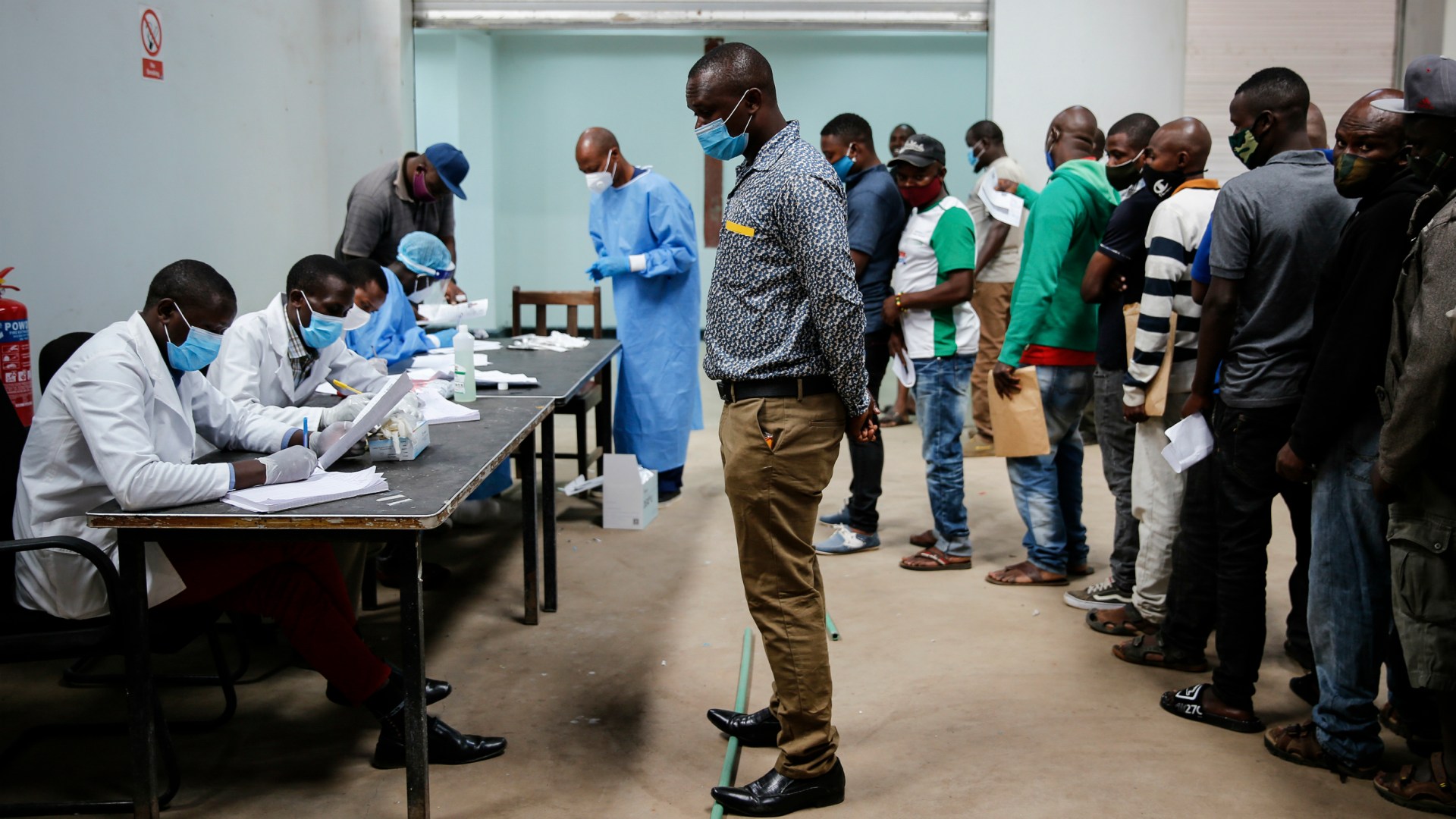
Truck drivers get screened for COVID-19 at Tanzania's border with Kenya.

Truck drivers get screened for COVID-19 at Tanzania's border with Kenya.

Christianity Today March 3, 2021
Associated Press

Tanzania’s leader is finally acknowledging that his country has a coronavirus problem after claiming for months that the disease had been defeated by prayer.

Populist President John Magufuli on February 21 urged citizens of the East African country to take precautions and even wear face masks—but only locally made ones. Over the course of the pandemic he has expressed wariness about foreign-made goods, including COVID-19 vaccines.

Last month, the president called on his 60 million citizens for three days of prayer to defeat unnamed “respiratory diseases” amid warnings that the country is seeing a deadly resurgence in infections.

“Maybe we have wronged God somewhere,” Magufuli told mourners at a funeral for his chief secretary, John Kijazi, on February 19. “Let us all repent.”

Though officials in late February announced public health rules similar to other nation’s COVID-19 measures, Magufuli has repeatedly claimed that Tanzania defeated COVID-19 with God’s help. The government has not updated its official number of coronavirus cases since last spring, and the health ministry has promoted unproven herbal remedies.

But the local Catholic church, the US Embassy, and others have openly warned of a resurgence in cases. On February 20, the director general of the World Health Organization (WHO), Tedros Adhanom Ghebreyesus, added his voice to growing calls for Tanzania to acknowledge COVID-19 for the good of its citizens, neighboring countries, and the world, especially after a number of countries reported that visitors arriving from Tanzania tested positive for the virus.

And the death last month of the vice president of the semi-autonomous island region of Zanzibar, Seif Sharif Hamad, brought widespread attention after his opposition political party said he had COVID-19.

Hamad’s death is “a clear symbol this pandemic is raging,“ the director of the Africa Centers for Disease Control and Prevention, John Nkengasong, told reporters on February 18.

Speaking about the deaths of Hamad and Kijazi, Magufuli asked the country to remain calm.

“We managed to defeat these respiratory diseases through prayer last year. I am sure we will do so this year,” he said in the nationally televised event.

Earlier last month, Tanzania’s health ministry said it had no plans in place to accept COVID-19 vaccines, just days after Magufuli expressed doubt about the vaccines without offering evidence.

Health Minister Dorothy Gwajima told a press conference in the capital, Dodoma, on February 1 that “the ministry has no plans to receive vaccines for COVID-19.” Any vaccines must receive ministry approval. It is not clear when any vaccines might arrive, though Tanzania is eligible for the COVAX global effort aimed at delivering doses to low- and middle-income countries.

The health minister insisted Tanzania is safe. During a presentation in which she and others didn’t wear face masks, she encouraged the public to improve hygiene practices including the use of sanitizers but also steam inhalation—which has been dismissed by health experts elsewhere as a way to kill the coronavirus.

Chief government chemist Fidelice Mafumiko also suggested the use of herbal medicine to cure COVID-19, without offering evidence.

Tanzania’s government has been widely criticized for its approach to the pandemic. It has not updated its official number of coronavirus infections—509—since April.

Magufuli asserted in January that vaccines for it are “inappropriate” even as the first significant vaccine deliveries begin to arrive on the African continent.

But authorities in Tanzania, from the Catholic church to government institutions, are pushing back and telling the public and employees that COVID-19 exists in the country and precautions must be taken.

The US Centers for Disease Control and Prevention in a recent travel warning on Tanzania said the country’s level of COVID-19 is “very high.” It gave no details but urged against all travel to the East African nation.

Magufuli previously said God had eliminated COVID-19 in his country.

“Now we have corona. They said bodies will be lying on streets in Africa. But they did not know God loves Tanzania,” the president said at a teacher’s conference last June. “We prayed for three days and the coronavirus is finished.”

His own church begs to differ.

From the local Catholic authority warning in late January of a new wave of coronavirus infections, to government institutions now requiring staffers to take precautions, Magufuli is being openly questioned as the African continent fights a strong resurgence in cases and deaths.

“We are not an island,” the secretariat of the Tanzania Episcopal Conference said in a widely shared statement. It urged followers, which include the president, to pray but also to adopt measures long practiced in the rest of the world, including avoiding public gatherings and close personal contact. The church's newspaper on January 29 stressed in a large front-page headline: “There is corona.”

Tanzania has tried to be an island since April, when it stopped updating its number of virus infections. Some health officials who questioned Magufuli’s stance that COVID-19 had been defeated were fired. The government promoted international tourism, eager to avoid the economic pain of neighbors who imposed lockdowns and curfews.

The president even praised Chinese Foreign Minister Wang Yi for not wearing a face mask during a visit in January, calling it another sign that Tanzania was free of the virus.

But pandemic concerns have returned to the spotlight in Tanzania as the world focuses on the arrival of COVID-19 vaccines.

While other African countries seek millions of doses, Magufuli accused people who had been vaccinated overseas of bringing the virus back into Tanzania. He also questioned whether the vaccines work.

“If the white man was able to come up with vaccinations, then vaccinations for AIDS would have been brought, tuberculosis would be a thing of the past, vaccines for malaria and cancer would have been found,“ he said on January 27.

“Be firm,” he added. “Vaccines are inappropriate.” He urged the health ministry not to rush into vaccinations without being satisfied about their safety. He offered no evidence for his claims.

African health officials were already worried about misinformation campaigns around COVID-19 vaccines as the first doses begin arriving on the continent of 1.3 billion people. Magufuli’s stance contrasts sharply with other African heads of state like President Wavel Ramkalawan of the Seychelles, who publicly received his first vaccine shot in January and urged citizens to do the same.

Asked about Tanzania, Nkengasong told reporters on January 28 that “if we do not fight this as a collective on the continent, we will be doomed.“

The WHO’s Africa chief, Matshidiso Moeti, told reporters that “we are re-initiating communication at the highest level of leadership” in Tanzania and seeking the government’s collaboration “for the sake of the people of the country and neighboring countries, as well as for the sake of the world.”

She urged Tanzania to prepare for COVID-19 vaccines, and to share its virus data with the WHO.

Some Tanzanians, from longtime critics of the president to civil society leaders, have issued a new round of exasperated warnings against trying to ignore a global pandemic.

“Tanzanians have the right to vaccination against COVID,” opposition leader Zitto Kabwe tweeted after the president’s comments, saying a government that doesn’t protect its citizens lacks legitimacy. He and others had watched as people took few to no virus precautions during a deeply flawed election that returned Magufuli to power last year.

Others worry that Tanzania is hurting itself and its economy, warning of travel bans against its citizens, the loss of tourism revenue, and dangerous health implications for years.

“By denying the pandemic, Tanzania may well have put itself at the back of a very long waiting list” for vaccines, Aidan Eyakuze, who leads the Twaweza East Africa initiative promoting government transparency, wrote in January for The Citizen local newspaper.

Reporting by AP journalist Cara Anna in Nairobi, Kenya. Additional reporting by AP journalist Tom Odula in Nairobi.

News

Race and the Church

A discussion on identity, faith, and the pursuit of justice.

Christianity Today March 2, 2021

Last year, CT’s “Race Set Before Us” series helped challenge and inform Christians during a season of reckoning, lament, and heightened interest around issues of racial justice. Join moderator Vincent E. Bacote, along with guest speakers from the original series Walter Kim, Michelle Reyes, Jamal-Dominique Hopkins, and Sheila Caldwell as they discuss how we can pursue racial justice within our theology, churches, and society.

Our Speakers:

Vincent E. Bacote

Vincent E. Bacote, PhD, is associate professor of theology and director of the Center for Applied Christian Ethics at Wheaton College. A theology adviser for CT, his books include The Political Disciple: A Theology of Public Life and his latest, Reckoning with Race and Performing the Good News: In Search of a Better Evangelical Theology.

Want to learn more? Download our free resource with thought-provoking essays by CT writers of color exploring themes of racial identity, faith, and the future of evangelicalism.

Walter Kim

Walter Kim became the president of the National Association of Evangelicals in January 2020. He also serves pastor for leadership at Trinity Presbyterian Church in Charlottesville, Virginia, after ministering for 15 years at Boston’s historic Park Street Church. Kim received his PhD from Harvard University in Near Eastern languages and civilizations, his MDiv from Regent College in Vancouver, and his BA from Northwestern University. He regularly speaks at college campuses, churches, retreats, and symposia, particularly in the areas of biblical theology and cultural issues.

Jamal-Dominique Hopkins

Jamal-Dominique Hopkins is currently dean and associate professor of Religion and Theology at Dickerson-Green Theological Seminary at Allen University. He also is a Senior Fellow at the Seymour Institute for Black Church and Policy Studies and a Pedagogy Fellow at Yale University’s Center for Faith and Culture, where he is part of the Christ and Being Human project focused on revitalizing Christian higher education.

Hopkins can be followed at www.jamalhopkins.com and on Twitter and Instagram @phdhopkins.

Sheila Caldwell

Shelia Caldwell is the chief intercultural engagement officer for Wheaton College, a position she has held since 2018. She previously served as the advisor to the president on diversity, director for Complete College Georgia, and principal investigator for an Upward Bound grant at the University of North Georgia. She is a diversity and student success champion with nearly two decades of experience in higher education.

Caldwell earned a BS from Northern Illinois University, a MA from Argosy University, and a doctorate in education from the University of Georgia. She completed the Harvard Kennedy School Strategies for Building and Leading Diverse Organizations Executive Education program.

Michelle Reyes

Michelle Reyes, PhD, is the vice president of the Asian American Christian Collaborative and the co-executive director of Pax. She is also the scholar in residence at Hope Community Church, a minority-led multicultural church in East Austin, Texas, where her husband, Aaron, serves as lead pastor. Michelle’s work on faith and culture has been featured in Christianity Today, The Gospel Coalition, Missio Alliance, Faithfully Magazine and more. Her forthcoming book on cross-cultural relationships is called Becoming All Things: How Small Changes Lead to Lasting Connections Across Cultures (Zondervan, April 2021). Follow Michell on Twitter and Instagram.

News

Conservative United Methodists Plan Breakaway Denomination

The new Global Methodist Church will leave the UMC regardless of the General Conference decision, which has been delayed until 2022.

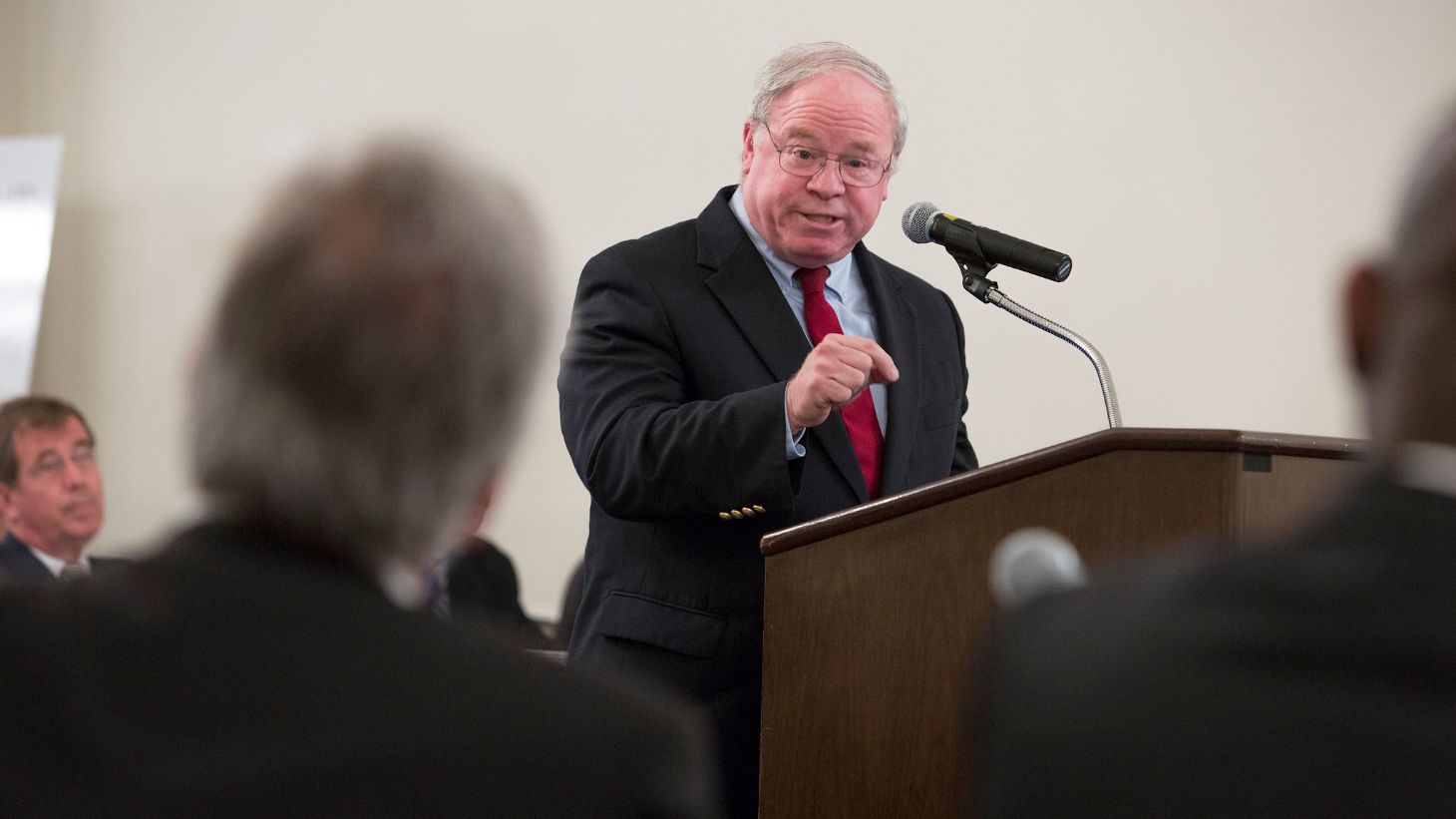
Rev. Keith Boyette, a Virginia pastor and attorney, is part of the council preparing to launch the Global Methodist Church.

Rev. Keith Boyette, a Virginia pastor and attorney, is part of the council preparing to launch the Global Methodist Church.

Christianity Today March 2, 2021
Kathleen Barry / United Methodist News Service (UMNS)

Conservative United Methodists have chosen a name for the denomination they plan to form if a proposal to split the United Methodist Church is successful: The Global Methodist Church.

The Global Methodist Church unveiled its new name, logo, and website on Monday, days after the United Methodist Church announced it was once again postponing the May 2020 meeting that was set to consider the proposal to split.

That puts the likely launch of the planned denomination at least a year and a half away.

“Over the past year the council members, and hundreds of people who have informed their work, have faithfully and thoughtfully arrived at this point,” the Rev. Keith Boyette, president of the Wesleyan Covenant Association and chair of the Transitional Leadership Council that is guiding the creation of the Global Methodist Church, said in a post on the WCA website.

“They are happy to share with others a wealth of information about a church they believe will be steeped in the lifegiving confessions of the Christian faith.”

The United Methodist Church’s General Conference, its global decision-making body, is now scheduled to meet August 29 to September 6, 2022, at the Minneapolis Convention Center in Minneapolis.

Delegates are expected to take up a proposal to split the denomination called the Protocol of Reconciliation and Grace Through Separation.

The proposal, negotiated by 16 United Methodist bishops and advocacy group leaders from across theological divides, would create a new conservative “traditionalist” Methodist denomination—that’s the Global Methodist Church—that would receive $25 million over the next four years. Individual churches and annual conferences could choose to join the new entity; otherwise, they’ll remain in the existing denomination by default.

Calls to split one of the largest denominations in the United States have grown since a 2019 special session of the General Conference approved the so-called Traditional Plan strengthening its bans on the ordination and marriage of LGBTQ United Methodists.

At the time of the 2019 special session, Boyette’s WCA made clear it planned to split from the United Methodist Church if delegates to the special session had not approved Traditional Plan.

On its website, the Global Methodist Church says it similarly would move forward with a split if delegates to the General Conference meeting in 2022 do not approve the proposed protocol — or if support for the protocol wanes in the intervening year and a half.

The website describes the planned denomination as a “new church rooted in Scripture and the historic and life giving teachings of the Christian faith” and emphasizes its desire to be a global church.

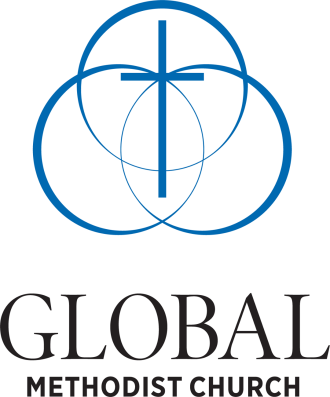
The logo for the new denomination was unveiled this week.

It also includes downloadable versions of a proposed Transitional Book of Doctrines and Discipline in multiple languages.

“True to our roots, we’re a patient and methodical people,” Boyette said on the WCA website.

“We want to do our very best to help theologically conservative local churches, laity, and pastors navigate the transitional period as smoothly as possible. And then we look forward to the Global Methodist Church’s convening General Conference where we hope the duly elected delegates will find what we have done to be helpful. It will be their great task and responsibility to discern God’s will and so help all its local churches and people live fully into the body of Christ.”

Already, one group of progressive United Methodists has announced it isn’t waiting for a vote to form its own denomination.

The Liberation Methodist Connexion launched last November with a virtual worship service and introductory presentation. The LMX—which doesn’t expect members to leave their current denominations or faiths to join—stresses action over doctrine and emphasizes the full inclusion of people of all gender expressions and sexual identities, races and ethnicities, mental and physical abilities, sizes and ages.

News

Bethany Christian Will Allow LGBT Parents to Foster and Adopt

The largest Christian adoption agency is now calling on “Christians with diverse beliefs” as it aims to serve more children under a new inclusion policy.

Christianity Today March 1, 2021
iStock / Getty Images

Bethany Christian Services, the largest Christian adoption agency in the United States, has changed a longstanding policy and will now place children with LGBT parents for foster care and adoption across its operations in 32 states.

The news was announced today in a ministry-wide email and first reported in The New York Times. President Chris Pulasky told employees that “Bethany remains steadfast in its Christian faith,” and that the new practices will allow the organization to further its mission “to provide safe, loving, and stable homes to as many vulnerable children as possible.”

The change comes two years after Bethany opted to allow LGBT placements in its home state of Michigan. Pulasky was “disappointed” with the outcome of a lawsuit there, but at the time said if Bethany didn’t comply with state requirements it would miss out on serving thousands of children in foster care.

As legal fights over religious convictions on family and LGBT rights have continued to make their way through the courts and Congress, Bethany Christian decided to incorporate the move toward LGBT inclusion across the organization.

“We will now offer services with the love and compassion of Jesus to the many types of families who exist in our world today,” Palusky said. “We’re taking an all hands on deck’ approach where all are welcome.”

Robin Fretwell Wilson, a legal expert and an adoptee, applauded the move as an example of a Christian organization finding a way forward in the culture wars.

“I was pleased to see them talk about this as ‘all hands on deck’,” said Wilson, who directs University of Illinois’s Institute of Government and Public Affairs and is known for her role in advocating for Fairness for All legislation to safeguard religious liberty. “We need Bethany—and all the Bethanys of this world—to continue their work … They have recentered on their mission, on helping children, and they found in their theology a way to do it.”

The decision came as a disappointment, though, to some religious liberty advocates who wish to see greater legal accommodations for ministries to operate based on their convictions.

“The need is great for distinctively Christian adoption and foster care services, including that children need both mothers and fathers. Moreover, this move will harm already existing efforts to enable faith-based orphan care ministries to serve the vulnerable without capitulating on core Christian convictions,” said Russell Moore, president of the Ethics and Religious Liberty Commission and author of Adopted for Life: The Priority of Adoption for Christian Families and Churches.

“The better way to serve is to hold the line when Caesar wants to be Messiah too. The state has no right to serve as lord over the conscience. Nonetheless, many evangelical orphan care ministries are working, and will continue to work, for vulnerable children in need of families, while still holding to the faith.”

The Supreme Court is currently weighing a case involving a Catholic foster care agency in Philadelphia that had its contract with the city terminated because it wouldn’t work with LGBT couples. Since Bethany began accepting LGBT placements, it has become an option for Catholic Charities in Philadelphia to refer couples to if necessary.

“This illustrates what Catholic Social Services has said from the beginning: that there are many options available for LGBTQ families, and there is no need to take options away from children and families by shutting down agencies with different religious beliefs,” said Lori Windham, senior counsel at religious liberty nonprofit Becket Fund.

Bethany no longer includes in its position statement a line about upholding God’s design for marriage as between one man and one woman, but it doesn’t come out and affirm same-sex marriage either.

“Faith in Jesus is at the core of our mission. But we are not claiming a position on the various doctrinal issues about which Christians of mutual good faith may disagree,” said Nate Bult, Bethany’s vice president.

The organization continues to have staff sign a statment of faith based on the popular evangelical Lausanne Covenant, according to Bult, but has not required employees to adhere to a code of conduct or other restrictions around sexuality.

The move toward LGBT inclusion was endorsed by three former executive directors of the 75-year-old Christian organization.

Barna Group research found that three-quarters of self-identified Christians agree that Christian agencies should comply with LGBT requirements from the government rather than shutting down.

“At Bethany, we believe the Bible is the living Word of God, and we still believe in God’s plan for marriage and family as it is outlined in the Scriptures,” Palusky wrote for CT in 2019. “At the same time, it is clear to us that Bethany cannot cede the foster care space completely to the secular world and leave children without the opportunity to experience Jesus through our loving care.”

Bethany names spreading the love of Jesus as its primary motivation and holds regular prayer gatherings for staff. (During the pandemic, employees from across the US and six countries have been able to worship together online.)

“We acknowledge that discussions about doctrine are important, but our sole job is to determine if a family can provide a safe, stable environment for children,” Bult said. “Unlike many other child and family welfare organizations, Bethany is committed to partnering with churches to find as many families for vulnerable children as possible, and we seek to place children with families that share our mission.”

Protestant and Catholic organizations, motivated by their faith’s teachings on caring for children and orphans, play a significant role in state-run foster care systems and have increasingly found themselves in conflict with anti-discrimination regulations over the past few years. The future of Christian-run adoption and foster agencies is also a core concern in the debate around the proposed Equality Act.

In Texas, major Christian foster care providers such as Buckner International lobbied for a law passed in 2017 granting agencies the right to use faith-based requirements in placements, and in South Carolina, Miracle Hill Ministries was given a waiver in 2019 to refer non-Protestant applicants to other organizations.

Approaches to adoption and foster care among Christians are also changing, with family unification and domestic adoption now bigger priorities. A year ago, Bethany also announced its plans to phase out international adoptions.

Ideas

Why Christians Who Speak Jesus’ Language Can’t Agree on Their Name

It took Aramaic speakers 1,500 years to agree on Christology, now their main debate is over Assyrian identity. Could Pope Francis’ visit to Iraq encourage unity?

Christianity Today March 1, 2021
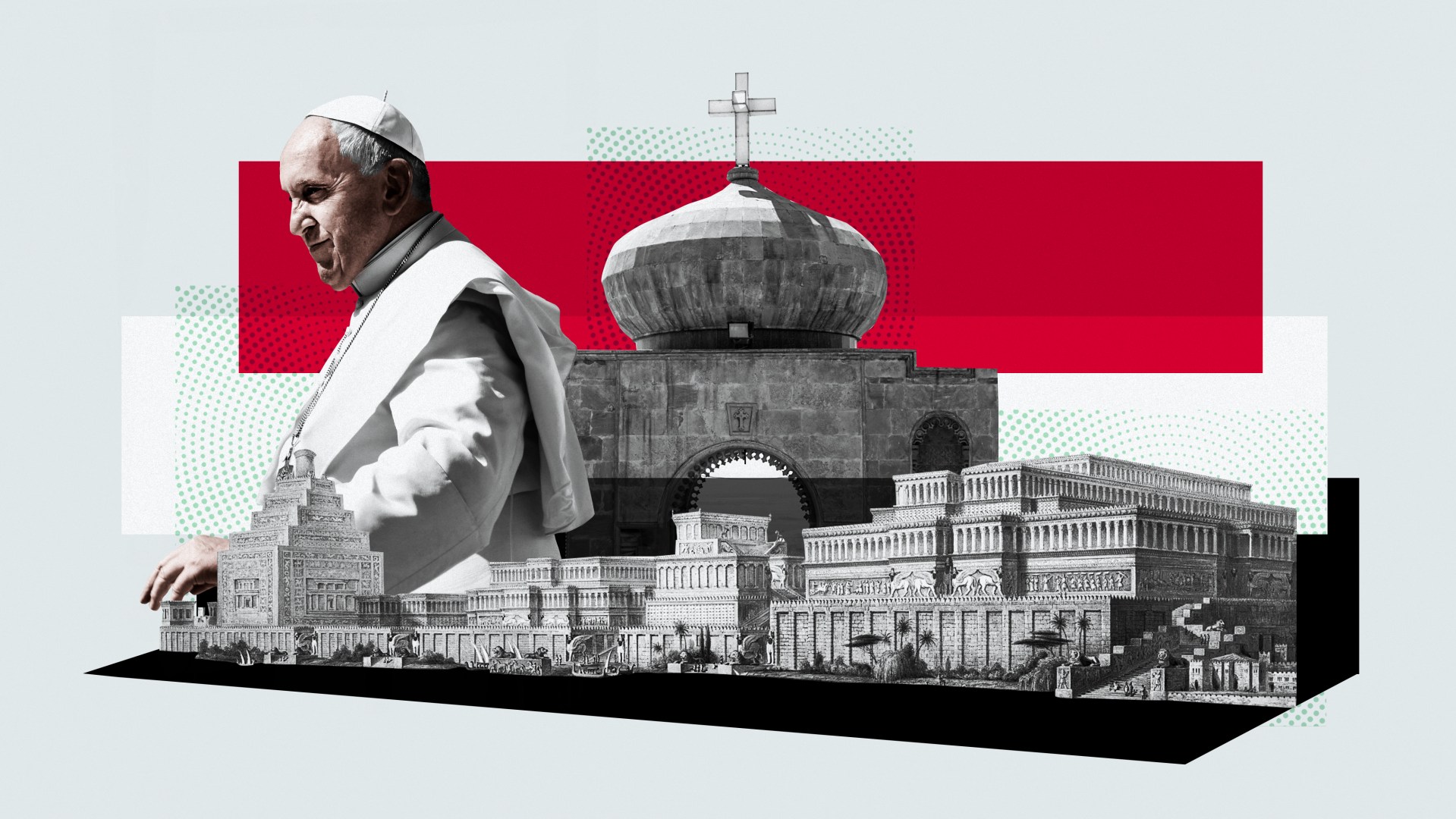
Illustration by Rick Szuecs / Source images: Annett Klingner / Pixabay / Wikimedia Commons

Pope Francis’ upcoming visit to Iraq in March is bound to attract attention to the nation’s peculiar Christian minorities. These fascinating groups have a uniquely Middle Eastern history that is far too little known and appreciated in the West, even though they are now present in sizable diaspora communities in North America, Europe, and Australia.

When over 20,000 Iraqi asylum seekers came to my home country, Finland, in 2015, I realized that as a half-Iraqi theologian it was finally time for me to find out about my roots. I knew they went deep and had something to do with Arameans, Assyrians, Chaldeans, and Syriacs—but who was who, and what was the difference?

Welcome to the heated debate over the identity of the Christians who still speak the language of Jesus.

Assyrian continuity and churches

Who are the Assyrians? There is no country called Assyria on today’s map, but from Old Testament history we remember the Assyrian Empire. Its capital city, Nineveh, was destroyed in 612 B.C., and its ruins lie in modern-day Mosul, in northern Iraq.

Could it really be the case that Assyrians have existed since then and converted to Christianity?

Indeed, average Assyrian Christians see themselves as belonging to the people that once ruled one of the greatest empires of the Middle East, which repented at the preaching of Jonah. According to this narrative, the Assyrians survived under the Babylonians, Persians, and Greeks, as well as in small kingdoms of their own like Osrhoene in northern Mesopotamia.

According to tradition, Osrhoene’s king, Abgar V, exchanged letters with Jesus and converted to the new faith following a later visit from one of the 70 disciples. Assyrians therefore consider themselves to be the first Gentile Christian nation.

In the following centuries, Assyrian Christianity developed independently of Rome, with a profoundly biblical and poetic form of theology. But there was contact with the West, and the Nicene Creed was accepted.

Further Christological developments divided the Assyrians, however, as did geographic realities. East Assyrians of Persia (in modern-day Iraq) were labeled Nestorians for rejecting the “mother of God” moniker for Mary. This name held until the 19th century, as did the Jacobite name for the Monophysite West Assyrians from Byzantine Syria. They got the label in reference to their relentless underground organizer, bishop Jacob Baradaeus (d. A.D. 578).

Today, these traditions are represented by the Assyrian Church of the East and the Syrian Orthodox Church, respectively. But both churches also have their Uniate branches, formed when certain patriarchs united with Rome in the 18th and 19th centuries to create the Chaldean Catholic Church and the Syrian Catholic Church.

The old Christological disagreements, however, were settled with joint declarations in the 1980s and 1990s, following important ecumenical meetings organized by the Pro Oriente Foundation in Vienna, Austria. After 1,500 years of separation, all parties could see that the others, too, accept Jesus Christ as fully divine and fully human, perfect God and perfect man.

In all the above-mentioned churches, the liturgical language is a form of Aramaic (Syriac), best known as the language of Jesus. Aramaic was widely spoken in the Assyrian Empire in the first millennium B.C., and by the time of Christ it was the lingua franca of the Middle East.

Less known is that it is still the mother tongue of many Iraqi Christians, who call it Sureth. Translating it is tricky: Some prefer Modern Syriac, others prefer Assyrian, and a third group prefer Chaldean. Linguists speak of North-Eastern Neo-Aramaic, which includes as many as 150 dialects. The largest Aramaic-speaking Christian town is Qaraqosh, near Mosul, which the pope is scheduled to visit on March 7.

Assyrian identity and nationalism

But at this point, we begin to enter the heart of the whole controversy. Not all the members of the aforementioned churches see themselves as Assyrians. This is especially the case in the Uniate branches, where people might prefer identities such as Iraqi, Christian, Syriac, Aramean, Chaldean, or even Arab. For example, my own Iraqi roots are in the Syrian and Chaldean Catholic churches, and I was never taught an Assyrian identity.

Am I an Assyrian Christian? It depends on whom you ask.

The debate today is no longer about Christology; it is now about politics and identity. Some dream of an autonomous Assyria or a safe haven for religious minorities in northern Iraq, while others argue that we should try to construct a safe and stable Iraq for all.

Some Chaldean Catholics consider themselves ethnically Assyrian, others think that Chaldean represents a separate ethnic identity stretching back to the ancient Babylonians, while yet others see Chaldeans as Eastern Syriacs or Arameans.

A war of citations has consumed academic articles of historians, Assyriologists, and Syriac scholars, as well as Assyrian, Chaldean, and Syriac/Aramean social media channels. In Sweden, one can even watch the Assyrians and the Syriacs battle it out on the soccer field.

Critical questions for Iraqi Christians

What is wrong with the Assyrian identity, then, according to the critics? David Wilmshurst, a leading historian of the Church of the East, says the moniker is “false” and has “little or no historical basis.” Rather, the Jacobite and Nestorian churches were multiethnic: They included descendants of Arameans, Jews, Persians, Greeks, and Arabs, even the so-called Saint Thomas Christians of India. Are they all Assyrian, too?

According to this narrative, modern Assyrian identity is a product of the 19th century, during which archaeologists excavated the ruins of the ancient empire, causing worldwide enthusiasm. Syriac Christian minorities were filled with a sense of pride and continuity: They were heirs to a great and ancient culture. Assyrian sounded much better than Nestorian, and so Western sympathies were won.

Assyrian nationalism gained momentum in the 20th century, especially after the trauma of World War I, of which some countries have recognized an “Assyrian genocide” alongside the Armenian one. Children were given ancient Assyrian names. An Assyrian calendar and flag were created. Several magazines and associations were founded.

And in some cases, the admiration also extended to Assyrian pagan and polytheistic religion, which provided critics with another strong reason to resist the newfound identity.

In sum, Assyrian Christianity is a complex issue covering historical questions spanning almost 3,000 years. Personally, I’ve changed my mind more than once in the past few years, and I am still open to new evidence.

But although I find the debate about ethnic continuity interesting, for me the richest and most inspiring heritage of the Christians of Iraq is found in the forgotten history of Syriac Christianity. This ancient expression of the faith includes martyrs and mystics, monks and missionaries, patriarchs and poets, and a whole new world of church fathers and biblical commentary.

On the official logo of Pope Francis’ upcoming apostolic journey to Iraq, the Syriac script used is the classical Estrangela, which predates the ecclesial divides and thus underlines the common heritage of the various Aramaic-speaking churches. And although the motto, chosen from Matthew 23:8, is certainly meant for Iraqis more widely, it is also fully appropriate within the Syriac-Assyrian-Chaldean identity dispute:

“You are all brothers.”

Emil Anton, PhD, is a Finnish-Iraqi theologian and author who recently published a book in Finnish about Mesopotamian and Iraqi Christian history (an English summary is available on academia.edu). He is also the Finnish language contributor to Vatican News.

"Speaking Out" is Christianity Today's guest opinion column and (unlike an editorial) does not necessarily represent the views of the magazine.

Ideas

‘I’m Following the Cross’: Why Shahbaz Bhatti Died Defending Asia Bibi

Ten years after Pakistan’s highest Christian official was martyred, religious freedom advocates apply his life’s lessons.

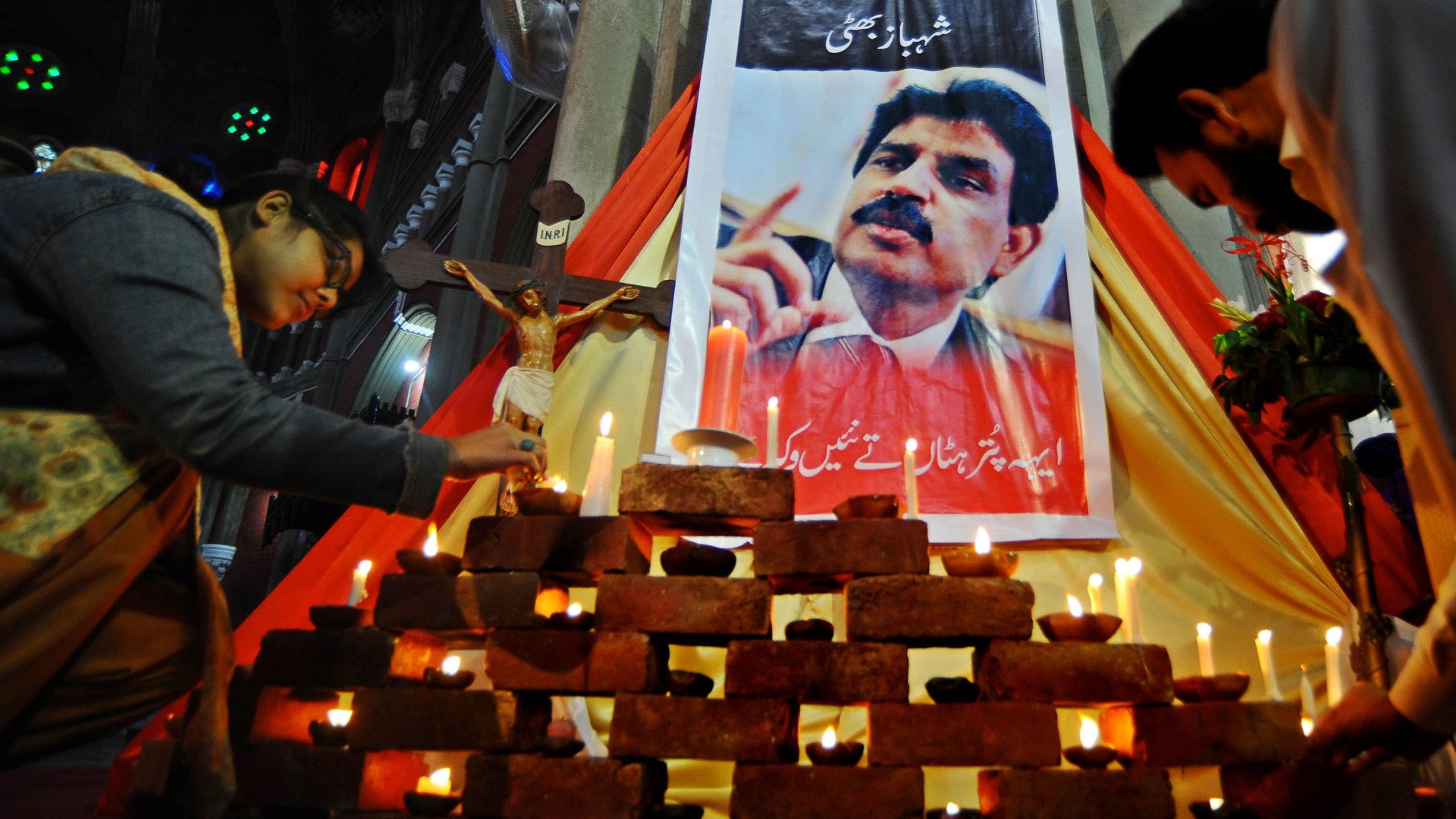
Pakistani Christians light candles in front of a picture of slain Christian minister Shahbaz Bhatti at The Heart Cathedral Church in Lahore on March 6, 2011.

Pakistani Christians light candles in front of a picture of slain Christian minister Shahbaz Bhatti at The Heart Cathedral Church in Lahore on March 6, 2011.

Christianity Today March 1, 2021
Arif Ali / Getty Images

“Shahbaz is dead.” I received the shocking news 10 years ago this week, as I stared out my kitchen window into a cold March morning. Shahbaz Bhatti was known worldwide as a courageous Christian voice for religious freedom in Pakistan. And I knew him as my friend.

Shahbaz lived an exemplary life, daily demonstrating heroic love of neighbor, speaking out for victimized religious groups in his home country. The only Christian in the Pakistani prime minister’s cabinet, he did not shy away from denouncing persecution. For this, the forces of darkness assassinated him on March 2, 2011, hoping to silence him and terrify others.

The question for those of us who remain: “How do we carry on his legacy?”

Pakistan was and is a dangerous country for Christians and other religious minorities. Government laws victimize, and violent religious extremists strike with impunity. Open Doors ranks it the fifth worst country in the world for Christians. Ten years ago, it was equally dismal.

Yet Shahbaz tirelessly advocated for the persecuted, be they his fellow Christians or members of other communities such as Hindus, Ahmadi Muslims, Shia Muslims, atheists, or Sunni Muslims standing up to extremists. He was fearless, speaking out on their behalf, carrying his small candle into dark places to shine a light.

Politically savvy, Shahbaz was appointed by then-President Ali Zardari to his cabinet, making him the only Christian federal official at the time. When Asia Bibi was sentenced to death in November 2010 over bogus blasphemy charges, Shahbaz threw himself into her cause. Advocating at every level for her release, he also worked with officials from around the world. I and others like Rep. Frank Wolf connected him with key people in Washington a month before his assassination. Shahbaz met with Secretary of State Hillary Clinton and Samantha Power at the National Security Council, as well as with members of Congress.

Shahbaz was making a difference. The forces of intolerance also noticed his effectiveness. He told me about increasing death threats.

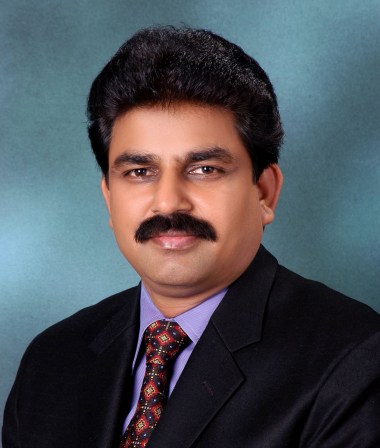
Shahbaz BhattiCourtesy of Peter Bhatti
Shahbaz Bhatti

The gravity of the situation became evident after Salman Taseer, the chief minister of the Punjab province and an ally in advocating for Asia Bibi, was murdered by his bodyguard in January 2011. Shahbaz was increasingly alone. When we spoke, his voice betrayed his fear. If radicals could knock off a high-profile Muslim governor, then they could murder him as well.

Yet the last time Shahbaz called in late February, he was upbeat, hopeful for reform. Zardari had reappointed him to the cabinet, something he called a “miracle.” Shahbaz had new ideas for amending the notorious blasphemy law. It was the Shahbaz I loved and respected. Bold, optimistic, fearless. All just before the unthinkable.

Days later, the Pakistani Taliban would ambush him outside his mother’s home, killing him in a barrage of bullets under a cold drizzle of rain. As the shockwave traveled around the world, President Barack Obama issued a statement, as did other world leaders, condemning the assassination. However, accountability for the killers would never come.

Shahbaz knew this was likely. In a recorded statement before his death, he explained what he confronted: “The forces of violence, militant banned organizations, the Taliban and pro-al Qaeda, they want to impose their radical philosophy in Pakistan. And whoever stands against their radical philosophy, they threaten them.”

He continued, “When I’m leading this campaign against sharia law, and for the abolishment of the blasphemy law, and speaking for the oppressed and marginalized persecuted Christians and other minorities, these Taliban threaten me.”

Yet knowing these risks, Shahbaz held an eternal perspective. He declared, “I want to share that I believe in Jesus Christ, who has given his own life for us. I know what is the meaning of the Cross, and I’m following the Cross.”

In hauntingly prescient words, he concluded, “I’m ready to die for the cause. I’m living for my community of suffering people, and I will die to defend their rights. So, these threats and these warnings cannot change my opinion and principles. I prefer to die for my principles and for the justice of my community rather than to compromise on these threats.”

Braver words were never spoken.

I learned much from Shahbaz about effective advocacy:

  1. Be smart. Understand the situation. Don’t fire off half-baked statements or exaggerate by calling every problem “persecution.”
  2. Keep the well-being of the victim in mind. The Hippocratic oath applies to human rights work: Do no harm.
  3. Work in coalition. Shahbaz brought together Christians of all denominations and members of other faiths in a joint effort. He also reached across political and geographical boundaries to find allies.
  4. Be bold and speak out for all. Proverbs 31:8 declares, “Speak up for those who cannot speak for themselves, for the rights of all who are destitute.” Shahbaz lived this admonition, bravely fighting for persecuted Christians and members of other religions.
  5. Ground every effort in unshakable faith in God.

So, what now, a decade after his murder? Pakistan continues its slide toward radicalization. It took almost a decade to see Asia Bibi set free. Blasphemy cases continue to pile up, with other unknown souls—both Christian and Muslim—experiencing a similar hell. Pakistan has the dubious distinction of jailing more people for blasphemy than the rest of the world combined. The forced conversion and marriage of Hindu and Christian girls is routine, a euphemism for physical and spiritual rape. The government does little to stop these abuses.

Seeing progress in Pakistan will require sustained engagement and dedication. Intolerant forces are pulling the country further toward extremism and radicalization, which will increase human rights abuses for Muslims and Christians and other non-Muslims alike. Coordinated and continuous efforts by governments, civil society, and religious leaders can begin to move the needle. Sometimes, speaking out publicly will best help. At other moments, working behind the scenes will be the wise route. Reform will take years. Yet we cannot ignore these trends because it is hard; we must press ahead because at stake are millions of lives.

In response, the United States, along with Canada, Europe, and the United Nations, must press reforms, incorporating human rights into interconnected concerns regarding terrorism, security, and violent extremism. Bilateral consequences like sanctions should follow inaction and increased persecution.

And how should the church respond? We best honor Shahbaz’s sacrifice by following his example of advocating for the persecuted, both Christians and those from other faiths.

The Bible overflows with calls to help our fellow man. Micah 6:8 declares, “He has shown you, O mortal, what is good. And what does the Lord require of you? To act justly and to love mercy and to walk humbly with your God.” The call to seek justice is universal, not time bound or limited by geography.

Jesus built on this foundation in his parable of the Good Samaritan in Luke 10. As we remember, the hero was the third person who came along, the Samaritan, who rescued the injured traveler. Jesus naming a Samaritan as the hero was an astonishing twist for the listeners of the day. Jews and Samaritans hated each other. Samaritans were the ultimate “other,” considered religiously and ethnically different. The hero ignored these barriers to help another suffering human being.

Jesus concluded by stating, “Go and do likewise” (v. 37). This heroic love of neighbor calls on Christians to fight for human rights and assist the suffering. We must follow the Samaritan’s example and the example Shahbaz modeled.

While most of us cannot go to Pakistan, we can support involved groups financially and through prayer. Shahbaz’s brother Peter runs an NGO in Canada assisting persecuted Pakistani Christians. Other organizations such as CSW (formally Christian Solidarity Worldwide), the Stefanus Alliance International, and the Institute for Global Engagement (where I work) fight for religious freedom for all, out of Christian conviction. You can educate yourself on this human right and how to advocate effectively for it. You can learn more about Shahbaz during the virtual commemoration service on March 2.

It is rare to meet someone willing to sacrifice everything for a cause, a person who knowingly faces death out of obedience to God’s call to help others. With Shahbaz’s martyrdom 10 years ago, we lost a hero in the cause of religious freedom. Compared to his saintly efforts, the work of mere mortals like myself feels inadequate and inconsequential.

Yet what we do matters. Our humble contributions can make a difference. During Lent, we should ask God to reveal where we can act, either locally or supporting groups abroad, so we can begin a journey toward positive impact. Through our own advocacy, we best honor Shahbaz’s legacy by shining a light into the dark.

Knox Thames served as the State Department Special Advisor for Religious Minorities under both the Obama and Trump administrations. He is currently a senior fellow at the Institute for Global Engagement and is writing a book on 21st-century strategies to combat religious persecution. You can follow him on Twitter @KnoxThames.

addApple PodcastsDown ArrowDown ArrowDown Arrowarrow_left_altLeft ArrowLeft ArrowRight ArrowRight ArrowRight Arrowarrow_up_altUp ArrowUp ArrowAvailable at Amazoncaret-downCloseCloseellipseEmailEmailExpandExpandExternalExternalFacebookfacebook-squarefolderGiftGiftGooglegoogleGoogle KeephamburgerInstagraminstagram-squareLinkLinklinkedin-squareListenListenListenChristianity TodayCT Creative Studio Logologo_orgMegaphoneMenuMenupausePinterestPlayPlayPocketPodcastprintremoveRSSRSSSaveSavesaveSearchSearchsearchSpotifyStitcherTelegramTable of ContentsTable of Contentstwitter-squareWhatsAppXYouTubeYouTube